
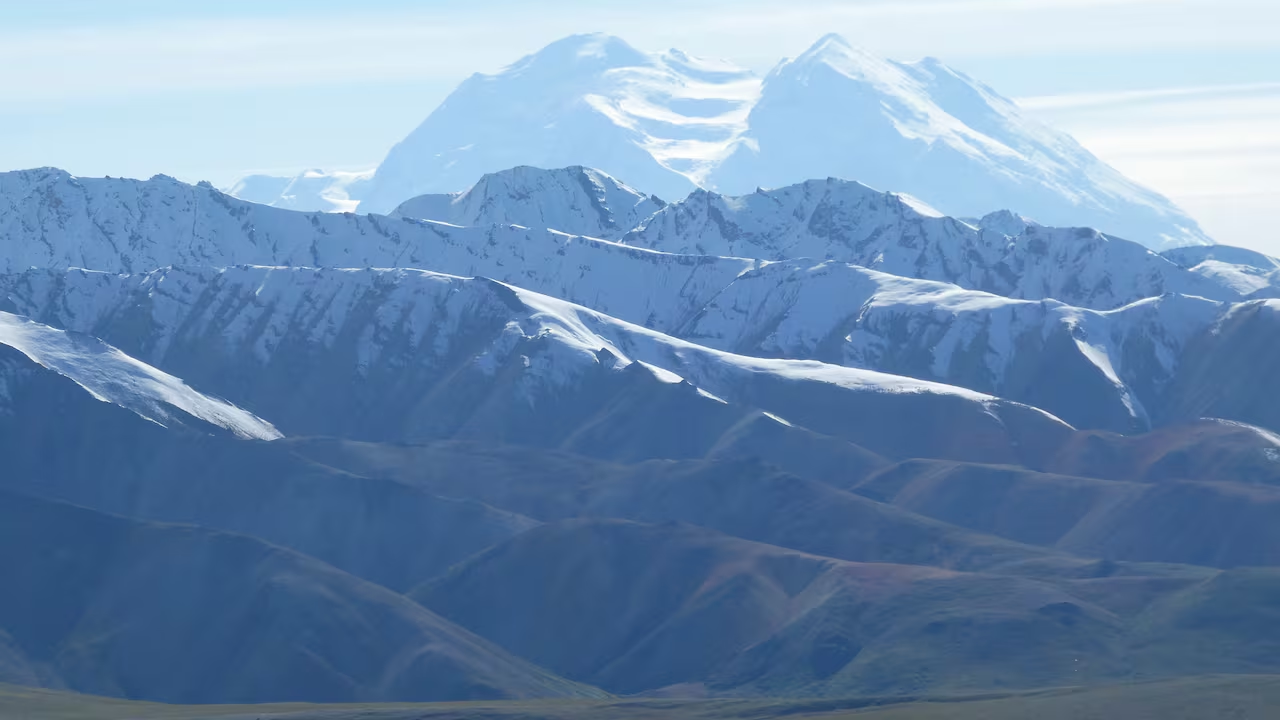
The dangers of high-altitude mountaineering were once again brought into sharp focus after three climbers died following a tragic fall on Alaska’s Mount McKinley, also known as Denali, the tallest mountain in North America. The accident involved members of a seven-person climbing team from Latvia who had traveled to the United States in hopes of reaching the summit of the 20,310-foot peak. While one climber was rescued and transported for emergency medical treatment, the deaths of the three others have cast a shadow over the climbing season on one of the world’s most unforgiving mountains.
The incident occurred near Denali Pass, a steep and dangerous section of the mountain that is known for rapidly changing weather, strong winds, and hazardous ice conditions. Officials from the National Park Service confirmed that the climbers were injured after suffering a fall during their ascent. Three members of the expedition managed to return to camp after the accident, but rescue operations were delayed due to severe weather conditions that prevented helicopters from immediately reaching the site.
The tragedy has drawn international attention not only because of the loss of experienced climbers but also because it highlights the immense risks associated with mountaineering on Denali. Every year, hundreds of climbers attempt to conquer the peak, yet many are forced to turn back due to dangerous conditions, exhaustion, or medical emergencies. In some cases, as seen in this accident, the mountain proves deadly even for seasoned adventurers.
Deadly Fall Near Denali Pass
According to the National Park Service, the accident happened on Wednesday while the Latvian group was climbing near Denali Pass, one of the most technically difficult and exposed areas of the mountain. The pass sits at an elevation of approximately 18,000 feet and is often covered in snow and ice, making footing unstable and dangerous. Climbers ascending through the area face steep slopes, freezing temperatures, and strong winds capable of knocking a person off balance within seconds.
Officials said the climbers fell during their ascent, although the exact circumstances surrounding the incident have not been publicly detailed. Harsh weather conditions complicated rescue efforts almost immediately after the accident occurred. Helicopters were initially unable to access the area because of poor visibility and the extreme terrain, forcing rescuers to wait for a safe opportunity to reach the injured climbers.
Three members of the expedition managed to return to camp despite the dangerous conditions and injuries sustained during the fall. Their survival likely depended on their ability to navigate back through difficult terrain while enduring high-altitude conditions that can quickly worsen injuries and exhaustion. However, four climbers remained stranded higher on the mountain, prompting an urgent rescue operation.
On Thursday afternoon, rescue teams succeeded in extracting one injured climber through what officials described as a “long-line extraction.” This technique involves suspending a rescuer or survivor beneath a helicopter using a long cable when the aircraft cannot safely land. The rescued climber was transported first to a base camp and later airlifted to a hospital for further treatment.
The National Park Service later announced that efforts involving the three remaining climbers had transitioned from a search-and-rescue mission into a recovery operation. Such a shift typically indicates that officials no longer believe there is a realistic chance of survival. Authorities did not immediately release the identities of the deceased, following standard procedures that require next of kin to be notified before public announcements are made.
Read : Mountain Lion Attacks and Kills Two Pet Dogs in Backyard in Yucaipa
The Latvian Mountaineering Association later confirmed the identities of the climbers who died in the accident. In a statement filled with grief, the organization named the victims as Inese Pučeka, Vija Olte, and Renārs Kunigs-Salaks. The association also identified the rescued climber as Mārtiņš Bilzēns, who was evacuated in critical condition and transferred into the care of American medical personnel.
Read : Australian Villagers Kill and Eat Giant Crocodile Which Hunted Their Pets
The statement described the victims as talented and experienced climbers whose deaths deeply affected the mountaineering community in Latvia. Tributes and condolences quickly spread online among fellow climbers, outdoor enthusiasts, and organizations familiar with the challenges and risks associated with high-altitude expeditions.
The Extreme Dangers of Climbing Denali
Mount McKinley, officially named Denali by the United States government, is widely regarded as one of the most dangerous mountains in the world despite being lower in elevation than Himalayan peaks such as Mount Everest. The mountain’s location in Alaska exposes climbers to brutal Arctic weather, freezing temperatures, and unpredictable storms that can intensify within minutes.
Many mountaineers consider Denali particularly difficult because of its geographic position near the Arctic Circle. The altitude can feel significantly harsher than mountains of similar height located closer to the equator. Climbers often face oxygen deprivation, severe cold, and hurricane-force winds while carrying heavy equipment across glaciers and steep slopes.
Denali Pass, where the accident occurred, has long been recognized as one of the mountain’s most treacherous areas. The narrow route forces climbers to navigate exposed ridges and icy terrain where even a minor slip can lead to catastrophic falls. Climbers typically use ropes, crampons, and ice axes to secure themselves while ascending through the section, but changing weather conditions can still overwhelm even experienced teams.
Rescue operations on Denali are also notoriously difficult. The mountain’s remoteness and severe weather often limit access for emergency crews. Helicopter rescues at high altitude require highly specialized pilots and equipment, and missions are frequently delayed by storms, wind, or low visibility. In some situations, rescuers themselves face life-threatening conditions while attempting to reach stranded climbers.
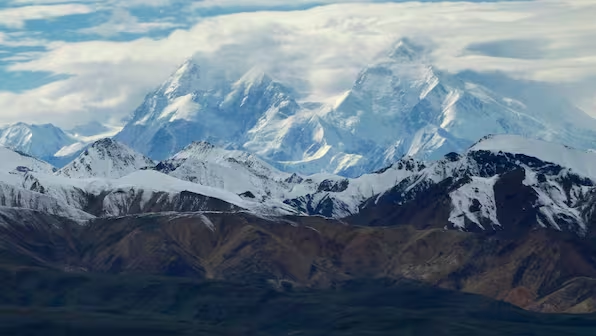
The climbing season on Denali generally begins in late April and continues through mid-July, drawing adventurers from around the world. During this period, the National Park Service oversees climbing permits and provides guidance intended to reduce accidents and fatalities. Rangers regularly warn climbers about the importance of preparation, weather awareness, acclimatization, and technical climbing skills.
Despite these precautions, accidents remain common. Climbers on Denali face risks ranging from avalanches and falls to frostbite, hypothermia, and altitude sickness. Exhaustion is another major factor, as expeditions can last several weeks and require climbers to haul heavy loads through deep snow and steep terrain.
Over the decades, numerous climbers have died attempting to summit the mountain. Some accidents have involved avalanches or falls into crevasses hidden beneath snow bridges, while others resulted from exposure during storms. In several cases, bodies were never recovered due to the mountain’s dangerous conditions and inaccessible terrain.
The latest tragedy serves as another reminder that experience alone cannot eliminate the dangers of high-altitude mountaineering. Even skilled climbers with proper equipment and preparation remain vulnerable to sudden weather changes, icy terrain, and unpredictable accidents. The physical and mental demands of climbing Denali make it one of the most challenging peaks on Earth.
International Mourning and Ongoing Recovery Efforts
The deaths of the Latvian climbers have resonated far beyond Alaska, prompting mourning within the international mountaineering community. In Latvia, the victims were remembered as dedicated athletes and adventurers who shared a passion for climbing and exploration. The Latvian Mountaineering Association’s statement reflected the emotional impact of the loss, describing the climbers as valued friends and respected members of the climbing community.
Read : 65-Year-Old Woman Dies After Falling From Cliff While Hiking in Great Smoky Mountains National Park
Friends, fellow climbers, and supporters expressed condolences through social media and mountaineering forums, many emphasizing the risks that climbers knowingly face when pursuing difficult expeditions. Messages honoring the victims highlighted their accomplishments, courage, and commitment to the sport.
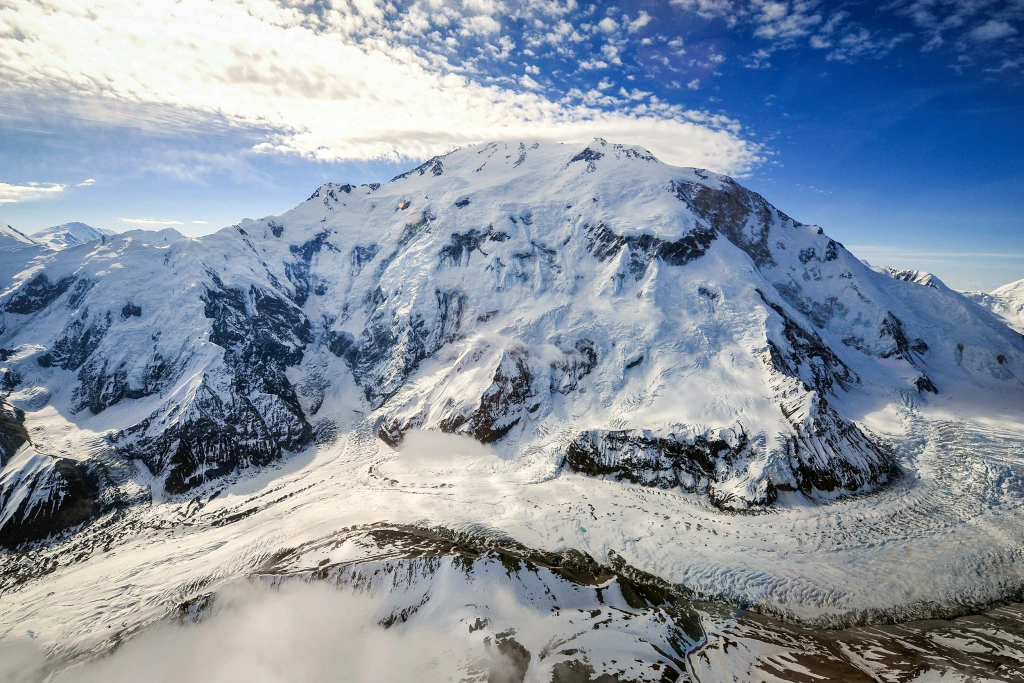
At the same time, recovery efforts on Denali continue under difficult circumstances. The National Park Service has not released specific details about how rescuers plan to recover the bodies of the three deceased climbers, but such operations are often complex and dangerous. Weather conditions, avalanche risks, and the steep terrain near Denali Pass can significantly slow recovery missions and place rescuers at risk.
High-altitude recovery operations require careful planning and are sometimes delayed for days or weeks depending on conditions. In certain cases involving remote mountain accidents, bodies remain unrecovered due to safety concerns. Authorities will likely continue monitoring weather conditions closely before conducting further operations on the mountain.
The accident has also renewed conversations about mountaineering safety and risk management. Experienced climbers often spend months preparing for Denali expeditions through physical training, technical practice, and logistical planning. Yet even with extensive preparation, the mountain remains unpredictable.
Climbing organizations frequently stress the importance of respecting weather warnings, traveling with experienced partners, and understanding the limits of both equipment and human endurance. Many climbers who attempt Denali never reach the summit, choosing instead to turn back when conditions deteriorate. Survival on the mountain often depends on making difficult decisions under extreme stress and fatigue.
As the climbing season continues, park officials are expected to maintain close monitoring of conditions and reinforce safety guidance for incoming expeditions. Rangers stationed on the mountain routinely provide climbers with information about route conditions, weather forecasts, and avalanche hazards, but they also remind visitors that climbing Denali carries unavoidable dangers.
For the families and friends of the victims, however, the focus remains on grief and remembrance. The loss of Inese Pučeka, Vija Olte, and Renārs Kunigs-Salaks represents not only a tragic mountaineering accident but also the loss of lives dedicated to adventure, challenge, and exploration. Meanwhile, hopes remain centered on the recovery of the rescued climber, Mārtiņš Bilzēns, as he continues receiving medical care after surviving the devastating fall on North America’s tallest mountain.
ascent your work day with abrupt focus. Add a few overlook of https://www.cornbreadhemp.com/collections/cbd-gummies to your coffee to have CBD for rivet patch shine out caffein jitter. This CBD chocolate combining give birth fluent energy that sustenance you generative. barren from additives, our organic fertilizer CBD oil and CBD drops fling clean support for busybodied pro. interchange to natural CBD Energy, search our CBD fund, bargain cheap CBD without conciliatory prime, and lead off every break of day belief balance and focused with CBD!
Your positron emission tomography deserve the sound instinctive care besides. graze our cbd gummies with thc survival craft specifically for hound and regorge require CBD for dearie anxiousness or roast affirm. Formulated with pet-safe element, our CBD positron emission tomography rock oil and CBD hound kickshaw facilitate tranquil flighty pets during storm or travel. Give your fauna constitutional CBD embossment as they eld. Choose lab-tested CBD for hound, buy pet CBD on-line, and enjoy peace treaty of mind knowing your furry champion get under one’s skin high-quality, rubber CBD!