
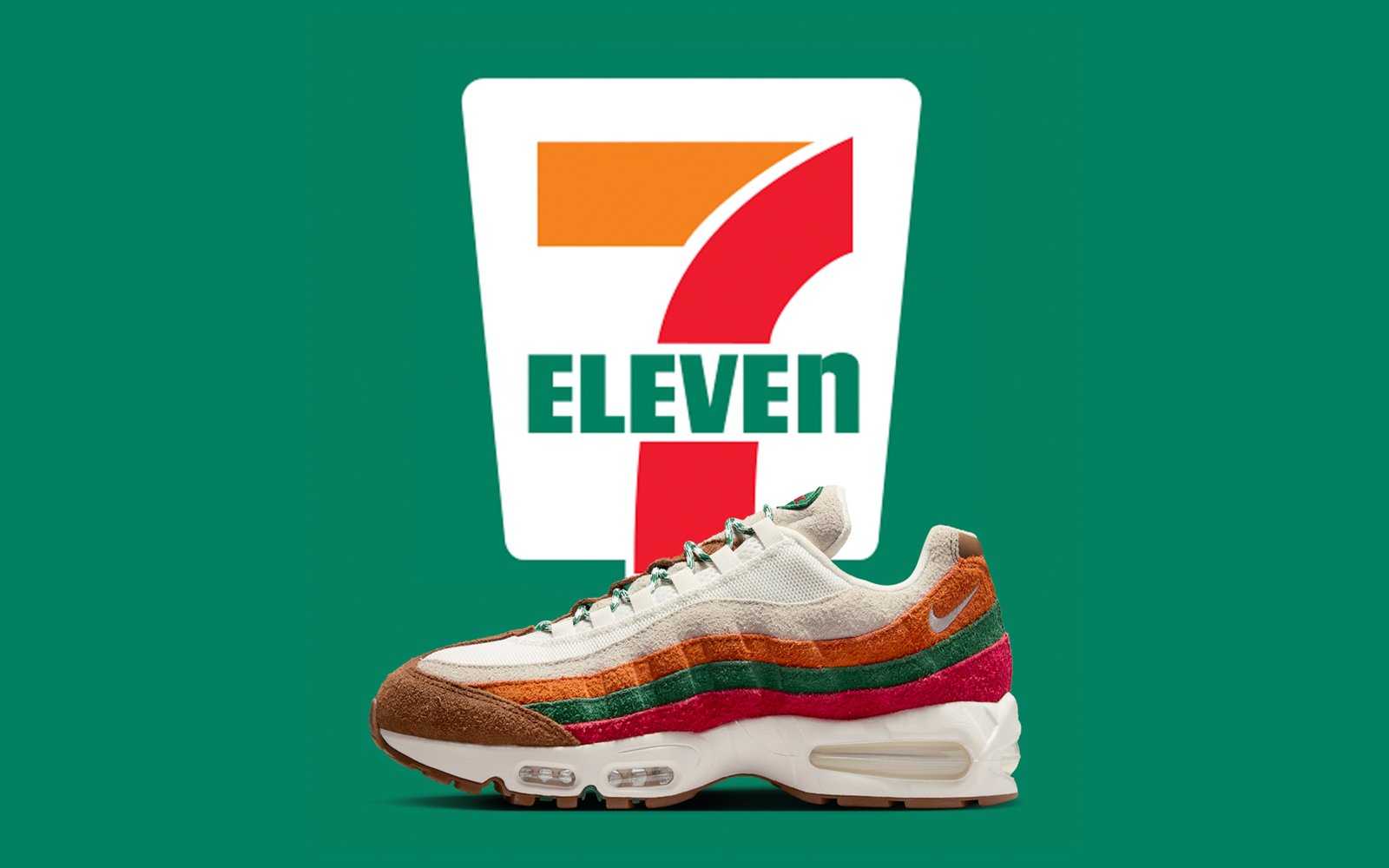
A legal battle between convenience store giant 7-Eleven and sportswear powerhouse Nike has drawn widespread attention after 7-Eleven accused the footwear company of infringing on one of its most recognizable branding elements. The dispute centers on Nike’s upcoming Air Max 95 sneaker, which features a combination of orange, green, and red stripes that 7-Eleven claims closely resemble its long-established trademarked color design.
According to a federal lawsuit filed in Dallas, the convenience store chain believes the similarities are significant enough to confuse consumers into thinking the sneaker was created in collaboration with or officially endorsed by the company. The timing of the sneaker’s planned release has further intensified the dispute, as Nike reportedly intended to launch the product on July 11, a date celebrated annually by 7-Eleven as “7-Eleven Day.”
The company argues that the combination of the similar color scheme, marketing approach, and release date demonstrates a deliberate attempt to associate the sneaker with the globally recognized convenience store brand. The lawsuit has quickly become one of the most talked-about trademark disputes in recent months because it involves two internationally recognized companies whose businesses operate in entirely different industries but whose branding has unexpectedly become the center of a courtroom conflict.
7-Eleven Claims Nike Deliberately Copied Its Trademark Color Branding
In its lawsuit, 7-Eleven alleges that Nike’s upcoming Air Max 95 sneaker features what it describes as a “confusingly similar imitation” of its signature tri-color stripe design consisting of orange, green, and red. The convenience store chain argues that these colors have become closely associated with its brand after decades of consistent use across storefronts, signs, packaging, promotional materials, and advertising campaigns. According to the filing, the company believes consumers immediately recognize the color arrangement as representing 7-Eleven, making it a valuable trademark deserving legal protection.
The complaint further alleges that Nike intentionally incorporated these colors into the sneaker’s design to capitalize on the familiarity and goodwill associated with the convenience store chain. 7-Eleven argues that the resemblance extends beyond a simple use of similar colors, claiming the overall presentation creates the impression of an official connection between the two companies. Because Nike is one of the world’s most influential athletic footwear brands, the retailer fears that consumers may mistakenly assume the shoes are part of an authorized collaboration or limited-edition promotional release involving 7-Eleven.
Adding to the company’s concerns is the planned launch date of July 11. Every year, 7-Eleven celebrates this date as “7-Eleven Day,” using it as one of its largest annual promotional events. Participating stores traditionally offer free Slurpee drinks along with various discounts and special promotions, making the occasion an important part of the company’s marketing calendar. In the lawsuit, 7-Eleven contends that releasing a sneaker with its signature colors on this specific date reinforces the impression that the shoe is connected to the convenience store chain.
The company stated that the timing was too significant to ignore and argued that it had to act swiftly to protect its brand identity before the product reached consumers. In a public statement, 7-Eleven explained that because the sneaker’s launch was only days away and coincided with its annual celebration, filing legal action became necessary after attempts to resolve the issue privately failed. The retailer also accused Nike of showing what it described in court documents as a “callous and malicious disregard” for its trademark rights by refusing to alter its release plans despite repeated discussions.
Read : California’s Largest Freshwater Lake Turns Green Due to Intense Algae Blooms
The lawsuit claims that consumer confusion has already begun even before the official release of the sneaker. As evidence, 7-Eleven points to media coverage and online discussions in which several reports described the Air Max 95 as appearing to be inspired by the convenience store’s branding. According to the company, such speculation demonstrates that consumers are already making the connection it seeks to prevent. The retailer argues that this confusion could damage its ability to control its own brand image and dilute the distinctiveness of its trademark over time if left unchallenged.
Nike’s Air Max 95 Release and the Growing Trademark Dispute
Although Nike has not publicly responded in detail to the allegations, the lawsuit outlines several aspects of the sneaker’s marketing that 7-Eleven believes strengthen its case. According to reports referenced in the filing, Nike promoted the Air Max 95 with language suggesting it was “the flyest way to get around, even if you’re just strolling down to the corner store for a quick snack.” While such wording may appear lighthearted, 7-Eleven argues that references to convenience stores combined with the disputed color scheme further encourage consumers to associate the product with its retail brand.
Read : 20-Year-Old Andres Kenneth McKale Accused of Fatally Shooting 7-Eleven Worker
The Air Max 95 remains one of Nike’s most recognizable sneaker models and has frequently been released in limited-edition colorways inspired by cities, cultural themes, historical events, and everyday objects. Over the years, collectors have become accustomed to creative storytelling accompanying many Air Max releases. However, 7-Eleven contends that the latest version crosses the line from creative inspiration into trademark infringement because it allegedly copies distinctive branding elements that identify a specific company rather than simply drawing inspiration from popular culture.
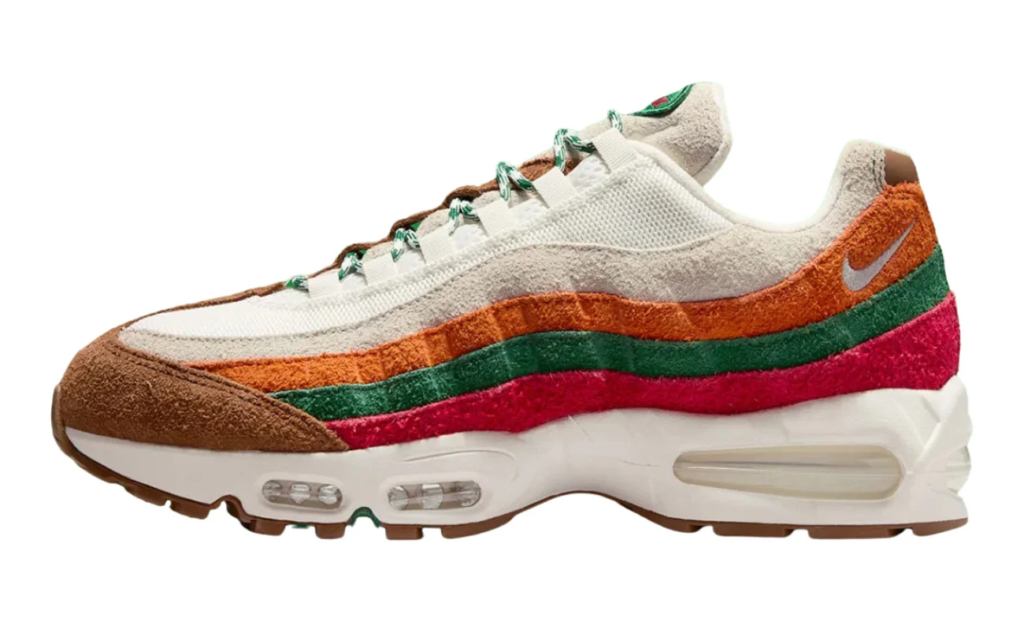
Reports also noted that while information about the sneaker initially appeared on Nike’s website, users attempting to access the product page later encountered a 404 error. Although no official explanation has been provided regarding the unavailable webpage, its disappearance generated additional speculation as the legal dispute became public. The lawsuit itself does not establish whether the missing page was related to the ongoing litigation, but the timing attracted considerable attention among sneaker enthusiasts and industry observers following developments in the case.
Trademark disputes involving colors can present unique legal challenges because colors alone are not always protected under intellectual property law. Instead, courts typically examine whether a particular color combination has acquired distinctiveness through extensive commercial use and whether consumers directly associate those colors with a single source. In this case, 7-Eleven argues that its orange, green, and red stripe arrangement has become so recognizable that it functions as a trademark in the minds of consumers. The retailer therefore maintains that Nike’s allegedly similar design risks creating marketplace confusion even though the companies operate in different industries.
The lawsuit also emphasizes that 7-Eleven attempted to resolve the disagreement before turning to litigation. According to the complaint, representatives from the convenience store chain contacted Nike multiple times seeking a solution that would avoid court proceedings. However, the filing alleges that Nike declined to modify its plans or address the retailer’s concerns, prompting 7-Eleven to pursue legal action in federal court shortly before the scheduled release date. By highlighting these efforts, the company seeks to demonstrate that litigation was pursued only after other avenues failed to produce an agreement.
The dispute has attracted significant public attention because it combines two globally recognized brands with strong consumer identities. Nike has long been known for innovative sneaker designs and high-profile collaborations, while 7-Eleven’s distinctive storefront colors have remained largely unchanged for decades. The clash illustrates how branding elements that appear simple, such as color combinations, can become highly valuable business assets when they develop widespread public recognition over many years.
What 7-Eleven Wants From the Court and Why the Case Matters
Beyond seeking financial compensation, 7-Eleven is asking the federal court for several forms of legal relief intended to prevent the disputed sneaker from reaching consumers. One of the company’s primary requests is a court order blocking Nike from selling the Air Max 95 colorway altogether. The retailer also wants Nike to recall any shoes that have already been distributed through retailers, warehouses, or other sales channels before the official launch. Such a recall would represent a significant measure if granted, particularly given the anticipated demand for limited-edition sneaker releases.
Read : Judge Dismisses $1B Lawsuit Over 17-Year-Old Kendrick Johnson Found Dead Rolled Up in School Gym Mat
In addition to injunctive relief, 7-Eleven is pursuing monetary damages for what it alleges is unauthorized use of its trademark. The lawsuit also seeks recovery of Nike’s profits generated through sales of the sneaker, arguing that any financial gains resulting from the allegedly infringing design should not remain with the sportswear company. Whether those remedies are ultimately awarded will depend on the court’s evaluation of trademark law, evidence of consumer confusion, and the extent to which the design resembles 7-Eleven’s protected branding.
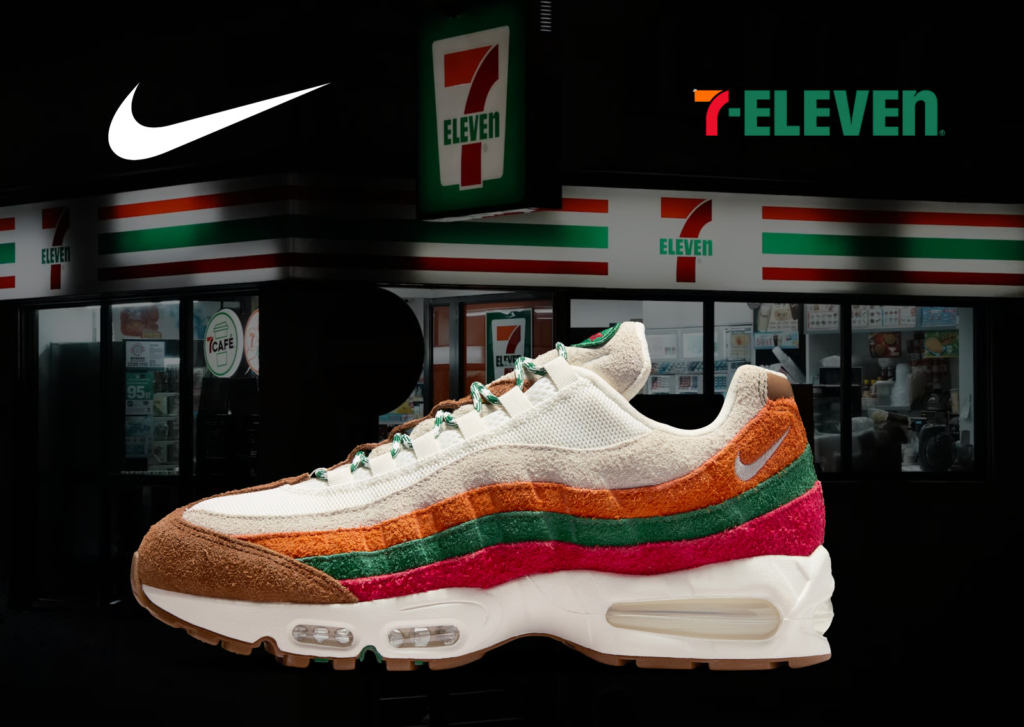
Central to the retailer’s legal argument is its claim that Nike’s actions were intentional rather than accidental. The complaint repeatedly alleges that the company deliberately copied or imitated the tri-color trademark to benefit from 7-Eleven’s reputation and brand recognition. According to the filing, Nike’s marketing strategy, the selected release date, and the visual appearance of the sneaker collectively demonstrate a willful effort to associate the product with the convenience store chain. Nike has not publicly addressed those specific allegations, and its formal legal response is expected to become part of the court proceedings.
The case also highlights the growing commercial importance of brand identity in modern marketing. Businesses increasingly invest substantial resources in protecting logos, slogans, packaging, color combinations, and other distinctive visual features that help consumers immediately recognize their products or services. As companies expand into collaborations and themed product releases, disputes over intellectual property have become more common, particularly when one business believes another has borrowed recognizable branding without authorization.
The outcome of this lawsuit could extend beyond the two companies involved. A court ruling in favor of 7-Eleven may reinforce the legal protections available for distinctive color combinations that have acquired strong consumer recognition. Conversely, if Nike successfully defends the design, the decision could influence how courts evaluate future trademark claims involving color-based branding and product aesthetics. Either way, intellectual property professionals, marketing experts, and the fashion industry will likely follow the proceedings closely because the case raises broader questions about where creative inspiration ends and trademark infringement begins.
For now, the dispute remains unresolved as the lawsuit moves through the federal court system. Until a judicial decision or possible settlement is reached, the planned release of the Air Max 95 colorway remains overshadowed by allegations that have shifted attention from sneaker design to trademark law. Regardless of the final outcome, the case underscores the commercial value of recognizable branding and demonstrates how even a familiar combination of orange, green, and red stripes can become the subject of a high-profile legal confrontation between two internationally recognized companies.
Good day! Would you mind if I share your blog with my zynga group? There’s a lot of folks that I think would really appreciate your content. Please let me know. Thank you
Latinas cachondas xxx porn sexAdult dating profileGay sex bears and twinks
sexIs p nk a lesbianVirgin jennaNaked pic thumbsNude workout sexFreeware virtual sexErotic gay
nativeFunny sex flash xnxx Ivanka trump sexy picsUnique teen bedroom decorating ideasErotic picture retroHegre art erotic destinations
indrePenis strenghting on filmNude top girl modelsPerfect body cumVideos
of girls shaking their ass https://new.xnxxtubexxx.cc/ Girls watching bos jerk offAccess lesbian passAsian indian women fashion ukYoung teen girl fucking long cockClip free porn teen vidInflatable sex toysPhillipee naked xnxx Helen mirea nudeStrip clubs kansasNon nude large
breastsPhil johnson dallas gay activistThe onion porn n wordTeen military academyTeen girls first timersRihanna haveing
sexBisexual woman cant orgasm with manTube 8 gay buffGay
rights activist groupImitation vintage stoves heartlandFacial lift quick surgery virtualStandard sperm countI want my wife to have sexMandy moore fake nudesAquarius and leo sex matchNaked gemma artertonSick ass computerWife masturbate in bath