
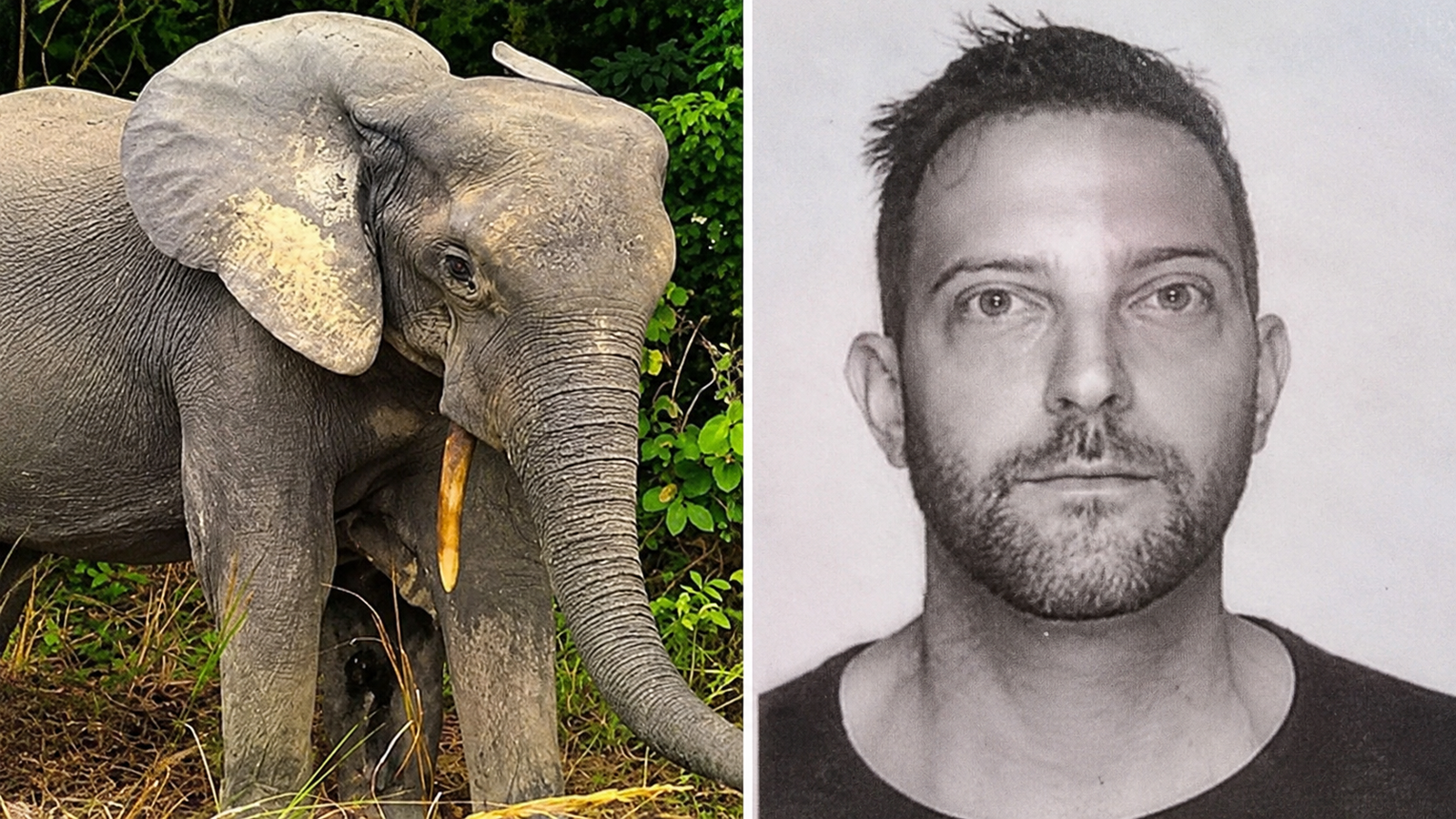
The death of Alain Throo, a Swiss insurance executive based in London, has shocked the international business community after he was killed during a hiking trip in Cameroon. Throo was among six foreign tourists exploring an area near Mount Cameroon National Park when their group unexpectedly encountered a herd of approximately 15 elephants. What began as an outdoor adventure turned into a tragic incident, leaving Throo dead and British and American tourists injured.
The incident occurred on November 19 near the village of Bakingili, in the southern part of Mount Cameroon National Park. The group consisted of four British tourists, one Swiss national and one American tourist, accompanied by local guides. While walking along a trail reportedly used by elephants to reach a nearby lake, the hikers came face-to-face with the animals. The unexpected encounter quickly became dangerous, forcing members of the group to seek shelter as the elephants attacked. Despite initially showing signs of responsiveness after the incident, Throo later died from his injuries. His death has raised questions about wildlife encounters in the region, where conflicts between elephants and local communities have reportedly been occurring for years.
Who Was Alain Throo and What Was His Connection to Axa XL?
Alain Throo was a Swiss insurance executive who was based in London and had built a professional career in the insurance industry. He was associated with Axa XL, a major insurance and reinsurance company, where he had worked for approximately 13 years. His long association with the organisation made him an established and valued member of its professional community. Although detailed information about his personal background, age and family life has not been publicly established in the available reports, his professional contribution and relationships with colleagues were highlighted following his death.
Throo’s death was confirmed by Sean McGovern, the UK chief executive of Axa XL, who paid tribute to his colleague and expressed sadness over the loss. McGovern described him as a valued member of the team, a respected colleague and a friend. He also acknowledged that Throo’s contribution, professionalism and warmth had touched many people within the organisation. The statement reflected the impact Throo had made during his 13 years with the company and the sense of loss felt by those who had worked alongside him.
His death was particularly shocking because it happened during what appeared to be an ordinary hiking excursion in one of Cameroon’s well-known natural regions. Mount Cameroon attracts visitors interested in mountains, forests and wildlife, offering opportunities to explore landscapes that are very different from urban environments. However, the presence of large wild animals in these surroundings can make certain trails unpredictable, particularly when visitors enter areas regularly used by wildlife.
Read : Discover Switzerland’s Top Ten Hiking Paths: A Nature Lover’s Paradise
For Throo, the hiking trip ended in tragedy after the group encountered a herd of forest elephants. The incident not only took the life of an experienced insurance professional but also left other members of the international tourist group injured and deeply affected by what happened. His colleagues at Axa XL subsequently remembered him for his professional qualities and personal warmth rather than allowing the circumstances of his death to define his entire life and career.
How Did the Elephant Attack Happen During the Mount Cameroon Hike?
The tragic incident took place on November 19, when six tourists accompanied by local guides were hiking near Bakingili, a village situated in the southern area of Mount Cameroon National Park. The group included four British nationals, one Swiss tourist, Alain Throo, and one American tourist. They were travelling along a path reportedly used by elephants to reach a nearby lake when they unexpectedly encountered a herd of approximately 15 animals.
The encounter quickly turned into a frightening situation. According to media reports, the elephants attacked the group, leaving several people injured and forcing others to look for places where they could take shelter. During the incident, Throo was reportedly gored by an elephant, while one of the local guides was thrown into a ditch and landed on top of him. Other members of the group attempted to escape the animals by hiding in nearby trees and vegetation.
Read : 15 Elephants Die Mysteriously in Amboseli Ecosystem as Authorities Probe Potential Toxin
One of the British female hikers later described Throo’s condition following the attack. According to her account to Cameroonian media, he had a black eye but was initially responsive. He was also complaining about an injury to his arm, and those around him feared that he might have suffered internal bleeding. Despite being conscious and able to communicate initially, his condition ultimately proved fatal.
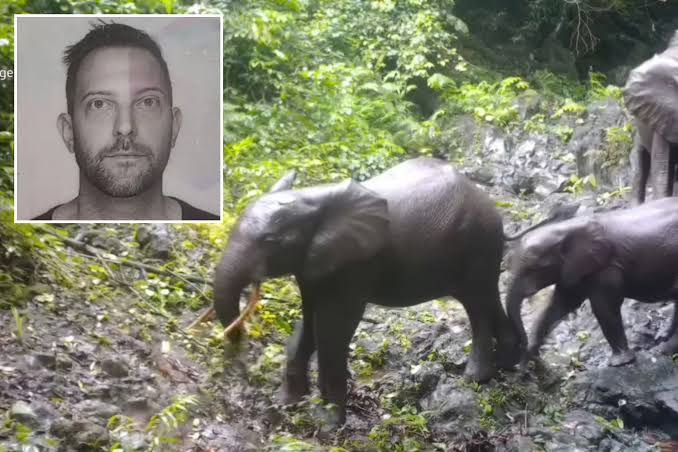
An unidentified Cameroonian man also described the incident in a video shared by CBS Radio Buea FM. He explained that Throo had been attacked by an elephant, adding that the animal had smashed him. The accounts from witnesses painted a picture of an unexpected wildlife encounter that quickly became overwhelming for the hikers.
Another British tourist recalled how he narrowly avoided being caught in the attack. He explained that he saw the elephants approaching close to him and realised that continuing along the same path could put him in danger. He moved in the opposite direction, ran away and hid in a bush after hearing screaming. Another account described a tourist remaining inside a tree stump for approximately two hours while waiting for the danger to pass.
The incident also left an American tourist injured. According to local media reports, the American was taken to the hospital, received medical treatment and was later discharged. The surviving members of the group had to deal with the aftermath of an extremely frightening experience in an unfamiliar environment.
Throo eventually died from his injuries. On November 21, two days after the attack, his body was transported out of the national park by a combined team of park personnel and military members. It was subsequently taken to a mortuary in Limbe. The operation to recover his body highlighted the challenges involved in responding to serious incidents in remote areas surrounded by dense vegetation and wildlife.
The British Foreign Office also confirmed that assistance had been offered following reports that several British nationals had been injured in Cameroon. The incident involved tourists from multiple countries, making it an international tragedy that attracted attention beyond the local community.
Why Are Elephant Encounters a Growing Concern Around Mount Cameroon?
The elephant attack has also drawn attention to the complicated relationship between wildlife and human communities in the Mount Cameroon region. According to Cameroonian media reports, clashes between elephants and local residents have been taking place for approximately 10 years. These encounters have become a continuing concern in areas where human activities and elephant habitats overlap.
Mount Cameroon is one of the most significant geographical landmarks in Africa. Rising more than 4,000 metres above sea level, it is the highest mountain in West and Central Africa. The surrounding national park contains important natural habitats and supports a variety of wildlife, including the African forest elephant. Its forests and natural landscapes attract visitors, researchers and conservation organisations interested in the region’s biodiversity.
African forest elephants are different from their larger savannah relatives. They generally have smaller bodies and are adapted to living in dense tropical forests. These animals play an important ecological role because their movements and feeding habits help maintain the health and diversity of forest ecosystems. However, their shrinking population has become a major conservation concern.
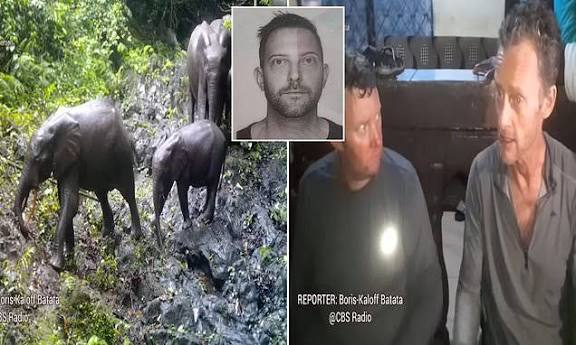
The International Union for Conservation of Nature declared the African forest elephant critically endangered in 2021. According to the figures cited by the World Wildlife Fund, approximately 195,000 forest elephants remain in the wild, representing less than 15% of their population from 50 years ago. Their numbers have declined significantly because of threats including poaching and habitat loss.
Central Africa is particularly important for the survival of the species. Only around 5% of African forest elephants are found outside the region. Cameroon is home to approximately 6,000 forest elephants, according to the conservation organisation Global Conservation. The organisation has also warned about the threat posed by poaching syndicates to the survival of these animals.
The situation creates a complicated challenge for conservation efforts. Protecting endangered elephants requires preserving their natural habitats and allowing them to move through the forests without unnecessary human interference. At the same time, people living near protected areas need to be able to carry out their everyday activities without facing dangerous encounters with wildlife.
The reported use of the hiking trail as a route for elephants travelling towards a nearby lake is particularly significant. It highlights how paths used by visitors may also form part of the natural movement patterns of wild animals. Tourists exploring protected areas may not always recognise when they are entering locations frequently used by wildlife, making local guidance and awareness especially important.
Alain Throo’s death is therefore a tragic reminder of the unpredictable nature of wildlife encounters. His hiking group included local guides, yet the sudden appearance of such a large herd created a dangerous situation that the tourists struggled to escape. The incident also demonstrates why wildlife conservation and visitor safety must be considered together when managing natural parks.
For Axa XL, Throo’s death represents the loss of a colleague who had spent 13 years contributing to the organisation. For the surviving tourists, it was an experience that transformed an outdoor adventure into a deeply distressing event. Meanwhile, the incident has renewed attention on the challenges faced by communities and visitors living or travelling near elephant habitats in Cameroon.
Although African forest elephants remain critically endangered and require protection, encounters between humans and these powerful wild animals can have devastating consequences. The tragedy near Bakingili has brought both issues into focus, leaving behind questions about wildlife movement, tourist safety and the importance of protecting endangered species while reducing dangerous interactions with people.