
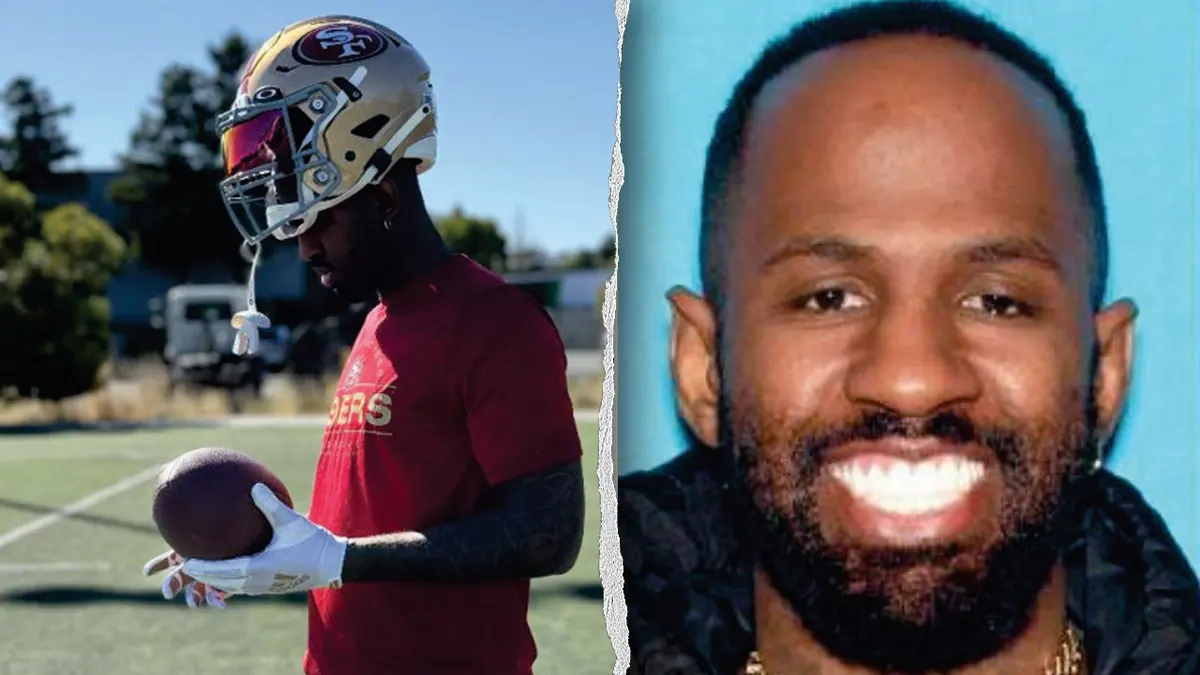
Federal authorities have accused Daejon Love, 35, of carrying out an elaborate romance and investment fraud scheme that allegedly targeted at least 26 women across four US states and resulted in losses of approximately $1.3 million. According to authorities, Love allegedly used dating apps and carefully constructed false identities, including claims that he was a player for the San Francisco 49ers, to gain the trust of women before convincing them to invest money in nonexistent financial opportunities.
The case has attracted widespread attention because of the alleged combination of romance, celebrity impersonation, social media deception and investment fraud. Love was arrested alongside his alleged accomplice, 18-year-old Taylor Jamie Chan, on August 24 in Boise, Idaho, and both were charged with conspiracy to commit wire fraud and wire fraud. Federal investigators have warned that the known victims may represent only a portion of those affected by the alleged scheme.
How Authorities Say Daejon Love Built a False Identity
According to the US Attorney’s Office for the District of Oregon, the alleged scheme began in February 2022 and continued for more than four years before the arrests in August. Authorities claim that Love created fictitious personas and used dating applications to meet women, allegedly presenting himself as a professional football player associated with the San Francisco 49ers. To make his story appear believable, investigators say he used social media to create the image of a wealthy and successful lifestyle. Authorities allege that he posted photographs showing himself wearing official San Francisco 49ers gear and posing around luxury vehicles, helping reinforce the impression that he was connected to professional sports and had access to significant wealth.
The alleged deception reportedly went far beyond simply claiming to be a professional athlete. Federal authorities say Love convinced many of the women that they were involved in genuine romantic relationships with him. Investigators allege that the relationships became an important part of the scheme because they allowed Love to build emotional trust before discussing money and investment opportunities. According to prosecutors, Love allegedly told some women that he wanted to build wealth and a future together, creating the impression that financial decisions were part of a shared plan for their relationships.
Authorities say this combination of romance and financial promises was central to the alleged operation. Romance scams often depend on emotional manipulation, with victims believing they are helping someone they love or investing in a future together. In this case, prosecutors allege that Love presented himself not only as a romantic partner but also as an experienced and highly successful investor. The US Attorney’s Office said he allegedly convinced victims that he had built a fortune worth tens of millions of dollars and had the knowledge necessary to generate substantial returns through investments.
Federal investigators allege that Love and Chan created investment opportunities that did not actually exist. According to authorities, women were allegedly encouraged to provide money for these supposed investments, with promises that the funds would produce massive returns. Prosecutors say Chan was allegedly introduced as an investment adviser who helped Love manage and grow his supposed fortune. This alleged arrangement may have made the investment opportunities appear more professional and legitimate to the women involved.
The alleged scheme reportedly depended on maintaining a carefully constructed image. The claim that Love was associated with the San Francisco 49ers gave him an identity that could potentially attract attention and create a sense of status. Meanwhile, images involving team gear and luxury vehicles allegedly supported the broader story of financial success. Authorities claim the fictional personas and social media activity were designed to persuade victims that Love was exactly who he claimed to be.
Fake 49ers player Daejon Love and his 14-year-old business manager staged a fake NFL contract signing, using it to scam over 26 women out of $1.3 million 😳 pic.twitter.com/8EflYP7r6D
— My Mixtapez (@mymixtapez) August 28, 2026
The case demonstrates how alleged scammers can use recognizable brands, professional sports identities and social media images to build credibility. Many people use dating apps with the expectation that they are interacting with genuine individuals, but investigators have repeatedly warned that online profiles can be manipulated or completely fabricated. Authorities say the allegations against Love show how an online relationship can allegedly be used to create emotional trust before financial requests are introduced.
The Alleged $1.3 Million Romance and Investment Scheme
Federal authorities say at least 26 women in California, Idaho, Washington and Oregon were targeted in the alleged scheme. Together, the victims allegedly lost approximately $1.3 million through purported investments and loans involving Love and Chan. However, the FBI has indicated that the number of people affected could be significantly higher. Investigators believe there may be “many more victims” who have not yet been identified or who have not contacted law enforcement.
According to prosecutors, Love allegedly developed romantic relationships with many of the victims and used those relationships to encourage them to provide money. The US Attorney’s Office said he allegedly advertised investment vehicles that did not exist and claimed they would produce significant financial returns. The women reportedly believed that their money was being invested and that both they and Love would benefit from the profits.
Authorities say the alleged fraud continued because victims were given reasons to believe that their investments would eventually become profitable. Promises of substantial returns can be particularly persuasive when they come from someone a victim believes is both financially successful and emotionally committed to them. Investigators allege that Love used his supposed wealth and investment expertise to convince women that the opportunities were legitimate.
The role allegedly played by Chan was also significant to the government’s case. Prosecutors claim that Chan was presented to victims as an investment adviser who helped Love manage his financial success. The presence of another person in the alleged operation may have added an additional layer of credibility to the supposed investments. Victims could allegedly believe that they were dealing with an organized financial operation rather than simply sending money to an individual they had met online.
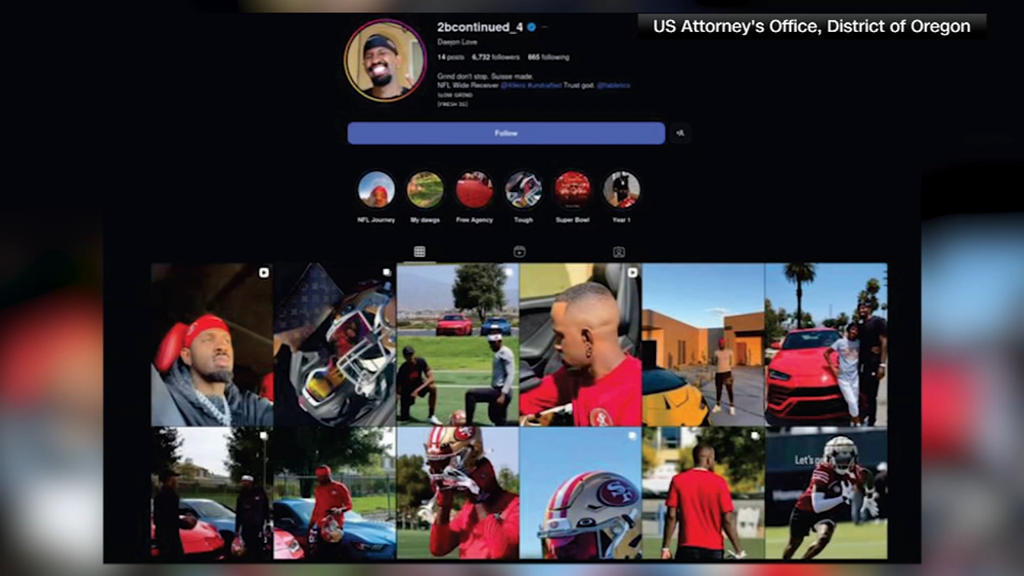
However, authorities say none of the alleged victims interviewed during the investigation reported receiving any return on their investments. Prosecutors also said that victims did not receive repayment for loans they allegedly made to Love and Chan. Instead, investigators claim that communication could suddenly end when women ran out of money to invest or began asking difficult questions about what had happened to their funds.
According to the US Attorney’s Office, Love allegedly blocked communication with women who could no longer provide money or who questioned the investment arrangements too closely. For victims, such a sudden disappearance can be devastating. In addition to losing money, individuals involved in romance scams often experience emotional trauma after discovering that a relationship they believed was genuine may have been based on deception.
The alleged losses of approximately $1.3 million show the potentially serious financial consequences of online fraud. While individual transactions may sometimes begin with relatively small amounts of money, repeated investments, loans or financial transfers can eventually result in significant losses. Victims may also be persuaded to continue providing money because they hope to recover funds already invested or because they believe another payment will finally unlock the promised returns.
Federal authorities have increasingly warned about scams that combine romantic relationships with investment fraud. These schemes can be particularly effective because they target both emotions and financial ambition. A victim may believe they are supporting a loved one while simultaneously making a smart financial decision. That combination can make it more difficult for friends, family members or even victims themselves to recognize warning signs.
The allegations against Love also highlight the importance of verifying claims made by people met online. A person’s photographs, apparent lifestyle or claimed professional connections do not necessarily prove that they are telling the truth. Images can be misleading, and social media accounts can be carefully designed to create an impression of wealth, fame or professional success.
Arrests, Federal Charges and the Search for More Victims
Daejon Love and Taylor Jamie Chan were arrested on August 24 in Boise, Idaho, according to federal authorities. The two were charged with conspiracy to commit wire fraud and wire fraud and remained in federal custody in Boise following their arrests. The charges are allegations, and the defendants are entitled to the presumption of innocence unless and until proven guilty in court.
The investigation remains significant because the FBI believes there may be additional victims beyond the 26 women currently identified by authorities. People who believe they may have interacted with Love or Chan, particularly through dating apps or alleged investment opportunities, could potentially provide investigators with additional information about the scope of the case.
Read : Who Were Ketan Swali and Sheetal, the Indian Couple Killed in the North Wales Plane Crash?
The alleged scheme reportedly operated across multiple states, including California, Idaho, Washington and Oregon. Fraud cases that cross state lines often involve electronic communication and financial transfers, which can bring them under federal investigation. Dating apps, social media platforms, online banking and digital payment systems can make it possible for an alleged fraud operation to reach victims in different locations without the accused individuals ever being physically present in the same city or state.

For the FBI and federal prosecutors, identifying every potential victim may be challenging. Some people may not immediately realize that they were allegedly targeted in the same scheme. Others may feel embarrassed about reporting financial losses connected to a romantic relationship. Law enforcement agencies frequently emphasize that victims of fraud should not be ashamed to come forward, since scammers often use sophisticated psychological tactics specifically designed to gain trust.
The allegations involving a false San Francisco 49ers identity have also made the case particularly notable. Professional athletes and celebrities often have large public followings, and their identities or images can potentially be used by scammers attempting to appear successful or influential. Authorities regularly advise people to independently verify extraordinary claims made by online acquaintances, particularly when those claims are followed by requests for money.
Warning signs can include pressure to invest quickly, promises of unusually large returns, requests to keep financial arrangements secret, repeated demands for money and explanations for why a person cannot meet or independently verify their identity. In romance-related fraud, another warning sign can be a rapid emotional escalation followed by financial discussions.
The allegations against Love represent a dramatic example of how an online relationship can allegedly be transformed into a financial scheme. Prosecutors claim that the supposed romantic relationships, professional football identity and investment opportunities were all parts of a broader effort to convince women to provide money.
As the federal case moves forward, investigators are expected to continue examining the alleged financial transactions and communications connected to the scheme. The FBI’s belief that there may be additional victims suggests that the investigation could potentially expand as more people come forward.
For now, Daejon Love faces serious federal accusations over an alleged scheme that authorities say lasted for more than four years and caused approximately $1.3 million in losses. The case has drawn attention not only because of the amount of money involved but also because of the alleged use of romance, social media, professional sports imagery and fake investment opportunities to gain the trust of victims. With Love and Chan facing federal wire fraud-related charges and investigators continuing to search for possible additional victims, the case remains an important reminder of the risks that can exist when romance and financial promises become intertwined online.
Adding the free Clean Paste AI clipboard tool to my browser bookmarks resolved my text formatting headaches.
I run imported strings through this utility to clean invisible unicode characters before rendering.
The bonuses here are actually worth it. I managed to hit a decent win last night using the welcome credit. 90jiliclublogin
Finally found a reliable link to get the app. The download was smooth and the installation didn’t take long. Definitely the best way to get megaparidownload working on my phone.
I’ve tried a few platforms lately, but this one is surprisingly smooth. The interface is intuitive and the payouts are fast. Definitely worth checking out if you want a hassle-free experience. appxs666