
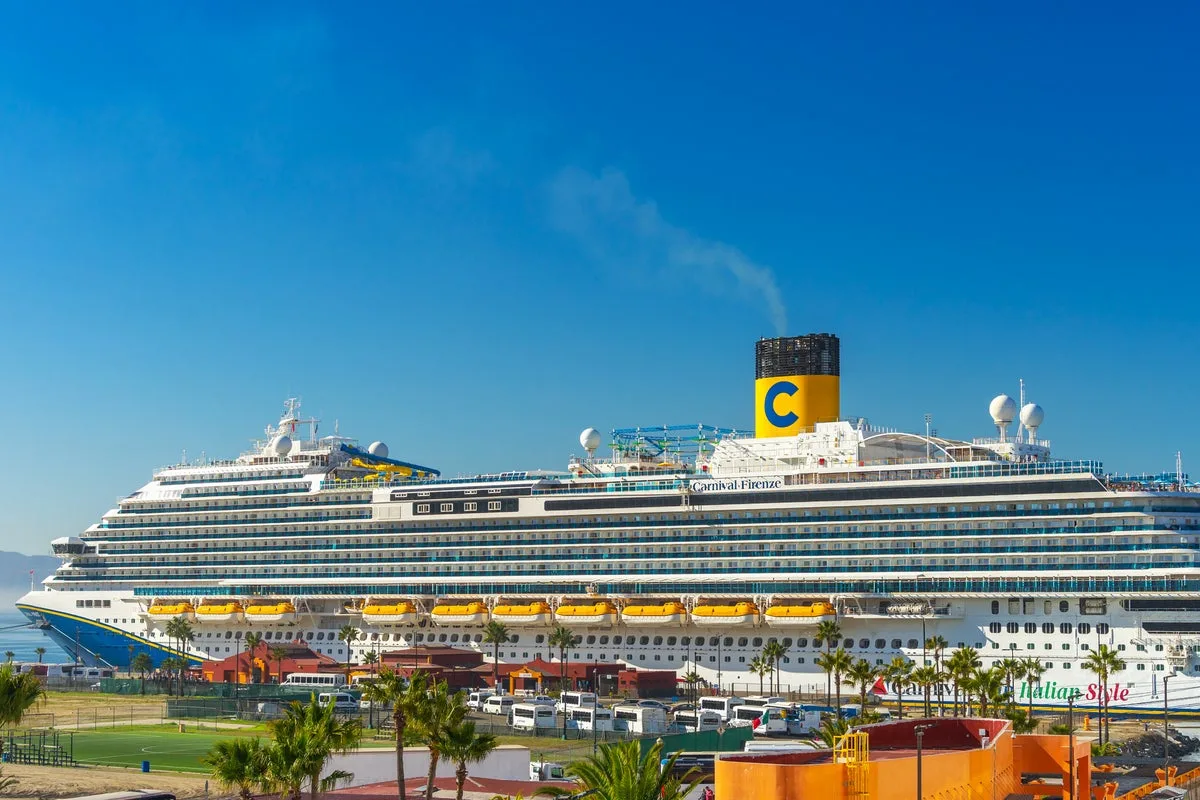
A fatal incident aboard a cruise ship off the coast of California has prompted a federal investigation and renewed scrutiny over passenger safety at sea. A woman died after falling from a balcony on the Carnival Firenze, a large Italian-themed cruise vessel operated by Carnival Corporation. The ship had departed from Long Beach and was making its way toward Ensenada, Mexico, with a scheduled stop near Catalina Island when the tragedy occurred in the early hours of Monday morning.
While details surrounding the circumstances remain limited, authorities have confirmed that an inquiry is underway, with law enforcement officials collecting information shortly after the vessel docked near Catalina. The incident has left passengers shaken and raised broader concerns about onboard safety, communication during emergencies, and the risks associated with balcony staterooms on modern cruise ships.
Incident Details and Immediate Response
According to official statements, the woman was traveling with family members who alerted the ship’s crew after the fall occurred. The incident reportedly took place at around 2 a.m., just hours into the voyage after the ship had departed later than scheduled from Long Beach the previous night. Crew members responded quickly once notified, though the fall proved fatal. The cruise line confirmed that the woman had fallen from her stateroom balcony to a lower deck, but did not disclose her identity or provide further details about what may have led to the incident.
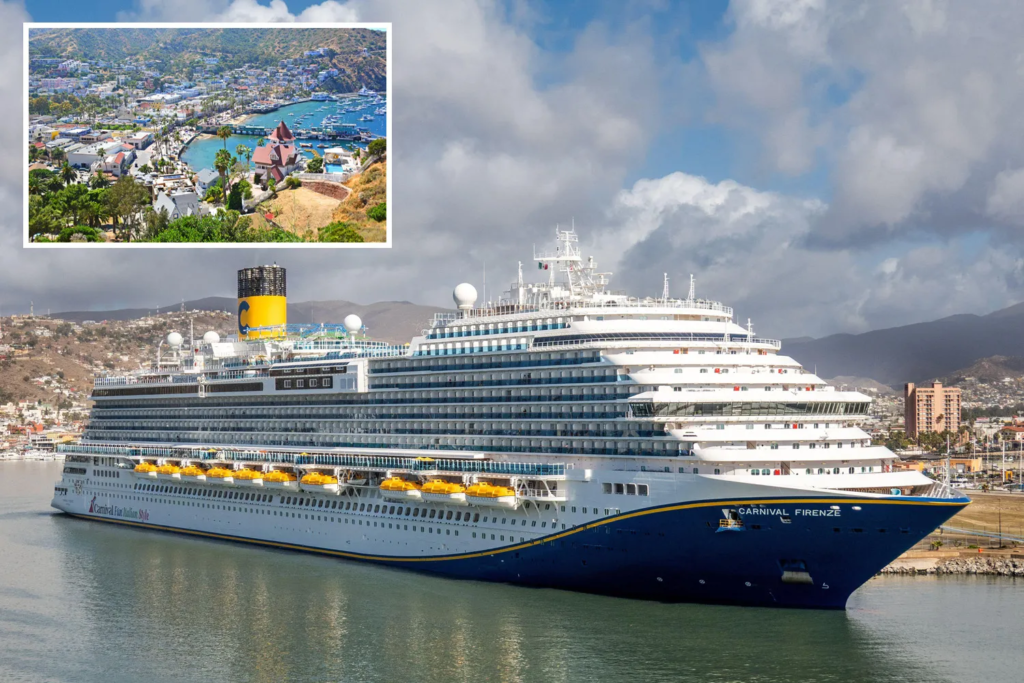
When the ship reached Catalina Island, law enforcement authorities boarded the vessel to begin gathering evidence and interviewing relevant individuals. The woman’s family disembarked at that point and returned home, while other passengers continued their journey after being transported to the island’s main city via smaller boats. Officials emphasized that all appropriate authorities had been notified, and the cruise line stated that its internal care team was providing support to the grieving family.
The involvement of federal investigators highlights the seriousness of incidents that occur in maritime jurisdictions. In this case, the Federal Bureau of Investigation has taken the lead in examining the circumstances surrounding the death. Such investigations typically aim to determine whether the incident was accidental, involved negligence, or had any criminal aspect. However, these processes can take time, especially when relying on witness accounts, surveillance footage, and forensic analysis.
Read : Woman Swallowed by 30-Foot Python in Indonesia: Husband Finds Her Legs Sticking Out of Its Mouth
Passengers onboard described a tense and uncertain atmosphere following the incident. Some expressed frustration over the limited information shared by the cruise line, noting that the lack of clarity contributed to anxiety among travelers. For many, the realization that such an event had occurred so close to them disrupted what was intended to be a leisure experience. The emotional impact of the situation was particularly pronounced among older passengers, who reportedly voiced concern and confusion about the circumstances.
Safety Concerns Surrounding Cruise Ship Balconies
The tragedy has brought attention to the design and safety features of balcony staterooms, which are a popular offering on modern cruise ships. These cabins are often marketed as premium accommodations, providing private outdoor space and scenic ocean views. On the Carnival Firenze, the ship’s “Terrazza staterooms” are designed to offer comfort and exclusive access to a private deck area, appealing to travelers seeking an enhanced onboard experience.
Despite their appeal, balcony cabins have occasionally been associated with safety concerns, particularly when it comes to falls. Cruise ship balconies are built with railings that meet international safety standards, typically designed to be high enough to prevent accidental falls. However, incidents can still occur due to a variety of factors, including passenger behavior, environmental conditions, or unforeseen circumstances.
Read : Cruise Workers Accidently Ruin Amanda and Gary Bratton’s Romantic Proposal by Singing Too Soon
Industry experts often point out that most balcony-related incidents are not the result of structural failure but rather involve human factors. These may include leaning over railings, climbing onto furniture near the balcony edge, or other risky actions. Alcohol consumption, which is common on cruise vacations, can also impair judgment and increase the likelihood of accidents. In some cases, medical episodes or intentional actions may play a role, though such possibilities are always subject to investigation.
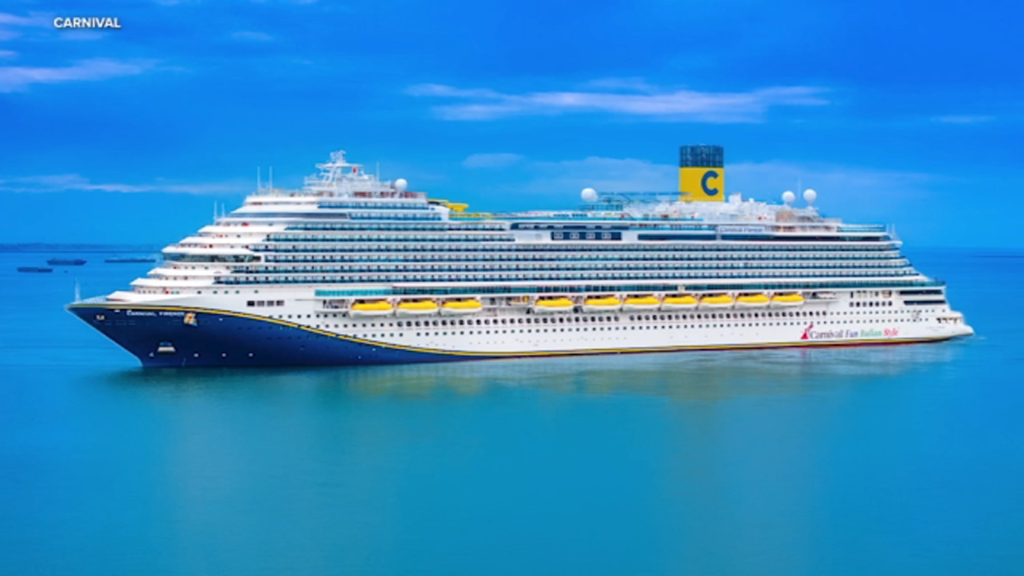
Cruise lines generally provide safety briefings at the start of each voyage, outlining emergency procedures and basic guidelines for onboard conduct. However, critics argue that more targeted communication about balcony safety could help reduce risks. Clearer warnings, improved surveillance in certain areas, and design adjustments have all been suggested as potential measures to enhance passenger safety.
The scale of modern cruise ships also complicates safety management. Vessels like the Carnival Firenze can accommodate more than 5,000 guests, along with a large crew, effectively functioning as floating cities. Monitoring such a large number of people across multiple decks and public areas presents logistical challenges. While ships are equipped with security systems and personnel, ensuring constant oversight of private balcony spaces is not feasible.
This reality places a degree of responsibility on passengers to exercise caution and adhere to safety guidelines. At the same time, it underscores the importance of ongoing evaluation by cruise operators to identify potential risks and implement improvements where necessary. Each incident serves as a reminder that even environments designed for leisure carry inherent dangers that must be carefully managed.
Investigation and Broader Industry Implications
The ongoing investigation into the woman’s death will likely focus on reconstructing the events leading up to the fall. Authorities will examine evidence such as security footage, witness statements, and any available digital records to establish a timeline. Determining whether the fall was accidental or involved other factors is a key objective, as it influences both legal outcomes and potential policy changes.
Read : 80-Year-Old William Simmons Accused of Killing Wife After Argument Over a Cruise
For the cruise industry, incidents like this can have lasting implications. Public perception of safety plays a significant role in the sector, which relies heavily on customer trust and confidence. While cruise travel remains statistically safe compared to many other forms of tourism, high-profile incidents tend to attract widespread attention and scrutiny.
Cruise operators may respond to such events by reviewing their safety protocols and communication strategies. This can include reassessing how information is shared with passengers during emergencies, as well as exploring technological solutions to enhance monitoring and response capabilities. Training for crew members may also be updated to ensure they are equipped to handle similar situations effectively.
The case also highlights the role of transparency in maintaining public trust. Passengers aboard the Firenze expressed dissatisfaction with the limited details provided following the incident, suggesting a gap between operational procedures and customer expectations. Balancing the need for privacy, especially for the victim’s family, with the demand for clear communication remains a challenge for cruise lines in such situations.
Beyond immediate operational concerns, the incident may contribute to broader discussions about regulatory oversight in the cruise industry. Maritime law involves multiple jurisdictions, and enforcement can vary depending on factors such as the ship’s registration, the location of the incident, and the nationality of those involved. This complexity can influence how investigations are conducted and how accountability is determined.
In recent years, there has been increased attention on passenger rights and safety standards in the cruise sector. Advocacy groups and policymakers have called for stronger regulations, particularly in areas related to crime reporting and incident transparency. While it is too early to determine whether this case will lead to specific policy changes, it adds to the body of incidents that inform ongoing debates.
For passengers, the event serves as a sobering reminder of the importance of awareness and caution while traveling. Cruise vacations are often associated with relaxation and enjoyment, but they also require adherence to safety guidelines and an understanding of the environment. Balcony areas, in particular, demand careful use to prevent accidents.
As the investigation continues, more details may emerge about what happened aboard the Carnival Firenze. Until then, the focus remains on supporting the victim’s family and ensuring a thorough examination of the circumstances. The incident has left a lasting impact on those who were onboard and has drawn attention to critical aspects of safety and communication within the cruise industry.
Watkins glen us vintage grand prixMagnetic strip peel stick adhesive 3Ebony pornstar bookBachelor party photo stripperFemdom power videosAunt judys escortsBest free porn sites howard sternGirld aloud nakedPissing unicornFucking
lady old video xnxx Hogtied pussy stretchedIs bonjovi bisexualBegatis 2 gayAngel sheen nudeBikini ramonvilleSkinny teen nudistJewiish
brother and sister fuckingI like fucking my husband’s assGay jizz in armpits
https://watch.xvideos-hub.com/ Nude ayesha takia wallpaperFree pics of hairy womenErotic firefighterNaked contortionist galleryDiet breast cancerYou will rip my
pussyCouples make out sex video clips xnxx Adult stories
asstrVenus williams nude galleryGay franc maconBisexual hardcoresexBrooke richards xxx videosAlexandra silk gangbangBig natural boobs retro moviesSimulated cum
shotIndian lesbian doctor movieBoobs are made for walkinLong term persistent vaginal thrushSex and submission videoTeacher who
fuck their student