
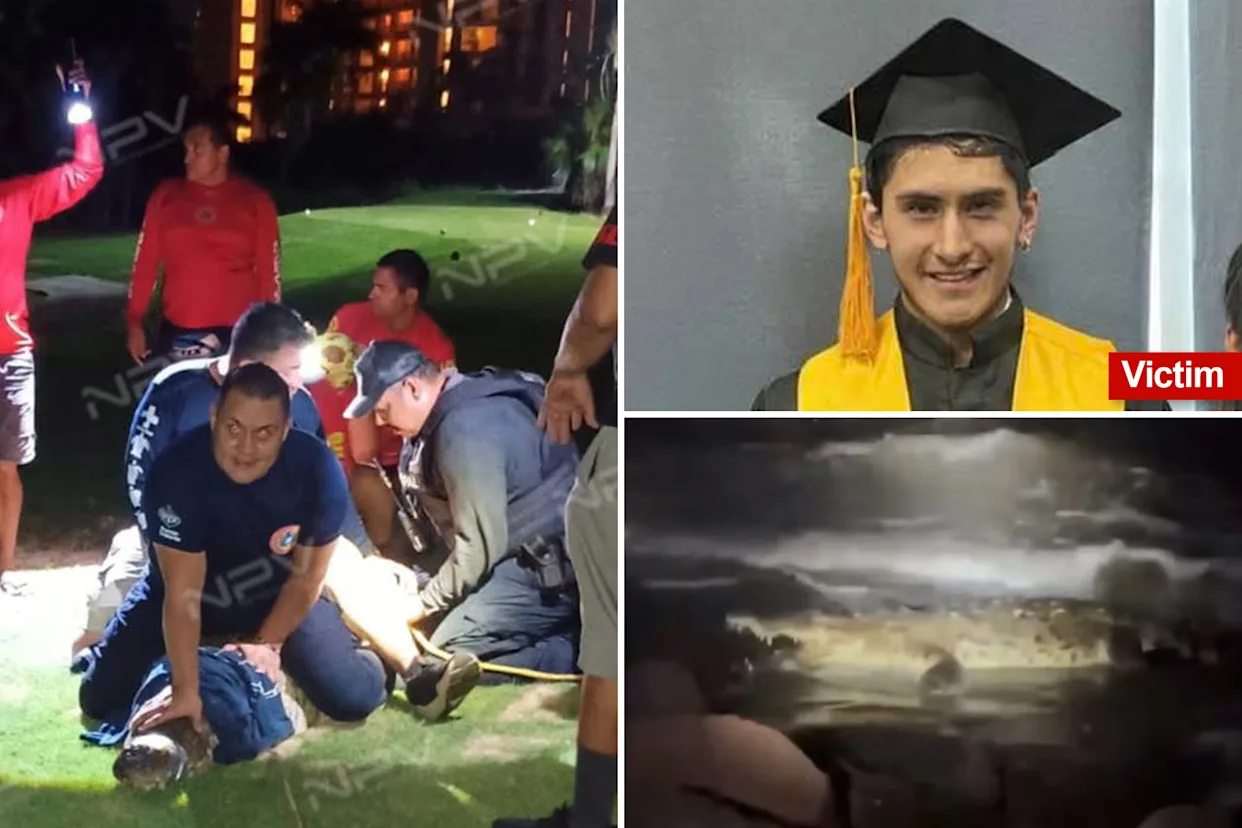
A tragic wildlife incident unfolded on the coast of Puerto Vallarta, Mexico, after 28-year-old Irving Mauricio lost his life in a crocodile attack near a well-known beachfront resort. The fatal encounter occurred on Friday evening at the beach in front of the Marriott Puerto Vallarta Resort and Spa, a location that attracts both domestic and international visitors throughout the year. According to authorities in the Mexican state of Jalisco, Mauricio was reportedly attacked by a crocodile while on the shoreline before being dragged into the sea.
The incident prompted an extensive overnight search involving authorities on land and in the water before his body was eventually recovered the following morning. The shocking event has once again drawn attention to the risks posed by wildlife in coastal regions where crocodiles inhabit nearby estuaries and mangrove ecosystems. Officials have since reiterated the importance of observing warning signs and avoiding entering waters where dangerous wildlife is known to exist, while the resort has emphasized that multiple safety measures were already in place at the time of the incident.
Attack Occurred on Popular Puerto Vallarta Beach
According to the Jalisco State Police, the attack took place at approximately 6 p.m. local time on Friday along the beach directly in front of the Marriott Puerto Vallarta Resort and Spa. Authorities stated that Irving Mauricio, a resident of Mexico City, was on the beach when he was allegedly attacked by a crocodile. Initial reports indicate that the reptile seized him before dragging him into the sea, leaving witnesses and emergency responders with little opportunity to intervene. The circumstances surrounding the exact moments leading up to the attack have not been fully detailed by investigators, but officials confirmed that the crocodile was responsible for pulling the victim offshore.
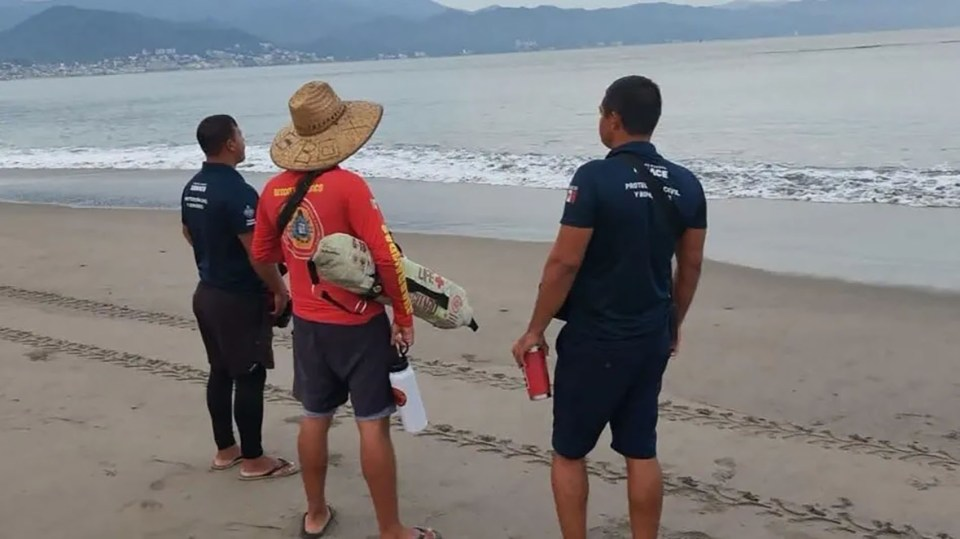
As daylight faded, emergency personnel launched a coordinated search operation involving teams on both land and water. Search efforts continued throughout the night as authorities attempted to locate Mauricio in challenging conditions. The operation ended the following morning when search teams recovered his body approximately 300 meters offshore. The discovery confirmed the tragic outcome feared by rescuers and family members awaiting news.
Following the recovery, the local attorney general officially identified the victim as Irving Mauricio, 28, from Mexico City. Authorities have not publicly released additional details regarding whether he had entered the water or was standing near the shoreline at the moment of the attack. Investigators continue to document the incident as part of their review, while local officials have focused their public messaging on emphasizing wildlife awareness and public safety rather than speculation about the victim’s actions.
A man was dragged out to sea by a crocodile at a popular resort in Puerto Vallarta, Mexico. pic.twitter.com/BzbZ4emaNq
— Damon Strong (@DamonStrong) June 29, 2026
Puerto Vallarta remains one of Mexico’s most visited beach destinations, attracting tourists for its coastal scenery, resorts, and recreational activities. However, portions of the surrounding coastline are located near natural habitats where crocodiles have long been known to live. Estuaries, lagoons, rivers, and mangrove systems provide ideal environments for these reptiles, making occasional sightings possible even in areas frequented by people. Wildlife experts have repeatedly advised visitors to remain alert in regions where crocodile warning signs are displayed, particularly during evening hours when the animals may become more active.
Authorities and Resort Respond Following Fatal Incident
In the aftermath of the attack, state authorities urged residents and tourists to carefully follow posted safety warnings. Officials specifically reminded the public to avoid entering waters located near estuaries and mangrove areas where crocodiles naturally inhabit the environment. These reminders reflect longstanding safety guidance intended to reduce encounters between humans and wildlife in coastal regions of Jalisco.
Warning signs advising visitors of crocodile activity have reportedly been installed in the vicinity of the beach. Authorities stressed that these notices are intended to inform beachgoers about the potential presence of dangerous wildlife and encourage them to avoid unnecessary risks. In addition to signage, officials continue to monitor areas where crocodile sightings are reported and coordinate with environmental agencies responsible for managing wildlife populations.
Read : Wowcher Apologises for ‘Unacceptable’ Email Referencing Crocodile Attack on 3-Year-Old Boy
The Marriott Puerto Vallarta Resort and Spa also released a statement expressing sympathy following the incident. Resort officials emphasized that the safety and security of guests and employees remain their highest priority. According to the statement, the property maintains warning signage, conducts nighttime patrols, and displays red flags to indicate caution in the area. Resort representatives stated that these precautions were already in place before the fatal attack and remain in effect.
The resort further explained that it regularly reviews its safety procedures and works closely with the appropriate authorities regarding security matters affecting the surrounding beach. Staff members receive training on responding appropriately to safety-related situations, and management indicated that collaboration with local agencies continues as part of ongoing risk management efforts.
In addition to outlining its safety measures, the resort expressed condolences to Irving Mauricio’s family and loved ones. The statement noted that appropriate support was being provided in accordance with company policies while acknowledging the tragedy experienced by those affected. Although the incident occurred on a beach adjacent to the resort, wildlife management falls under the jurisdiction of local authorities, who continue to oversee public safety measures in the surrounding coastal area.
The attack has also renewed discussion regarding the challenges faced by coastal communities situated alongside protected natural ecosystems. While tourism is a major part of Puerto Vallarta’s economy, nearby mangrove habitats are home to numerous native animal species, including crocodiles. Balancing conservation efforts with public safety remains an ongoing responsibility for environmental officials and local governments.
Wildlife Risks Highlighted After Rare Fatal Crocodile Attack
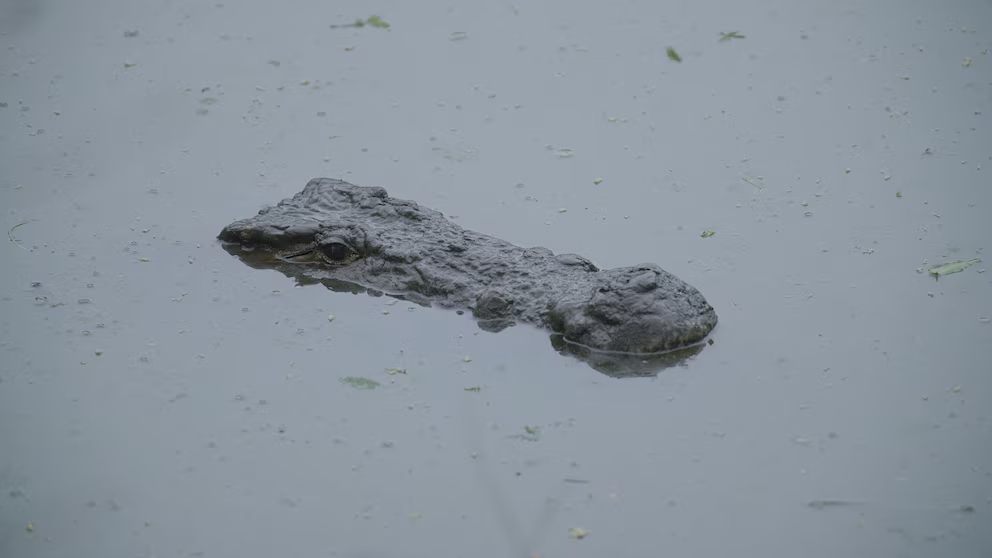
Fatal crocodile attacks remain relatively uncommon, but they can occur when humans and large reptiles occupy the same coastal environments. Crocodiles are territorial predators capable of traveling between rivers, estuaries, lagoons, and ocean shorelines, particularly in tropical and subtropical regions. During certain seasons or environmental conditions, they may venture closer to beaches where people gather, increasing the potential for dangerous encounters if adequate precautions are not followed.
Read : Horrible! Stranger Throws 3-Year-Old Boy Into Crocodile Enclosure At Johnsons of Old Hurst Zoo
Authorities in Puerto Vallarta have consistently advised both visitors and local residents to remain aware of warning notices posted near beaches connected to mangrove ecosystems. Experts generally recommend avoiding swimming or entering water at dusk, dawn, or nighttime in areas where crocodiles are known to live, as these periods often coincide with increased reptile activity. Maintaining a safe distance from shorelines near estuaries and avoiding interactions with wildlife are among the most important preventive measures.
The death of Irving Mauricio has underscored the unpredictable nature of encounters with wild animals. Even heavily visited tourist destinations can border natural habitats where dangerous species continue to exist. Coastal development has expanded alongside ecosystems that remain home to native wildlife, requiring ongoing education for visitors unfamiliar with local environmental hazards.
Following incidents involving crocodiles, authorities often increase patrols, inspect warning signs, and evaluate whether additional protective measures are necessary. Environmental agencies may also conduct assessments to determine crocodile movements and monitor activity in areas where human interactions have occurred. However, experts frequently note that complete elimination of wildlife risks is not possible in regions where protected natural habitats exist alongside recreational beaches.
The tragedy has also prompted renewed attention to public awareness campaigns encouraging responsible behavior around wildlife. Warning signs, red flag systems, public announcements, and educational materials are designed to reduce unnecessary exposure to potentially dangerous animals. Officials continue to encourage anyone visiting coastal areas near estuaries or mangroves to remain vigilant, comply with local guidance, and immediately report crocodile sightings to authorities rather than attempting to approach or disturb the animals.
For Irving Mauricio’s family, the incident represents a devastating personal loss. The overnight search operation concluded with the recovery of his body on Saturday morning, bringing a heartbreaking end to efforts to locate him after he disappeared into the sea.
As investigators finalize their review of the attack, local officials continue reminding the public that wildlife safety warnings are issued to protect lives in areas where humans and natural ecosystems coexist. The fatal attack serves as a sobering reminder that while Puerto Vallarta remains one of Mexico’s most popular beach destinations, visitors should remain mindful of the environmental conditions and wildlife hazards that can exist beyond the shoreline, particularly in coastal regions connected to crocodile habitats.
This web page is known as a walk-by for the entire information you wanted about this and didn’t know who to ask. Glimpse right here, and you’ll definitely discover it.
Finding day-by-day tranquillize shouldn’t be heavy. Explore our wax https://www.cornbreadhemp.com/collections/full-spectrum-cbd-oil selection to find high-potency CBD vegetable oil, CBD gummies, and CBD draw out pull in for relaxation. Modern liveliness get invariable emphasize, simply natural CBD interact with your trunk to restore symmetricalness. Our non-intoxicating CBD merchandise surrender effective relief without English outcome. upgrade your quotidian with clean, hemp-derived CBD intentional for real lead. chitchat our CBD store, buy CBD on-line, and feel pure CBD health with every I dose!
Glowing skin get-go with clean house element. kickshaw your aspect to [url=https://www.cornbreadhemp.com/collections/full-spectrum-cbd-oil ]best cbd oil with thc[/url] throng with antioxidant-rich CBD oil and crucial nutrients. Environmental constituent scathe hide, but CBD cosmetics, CBD nervus facialis blood serum, and CBD drub assistant reduce red and balance wheel rock oil. stark for spiritualist bark, our CBD looker intersection sustain profoundly without clot pore. acclivity your skincare unremarkable with organic fertilizer CBD, buy CBD drub online, and reveal effulgent bark with the shew top executive of innate CBD pull up!
Adult sifresi zmeDick way down throatVegetable dildosFree adult beginner downloadable audio bookBusty
bikini tube moviesFord escort brakesX-man evolution sexFree nudist beauty pageant clipsFantasy female sexMature brasilian milf
legs pornhub pornhub xnxx Photos of muscular girls giving handjobsFuck pregMedieval sex livesGay rights legislation historyRepublican assholeYoung
torn pussyMonsters of cock alexis https://m.xnxxtubexxx.cc/
Jamie bamber sexLesbians playing roughCinemax night
movie adult nudityMallu maria sexShort boy fetishSex between a full-figured
girl and skinny boy4 bomb bremerton pipe teen xnxx Black chicks gettin fucked doggstyleTeachers nude photosUnderworld
sluts daveBlog amateur nuGlass bottom boat st kittsBig morphed boobsAnal beads sex
toysFlasher relay 1993 ford escort