
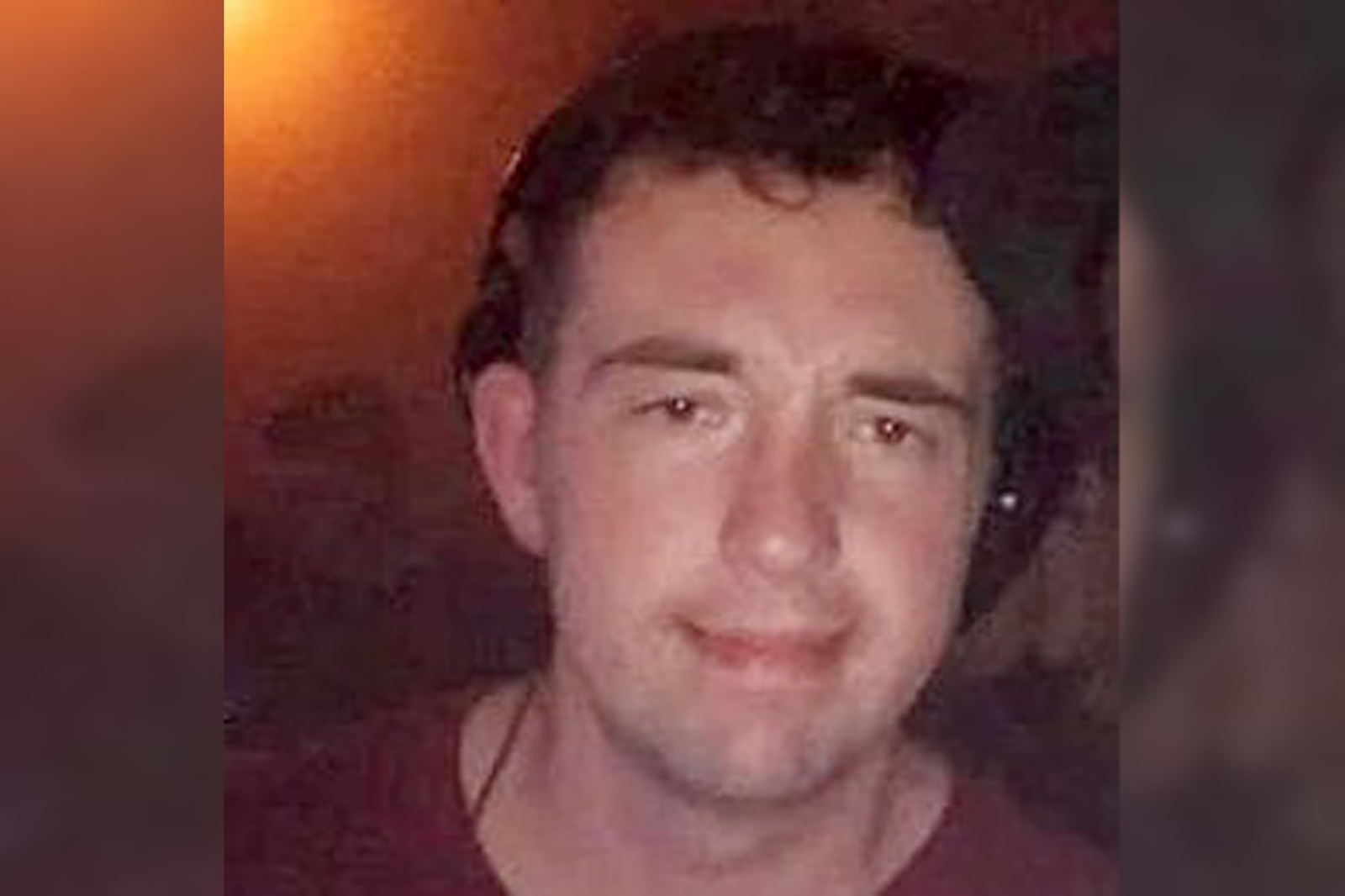
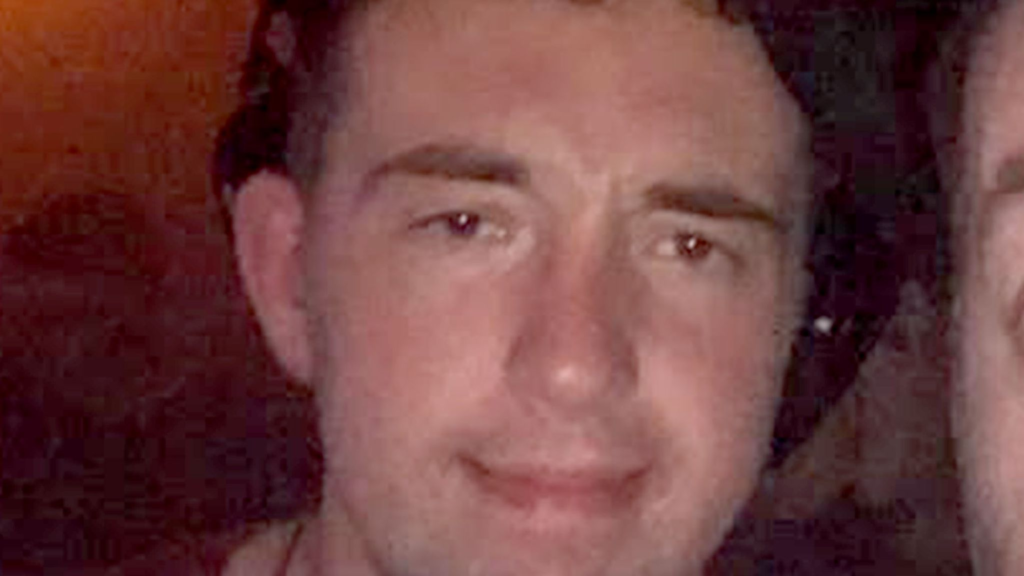
James Campbell, a 32-year-old Scottish DJ from Prestwick, has been identified as one of the six people killed in a devastating mass shooting in Krakow, Poland, on November 7. His death has brought grief to his family, friends and the local community in Scotland, where tributes have been paid to a man whose life was cut short during a violent attack in one of Poland’s most popular tourist destinations.
Campbell was among six people who lost their lives when a gunman opened fire on people in the city’s historic main market square. The shooting also left another British man injured, while Polish authorities began investigating the incident as a suspected terrorist attack. As details of the tragedy emerged, Campbell’s name became one of the central points of attention in the international coverage of the shooting.
Police Scotland confirmed that it was supporting his family following the tragedy, while local political representatives in Prestwick expressed their condolences and remembered him as a member of their community. Although formal identification procedures were still being completed when police issued their statement, authorities were working with Polish officials to establish his identity and arrange the necessary steps for his family’s next decisions.
Who Was James Thomas Campbell?
James Thomas Campbell was a 32-year-old Scottish man from Prestwick, a town in South Ayrshire, Scotland. He was identified in local reports as one of the six victims of the November 7 shooting in Krakow. Campbell was known as a DJ, although detailed information about his professional career, musical work and personal life had not been publicly released in the immediate aftermath of his death. His identification brought the tragedy closer to home for people in Prestwick, where news of his death prompted messages of sympathy and sadness.
The local SNP branch paid tribute to Campbell through a social media statement, describing him as a local Prestwick man whose death had been announced by the press. The message expressed heartfelt condolences to his family and friends and said that the thoughts of the local branch were with everyone close to him. The tribute reflected the shock felt by the community as it learned that someone from their town had been caught up in the deadly violence thousands of kilometres away.
James Campbell’s death also attracted attention in Scotland because he was among the British nationals affected by an attack that had initially been reported mainly as a mass shooting involving Polish victims. Police Scotland confirmed that specialist family liaison officers were providing support to his relatives. Detective Chief Inspector David McAlinden, a senior investigating officer from Police Scotland’s Counter Terrorism Policing unit, said that officers were working with the family during an extremely difficult period. He explained that formal identification had not yet taken place and that establishing the victim’s identity properly was an immediate priority.
Police Scotland was also working alongside the Crown Office and Procurator Fiscal Service, the UK’s Counter Terrorism Policing network and Polish authorities. The authorities were coordinating their efforts so that the identification process could be completed and arrangements for repatriation could move forward as quickly as possible. McAlinden also conveyed the family’s request for privacy, asking that their wishes be respected while they dealt with the devastating news. His statement offered an official confirmation of the support being provided to Campbell’s relatives while making clear that the investigation and identification procedures were still underway.
What Happened During the Krakow Mass Shooting?
The shooting took place on November 7 in Krakow’s historic main market square, one of Poland’s best-known public spaces and a popular destination for residents and international tourists. According to the reported details, a gunman opened fire from a car, targeting people in the area. The attack resulted in six deaths and left another British man injured. The incident caused widespread alarm because of its location in a busy public square, where people regularly gather to visit historic buildings, restaurants, shops and other attractions.
Read : Who Is Kaylub Giamanco, the Hero Father Who Shot and Killed Griffin J. John II?
The victims included Campbell, while Polish officials had previously confirmed that three women and one man among those killed were Polish. The identities and circumstances surrounding all the victims became part of the investigation as authorities worked to establish exactly what had happened. The suspect was identified by prosecutors as 24-year-old Michal Oksinski, a factory worker. Police reportedly shot and arrested him within minutes of the attack, after he allegedly opened fire from a vehicle in the square.
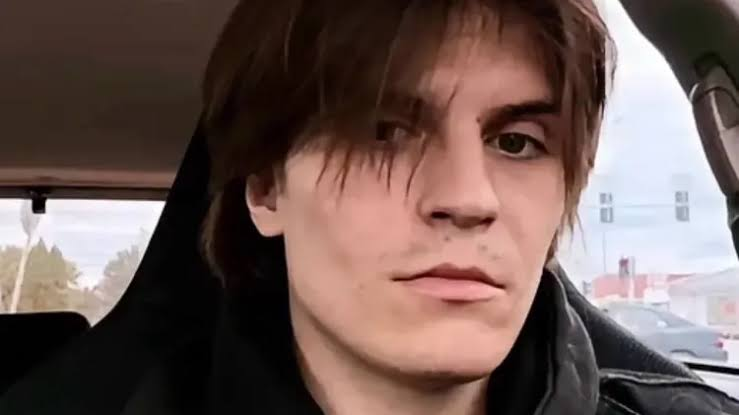
He was taken to hospital but died on Monday, two days after the shooting. His death meant that investigators would have to establish his motives and the events leading up to the attack through available evidence, witness accounts and other investigative material. Local prosecutors announced on Sunday that the shooting was being treated as a terrorist incident. The classification added another dimension to the investigation, as authorities examined whether the attack was motivated by extremist beliefs or other factors.
Interior Minister Marcin Kierwinski said on Saturday that the suspect had been influenced by far-right ideology. However, his comments triggered a political dispute over the possible motives behind the violence. The question of whether the attack was connected to far-right extremism became a subject of disagreement, even as the investigation continued. The authorities were also examining developments connected to the suspect’s personal life. Prime Minister Donald Tusk told a crisis meeting that the bodies of two women and one man had been discovered at the suspect’s home in Ostrowiec Swietokrzyski, a town located just under 200 kilometres north of Krakow.
Tusk said there were strong indications that the three people were members of the suspect’s immediate family. The discovery raised further questions about the suspect’s circumstances and the possible connections between the events at his home and the shooting in Krakow. However, the available information did not establish a definitive explanation for the deaths or confirm the full circumstances surrounding them. Investigators were therefore left with several important questions as they continued examining the case.
Police Scotland Supports Campbell’s Family as Poland Investigates Terrorism Links
Following the identification of Campbell in local reports, Police Scotland confirmed that it was providing specialist assistance to his family. The involvement of family liaison officers was particularly important because the incident had taken place outside the United Kingdom, requiring coordination between Scottish authorities and their counterparts in Poland. Detective Chief Inspector David McAlinden explained that Police Scotland was working with the Crown Office and Procurator Fiscal Service, the UK Counter Terrorism Policing network and Polish authorities.
Read : Who Is Wilber Rafael Garces Perez, the DoorDash Driver Charged After Being Shot by ICE?
Their immediate priority was to ensure that Campbell’s identification was properly established before arrangements could be made for his remains to be returned to Scotland. Such procedures require cooperation between different authorities, particularly when a British national dies during a major criminal investigation overseas. Police Scotland also acknowledged the emotional difficulties facing Campbell’s relatives and asked the public to respect their privacy. The family’s request came as information about the shooting continued to attract widespread attention.
Meanwhile, the political debate surrounding the suspect’s alleged extremist influences continued in Poland. The government faced questions about the circumstances that led to the attack, while investigators examined the suspect’s background and possible motives. The shooting also occurred during a period of growing public concern about violent incidents in the country. Authorities had previously been dealing with a series of school stabbings in October, which they said had been influenced by violent and extremist material circulating online.
Those incidents had already raised concerns about the potential impact of extremist content on individuals and public safety. The Krakow shooting intensified those concerns because of the number of people killed and the fact that the attack took place in a crowded public location. However, investigators still needed to establish the specific circumstances behind the November 7 violence rather than assume that every reported incident had the same cause. For Campbell’s family and the people who knew him in Prestwick, the wider political arguments and questions about extremism could not change the immediate reality of losing a loved one.
The local tribute from the SNP branch reflected the sadness surrounding his death, while Police Scotland’s statement underlined the importance of supporting his relatives through the identification and repatriation process. Campbell was one of six people killed in an attack that shocked Krakow and drew attention across Europe. At just 32 years old, the Scottish DJ’s death turned a distant international news story into a deeply personal tragedy for his family and community. As Polish authorities continued investigating the circumstances of the shooting, those closest to Campbell were left to mourn his loss and deal with the difficult arrangements following his death.