
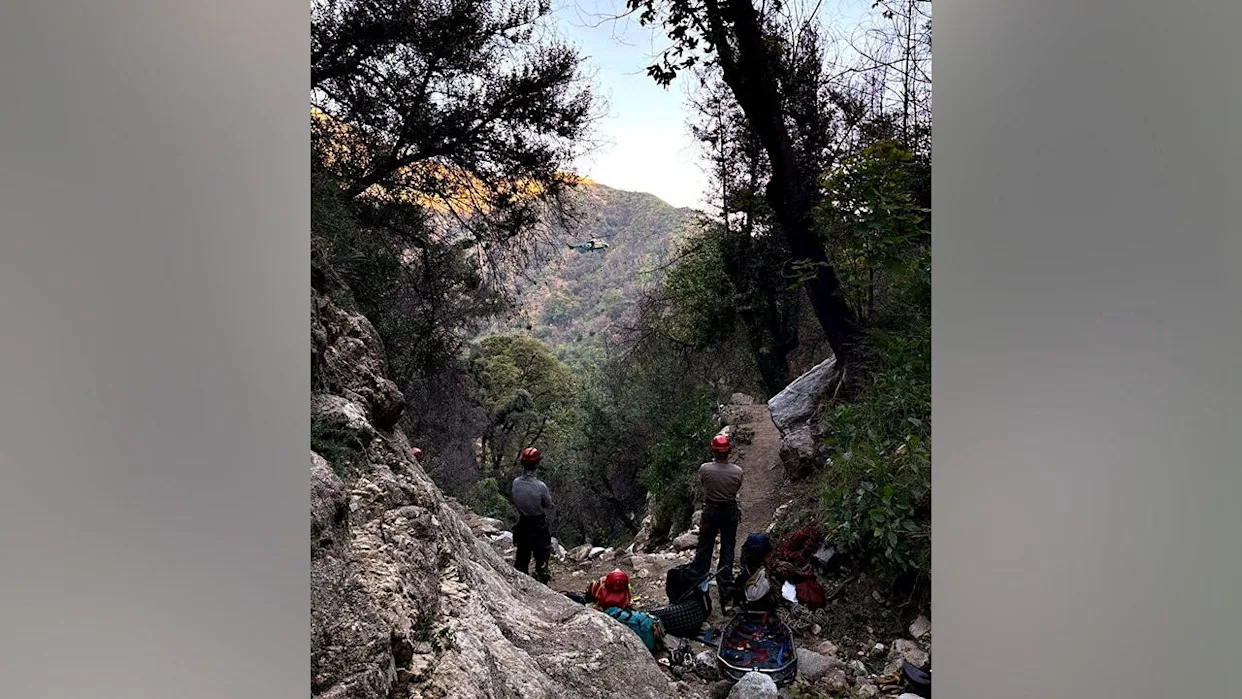
A tragic hiking incident in Southern California has drawn renewed attention to both the risks and responsibilities associated with outdoor recreation. A 66-year-old man, identified as John McIntyre, lost his life after falling from a steep section of the Mt. Wilson Trail in Sierra Madre. The incident occurred on the afternoon of May 2, 2026, prompting an emergency response from local authorities and search and rescue teams.
While officials confirmed the fatal outcome and the identity of the victim, the circumstances surrounding the fall remain limited. Despite the severity of the incident, hiking experts and local authorities maintain that the trail itself is considered safe when approached with appropriate caution, preparation, and adherence to established safety practices.
Details of the Incident and Emergency Response
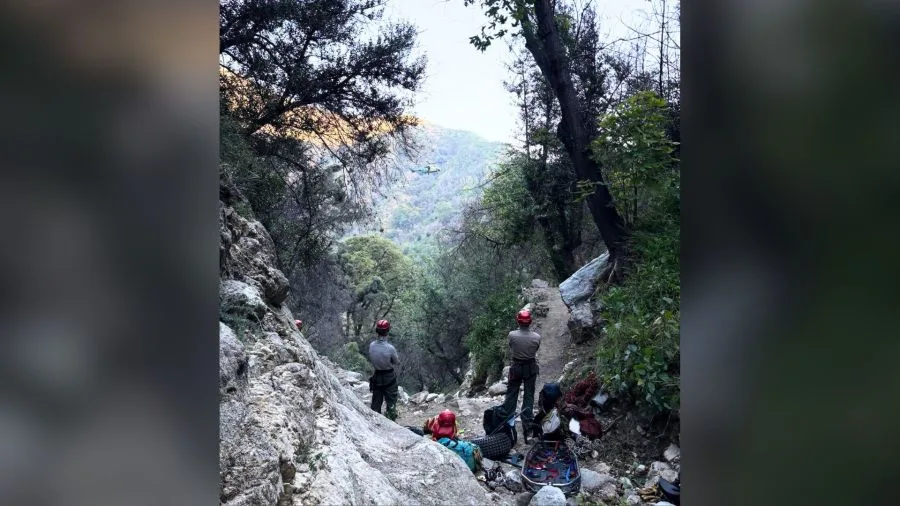
According to reports from local law enforcement, the fall was reported at approximately 2 p.m. on Saturday. Emergency responders were quickly dispatched to the scene, where it was determined that John McIntyre had fallen into a ravine below a section of the trail known for its challenging terrain. This portion of the trail includes a fixed rope designed to assist hikers navigating a steep and narrow path, indicating the presence of elevated risk in that specific area.
Search and rescue teams faced significant challenges accessing the location due to the rugged landscape. The victim was found approximately 30 feet below the trail, requiring specialized efforts to reach him. Medical personnel were deployed to the site in an attempt to provide immediate assistance, but despite these efforts, the hiker was pronounced dead at the scene. Authorities later confirmed that the cause of death was blunt force injuries sustained during the fall.
The trail was temporarily closed following the incident to allow emergency crews to conduct recovery operations safely. This closure also ensured that no additional hikers were exposed to potential hazards during the response effort. By early Sunday morning, officials announced that the trail had been reopened to the public, signaling the completion of recovery and safety assessments in the area.
Understanding the Risks of the Mt. Wilson Trail
The Mt. Wilson Trail is a well-known hiking route in the region, popular among outdoor enthusiasts for its scenic views and physical challenge. However, it is not considered an easy trail. Certain sections, including the area where the incident occurred, feature steep drop-offs, narrow pathways, and uneven terrain. The presence of a fixed rope in one segment highlights the technical nature of parts of the route, which can require careful footing and physical stability.
Read : Eric Chiu Captures Terrifying Moment Bear Charges Hiker on Mount Wilson Trail
Experts emphasize that while the trail includes difficult sections, it is not inherently unsafe. Instead, it demands a level of preparedness that aligns with its conditions. Hikers unfamiliar with such terrain may underestimate the difficulty, especially if they are accustomed to less demanding trails. Slips and falls are among the most common risks in mountainous environments, often occurring when hikers lose balance, misstep, or attempt to navigate terrain beyond their comfort level.
Read : Gassy Cows and Pigs Will Face Carbon Tax in Denmark from 2030
Environmental factors can also play a role. Loose gravel, shifting rocks, and changes in weather conditions can increase the likelihood of accidents. Even experienced hikers must remain vigilant, as a momentary lapse in attention can lead to serious consequences. The fixed rope section, while intended as a safety aid, requires proper use and caution. Misuse or overconfidence in such features can sometimes contribute to accidents rather than prevent them.
Safety Guidelines and Expert Recommendations
In the wake of incidents like this, safety experts often reiterate key guidelines that can significantly reduce risk during hikes. One of the most important factors is preparation. Hikers are advised to research trails in advance, understanding both the difficulty level and specific hazards associated with the route. Knowing what to expect allows individuals to make informed decisions about whether a trail matches their physical ability and experience.
Proper footwear is essential, particularly on trails with uneven or rocky terrain. Shoes with good grip and ankle support can help prevent slips and improve stability. In addition, hikers should carry basic safety gear, including water, a map or navigation device, and a fully charged phone for emergencies. Trekking poles can also provide additional balance on steep or narrow sections.
Situational awareness is another critical aspect of hiking safety. Staying focused on the trail, especially in high-risk areas, can prevent missteps. Hikers should avoid distractions and take their time when navigating challenging sections. Rushing through difficult terrain often increases the likelihood of accidents. Experts also recommend hiking with a companion whenever possible. Having another person present can be crucial in the event of an emergency, allowing for quicker response and assistance.
For those who choose to hike alone, informing someone about their planned route and expected return time is strongly advised. Physical readiness should not be overlooked. Trails like Mt. Wilson require endurance and strength, particularly when dealing with elevation changes and steep inclines. Attempting such hikes without adequate conditioning can lead to fatigue, which in turn increases the risk of falls and other accidents.
Finally, respecting trail warnings and signage is essential. Features like fixed ropes are installed to assist hikers, but they also serve as indicators of potentially hazardous sections. Exercising caution in these areas and following recommended practices can make a significant difference in safety outcomes.
The death of John McIntyre serves as a somber reminder of the unpredictable nature of outdoor environments. While hiking remains a widely enjoyed and generally safe activity, it carries inherent risks that must be acknowledged and managed. By understanding the terrain, preparing adequately, and following expert guidance, hikers can continue to explore such trails while minimizing danger.