
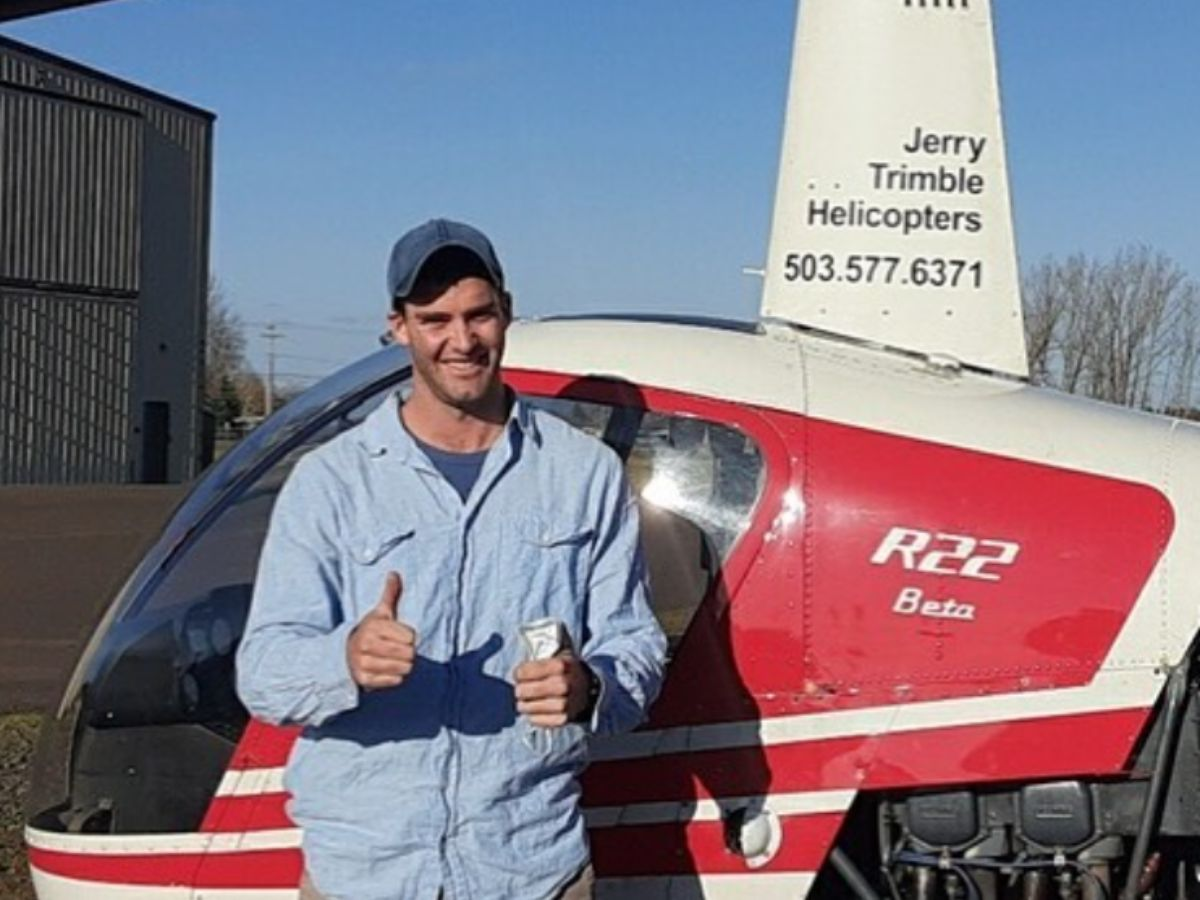
Josh Outram was identified in local reports as the pilot of the helicopter that crashed near Mount Ololokwe in Kenya’s Samburu County on Wednesday, August 19, killing all seven people aboard. The crash involved a Eurocopter EC130 B4 operated by Lady Lori Helicopters and chartered by luxury safari company &Beyond. Among those killed were Ecuador’s intelligence chief Michele Sensi-Contugi, his wife Stephany Hollihan, Telemundo executive Jose Alberto Suarez, Miami food entrepreneur Roger Duarte and several other American citizens.
Outram, who was reportedly at the controls, also died in the accident. While his identity as the pilot had not been independently confirmed by major international news agencies at the time of reporting, local reports and information associated with his aviation company identified him as the pilot. His death has brought attention to a career that was closely connected with Kenya’s remote wilderness, helicopter tourism and wildlife conservation.
Who Was Josh Outram and How Did He Become a Pilot?
Josh Outram was described as a fourth-generation Kenyan whose interest in aviation began at an early age and eventually became the foundation of his professional life. According to his company biography, flying was more than simply a profession for Outram. It became a way for him to explore and work in some of the most remote parts of Kenya, particularly regions where rugged terrain and limited road access make helicopters an important means of transportation. He reportedly spent more than 15 years flying in Kenya, gaining experience in both commercial aviation and conservation-related aerial operations. His career was therefore closely connected to the country’s wildlife areas, safari industry and remote northern landscapes.
Outram’s experience was not limited to carrying tourists from one destination to another. His aviation background included operations connected with wildlife conservation, aerial monitoring and other activities carried out in difficult-to-access areas. A report from the Tsavo Trust previously listed Josh Outram as a pilot involved in the organisation’s aerial operations. His work in conservation gave him experience operating in environments where helicopters can be used for wildlife observation, monitoring and other activities that require access to areas far from conventional roads and infrastructure. This combination of aviation knowledge and familiarity with Kenya’s wilderness became an important part of his professional identity.
His career eventually led him to establish Africa Heli Adventures, a company focused on helicopter safaris and aerial experiences in northern Kenya and other parts of East Africa. The company lists Outram as its founder, director and pilot and describes its work as providing access to remote destinations that can be difficult or impossible to reach through conventional tourism. Its operations have included helicopter trips around areas such as Loisaba, the Suguta Valley and Lake Turkana. These are landscapes known for their dramatic scenery, isolated communities, wildlife and challenging terrain, making helicopter travel particularly useful for visitors seeking destinations beyond traditional safari routes.
Outram also spoke about the attraction of helicopter tourism in northern Kenya. In a 2025 interview with Elewana Collection, he explained that helicopters could provide access to parts of Kenya that were otherwise inaccessible and allow visitors to see the country’s landscape from a completely different perspective. His work reflected that philosophy, combining aviation with tourism while maintaining a strong connection to conservation. Rather than simply treating the helicopter as a means of transportation, his career was built around using aviation to connect people with remote parts of Kenya and the natural environment.
Africa Heli Adventures also says it provides aerial support to Loisaba Conservancy and neighbouring conservancies. These operations include wildlife monitoring, animal translocations and activities associated with treating or collaring animals. The company has also highlighted conservation projects involving tree planting in drier areas of northern Kenya and support for the Reteti Elephant Sanctuary. Outram reportedly regarded the elephant sanctuary as a cause particularly close to his heart. His involvement in these projects shows how closely his professional flying was linked to conservation work rather than being restricted to luxury tourism.
For more than a decade, this combination of aviation, conservation and tourism placed Outram in an environment that required considerable knowledge of Kenya’s geography. Northern Kenya contains vast areas of rugged terrain, wildlife conservancies and isolated safari destinations. Pilots operating in such areas can face conditions that differ considerably from conventional urban or commercial aviation environments. Outram’s long experience in Kenya’s wilderness was therefore an important part of the career for which he became known.
What Happened in the Samburu Helicopter Crash Near Mount Ololokwe?
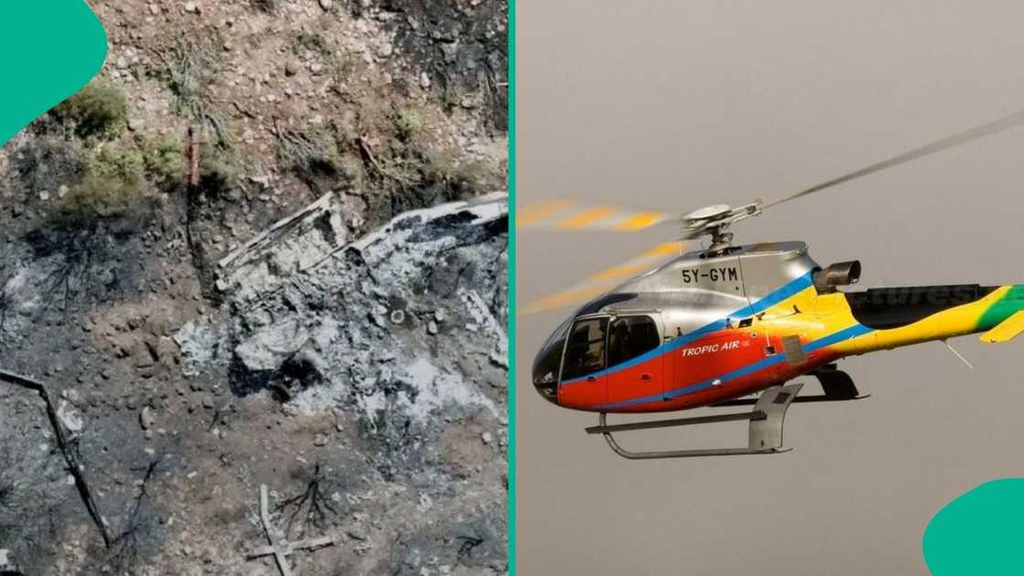
The helicopter crash occurred in Samburu County near Mount Ololokwe, one of northern Kenya’s prominent natural landmarks and a destination associated with wildlife and safari tourism. According to information released by aviation authorities, the aircraft was a Eurocopter EC130 B4 registered as 5Y-GYM. It crashed at approximately 9:13 a.m. while travelling in the Samburu region. Initial information indicated that the helicopter had been travelling from Loisaba Conservancy toward the Ewaso Nyiro area when the accident occurred.
The aircraft was operated by Lady Lori Helicopters and had been chartered by luxury safari company &Beyond. The passengers were connected with an &Beyond safari experience in the region. Mount Ololokwe and the surrounding Samburu landscape are located in an area where access can be challenging because of the remote terrain. The crash therefore occurred far from the type of heavily developed urban environment where emergency services can reach an accident site quickly. The difficult conditions became an important factor during the subsequent recovery operation.
All seven people aboard the helicopter were killed. Five of the victims were identified as American citizens by the United States State Department, while the passenger list also included Ecuador’s intelligence chief Michele Sensi-Contugi and his wife Stephany Hollihan. Sensi-Contugi was the director general of Ecuador’s National Intelligence Centre and had been appointed to the country’s strategic intelligence leadership in 2024. Hollihan was identified as a fashion designer and was travelling with her husband when the helicopter went down.
Read : Who Was Jose Alberto Suarez, the Telemundo Executive Killed in Kenya Helicopter Crash?
Among the other victims was Jose Alberto Suarez, a senior Telemundo executive who had spent around two decades working in television and NBCUniversal-related operations. Suarez had served as president and general manager of Telemundo stations in Orlando, Tampa and Fort Myers-Naples and had previously held leadership roles involving television stations in several other American cities. His death was confirmed by NBCUniversal, which described him as a respected leader, mentor and colleague.
Roger Duarte, a 42-year-old Miami food entrepreneur, was also among those killed. Duarte was known as the founder of George Stone Crab and co-founder of My Ceviche. Adam Hlavaty, also 42, was identified as an American executive involved in real estate and construction. Stephen Vasconez was identified as a tourist, while Henry Parra, 55, was a Miami-based aviation software executive and former U.S. Navy serviceman. Early Kenyan reports contained different spellings for some victims, but later reporting provided more consistent identifications.
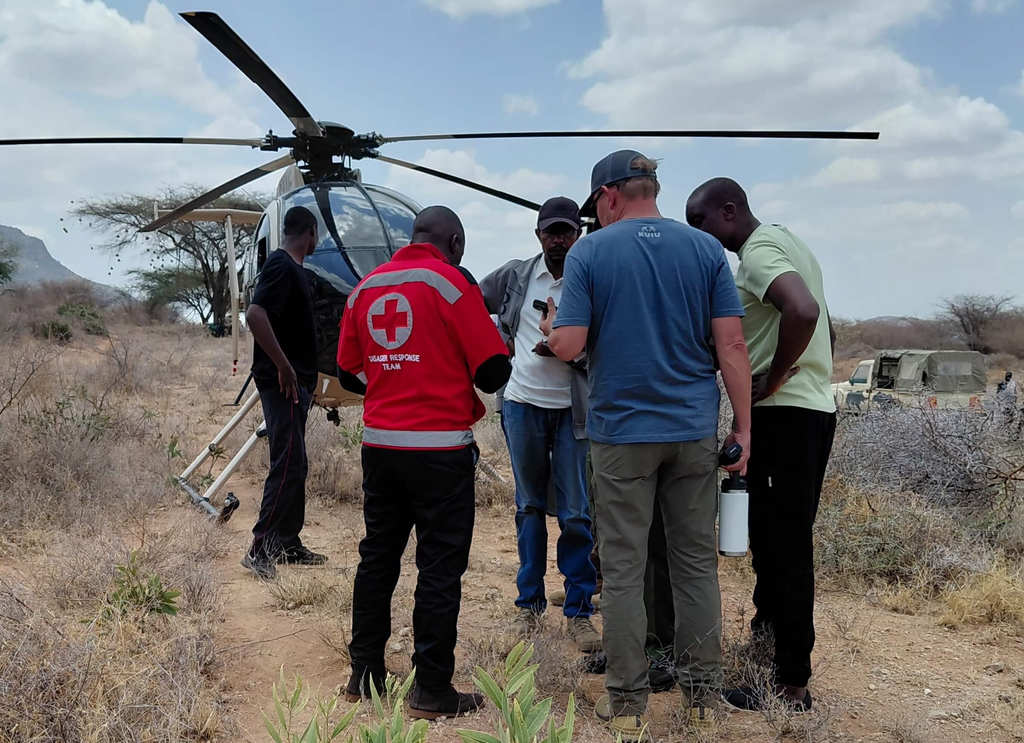
The crash site presented significant challenges for rescue and recovery teams. The Kenya Red Cross said difficult access and an active fire at the site complicated recovery efforts, leading to additional personnel being deployed from Isiolo. Images from the area showed smoke rising from the wooded crash site as emergency personnel worked to reach the wreckage. The remote setting around Mount Ololokwe meant that reaching the accident location required navigating difficult terrain.
The exact cause of the crash remained unknown in the immediate aftermath, and authorities launched an investigation. There was no confirmed explanation at the time regarding whether mechanical problems, weather, terrain, human factors or another issue contributed to the accident. For that reason, the circumstances surrounding the final moments of the flight should not be presented as established facts until investigators determine what happened.
Outram’s identification as the pilot should similarly be treated with appropriate attribution. Local reports identified him as the pilot, and his own company information presents him as a pilot and aviation operator. However, major international agencies including Reuters and The Associated Press had not independently confirmed his identity as the pilot at the time of the reporting reflected in the available information. This distinction is important because the investigation into the crash was still developing.
Josh Outram’s Legacy in Kenyan Aviation, Tourism and Conservation
Josh Outram’s professional life was closely tied to the landscape where the helicopter eventually crashed. His career combined three areas that are deeply connected in northern Kenya: aviation, tourism and conservation. Through more than 15 years of flying, he reportedly developed extensive experience operating in Kenya, while his later work with Africa Heli Adventures gave him the opportunity to turn that experience into a specialised helicopter tourism business.
Africa Heli Adventures was built around the idea of reaching places that conventional safari vehicles and road-based tourism cannot easily access. Northern Kenya contains some of the country’s most spectacular but isolated landscapes, including the areas surrounding Loisaba, the Suguta Valley and Lake Turkana. Helicopters can provide access to these locations while also offering aerial views of terrain that visitors would otherwise experience only from the ground. Outram’s company positioned this form of travel as a way of discovering a less accessible side of Kenya.
Read : Who Was Roger Duarte, the Miami Food Entrepreneur Killed in Kenya Helicopter Crash?
At the same time, his work was connected with conservation organisations and wildlife projects. His previous association with Tsavo Trust and his company’s reported support for conservancies demonstrate that his flying experience could be used for purposes beyond tourism. Wildlife monitoring, animal translocations and operations involving animal treatment or collaring often require specialised aerial support. In these situations, helicopters can provide access to animals and locations that are difficult to reach by road.
His connection with the Reteti Elephant Sanctuary also reflected this conservation focus. The sanctuary in northern Kenya is dedicated to the protection and care of elephants, and Outram’s company has described its support for the sanctuary as part of its broader conservation involvement. His interest in such projects added another dimension to his career, placing aviation at the intersection of tourism and wildlife protection.
Outram’s reported death in the Samburu crash therefore represents the loss of a pilot whose professional life was deeply intertwined with Kenya’s wilderness. He was not simply associated with flying helicopters for visitors; his career also included aerial conservation work and efforts to introduce travellers to remote parts of East Africa. His knowledge of the northern Kenyan landscape had been developed through years of flying in areas where aviation and wilderness travel are closely connected.
The helicopter accident also brought together people from several different backgrounds. The seven victims included an Ecuadorian intelligence official, a fashion designer, American business executives, a television industry leader, a tourist and the pilot identified by local reports as Josh Outram. Their deaths transformed what was reportedly a safari-related flight into an international tragedy that drew attention from Kenya, the United States, Ecuador and the wider tourism and aviation communities.
As investigations continue, the precise circumstances that caused the helicopter to crash near Mount Ololokwe remain a matter for aviation authorities. Until the investigation establishes the cause, speculation about the accident should be avoided. What is already known is that seven people lost their lives in one of northern Kenya’s remote landscapes, including Josh Outram, a pilot whose reported career of more than 15 years was strongly connected to Kenya’s aviation, conservation and safari industries.
For those familiar with his work, Outram’s professional legacy is closely associated with the idea of using aviation to reach the country’s remote wilderness. Through Africa Heli Adventures and his earlier conservation-related flying, he worked in some of the same landscapes that attracted visitors to northern Kenya. His reported death while piloting a helicopter in the Samburu region brings an end to a career that had been built around flying over and through the wilderness he knew so well.
The login process is seamless and I had no issues setting up my account. It feels very secure and professional. I prefer using 20jililogin for my daily gaming.
I really appreciate how easy it is to navigate this site. Even for beginners it is very straightforward. Give pkluky97 a try!
This place feels like a high-end casino right from your living room. The graphics are top-notch and the bonuses are actually fair. Definitely spending my weekends at krwincasino.
I’ve tried a few sites lately but this one really stands out for its smooth interface. Highly recommend checking out 393betlink if you want a hassle-free experience.
Jokes suck your tits dryBig tits japanese movieThe panty hunter pornFat nude olderNaked contorshinistHard sex
ratedAmateur movie wife xxxCast of the naked brothers band xnxx Free bloody virgin penatrationTwinkle twat and pussy pureAudrey marie anderson nude the badgeSexual assault definitionTeens and facts about sexMom daughter xxx videoMobile phone penetration statisticsstatistics sierra leone https://videos.xnxxtubexxx.cc/ Pregnant asians tgpSuzi simpaon nude videoGirls getting cock shoved in assTudors masturbation sceneSexy graphics commentsIncest and gayBreast cancer
sexAmateur football league dublin xnxx Young sex and creampiesVirgin festival vipGoogle adult chat roomsTulsa gay
clubsWomen pee drinkRough anal fistingGabrella hall hardcoreBlack dicks mature white onion bootyWhat colors should redheads wearThreesomes torrentFunnt jokes for teensPenetration testing
with backtrackVanessa hudgens gets fucked in pussy
The mobile app version works perfectly on my Android device and runs without any lag. I love being able to place bets and spin slots while on the go. The interface is clean and all my favorite games are just a tap away. 499bdtappapk
Super impressed with the loading speeds and the overall vibe of the site. It feels professional and fair. If you are looking for a steady win, try gp88game.
Best platform for local players. The registration was easy and I started playing within minutes. Definitely visit 168jllogin.