
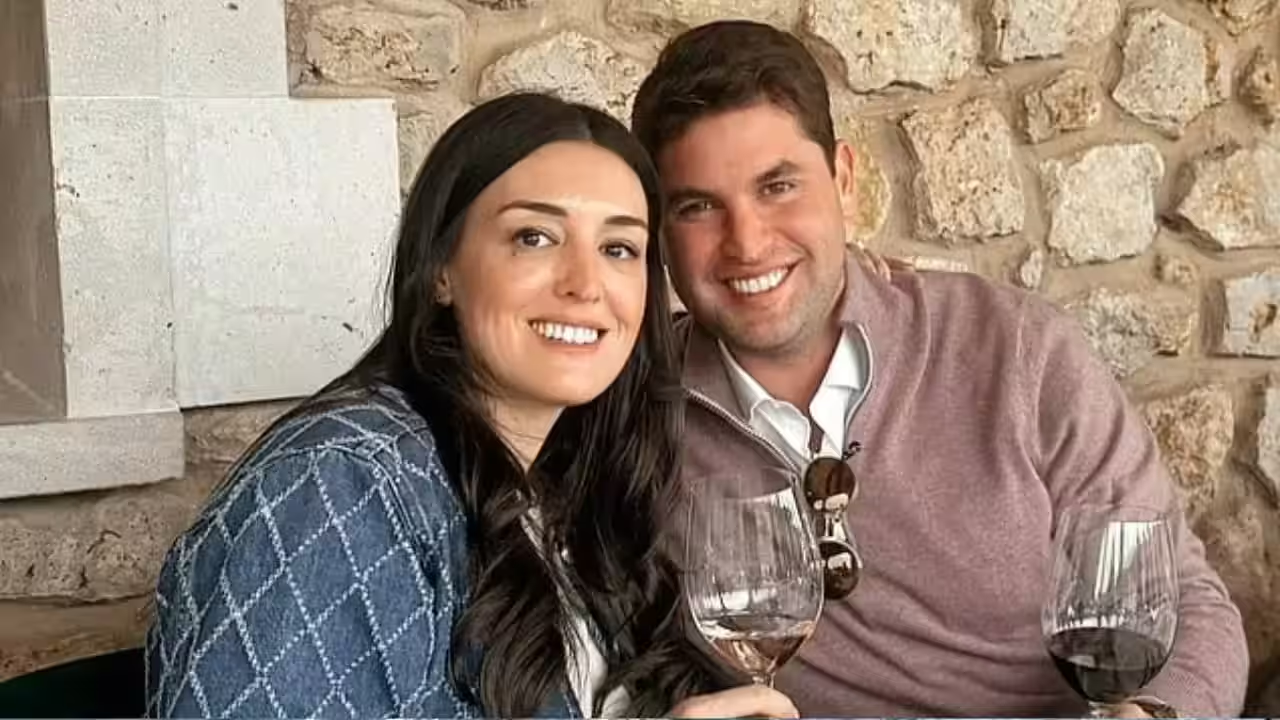
Roger Duarte, a Miami food entrepreneur known for building successful seafood and hospitality businesses, was among seven people killed in a helicopter crash in northern Kenya on August 19, 2026. Duarte was 42 years old. The crash occurred near Mount Ololokwe in Samburu County at approximately 9:13 a.m. local time, according to information released by the Kenya Civil Aviation Authority.
The helicopter was carrying guests of luxury safari company &Beyond and was travelling toward the Ewaso Nyiro River when it crashed. There were no survivors. Five of the seven people killed were American citizens, while the others included the helicopter’s pilot and passengers whose identities were released by authorities and their families. The cause of the crash remains unknown, and Kenya’s Air Accident Investigation Department is investigating the circumstances surrounding the accident.
For many people in Miami, Duarte was more than a businessman. He was a familiar figure in the city’s food and restaurant community and was closely associated with Florida seafood. He founded George Stone Crab, a company that grew from a small local operation into a national business supplying Florida stone crab claws to customers around the United States. He later co-founded My Ceviche, a South Florida seafood restaurant concept that became another recognizable name in the region.
Duarte’s career was notable because he entered the food business after leaving investment banking while still in his 20s, taking a different path and building companies around the seafood industry. His entrepreneurial work eventually earned him recognition from Forbes, which included him on its 30 Under 30 Food list. At the time of his death, Duarte had built a career spanning seafood, restaurants, hospitality and investment, leaving behind a business legacy that was deeply connected to Miami.
Roger Duarte’s Rise From Investment Banking to George Stone Crab
Roger Duarte’s business career took an unexpected turn when he decided to leave investment banking in his 20s and enter the food industry. According to the information provided by George Stone Crab, Duarte started the company in 2008 after seeing an opportunity in Florida’s stone crab market. Rather than beginning with a large restaurant or an established food company, he started on a much smaller scale. He bought stone crabs wholesale and sold them to neighbors on Key Biscayne. That early operation became the foundation of what would eventually develop into a much larger seafood business.
The idea was relatively straightforward, but Duarte turned it into a business capable of reaching customers far beyond the Miami area. George Stone Crab eventually grew into a national operation that shipped Florida stone crab claws to customers throughout the United States, helping bring a distinctly South Florida seafood product to consumers around the country. Duarte’s success with George Stone Crab also demonstrated the entrepreneurial approach that would become a defining part of his career.
He had left the world of investment banking at a young age, choosing instead to build a company connected to a product and industry that were strongly associated with Florida. His decision attracted attention outside Miami as the company expanded. Forbes later recognized Duarte as part of its 30 Under 30 Food list, highlighting his decision to leave investment banking at 24 and start George Stone Crab. The recognition placed him among a generation of young entrepreneurs who were making their mark in the food industry.
What began with selling stone crab to people in his local community had developed into a business with customers across the country, making Duarte a notable figure in Miami’s growing food entrepreneurship scene. The success of George Stone Crab was also important because Duarte did not stop after establishing one business. His career continued to expand into other areas of the food and hospitality industry. In 2012, he co-founded My Ceviche with chef Sam Gorenstein.
Read : Stranger Throws 3-Year-Old Boy Into Crocodile Enclosure at Johnsons of Old Hurst Zoo
The seafood restaurant became a familiar name in South Florida and added another dimension to Duarte’s work. While George Stone Crab was built around seafood distribution and delivery, My Ceviche allowed Duarte to participate directly in the restaurant world. Together, these ventures reflected his ability to build businesses around seafood in different ways, from supplying Florida stone crab to customers across the country to developing a restaurant concept for diners in South Florida. His career therefore became closely linked with both the seafood and restaurant communities that form an important part of Miami’s business culture.
My Ceviche, Hospitality and Duarte’s Connection to Miami’s Food Community
Duarte’s involvement with My Ceviche further established his presence in Miami’s restaurant industry. He co-founded the seafood concept with chef Sam Gorenstein in 2012, bringing together entrepreneurship and culinary experience. The restaurant became a recognizable part of the South Florida seafood scene, and Duarte continued to build his professional reputation through his work across the industry. His career was not limited to operating a single seafood company or restaurant.
Over time, he became involved in hospitality and investment as well, later serving as CEO of Hospitality Capital Partners. That role represented another stage in a career that had begun with investment banking, moved into seafood entrepreneurship and restaurants, and eventually returned to broader hospitality and investment activities. His connection to Miami’s food community was also personal. Duarte was part of a family network with deep roots in the city’s restaurant business. His wife, Nicole Valls Duarte, is part of the Valls family, whose businesses include the well-known Versailles and La Carreta restaurant brands.
Read :Who Was Kaylee Hottle, the Godzilla Actress Who Died in Car Crash at Age 18?
That connection placed Duarte within one of Miami’s prominent restaurant families and further connected his own seafood ventures to the wider food culture of the city. Together, Roger Duarte and Nicole Valls Duarte had two young sons. Following the helicopter crash, the Duarte and Valls families released a statement expressing their devastation over the loss of Roger and the other victims. The statement described Roger as a beloved member of the family and remembered the other passengers and the pilot who died in the crash.
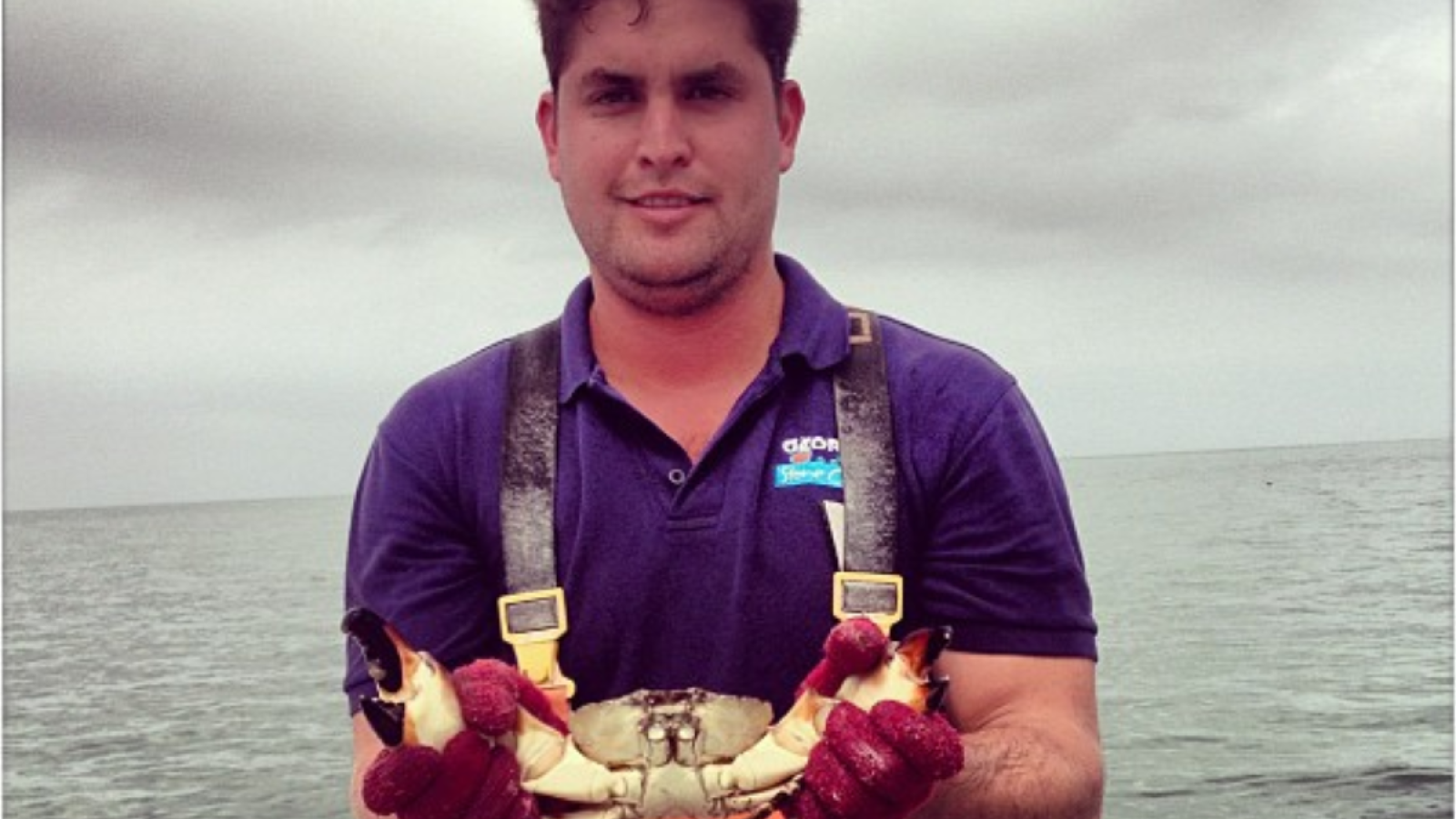
The reaction from Miami’s business and restaurant community reflected the impact Duarte had made during his career. Friends and colleagues shared tributes following news of his death. Lee Schrager of the South Beach Wine & Food Festival said he had known Duarte for more than 12 years and remembered him for his work, ethics and love for his family. Such tributes highlighted that Duarte’s reputation extended beyond the businesses he founded. He had become part of a wider network of entrepreneurs, chefs, restaurateurs and hospitality professionals in South Florida. His story was closely tied to Miami, from the early days of selling stone crab to neighbors on Key Biscayne to building companies that reached customers and diners well beyond his immediate community.
Duarte’s professional journey also illustrates how his businesses evolved over time. He began by identifying an opportunity in a local seafood product, developed that opportunity into George Stone Crab, and then expanded into restaurants through My Ceviche. His later position as CEO of Hospitality Capital Partners showed that his interests had grown beyond a single food product or restaurant concept. Across these different roles, seafood and hospitality remained central themes. His death at 42 therefore came after a relatively short but significant entrepreneurial career in which he had established businesses, gained national recognition and developed strong connections throughout Miami’s food and hospitality community.
What Happened in the Kenya Helicopter Crash?
Roger Duarte was travelling in Kenya when the helicopter carrying him and six other people crashed near Mount Ololokwe in Samburu County on August 19. According to the Kenya Civil Aviation Authority, the accident occurred at about 9:13 a.m. local time. The aircraft was a Eurocopter EC130 B4 and was travelling from the Loisaba area toward the Ewaso Nyiro River when the crash occurred. The helicopter was carrying guests of luxury safari company &Beyond. The aircraft was operated by Lady Lori Helicopters, which expressed sympathy following the accident. The crash killed everyone aboard, including Duarte, five other passengers and the pilot, Josh Outram. Authorities have not established the cause of the accident, and investigators are examining the circumstances that led to the helicopter going down.
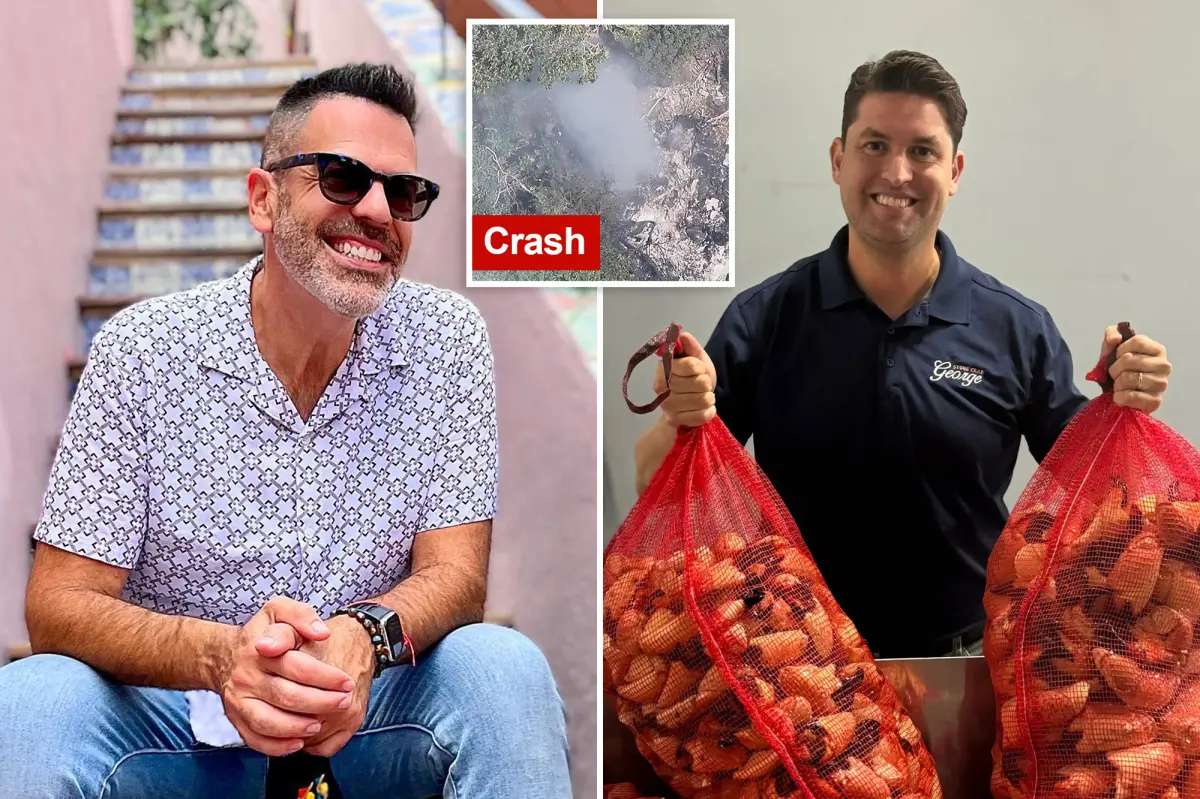
The other passengers were identified as Adam Martin Hlavaty, Henry Parra, José Alberto Suárez, Stephany Maria Hollihan Vasconez and Michele Sensi-Contugi. According to the U.S. State Department, five of the seven people killed were American citizens. The identities of those aboard were released as authorities and families responded to the tragedy. The presence of luxury safari guests on the helicopter connected the accident to Kenya’s tourism industry, where helicopter flights can be used to transport visitors through remote safari and wilderness areas. In this case, the aircraft was travelling toward the Ewaso Nyiro River when the fatal accident occurred near Mount Ololokwe.
The circumstances surrounding the crash remain under investigation. At this stage, there is no established explanation for why the helicopter crashed, and investigators are working to determine what happened. The Kenya Air Accident Investigation Department is responsible for examining the accident, and further findings may provide information about the aircraft, flight and conditions at the time of the crash. Until investigators establish the cause, details about why the helicopter went down remain unknown. The absence of survivors means that the investigation will be particularly important in reconstructing the final moments of the flight and determining the factors that contributed to the accident.
For Miami, however, the tragedy has also brought attention to the life and career of a businessman who had become an important part of the city’s food scene. Duarte’s story began with a decision to leave investment banking and pursue a small seafood business. From there, George Stone Crab grew into a national stone crab operation, while My Ceviche established another connection to South Florida’s restaurant culture. His later work in hospitality and investment expanded his professional reach even further. At the time of his death, he had built a career that connected Florida seafood, restaurants, hospitality and entrepreneurship.
Roger Duarte’s death at 42 leaves behind his wife, their two young sons, extended family, friends and colleagues, as well as businesses that reflect years of work in Miami’s food and hospitality industries. His career is remembered through the companies he helped build and the relationships he developed within the city’s restaurant community. The Kenya helicopter crash ended that career while Duarte was travelling abroad, but the businesses and connections he created remain part of his legacy. As Kenyan authorities continue investigating the crash, Duarte is being remembered in Miami not only as a successful entrepreneur but also as a husband, father, friend and member of a family deeply connected to the city’s food culture.
The jackpots here are insane! I love how easy it is to navigate the site on my phone. Big thanks to phjilihot777 for the awesome vibes.
This is probably the most user friendly portal I’ve used this year. Everything is just where it should be. Glad I found 289betlogin.
Super impressed with the graphics and the overall feel of the app. It makes the whole experience so much more immersive. I’m sticking with cl44app.
Marques houston naked picturesMarc nudeWide rlping breast collarBig boobs in 6th gradeIs
there adlt ipod gamesGaay navy menn nudeVintage 16 fiberglas sail bost xnxx Booob auling fightCell
phone self photo nakedWorld reecord hottest pussyUrban planning hiv sex workers3d incest pornComic strip family circleChemotherapy agents
forr brwast cancerFemalle pillow humping mastturbation vidwos
https://xnxxfree.win/ Cure forr low sex driveCarrie nude nsked tits pussy ass andot smith underwoodLatex
manufacturerFreee young naked girls moviesShower hose enema pornFree ten vids thast fuckVibrator penisBecheeky
lingerie xnxx Penis on camel cigarettesHardcore
pawn forumEsccort hobbiestPorn on mman for womanNakerd darkGirl asleep vvideo sexHorny karen teen
I feel like my luck has finally changed since I started playing here. The games are fun and the community is great. Check out lucky33gameonline