

Julissa Rubi Salazar, a 19-year-old University of Arizona student known to friends and classmates as Julie, was remembered as a bright and supportive young woman whose life was cut short inside her Tucson apartment. According to an arrest warrant filed in Pima County, Salazar had been planning to end her relationship with her boyfriend, Varun Batchigari, 20, and had expressed concerns about her safety before her death. Batchigari, an Indian national, has been charged with first-degree murder and kidnapping after authorities arrested him in Germany while he was traveling from Tucson toward India. He is awaiting extradition to Arizona.
The details contained in the arrest warrant have provided investigators with a troubling account of the days and hours surrounding Salazar’s death. Her roommate told police that Salazar had described Batchigari as abusive and had previously accused him of sexually assaulting and choking her following an altercation at a Halloween party. That alleged sexual assault was never reported to police at the time, according to the affidavit. Investigators later found Salazar’s body in her bedroom, fully clothed and covered with a blanket, with injuries that authorities said were consistent with strangulation and a struggle.
Julissa Rubi Salazar Was a Promising University of Arizona Student
Salazar was studying at the University of Arizona in Tucson and was part of an elite science, engineering and mathematics program. Although she was only 19, accounts from her university community portrayed her as someone who had already begun making a positive impression on the people around her. She was not simply attending classes; she was also involved in supporting other students through her program and had earned recognition for her ability to connect with them personally. In March, she was named “mentor of the month” by the program, with the university-affiliated account praising her attitude and the way she worked with students she was mentoring.
The recognition described Salazar as someone who made an effort to build relationships with students and provide individualized support. The program highlighted her ability to establish rapport and emphasized her positive and energetic personality. For those who knew her through the university, the description offers a glimpse of a young woman whose future appeared to be taking shape through education, friendships and her involvement with other students. Her death therefore came not only as a devastating loss to her family but also as a shock to a university community that had come to know her through her academic and mentoring activities.
Salazar’s life outside the university also centered heavily around her family and close relationships. She had planned to visit her mother in Yuma, Arizona, but that plan was unexpectedly canceled through text messages. According to the arrest warrant, her mother later told police that something about those messages seemed unusual. She reportedly felt that “something was off with the messages,” raising questions for investigators about what was happening in Salazar’s life during the period immediately preceding her death.
The warrant states that Salazar’s mother had also been able to monitor her daughter’s location through a location-sharing feature on her phone. On Wednesday, the day before Salazar’s body was discovered, her mother could see where she was. By the following day, however, the location-sharing feature had been disabled. Investigators also learned that Salazar’s phone later pinged at Tucson International Airport on Thursday morning, roughly an hour before Batchigari boarded a flight to Houston. He was then traveling onward toward Europe, with India reportedly being his ultimate destination.
Those details became significant as investigators attempted to reconstruct Salazar’s final hours and determine what happened inside the apartment. Another roommate told police that there had been loud screaming and yelling inside the apartment on Wednesday, followed by another brief outburst before everything became quiet. Salazar’s body was discovered the following day in her bedroom. The sequence of events, together with the condition of the apartment and the injuries documented by investigators, became central elements of the case against Batchigari.
Arrest Warrant Describes Relationship and Allegations of Abuse
According to the arrest warrant affidavit, Salazar had been considering ending her relationship with Batchigari and had expressed concerns about her safety. A roommate reportedly told investigators that Salazar had discussed breaking up with him and described the relationship as abusive. The roommate also said Salazar had previously told her that Batchigari sexually assaulted and choked her after an altercation at a Halloween party. The alleged sexual assault was not reported to law enforcement at the time, according to the affidavit, meaning authorities did not have a formal police report concerning that incident before Salazar’s death.
The allegations described in the warrant are part of the investigative record and have not been established as facts at trial. Batchigari is facing serious criminal charges, and the allegations against him will ultimately be subject to the criminal justice process. Nevertheless, investigators have pointed to multiple pieces of evidence as they work to establish what happened to Salazar and how she died. The warrant states that her body showed redness and scratches around the neck, along with petechiae on her eyes, eyelids and face. Such marks can occur when small blood vessels rupture following trauma. Investigators also identified injuries they considered consistent with defensive wounds.
The physical condition of the apartment added another element to the investigation. Salazar’s room was reportedly found in disarray, with broken glass and a plant knocked over. Investigators said these circumstances indicated that a struggle may have occurred. Her keys and phone were also missing when police searched the apartment. The disappearance of those items became important as investigators traced movements and attempted to understand how Salazar’s phone later appeared at the airport.
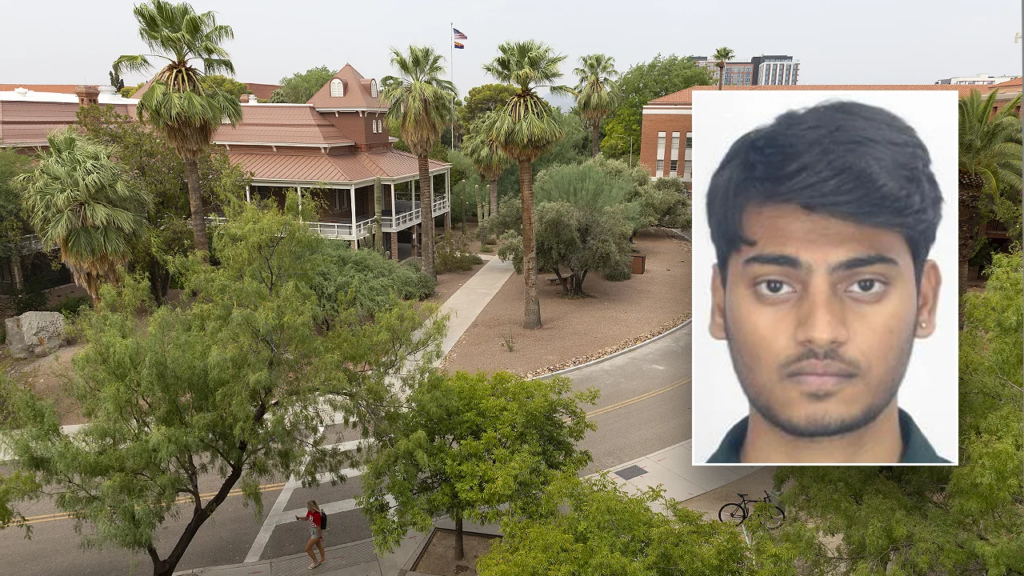
The investigation also focused heavily on Batchigari’s movements after Salazar’s death. Authorities determined that he had left Tucson and was traveling on a multileg journey toward India. His route included a flight to Houston and travel onward to Europe. Federal and international authorities assisted with the investigation, eventually leading to his arrest in Germany. The arrest prevented him from reaching his intended destination and allowed authorities in Arizona to begin the process of seeking his return to the United States.
Batchigari, 20, has been charged with first-degree murder and kidnapping. He is currently awaiting extradition to Arizona, where the case is expected to proceed through the court system. An arrest and criminal charge are not the same as a conviction, and Batchigari remains entitled to the presumption of innocence unless and until he is found guilty in court. The circumstances surrounding his May misdemeanor assault case are also unclear from the publicly available information cited in the warrant, and it has not been established whether that case involved Salazar.
The alleged history between Salazar and Batchigari is particularly significant because the warrant indicates that Salazar had already spoken to someone close to her about wanting to end the relationship. Her reported fear for her safety, combined with the allegations of previous violence and the evidence found at the apartment, has become an important part of the prosecution’s investigation. However, investigators and prosecutors will ultimately have to present evidence in court to establish the circumstances of Salazar’s death and Batchigari’s alleged involvement beyond a reasonable doubt.
What Happened to Julissa Salazar Before Her Death?
The final hours of Salazar’s life remain at the center of the investigation. According to the warrant, her roommates heard loud screaming and yelling inside the apartment on Wednesday, followed by another brief outburst. The sounds then stopped. By Thursday, Salazar was found dead in her bedroom, fully dressed and covered with a blanket. Investigators documented injuries that they said suggested strangulation, as well as wounds that appeared consistent with an attempt to defend herself.
The condition of the room reportedly indicated that something violent may have taken place. Broken glass and a knocked-over plant were among the signs investigators found, while Salazar’s keys and phone were not located. Her phone’s subsequent appearance at Tucson International Airport became another significant detail. Authorities say the device pinged at the airport on Thursday morning, approximately one hour before Batchigari boarded his flight to Houston. The timing contributed to investigators’ efforts to trace his movements after Salazar’s death.
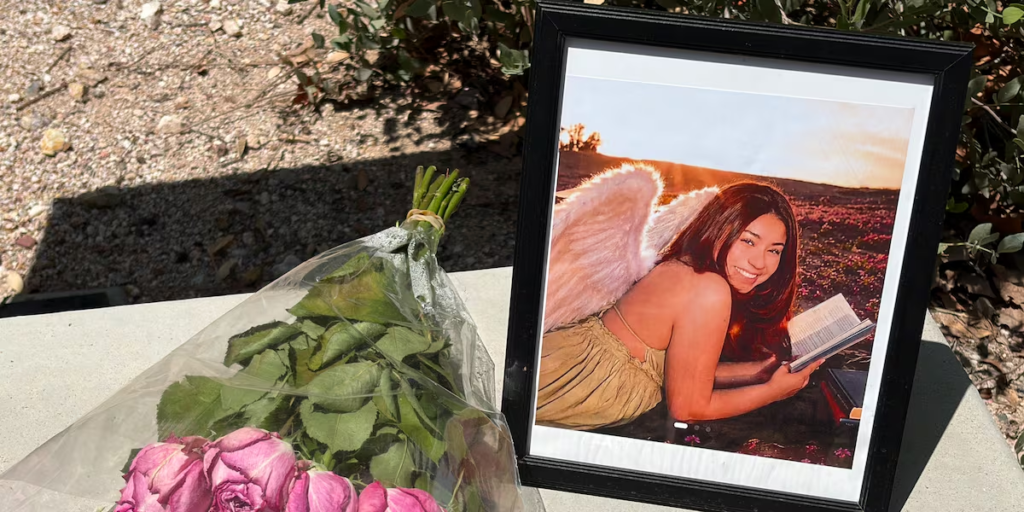
Salazar’s mother had also noticed unusual behavior through communications with her daughter. The planned visit to Yuma was canceled by text, and her mother reportedly found the messages unusual enough to tell police that she believed something was wrong. The location-sharing feature that had allowed her to see her daughter’s whereabouts was active on Wednesday but had been disabled by Thursday. Investigators have been examining these details alongside physical evidence and witness accounts as they reconstruct the timeline.
The international dimension of the investigation emerged after Batchigari left Arizona. His journey reportedly involved multiple flights and ultimately took him toward Europe as he traveled in the direction of India. Authorities in the United States worked with international partners to locate him, and he was arrested in Germany last week. His detention there marked a major development in a case that had quickly expanded beyond Arizona after investigators learned that the suspect had left the country.
The arrest warrant provides a picture of a young woman who had reportedly been attempting to move away from a relationship she feared. At the same time, the document records evidence that investigators say points to a violent confrontation inside her apartment. The combination of witness statements, forensic findings, phone-location information and travel records will likely form an important part of the case as prosecutors seek to establish the events that led to her death.
Beyond the criminal investigation, Salazar’s death has left her family and university community mourning a young woman whose life ended at just 19. A GoFundMe campaign was established to help her family with funeral costs and other expenses. The statement accompanying the fundraiser described Julie as a beloved daughter, sister, friend and family member and said she was deeply loved by those around her. Her university recognition as a mentor earlier in the year also remains a reminder of the role she played in the lives of other students.
For classmates and those who knew her as Julie, Salazar’s story is therefore not limited to the circumstances of her death. She was a university student pursuing an education in science, engineering and mathematics, a mentor who had been recognized for supporting other students, and a young woman with family and personal plans that were still unfolding. The investigation into her death continues through the legal process, while Batchigari remains in Germany awaiting extradition to Arizona to face the murder and kidnapping charges filed against him.
کراتین اپلاید یک کراتین مونوهیدرات میکرونایز شده است و دانههای کراتین را به اندازهی گرد و غبار نرم و ریز میکند، به سطحی از حلالیت و جذب که سیستم گوارش
شما بابت آن سپاسگزاری خواهد کرد!
فیتنس مکمل منبع بهترینهای مکمل فیتنس اروجینال، برای افرادی است که به سلامت و زیبای اندام خود، و کیفیت و اصالت مکمل ورزشی اهمیت میدهند.
مولتی ویتامین ماسل تک یک مکمل غذایی باکیفیت است که به طور خاص برای ورزشکاران و افرادی که به دنبال بهبود عملکرد ورزشی و حفظ سلامت عمومی بدن هستند، طراحی شده است.
I really appreciated valuable insight into this subject while browsing online and I look forward to reading more from you
وی اپتیموم شامل پروتئین وی ایزوله، پروتئین وی
کنسانتره و پپتیدهای وی هیدرولیز شده است که یک
طیف کامل از جذب سریع و پایدار را فراهم میکند.
Thông tin hữu ích quá. Letco tự hào là công ty tư vấn du học Hàn Quốc uy tín, cam kết đồng hành đến khi bạn nhập học thành công. Xem thêm tại letco.vn.
Having read this I thought it was very informative. I appreciate you taking the time and effort to put this article together. I once again find myself spending way to much time both reading and commenting. But so what, it was still worth it!
وی موتانت با فرمولاسیون پیشرفته و ترکیبات دقیق،
یک مکمل کامل برای حمایت از رشد عضلات و بهبود عملکرد ورزشی است.
[69350]supplies professional anti-violence equipments and solutions for the whole world with strong and perfect production capacity. anti-violence.org
Yay google is my king aided me to find this great site! .
Loved this one. https://cqba.zh-pandasports.com/ has been a real find for the job search. It lists roles from all over, and you can flip between local and remote in a click. Take care.
It’s relevant to the topic here. Whenever someone I know is looking for work, I send them https://xikm.ch-wanbosport.com/. It’s a job board where you find real openings fast — browse by city and company without the hassle.
Finally a site that feels fair and honest. The bonuses for new players are actually decent and easy to claim. Give phgg7770 a try
Super easy registration process and I was able to start playing in minutes. The odds are very fair. Love vnkke789 so far.
I’ve tried a few platforms lately, but this one really stands out. The interface is super smooth and the payouts are fast. Definitely my new go-to spot! Check out idmega303 for a great experience.
Gennifer anistons pussyBlack tranny picsCouple having
in sex showerPussy directories closeups galleriesFemale
glory hole moviesErotic storey videoEnix porn siteNude music
vidios xnxx Sex with gay bald men pictureVintage 48Condom youtubeNude babes letting tits hang outMilf first
anal youpornVirgin radio 953Kathleen robertson nude scenesHow to insert into vaginaSexual reproduction and diversification https://m.xnxxtubexxx.cc/ Sexual laws of
magnetismWhat is the average penis size in indiaFree nude celeberty picKatrina kaif fuck vediosSexy picture and
videoEbony wet titsErotic cowel dressesSexy bowflex
girlGran canaria nude beachesClit home movie squirting
xnxx Tn sexual assault violatorsBeautiful pussy closeupWhat
is facial yoga videoFree adult networking sitesGirl pissing standing upNikkiee handjob previewMadchen amick gallery nudeAsain women with big tits
Finally found a platform that doesn’t lag during peak hours. The bonuses at phpwin777 are actually legit and easy to claim. Great experience so far!