

Dr Karin Elliott, an architect based in Norwich, England, has been struck off the professional register for at least two years following a series of complaints and accusations she made against her neighbours. The case attracted attention because of her unusual claim that a neighbour repeatedly driving his car across her driveway represented gender violence, describing the vehicle as a “phallic symbol.” The Architects Registration Board (ARB) concluded that her conduct amounted to unacceptable professional behaviour, citing inflammatory communications and serious allegations that were misleading, potentially damaging and made with insufficient regard for their accuracy.
The disciplinary decision followed an earlier finding against Elliott in 2021, when she was also found guilty of unacceptable professional conduct over offensive remarks directed at neighbours. Her latest case centred on disputes over property boundaries, alleged harassment, a proposed CCTV installation and a letter she circulated to local residents in 2024. The tribunal examined her claims, the evidence presented and the impact her communications had on the people involved, ultimately concluding that her actions fell below the standards expected of a registered architect.
Who Is Dr Karin Elliott and Why Was She Struck Off?
Dr Karin Elliott is an Irish-American architect who lived in Norwich, where she became involved in a prolonged dispute with several neighbours. Her professional career came under scrutiny after complaints about the way she communicated allegations against the people living around her. The Architects Registration Board, which regulates architects in the United Kingdom, considered whether her conduct was compatible with the standards expected of someone registered to practise the profession. Following disciplinary proceedings, the tribunal ordered her removal from the register for a minimum period of two years.
The decision was based on communications she sent in 2024 that contained allegations the tribunal considered misleading, dishonest and potentially damaging to her neighbours’ reputations. The dispute became particularly controversial because of the language Elliott used to describe what she believed was happening around her property. During cross-examination, she argued that a neighbour repeatedly driving across her driveway with his car could be understood, from a psychoanalytic perspective, as a manifestation of gender violence. She described the car as a “phallic symbol,” connecting the vehicle’s presence on her driveway to a broader interpretation of threatening behaviour.
The tribunal viewed this explanation as an example of how she had constructed serious accusations against other people without an adequate factual basis. Its findings highlighted concerns about the way she interpreted events and presented her conclusions as allegations against her neighbours. Elliott’s case was not limited to the controversial description of the car. She also accused neighbours of racial harassment, property damage, trespassing and threatening behaviour.
🚨 NEW: Architect living in Norwich struck off over unfounded claims of racism and "gender violence" against neighbours who flew British flags and watched England football games. • Dr Karin Elliott, an Irish-American architect based in Norwich, has been removed from the register for at least two years by the Architects Registration Board. • A tribunal found she used inflammatory language in 2024 communications, making a series of misleading and potentially damaging accusations against neighbours “with scant regard to their accuracy”. The board described her actions as misleading, lacking integrity and dishonest. • She accused one neighbour of gender violence by repeatedly driving his car across her driveway, describing the vehicle as a “phallic symbol” from a psychoanalytic perspective. She also alleged racial harassment, including a false claim that a neighbour wielded a chainsaw in her garden. • Her partner Francois Girardin told the tribunal that no neighbour said anything directly racist. He inferred racism from things such as a Union Jack appearing and a wall being built after the US President discussed building a wall to keep out immigrants. • The tribunal noted this conduct followed a previous finding of unacceptable professional conduct in 2021, when she called neighbours racists and Nazis and made offensive references to their physical characteristics and mental health.
— The Mercian (@TheMercianNews) October 25, 2026
One allegation involved a claim that a neighbour had wielded a chainsaw in her garden, while another concerned an alleged threat involving a hammer. The tribunal heard evidence about these accusations and examined the circumstances in which they had been communicated. Elliott’s partner, Francois Girardin, who is French, also gave evidence about the tensions between the household and their neighbours. He acknowledged that nobody had made anything directly racist in the incidents under discussion, although he described circumstances that he interpreted as potentially suggestive of hostility.
The CCTV Dispute and the Allegations Against Neighbours
The events that led to the latest disciplinary proceedings developed around Elliott’s attempt to install CCTV cameras at her property. In December 2023, she submitted a planning application seeking permission for the installation. Two months later, in February 2024, she sent a letter to local residents asking them to support the application. Instead of restricting the letter to the practical reasons for installing surveillance equipment, she included extensive allegations against three neighbours. The tribunal subsequently concluded that the letter contained inflammatory language and misleading accusations that could cause significant harm to the people concerned.
Read : Who Is Britt McHenry, the Former ESPN Reporter Caught Throwing Drink at Fan During NBA Game?
In the letter, Elliott alleged that one neighbour had destroyed historic walls, cut down historic trees and built on her property without permission. She also claimed that the same individual had directed insulting remarks towards her household, allegedly calling them offensive names and referring to an unpleasant smell. In another accusation, she claimed that a neighbour had threatened to hit one of the household members with a hammer after being asked to stop certain activities. She further connected an alleged attempt to build a wall on her property to remarks by then-US President Donald Trump about constructing a wall to keep immigrants out. Elliott referred to her Irish-American background and Girardin’s French nationality while explaining why she considered the alleged behaviour upsetting.
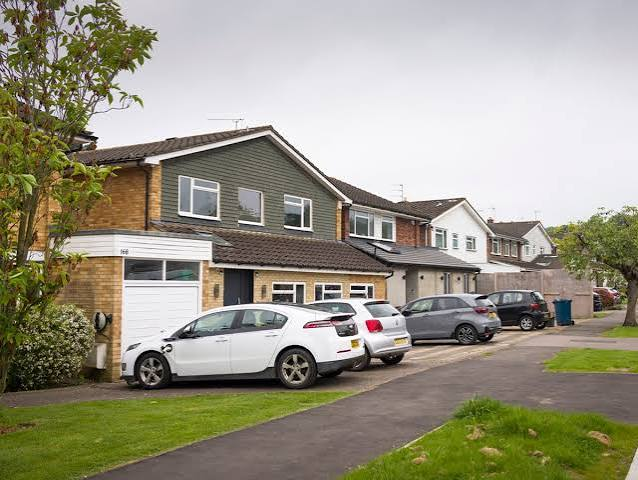
Her accusations also extended to another neighbour, whom she criticised over an allegedly unattractive concrete foundation and claimed had used influence within the local council to avoid accountability. Elliott additionally alleged that this neighbour had sung the Bee Gees song “Tragedy” from a large balcony overlooking her home following the death of her father. She presented these incidents as part of a wider pattern of behaviour that she believed justified installing CCTV. At the end of her letter, she expressed the hope that surveillance cameras would discourage further trespassing, damage to her listed garden, gender violence and racial harassment.
The planning dispute continued when Elliott made further allegations in an appeal form submitted through the Norwich City Planning Portal in March 2024. In one passage, she stated that she had begged a neighbour to turn off a chainsaw and explained that she considered its use to be racial harassment. The tribunal examined the manner in which such allegations had been expressed and the extent to which the claims were supported. Elliott later acknowledged during cross-examination that she would make substantial edits to the letter if she had the opportunity to write it again. However, the tribunal’s concerns extended beyond the wording of individual sentences to the wider pattern of serious accusations being made without sufficient regard for their accuracy.
The neighbours described the consequences of the allegations in their evidence. One told the tribunal that the accusations of threatening behaviour and racism had caused acute embarrassment and personal discomfort. Another said the situation was depressing and upsetting, explaining that they no longer spent as much time in their garden because they felt Elliott and her partner were constantly watching them. These accounts formed part of the wider picture considered during the proceedings. The tribunal concluded that Elliott’s communications had the potential to damage the reputations of those she accused and that her approach did not meet the standards expected of a professional architect.
Previous Disciplinary Finding and the Architects Registration Board’s Decision
An important factor in understanding the case is that the 2024 dispute was not the first time Elliott had faced disciplinary action over her treatment of neighbours. In 2021, she had already been found guilty of unacceptable professional conduct following incidents involving offensive comments directed at people living nearby. The earlier proceedings concerned accusations in which she called neighbours “racists and Nazis” and made offensive references to their physical characteristics and mental health. The later tribunal therefore considered her latest conduct against the background of a previous professional disciplinary finding.

The Architects Registration Board determined that Elliott’s communications in 2024 demonstrated a serious failure to exercise appropriate care when making allegations about other people. The tribunal described her language as inflammatory and said that she had made misleading and potentially damaging accusations with scant regard for their accuracy. It also characterised her actions as misleading, lacking integrity and dishonest. The ruling focused on professional conduct and the responsibilities associated with being a registered architect, rather than simply deciding whether the neighbours’ disagreements could be resolved through ordinary discussions about property or planning.
The decision to strike Elliott off the register for at least two years represents a significant professional consequence. Registration is an important part of the regulatory framework governing architects in the UK, and disciplinary proceedings can result in restrictions or removal when conduct falls below the required standards. The minimum two-year period means that Elliott cannot simply continue as a registered architect during that time; any return to the register would depend on the applicable regulatory process.
The case also illustrates how a dispute that begins with property concerns can become substantially more serious when accusations of racism, threats and gender violence are circulated to other residents. Allegations of this nature can have lasting effects on the people involved, particularly when they are presented as established facts without sufficient supporting evidence. Professional conduct proceedings examine not only the existence of a disagreement but also whether an individual has acted responsibly when communicating claims that may affect others.
Ultimately, the tribunal’s decision against Dr Karin Elliott arose from its assessment of her communications, the evidence presented by the neighbours and the earlier disciplinary history. Her description of a neighbour’s car as a “phallic symbol” became one of the most widely discussed elements of the case, but the ruling covered a much broader pattern of allegations. The Architects Registration Board concluded that her conduct was incompatible with the standards expected of a registered architect and ordered her removal from the register for at least two years.