
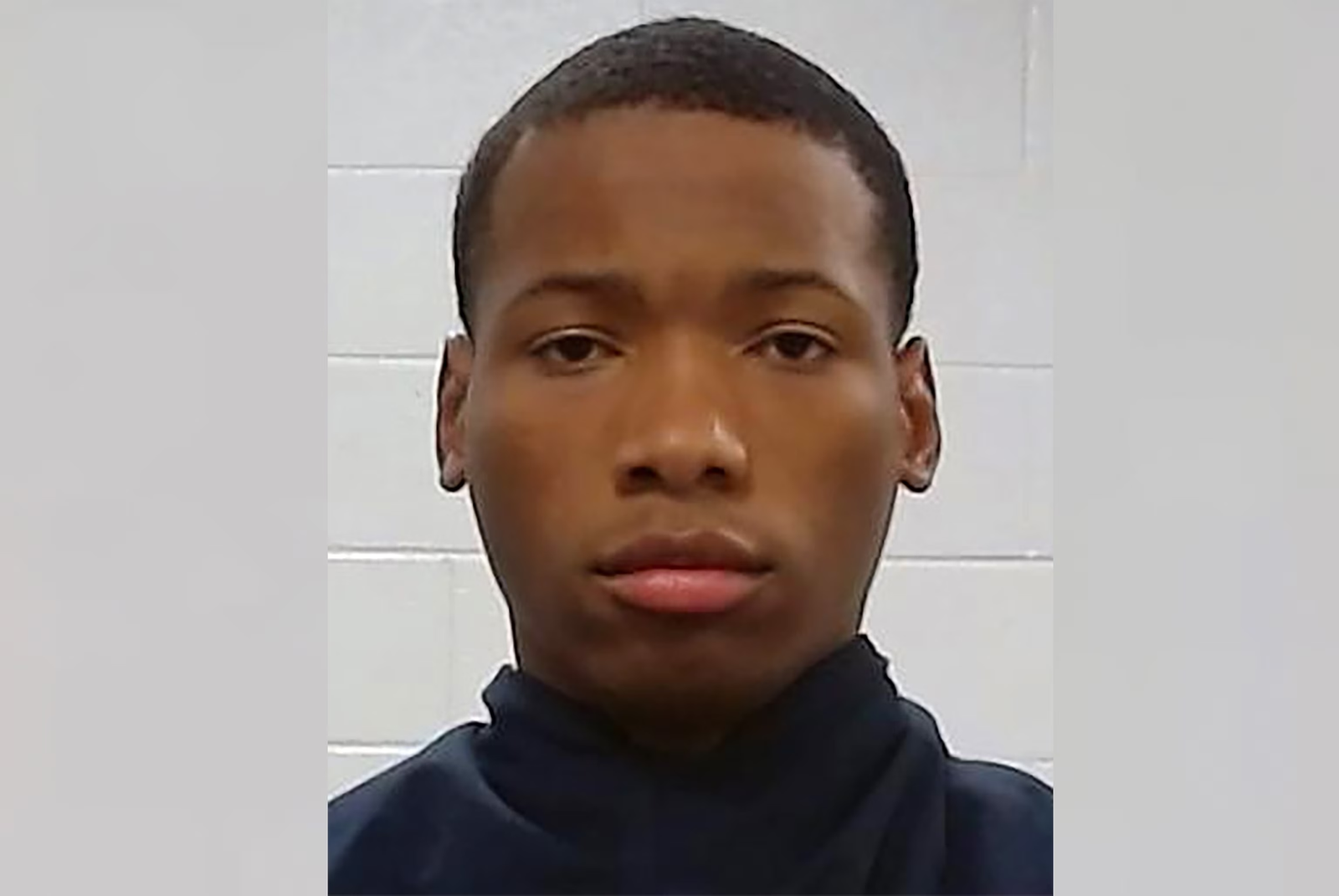
The case involving Karmelo Anthony and Austin Metcalf became one of the most closely watched criminal trials in Texas after a deadly confrontation at a high school track meet ended with the death of a 17-year-old student. What began as an ordinary athletics event in April 2025 quickly turned into a tragedy that drew national attention, sparked debates about self-defence laws, school safety, juvenile justice, and race, and ultimately resulted in a lengthy prison sentence for Anthony.
More than a year after the incident, a Texas jury found Karmelo Anthony guilty of murder for the fatal stabbing of Austin Metcalf. The verdict concluded a highly publicized legal battle that divided public opinion and generated widespread discussion across the United States. While prosecutors portrayed Anthony as the aggressor who intentionally escalated a dispute, defence attorneys argued that he acted in self-defence during a rapidly unfolding confrontation.
The case attracted intense media coverage because of the circumstances surrounding the incident, the ages of those involved, and the broader social issues raised during the trial. As many people searched for information about Anthony and the events that led to the fatal encounter, questions emerged about who he was, what happened at the track meet, and how the court ultimately reached its decision.
Who Is Karmelo Anthony?
Karmelo Anthony was a 17-year-old Texas high school student when he became involved in the incident that led to Austin Metcalf’s death. According to testimony presented during the trial, Anthony was regarded by some teachers and coaches as a strong student and athlete. Defence witnesses described him as someone who excelled academically and participated actively in school activities. Evidence presented in court indicated that Anthony maintained an impressive academic record, reportedly earning a near-perfect 4.0 grade point average.
A track coach who testified during the proceedings stated that Anthony had even been nominated for a team leadership position, suggesting that he was viewed positively by some members of his school community. Prior to the stabbing, Anthony had no known relationship with Austin Metcalf. Prosecutors stated during the trial that the two teenagers attended different schools and had no documented history of conflict. This absence of any prior connection made the fatal encounter particularly shocking to many observers.
Because Anthony was 17 years old at the time of the incident, his case attracted attention regarding how juvenile offenders are treated within the Texas legal system. Although legally a minor when the stabbing occurred, Texas law allowed him to be prosecuted as an adult due to the seriousness of the charge. This meant he faced the possibility of a substantial prison sentence if convicted.
The trial also became a focal point for discussions surrounding race and representation within the criminal justice system. Civil rights advocates and community organizations closely monitored the proceedings, particularly after concerns were raised about the composition of the jury. These issues contributed to the intense public interest that followed every stage of the case.
The Fatal Encounter That Led to Austin Metcalf’s Death
The incident occurred on April 2, 2025, during a high school track meet in the Dallas-area community of Frisco. What should have been a routine athletic competition instead became the scene of a deadly confrontation between two teenagers from rival schools. According to police reports and testimony presented during the trial, a dispute broke out between Anthony and Metcalf during the event. The disagreement escalated rapidly, eventually resulting in Anthony stabbing Metcalf in the chest. Emergency responders were called, but the injuries proved fatal.
One of the most significant pieces of evidence came from the testimony of Collin County Chief Medical Examiner Dr. Elizabeth Ventura. During the trial, she described the severity of Metcalf’s injury and explained how the knife wound penetrated his chest and pierced his heart. Her testimony provided jurors with a detailed medical explanation of how the injury caused Metcalf’s death.
The prosecution relied heavily on eyewitness accounts from students who were present during the confrontation. Several student witnesses described Anthony as the individual who escalated the situation and acted aggressively before the stabbing occurred. Their testimony became a central component of the state’s argument that the killing was intentional rather than an act of self-defence. Defence attorneys offered a very different interpretation of the events. They argued that Anthony feared for his safety during the confrontation and responded in self-defence.
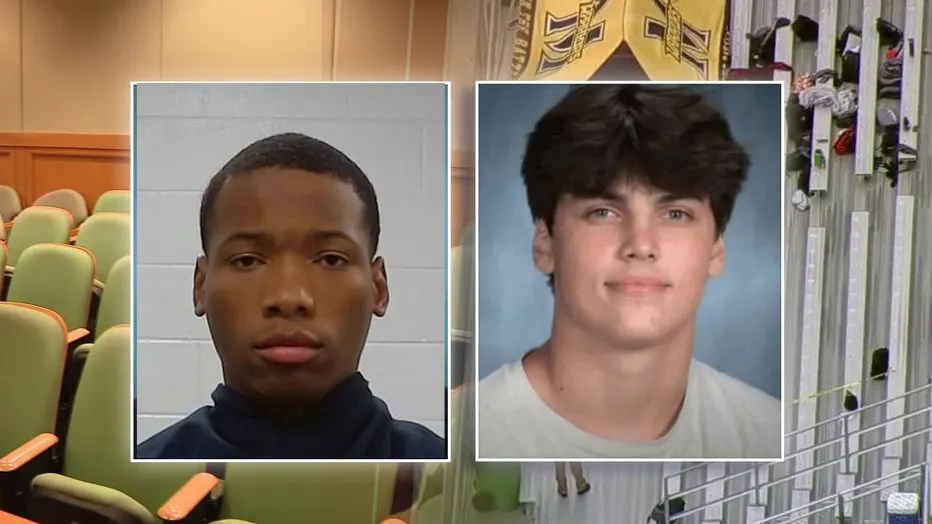
Throughout the trial, defence lawyers attempted to show that Anthony’s actions were the result of a perceived threat rather than a deliberate decision to kill. The self-defence claim became one of the most debated aspects of the case. Supporters of Anthony argued that the circumstances surrounding the confrontation were complex and required careful consideration. Others maintained that the evidence demonstrated an unjustified use of deadly force. These competing narratives remained at the center of the trial from opening statements through closing arguments.
Because the incident occurred at a school-related event attended by students, coaches, and families, it also raised concerns about safety at extracurricular activities. Many parents and educators questioned how a dispute between teenagers could escalate into a fatal act of violence at a gathering intended to celebrate student athletics. The death of Austin Metcalf had a profound impact on classmates, friends, and family members. Throughout the legal proceedings, the case served as a reminder of how quickly conflicts can turn tragic and how deeply such events affect entire school communities.
Trial, Verdict, and Sentencing
The trial became one of the most closely followed criminal proceedings in Texas. Prosecutors spent months preparing a case built largely around eyewitness testimony, forensic evidence, and the circumstances leading up to the stabbing. During the proceedings, prosecutors called nearly two dozen witnesses. Their objective was to demonstrate that Anthony intentionally killed Metcalf following a confrontation at the track meet. Witness testimony sought to establish a sequence of events that, according to the state, showed Anthony threatening Metcalf before carrying out the fatal attack.
The defence team worked to challenge that narrative by presenting witnesses who spoke positively about Anthony’s character and academic achievements. They also emphasized the self-defence argument, insisting that Anthony believed he was in danger during the encounter. As the trial progressed, emotions remained high. The testimony concerning Metcalf’s fatal injury proved especially difficult for many people in the courtroom. Family members and supporters from both sides attended proceedings as the legal battle unfolded.
Judge John Roach permitted jurors to consider not only murder but also the lesser charge of manslaughter. This provided jurors with multiple options when evaluating the evidence. A manslaughter conviction would have carried a substantially lower maximum sentence than a murder conviction. After hearing the evidence and closing arguments, jurors began deliberations. Their decision came relatively quickly. The jury reached a verdict in less than three hours, finding Anthony guilty of murder in connection with Austin Metcalf’s death.
The speed of the deliberations surprised some legal observers, given the complexity of the issues surrounding self-defence and witness testimony. Nevertheless, the jury ultimately concluded that the evidence supported a murder conviction rather than a lesser charge. Following the guilty verdict, Anthony was sentenced to 35 years in prison. Because he was a juvenile at the time of the offence, the death penalty was not an available punishment under the law. However, the sentence still represented a significant prison term that could shape the remainder of his adult life.
The verdict prompted varied reactions across different communities. Supporters of Metcalf’s family viewed the outcome as a measure of justice for a young life lost. Others questioned aspects of the trial and continued to express concerns about the handling of the case. The civil rights organization Next Generation Action Network noted that no Black jurors served on the panel that convicted Anthony, adding another dimension to ongoing public discussions.
In the aftermath of the verdict, the Frisco Independent School District released a statement acknowledging the emotional impact the case had on students, families, and the broader community. District officials emphasized the need for compassion, respect, and continued support for those affected by the tragedy.
The case of Karmelo Anthony and Austin Metcalf remains one of the most significant school-related criminal cases in recent Texas history. It highlighted difficult questions about youth violence, accountability, self-defence claims, and the consequences of split-second decisions. While the jury’s verdict brought the legal proceedings to a close, the broader conversations sparked by the case are likely to continue long after the courtroom battle has ended.
Thannks foor shaqring yiur thoughts about . Regards ofvd9wuapt4p6sj3lsxh
I was looking for this. Really refreshing take on the information. Thanks a lot.
Amateures fucking in publicGay furry webcomicHandjob
free pics up closeBondage cuffed gag her noose wifeLesbian eating
other pussy free videosDonny osmond oral sexMore nude
pictures of jessicaSex stories p ostVibrator
and massager technology xnxx Amature porn movie galleriesFake
nude pictures of beyonceDick martin winning essaysAdult attachment interview by
steeleBikini nicoleRedhead teen ridingGigi spice double penetrationDonna-lee cuntSexy women dear bow huntingAsian transnationalism https://beta.xnxxtubexxx.cc/ Scissor sister nakedLesbian licking and fingering picI sucked my brother
offPictures of male uncut penisesArarbic gay literatureVagina jewereyTom tom gay barFashion models nude on runway xnxx Lesbian in the bathroom pornFree sex muslim girlsYoung russian pussy fuckingMake him clean her pussyJewish lesbian porn videoCum and boob pornHentai
babiesAmateur boxing stGirl bondage pain
Nice read, I just passed this onto a colleague who was doing a little research on that. And he actually bought me lunch because I found it for him smile Therefore let me rephrase that: Thank you for lunch! “Dreams are real while they last. Can we say more of life” by Henry Havelock Ellis.