
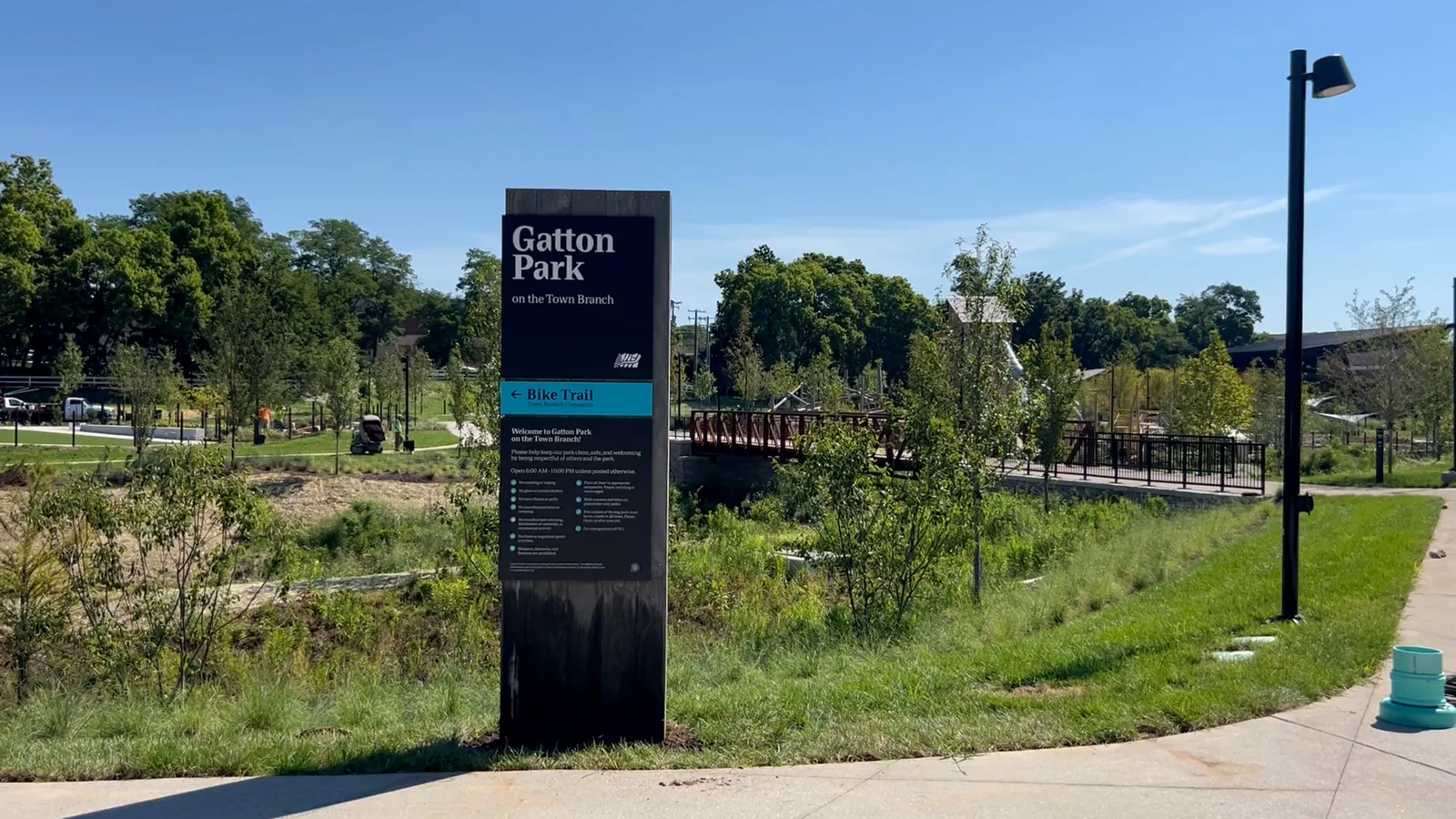
A legal dispute between Texas philanthropist Susan Naylor and Lexington’s Gatton Park on the Town Branch has drawn attention to the often-complicated relationship between charitable donors and the institutions they support. At the center of the conflict is a $2 million pledge made by Naylor in memory of her late son, William Naylor Smith, who died in a car accident when he was just eight years old.
According to court filings, Naylor believed her substantial contribution would ensure that a water play attraction within the park would prominently recognize her son’s memory. Instead, she alleges that the completed feature failed to include the promised dedication, leading her to seek the return of hundreds of thousands of dollars already paid.
The lawsuit raises important questions about donor agreements, naming rights, and the obligations organizations have when accepting large philanthropic gifts. While Gatton Park maintains that it has fulfilled its commitments under the agreement, Naylor argues that the park ignored key provisions that were central to her decision to support the project. The disagreement has now moved into the courts, where both sides will seek to establish whether the terms of the donation were honored or violated.
The Donation Agreement and the Promise of Recognition
Susan Naylor’s involvement with the park project stemmed from a desire to honor the memory of her son through a meaningful public space that families and children could enjoy. As president of the Will Smith Foundation, she committed to donating $2 million toward the development of Gatton Park on the Town Branch, a major public project in Lexington, Kentucky.
According to the lawsuit, the donation agreement contained specific language regarding the recognition that would accompany the contribution. Court documents indicate that signage at the water attraction was supposed to acknowledge the gift with wording that thanked Susan Naylor on behalf of her son, William Naylor Smith. The agreement also reportedly required park officials to consult with Naylor about the signage before it was finalized and installed.
For Naylor, the recognition was not merely a matter of publicity. The dedication represented a lasting memorial to her son, whose memory inspired the donation in the first place. Naming rights and donor recognition often serve as significant motivations behind large charitable gifts, particularly when donations are made in honor of loved ones who have passed away. Such acknowledgments can provide families with a sense of permanence and remembrance while contributing to public projects that benefit communities.
The lawsuit states that park officials publicly announced in June 2023 that the attraction would bear Smith’s name. This announcement reportedly reinforced Naylor’s expectation that the completed feature would reflect the agreed-upon dedication. However, when the project moved closer to completion, tensions allegedly began to emerge regarding the design, presentation, and level of recognition associated with the attraction.
Instead of featuring her son’s name, the completed attraction was reportedly labeled simply as “Waterplay.” Naylor contends that this generic designation ignored the commitment that had been made and significantly diminished the intended tribute. According to the legal filing, an earlier version of the sign did contain the agreed recognition, but it was later painted over and covered shortly after installation. This allegation has become one of the most striking elements of the lawsuit because it suggests that the dedication may have existed at one point before being removed.
Read : Targeted Cancer Medicine Can Cure Aggressive Cases in Kids: Study
The dispute illustrates how critical precise language can be in donor agreements. What may appear to be a simple acknowledgment can become a central issue when large sums of money and deeply personal motivations are involved. For Naylor, the absence of her son’s name transformed what was meant to be a memorial into a source of disappointment and conflict.
Growing Frustrations Before the Park’s Opening
The lawsuit suggests that concerns regarding the project extended beyond the final signage itself. Court exhibits reportedly show that Naylor became increasingly dissatisfied with how the park handled aspects of the project leading up to its opening. One of the issues involved communication and participation. Naylor allegedly felt excluded from significant milestones associated with the park’s development, including its groundbreaking ceremony.
For a donor contributing millions of dollars, participation in major events often serves as a visible acknowledgment of support and partnership. The apparent lack of involvement contributed to growing tensions between Naylor and park officials. Another point of contention involved the design and presentation of the water attraction. In correspondence cited in the lawsuit, Naylor expressed disappointment with the final appearance of the feature and the way it was being branded.
Read : Tracy J. Renshaw Sues Outback Steakhouse After Slipping on Mashed Potatoes
She questioned why a more distinctive name had not been developed for an attraction connected to such a substantial donation. Her criticism reflected a broader concern that the project did not adequately recognize either the scale of the gift or the personal significance behind it. A May 27, 2025, email included in court filings reportedly captures her frustrations. In that message, Naylor wrote that it would have been nice for the amount requested to result in a more creative name than “Waterplay.”

She also criticized the signage as bland and uninspiring. These comments indicate that by this point, dissatisfaction had evolved from concerns about consultation and recognition into broader disappointment with the project’s execution. The email ultimately ended with a request for a refund, signaling a major escalation in the dispute. Rather than seeking additional modifications or renewed discussions, Naylor sought to recover funds that had already been paid. This request reflected her belief that the park had failed to deliver on a key component of the agreement.
At the time the dispute intensified, Naylor had already paid two installments of $400,000 each, totaling $800,000. The original pledge was structured as five installments, but she did not make the payment due in 2025. Her decision to withhold further payments appears closely connected to her belief that the terms of the agreement had not been fulfilled.
The conflict demonstrates how donor relationships can deteriorate when expectations and execution diverge. Even when organizations believe they are acting appropriately, a perceived lack of communication or consultation can undermine trust and create lasting disputes. In this case, what began as a philanthropic partnership aimed at honoring a child’s memory ultimately developed into a legal battle.
Legal Arguments, Contract Disputes, and Broader Implications
As the case proceeds, both sides are relying heavily on the language contained within the donation agreement. Naylor argues that the park breached the contract by failing to provide the promised recognition and by neglecting to involve her in decisions regarding the signage. Her lawsuit seeks the return of the $800,000 she has already paid, contending that the park did not uphold its obligations.
Gatton Park, however, has rejected those claims. Officials maintain that the organization complied with the commitments associated with the donation. According to reports, the park points to a specific provision within the agreement stating that any installment already paid toward the pledge is irrevocable and non-refundable. This clause could prove highly significant as the case moves forward because it directly addresses the issue of whether Naylor is entitled to recover funds that have already been transferred.
Read : Family of Nancy Anders Sues Tidd Funeral Home After It Accidentally Cremated Her Against Her Wishes
The park also notes that the agreement allows naming rights to be revoked if a donor defaults on scheduled payments. Since Naylor stopped making payments after the first two installments, officials may argue that any naming arrangements became subject to modification under the contract’s terms. Whether that provision applies in the circumstances alleged by Naylor will likely become a key issue in the litigation.

Another aspect of the park’s defense involves the design philosophy used throughout the development. Officials reportedly argue that all signage was created according to a uniform standard intended to maintain visual consistency across the park. From their perspective, the design choices reflected broader planning considerations rather than any effort to disregard a donor’s contribution.
Despite the legal disagreement, there were indications that park leadership attempted to resolve the dispute outside the courtroom. In a June 2025 email included among the court exhibits, Gatton Park CEO Allison Lankford reportedly expressed a desire to meet with Naylor and discuss her concerns. The message emphasized the importance of ensuring that Naylor’s voice was heard and that her intentions were reflected moving forward. While the email suggests a willingness to engage in dialogue, it ultimately did not prevent the matter from escalating into litigation.
Beyond the immediate dispute, the lawsuit highlights broader issues affecting charitable organizations and major donors. Large philanthropic gifts frequently involve detailed agreements governing recognition, naming rights, and donor involvement. These arrangements can become highly sensitive when contributions are connected to personal loss or memorialization. Institutions often seek flexibility in managing projects, while donors may expect strict adherence to negotiated terms.
The outcome of the case could serve as a reminder to both nonprofits and contributors about the importance of clear communication and carefully drafted contracts. Donors may view naming rights as an essential part of the value they receive in exchange for their support, while organizations may prioritize consistency, operational needs, and long-term management considerations. When those priorities clash, disputes like the one between Susan Naylor and Gatton Park can emerge.
For now, the controversy remains unresolved. Naylor continues to seek reimbursement of the funds she has paid, while the park maintains that it fulfilled its obligations and that the payments are non-refundable. As the legal process unfolds, the court will be tasked with determining whether the agreement was breached and whether the memorial recognition promised to honor William Naylor Smith was delivered in the manner originally envisioned.
The case stands as a powerful example of how deeply personal motivations behind charitable giving can intersect with legal and contractual realities, transforming a project intended to celebrate community and remembrance into a significant courtroom dispute.