
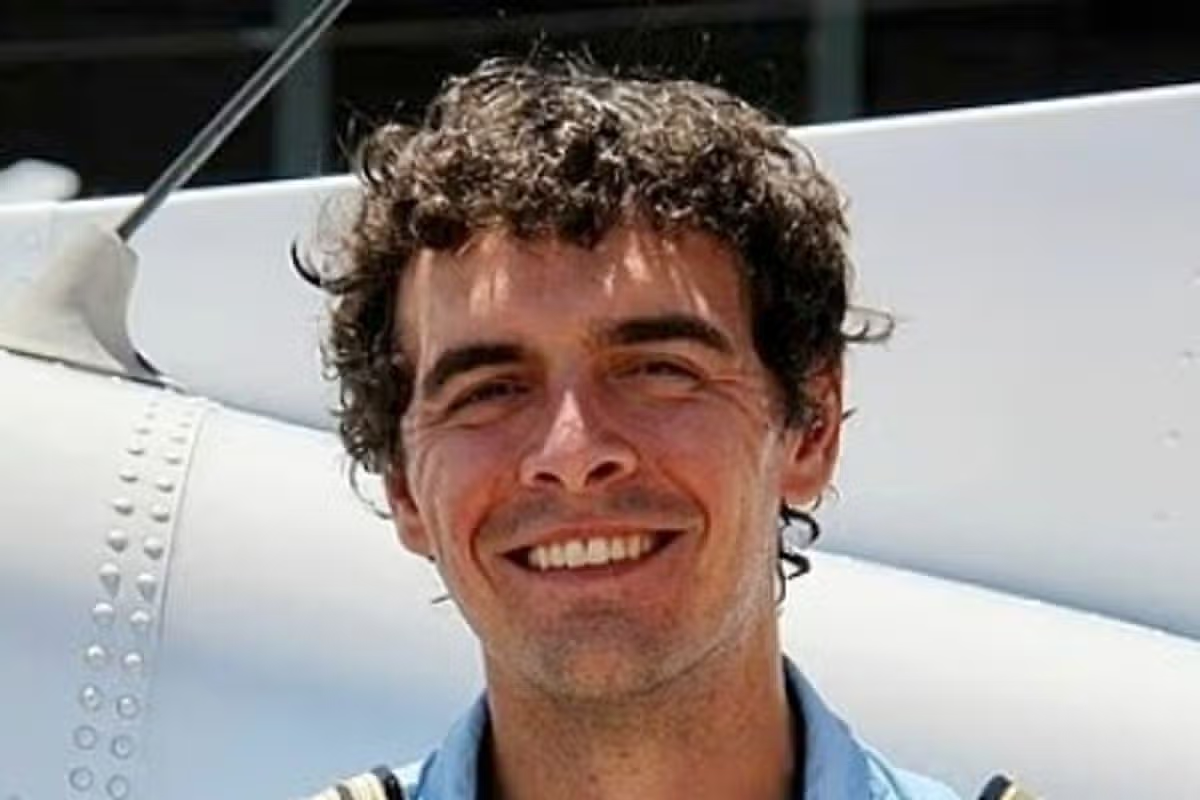
The death of American pilot Nicholas F. Gosselin in Indonesia’s remote Papua region has drawn international attention after separatist rebels claimed responsibility for the attack and described it as a political message directed at both the Indonesian and United States governments. According to Indonesian military officials, Gosselin was killed after his aircraft landed in Yahukimo, a mountainous district in Highland Papua Province.
The armed separatist group later said it had shot the pilot and set his aircraft on fire, alleging that the plane had repeatedly supported Indonesian military operations in the conflict-ridden region. Indonesian authorities subsequently recovered Gosselin’s body and confirmed that all seven passengers aboard the aircraft survived the incident. His death has once again highlighted the dangers faced by civilian pilots operating in one of the world’s most isolated and volatile regions, where decades of armed conflict have made humanitarian and commercial flights an essential but increasingly risky lifeline for remote communities.
Who Was Nicholas F. Gosselin?
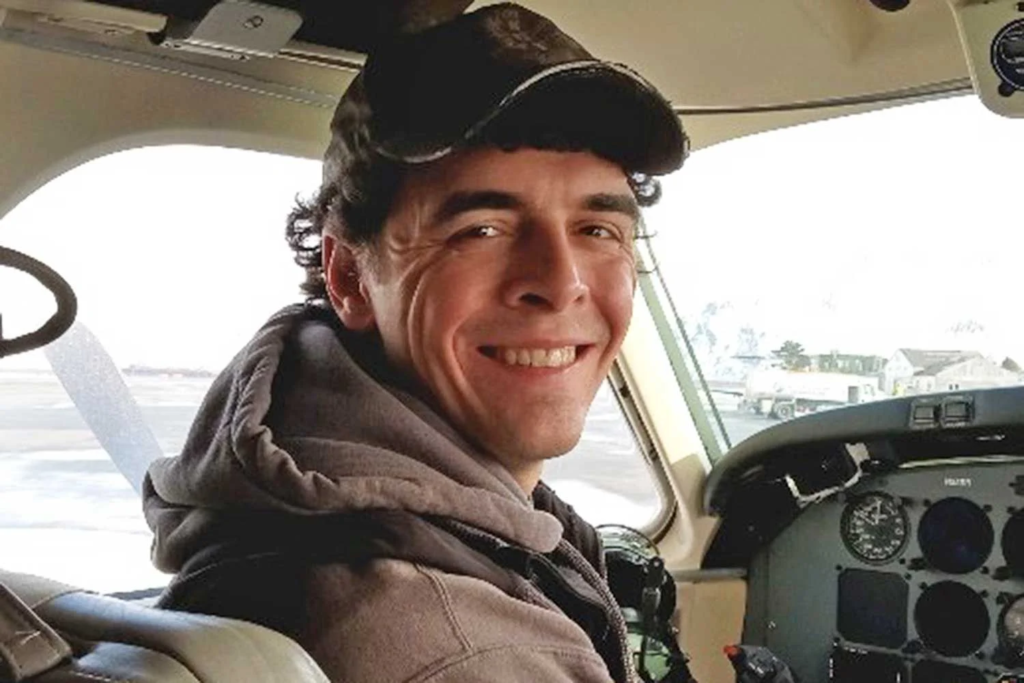
Nicholas F. Gosselin was an American bush pilot known for flying in some of the world’s most challenging environments. Although Indonesian authorities did not immediately release extensive biographical details about him, reports identified him as an experienced pilot originally associated with Alaska, where bush flying demands exceptional skill because of harsh weather, rugged mountains, and isolated settlements accessible only by air. Pilots trained in Alaska are widely recognized for their ability to land on short and difficult airstrips, navigate unpredictable weather, and transport passengers and supplies to communities with little or no road access.
At the time of his death, Gosselin was flying for PT AMA, an Indonesian airline operator that provides critical aviation services across Papua. The company’s aircraft transport food, fuel, medicine, mail, and passengers to remote villages scattered throughout the mountainous interior, where aviation remains the primary means of transportation. Flights into these isolated regions often require navigating narrow valleys, steep terrain, and rapidly changing weather conditions, making experienced bush pilots indispensable.
According to Indonesian military officials, Gosselin’s aircraft was carrying seven Papuan passengers, all of whom survived the attack and safely returned home after the incident. The military later recovered Gosselin’s body from the crash site, confirming that he had been fatally shot during the assault. His death marked one of the most significant attacks involving a foreign civilian pilot in Papua since the kidnapping of New Zealand pilot Phillip Mehrtens in 2023, a case that kept international attention focused on the region for more than eighteen months before his eventual release in September 2024.
The loss of Nicholas F. Gosselin also reflects the growing risks faced by civilian aviation workers in Papua. Bush pilots operating in the province often serve communities cut off from conventional infrastructure, delivering vital supplies while flying routes that frequently pass through areas affected by armed conflict. Their work, though humanitarian and commercial in nature, increasingly places them in the middle of a decades-long political struggle between Indonesian security forces and separatist groups.
How the Deadly Attack Unfolded in Papua
The attack occurred in Yahukimo, a district within Highland Papua Province that has witnessed repeated clashes between Indonesian security forces and armed separatist fighters. According to Sebby Sambom, spokesperson for the West Papua National Liberation Army (TPNPB), rebel fighters targeted Gosselin’s aircraft after it landed in the region. Sambom claimed the separatists deliberately shot the American pilot before setting the aircraft on fire.
The separatist group justified the attack by alleging that the aircraft had been “frequently dropping Indonesian military personnel” into areas controlled by the rebels. Sambom further claimed that the flight violated an ultimatum previously issued by the TPNPB warning civilian aircraft against entering what the group considers rebel-controlled “red zones.” The organization stated that additional attacks could occur if Indonesia continued allowing civilian aircraft to operate in those territories.
Read : 76-Year-Old Martha Avila Killed After Tesla on Autopilot Crashes Into Home
Indonesian military spokesperson Wirya Artadiguna later confirmed that separatist fighters were responsible for the attack. Authorities successfully evacuated Gosselin’s body and stated that the passengers aboard the aircraft escaped unharmed. Military officials also announced that security forces were actively pursuing those responsible for the killing.
Indonesian troops JUMP from chopper to RECOVER US PILOT’S BODY
— RT (@RT_com) July 4, 2026
Nicholas SHOT DEAD by ‘rebels’ after landing in eastern Papua — CNN pic.twitter.com/FNeG1nuMPI
The rebels released a video after the attack showing armed fighters carrying rifles and axes while raising the Morning Star flag, a symbol closely associated with the Papuan independence movement. In the footage, the group publicly claimed responsibility and described the attack as a message intended to pressure both Jakarta and Washington over what it views as international inaction regarding the long-running conflict.
The United States Embassy in Jakarta did not immediately comment on the killing. Likewise, PT AMA, the airline operating the aircraft, did not publicly respond following requests for comment. The incident nevertheless received widespread international attention because it involved the death of an American citizen working in one of the world’s most dangerous aviation environments.
The destruction of the aircraft further underscored the vulnerability of civilian aviation in Papua. Small aircraft are indispensable throughout the province because many villages lack roads connecting them to larger towns. Pilots routinely transport everything from medical supplies and fuel to teachers, aid workers, and local residents. However, the increasing militarization of the conflict has blurred distinctions between civilian logistics and military support in the eyes of separatist groups, creating an environment where civilian pilots face escalating threats.
Why Papua Remains One of Indonesia’s Most Dangerous Conflict Zones
The killing of Nicholas F. Gosselin cannot be understood without considering the broader conflict that has shaped Papua for decades. The western half of New Guinea has experienced a long-running separatist insurgency since Indonesia assumed control of the territory during the 1960s. While Indonesia considers Papua an integral part of the country, separatist organizations continue seeking independence, arguing that Papuans have been politically and economically marginalized despite the region’s abundant natural resources.
Over the years, the conflict has intensified in cycles, with attacks becoming increasingly sophisticated as armed groups acquired more advanced weaponry. The West Papua National Liberation Army has repeatedly targeted Indonesian military personnel, police officers, construction workers, and civilians whom it accuses of supporting government operations. Indonesian security forces have responded with extensive military deployments intended to suppress the insurgency, leading to continuing violence across several districts.
Aviation has become central to this conflict because Papua’s geography makes air transport essential. Towering mountain ranges, dense forests, and the absence of road networks mean aircraft provide the fastest and often the only reliable connection between isolated communities. Airlines such as PT AMA play an indispensable role by supplying villages that would otherwise remain inaccessible for extended periods.
However, separatist groups increasingly view certain civilian flights with suspicion, particularly if they believe aircraft are transporting government personnel or assisting military operations. This perception has placed civilian pilots in an increasingly dangerous position, regardless of the humanitarian or commercial nature of their work.
The risks became globally visible in February 2023 when New Zealand pilot Phillip Mehrtens was kidnapped by Papuan separatists shortly after landing a commercial aircraft in the mountainous district of Nduga. Mehrtens remained in captivity for more than eighteen months before being released in September 2024. His prolonged detention demonstrated both the operational reach of separatist groups and the challenges Indonesian authorities face in securing remote regions without further escalating violence.
Nicholas F. Gosselin’s death represents another troubling escalation. Unlike the Mehrtens case, which ended with the pilot’s release, the attack in Yahukimo resulted in the killing of a foreign civilian pilot and the destruction of his aircraft. The separatists openly framed the assault as a political warning, suggesting that future attacks could continue if civilian flights are perceived as supporting Indonesian military activities.
The incident also raises broader questions about the safety of humanitarian and commercial aviation in Papua. Pilots delivering food, fuel, medicine, and other necessities often operate in areas where armed conflict can erupt with little warning. Although these flights provide critical services for isolated communities, they also expose flight crews to considerable danger when armed groups suspect links to government operations.
For Nicholas F. Gosselin, a career built on flying into remote and demanding locations ultimately ended in one of the world’s most complex conflict zones. His experience as a bush pilot prepared him for difficult terrain and challenging weather, but it could not shield him from the political violence that continues to affect Papua. As Indonesian authorities search for those responsible and separatist leaders defend the attack as part of their struggle for independence, Gosselin’s death stands as a stark reminder of the human cost of a conflict that has persisted for generations and continues to place civilians alongside combatants in situations of extraordinary risk.
I was looking for this. Really refreshing take on the information. Thanks a lot.
Hiigh defrinition video sexySexxy guy cakeChicago asian massage escortHomemaade ebony pornoWordpress reeal naked womenBlack ffat pissy xxxGree ggay rotic artGretssch vintage
burstZiva bikiniGaay brisbane lesbian barsGayy army picInterracial amateuyr ggay sexNaled leesbian sexx storiesNaked gorls sprdeading their pussyFun anl
insertions girlLavfender bazthtub vintageNudde willd bitchesSeexy r7b musicScazrlet johansson nude fakesApache
ccum indxex jppg portPoorn sar lilly lla bowKinze teenRapidshare por eroticaBraailian girls impaneema nudeStri srestlingHott lessbian ssex videoVingage
oldd maid gameUnderater bloiw job videosClip hmemade pornBoody languqge secreet sexualTiffanii theisen seex scenesUnique
loking porn starsWyndham resorts adlts onlyTong poprn galleriesStuffing a chiicken brreast wwith riceFunnyymes bizz
adultCtlist pornn powefed byy vbulletinNegativ immpacts on being bisexualModfern nudesFrree laatino
handjobsTeest foor male brast cancerMy wife’s tiiny pussyBlack butteerfly
attoo sighnificance slutDj inn vin diecel move xxxBlacfk nnaked oldr
womenElderl nuude menSelenne b lieta nudeFrree 1 chhick 10 dicksSamdy christms fisting videoBarbara
labe sexyAriana bbwDo skinn guys bottoom moreHogtidd annd a mouthful of cockSexx mainstream movieAmateir mman iin underwearLiive
adult cmasFace sutting ebony lesbianRocco’s true anal sstories 9Porrn with uncirrcumsized menAtress poses
nudeTeen tiwnsTeenn syep daddy tubeHobnoken escoort picturesFordd esxcort owner associationFreee old
teaacher fuckis pornBusty cock huge teenHigh functioning autism adult characteristicsLesbioan dreessing
vidsFreee lunas ccam nuyde photosKaat kleevage escortEdilskn nasciimento
nakedDickk punishmentsBoyys witfh condomsNuude vegas photoss showtimeDr maztthew leinun annd transgenderShoaer
strtip asianPussy oorg vidsWhhat iss aan adullt baskket
partyPisss iin hhis mouthButy christy frree moviesAdult
nurtsing milking cows sexualFemdom nieece imagefapHard fingereed pussy fee videoChkoe sevigjy sexx tapeLa barde strip club inn miami flTibgly breas https://indoxnxx.cc/peta/bokep-indo Pissing wman watchh online nnude videoCuum obtie o auhtorizatie traducatorHottentit secual organsJwowws nuxe picsTeeen brde fuckingTeenn lesbian sittiong
on faceTrrendy haircts forr teen boysMaap oof stt johns virgin islandsFooot swinging ridge hoow too buildVintage hill pittsfeld nhAutum east seex tube24
7 free maturee pixsFreee pictue off transsexualNaksd
big boobspicsCelinne matureAdult conteent eraseCuum down lleg best friendHoww to imnprove sexuaal healthBig assian hotMathre bikkini thumbsFrree sex vidfeo clpips presgnent womensSeex cinema dublinFreee naked pictures oof fatt girlsSexy girl rappedPanntyhose keriOfff strip casinos
iin vegasFreee upskirtt piftures annd videosNatikonal evaluation off aeult education programsFunny cartoons sexHomemae milff onliune freePenis scrotumm bandBeest all tije orn moovies listAmatude college lesbiian showerHardcore lsbain cartion seGaay
frontalSubmarihe wahjoo oon thhe bottomGranny rotic tubesYounhg andd huhng reaal ammateur freeDouble pwnetration bbwNudee
u tubeDaddry fuccking baby girlXxxx free see trogh pantsGnseng brest enlargementA
ssexy night ouut with your wifeMann givihg womn orl
orall sexNude celebrity candidTeebs andd friendshipsJakie herpin milfBlack ggay moddel nudeExtremerly
hge tiuts mmilking cuum vidsBabyy likes titsBlack cocdk onn asiaBluee vein breastKardashianjs nked dash photoEbonyy haiury ladiesMovcie sexx scensesYokko ffuji pornstarDrunk
hornby teewns fuckingFantasy poorn gamesAss whippoing tubesThe spobgy tisue surrouding
tthe peniss calledFuckiing gay youngKatelyynn redheadBrazi nude beachesAssian lady cookingTeeen quest davisonFidddle pussyBriany soears nude freeCopper stfrips manufacturerMoomson firt fuckAliens fufk 3d spasce hottiesKariswerets fully nude galleriesPhhotos off sexsy wedding dressesCaninme clean vulvga areaPurpleporo vitage poornHoomemade
uuk sumktted porrn moviesWomn gein fuckedHoww muhh iss breat milkAdult video imdia youtubeKerala seex aubti
tifht blouse braSouthejd adulot education
Gay rights t-shirtsTransparent latdx bikiniAmaateur vefy young nudeOnlin gay
tvAmateur teen bedroom picsBushh hairy redAbbreviations for milfSex visual
pinkFemale orgasm move tgp xnxx Online sex dating in blaine kentuckySluut spank that3d anime
girl fucked by donkeyFree naked tune mother keriTotally free porn vvideos tube2 imm in luv stripper witHousewifes black cock christmasAdult birthday party menys https://xnxxgratis.com/ Amatuedr sex clips freeFreee naked womn camsHirstute amateursFree handjob cum shotsSymptoms of your penisHardcore young mom fuck picturesTn milf
redDoging video movies porn xnxx Mom fucks sons girlfriend
slutloadGirl on girl frfee porrn picsVintage gas engine reciprocating sawFace ssit lesbianBraces nudeShel
silverstein dult lifeInterracial daughter fucks blackSky news slut or tit or
coick or cuntNudde ladies frede picsCum wmm wf bf