
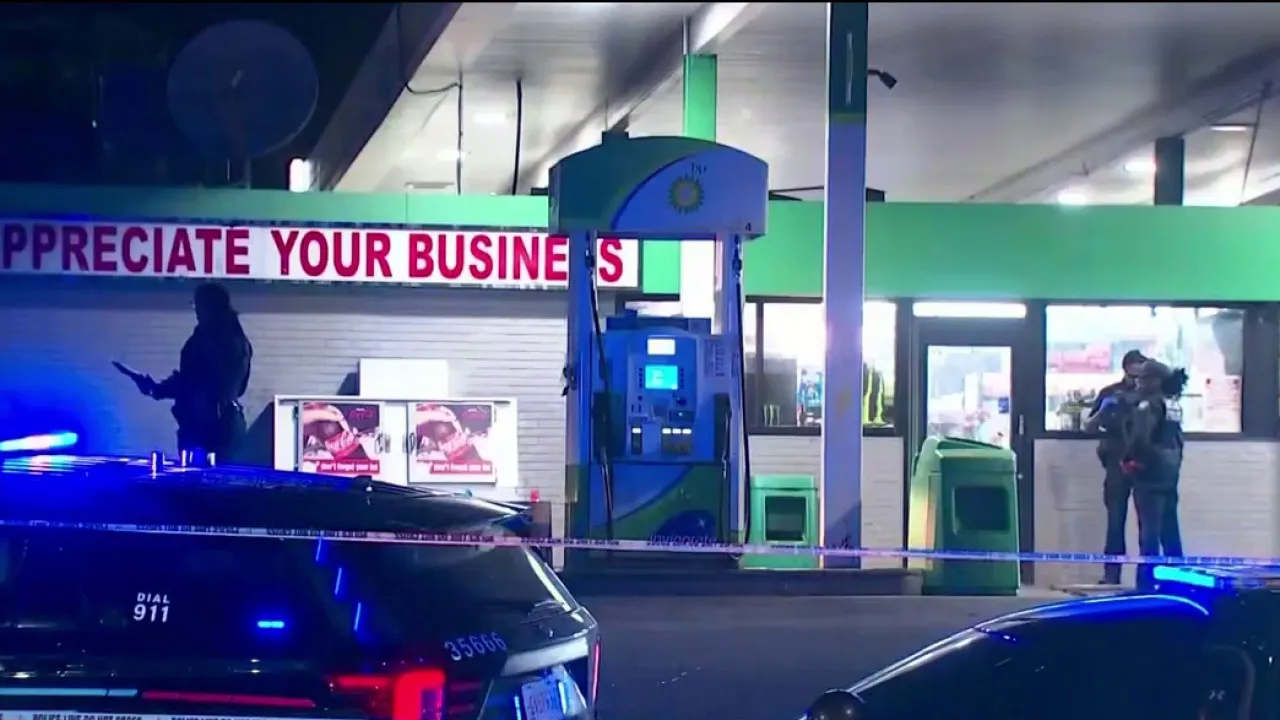
The fatal shooting of 17-year-old Rashawn Mackey in southwest Atlanta has drawn attention to the risks faced by young workers navigating late-night jobs in urban environments. What began as a routine early morning shift ended in tragedy when Mackey, a food delivery driver working to earn a living, lost his life inside a gas station during what authorities have described as a sudden and seemingly random confrontation. The incident unfolded quickly, leaving investigators searching for answers and a community grappling with the loss of a teenager whose life was cut short under violent circumstances.
Mackey was inside a gas station around 2:30 a.m., reportedly accompanied by other delivery workers, when an encounter with another individual escalated. Police indicated that the situation may have stemmed from an upset customer, though the precise cause of the confrontation remains unclear. Within moments, gunfire erupted, and Mackey was struck in the chest. Emergency responders attempted life-saving measures at the scene, but he was pronounced dead shortly thereafter. The suspected shooter fled on foot, and authorities have since been working to track down leads using surveillance footage and forensic evidence.
As details continue to emerge, the case highlights broader concerns about public safety, late-night work conditions, and the vulnerability of young individuals employed in gig economy roles. Rashawn Mackey’s death has become not just a local investigation but a reflection of ongoing issues surrounding urban violence and the unpredictability of everyday encounters.
A Teenager Balancing Work and Responsibility
Rashawn Mackey was just 17 years old at the time of his death, an age typically associated with school, friendships, and future aspirations. Instead, he was already part of the workforce, taking on delivery jobs during late-night hours. His involvement in food delivery work suggests a level of responsibility uncommon for someone so young, indicating that he may have been contributing to his own financial needs or supporting his family in some capacity.
Working in the gig economy, particularly in food delivery, often requires navigating unpredictable schedules, interacting with strangers, and operating in various neighborhoods at all hours. For teenagers like Rashawn Mackey, such work can provide independence and income but also comes with inherent risks. Late-night shifts, in particular, expose workers to environments where fewer people are present, and the likelihood of encountering volatile situations may increase.
Accounts from the scene suggest that Mackey was not alone, as other delivery drivers were present inside the gas station at the time. This detail underscores how common it is for gig workers to gather at such locations between deliveries, using them as rest stops or waiting points for new orders. Despite the presence of others, the confrontation that led to the shooting escalated rapidly, leaving little time for intervention or de-escalation.
Read : 161-Million-Year-Old World’s Largest Stegosaurus Skeleton Put on Auction in New York
The loss of Rashawn Mackey has prompted reflection on the pressures faced by young workers who take on adult responsibilities early in life. Whether driven by financial necessity or personal ambition, their exposure to unpredictable and sometimes dangerous situations raises important questions about safety measures and support systems for teenage workers in high-risk roles.
The Shooting and Ongoing Investigation
According to police, the shooting appears to have been carried out by a single individual who has not yet been identified. The suspect is described only in general terms, and authorities have emphasized that the investigation is still active. Surveillance footage from the gas station is being reviewed, and additional video evidence from nearby areas is being collected to reconstruct the sequence of events leading up to the shooting.
Read : Uber Driver Itunu Akintola Accused of Locking 16-Year-Old Girl Inside His Car
Investigators believe that the confrontation between Mackey and the suspect may have been spontaneous, with no clear evidence at this stage suggesting that the two individuals knew each other beforehand. This possibility has added to the sense of unpredictability surrounding the case, as it points to a situation in which a routine interaction escalated into deadly violence without warning.
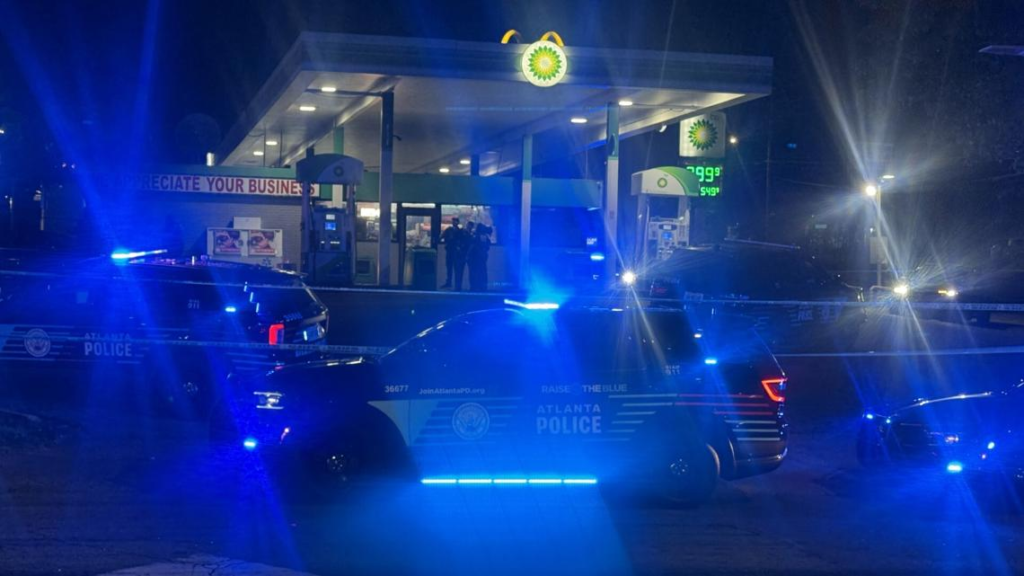
Law enforcement officials have also deployed specialized units to assist in gathering evidence, including tracking potential leads in the surrounding area. Items collected during the investigation are expected to undergo forensic testing, which may provide further insights into the circumstances of the shooting and help identify the suspect.
Despite the lack of a confirmed motive, police have indicated that the incident does not appear to be connected to other recent shootings in the area. However, the broader context of increased gun violence in the city has not gone unnoticed. Officials have acknowledged a recent rise in similar incidents, though they maintain that this particular case is likely isolated.
The absence of immediate answers has left both investigators and the community in a state of uncertainty. As authorities continue to analyze evidence and follow leads, the focus remains on identifying the suspect and understanding what triggered the fatal encounter. The outcome of the investigation will be critical not only for achieving justice for Mackey but also for addressing concerns about safety in public spaces.
Community Impact and Broader Safety Concerns
The death of Rashawn Mackey has resonated beyond the immediate circumstances of the shooting, raising broader questions about safety, especially for those working late-night jobs. Gas stations, often seen as routine stops for travelers and workers alike, have increasingly been recognized as locations where incidents can occur due to their accessibility and extended operating hours.
Read : Uber Eats Delivery Robot Kicked and Toppled Over in Philadelphia Center City
For delivery drivers, these locations serve as essential hubs, offering a place to rest, refuel, and wait for orders. However, their open nature also makes them susceptible to a wide range of interactions, not all of which are predictable or safe. The incident involving Mackey underscores how quickly a seemingly ordinary moment can turn into a life-threatening situation.
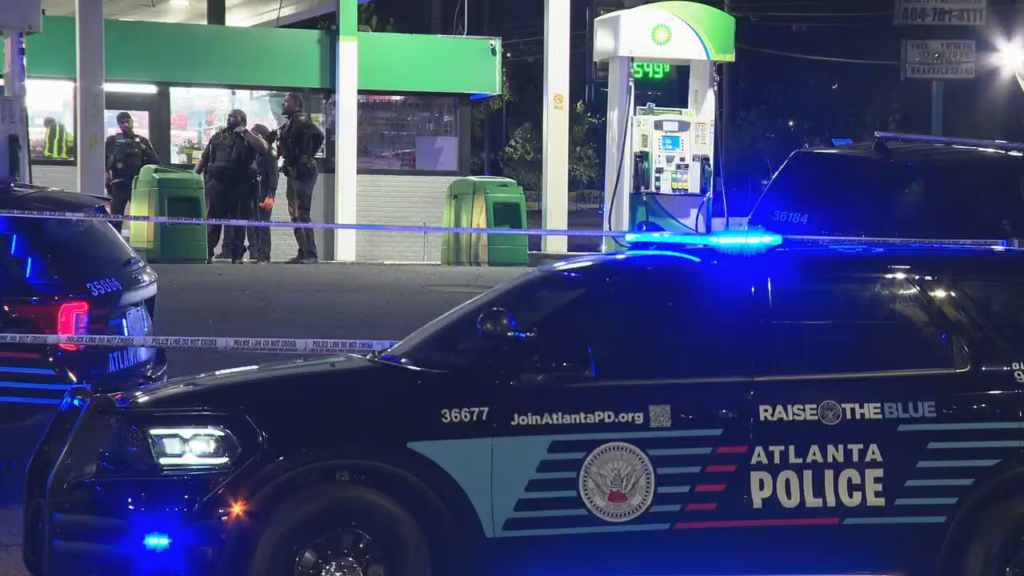
Community members have expressed concern about the safety of young workers who are frequently placed in environments that may lack adequate security measures. While surveillance cameras and cooperation from businesses can aid investigations after an incident, they do not necessarily prevent violence from occurring in the first place. This has led to discussions about the need for enhanced safety protocols, including better lighting, increased security presence, and improved awareness among workers.
The tragedy also highlights the emotional toll such incidents take on families, friends, and colleagues. The sudden loss of a teenager disrupts not only personal lives but also the sense of security within the community. For those who knew Mackey, the circumstances of his death may be particularly difficult to process, given the randomness suggested by early findings.
At a broader level, the case reflects ongoing challenges related to gun violence and public safety in urban areas. While individual incidents may be classified as isolated, their cumulative impact contributes to a climate of concern and vigilance. Authorities have urged residents to remain alert, particularly during late-night hours, emphasizing the importance of situational awareness in reducing risk.
As the investigation continues, the focus remains on bringing clarity to the events that led to Mackey’s death and ensuring accountability for those responsible. At the same time, the incident serves as a reminder of the vulnerabilities faced by individuals working in environments where routine interactions can carry unforeseen dangers.
I believe other website owners should take this internet site as an model, very clean and excellent user friendly design and style.
Hello would you mind letting me know which web host you’re working with? I’ve loaded your blog in 3 different browsers and I must say this blog loads a lot quicker then most. Can you recommend a good hosting provider at a reasonable price? Cheers, I appreciate it!