

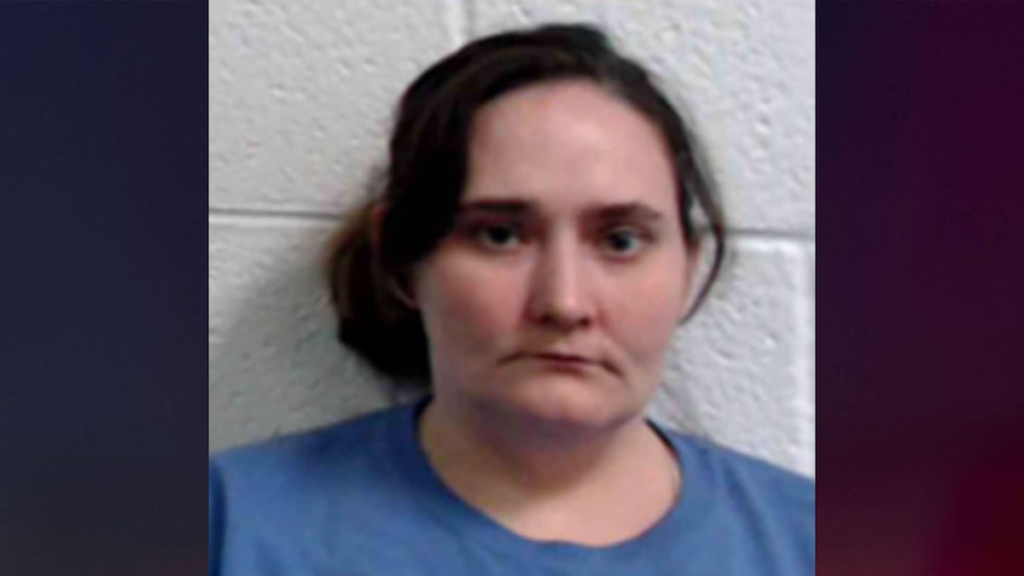
A West Virginia woman has been handed two life sentences after pleading guilty to the brutal killing of her four-year-old daughter, bringing a deeply disturbing case to a legal conclusion while leaving lasting emotional scars on the surviving family members. Rebakah Weikle, 33, admitted to first-degree murder and child abuse resulting in death in connection with the killing of her young daughter, Haley, in July 2022.
The sentencing, delivered on April 30, reflects the severity of the crime, though Weikle will be eligible for parole after serving 30 years. The case has drawn attention not only because of the horrific nature of the act itself but also due to the chilling details that emerged during the investigation, including evidence of premeditation and the calculated steps taken both before and after the killing.
Disturbing Details Of The Crime And Evidence Of Premeditation
Investigators revealed that the killing occurred late at night or in the early hours of July 12, 2022, inside the family’s home in the Forest Hill area. According to prosecutors, the events unfolded after Haley’s father and her two brothers had gone to bed, leaving the child alone with her mother. At some point during the night, Weikle instructed Haley to go to bed, then made a deliberate decision to retrieve a knife from the kitchen.
What followed was a calculated and deeply disturbing act. Prosecutors stated that Weikle used a blanket or pillow to cover the child’s mouth, specifically to prevent her husband from hearing anything. She then fatally cut the child’s throat. Authorities indicated that the injury caused death quickly, suggesting the attack was both targeted and decisive. The method and execution of the act pointed strongly toward premeditation rather than a sudden outburst of violence.
Further reinforcing this conclusion were findings from Weikle’s phone. Prosecutors discovered that in the weeks leading up to the killing, she had conducted a series of internet searches focused on harming others. These searches included inquiries about stab wounds, fatal injuries, and how long it takes for someone to die after being stabbed. While the searches were not explicitly directed at her daughter, their nature and timing raised serious concerns about intent and planning. Investigators believe these searches coincided with what was described as a growing sense of jealousy and animosity toward the child.
Read : Woman Gets More Jail Time Than Rapist After She Insults Him in Germany
The motive presented by prosecutors centered on this jealousy. According to statements made during the case, Weikle had become resentful of the attention her husband was giving to their daughter. The father later expressed his anguish publicly, stating that he had simply been trying to care for and protect his child. The suggestion that such a motive could lead to such an extreme act added another layer of tragedy to an already devastating case.
Actions After The Killing And The Morning Discovery
Equally unsettling were the actions taken by Weikle immediately after the killing. Prosecutors detailed a sequence of events that suggested a clear attempt to conceal the crime. After fatally injuring her daughter, she reportedly cleaned the weapon and hid it. She also used the washing machine, likely in an effort to remove evidence, and concealed her clothing among other garments in the home.
Read : Nicole Kidman’s Daughter Sunday Rose Breaks Met Gala Age Rule With 2026 Debut
Perhaps the most shocking detail to emerge was her behavior following these actions. After cleaning up, Weikle woke her husband, and the couple engaged in sexual activity before returning to bed. This aspect of the case was highlighted by prosecutors as indicative of her state of mind and the extent to which she attempted to carry on as though nothing had happened.
Throughout the night and into the early morning hours, Weikle continued using her phone. Investigators found that she conducted additional searches related to the crime, including queries about throat injuries and forensic evidence such as fingerprints. These searches, occurring after the act had already been committed, suggested a continued effort to understand or possibly evade detection.
The following morning, the situation came to light in a devastating manner. Weikle informed her husband that their daughter was not awake. When he suggested waking her, she responded that the child was dead. The father then went to the bedroom and discovered Haley’s body, prompting an emergency call to authorities.
Initially, both parents were charged in connection with the child’s death. However, as the investigation progressed, it became clear that the father had no involvement in the crime. Prosecutors stated that he consistently maintained his account of events and that evidence supported his lack of knowledge about what had occurred during the night. The charges against him were ultimately dropped in relation to the murder itself.
Legal Outcome And Impact On The Family
The legal proceedings concluded with Weikle pleading guilty to both first-degree murder and child abuse resulting in death. As part of her sentencing, she received two life terms, a decision that reflects the gravity of the crime and the vulnerability of the victim. While she will be eligible for parole after 30 years, the sentencing ensures that she will spend a significant portion of her life in prison.
Read : 51-Year-Old Angela Martin Arrested After Shooting Daughter and Son-in-Law During Fight Over Money
The case also involved legal consequences for the child’s father, who pleaded guilty to child neglect resulting in death and additional counts of neglect creating a substantial risk of harm. While he was not involved in the killing itself, the charges highlight the broader context in which the tragedy occurred and the legal responsibilities associated with child welfare.
Beyond the courtroom, the impact on the family has been profound. The father has spoken openly about his grief and anger, emphasizing the loss of his daughter and the circumstances surrounding her death. His statements reflect the enduring emotional toll of the incident, as well as the difficulty of reconciling the actions of someone he once trusted.
Haley’s two brothers, who were in the home at the time of the killing but unaware of what was happening, have since been placed with relatives out of state. Their relocation represents an effort to provide stability and safety in the aftermath of the tragedy, though the long-term psychological effects of such an event are likely to be significant.
The case has also drawn attention to issues surrounding mental health, domestic dynamics, and the warning signs that may precede acts of extreme violence. The documented internet searches and reported feelings of jealousy raise questions about whether earlier intervention could have altered the outcome. However, such questions often remain complex and difficult to answer definitively in hindsight.
In the broader context, the sentencing of Rebakah Weikle serves as a stark reminder of the potential consequences of unresolved emotional distress and the importance of safeguarding vulnerable individuals, particularly children. The legal resolution provides a measure of accountability, but it does little to ease the profound loss experienced by those left behind.