
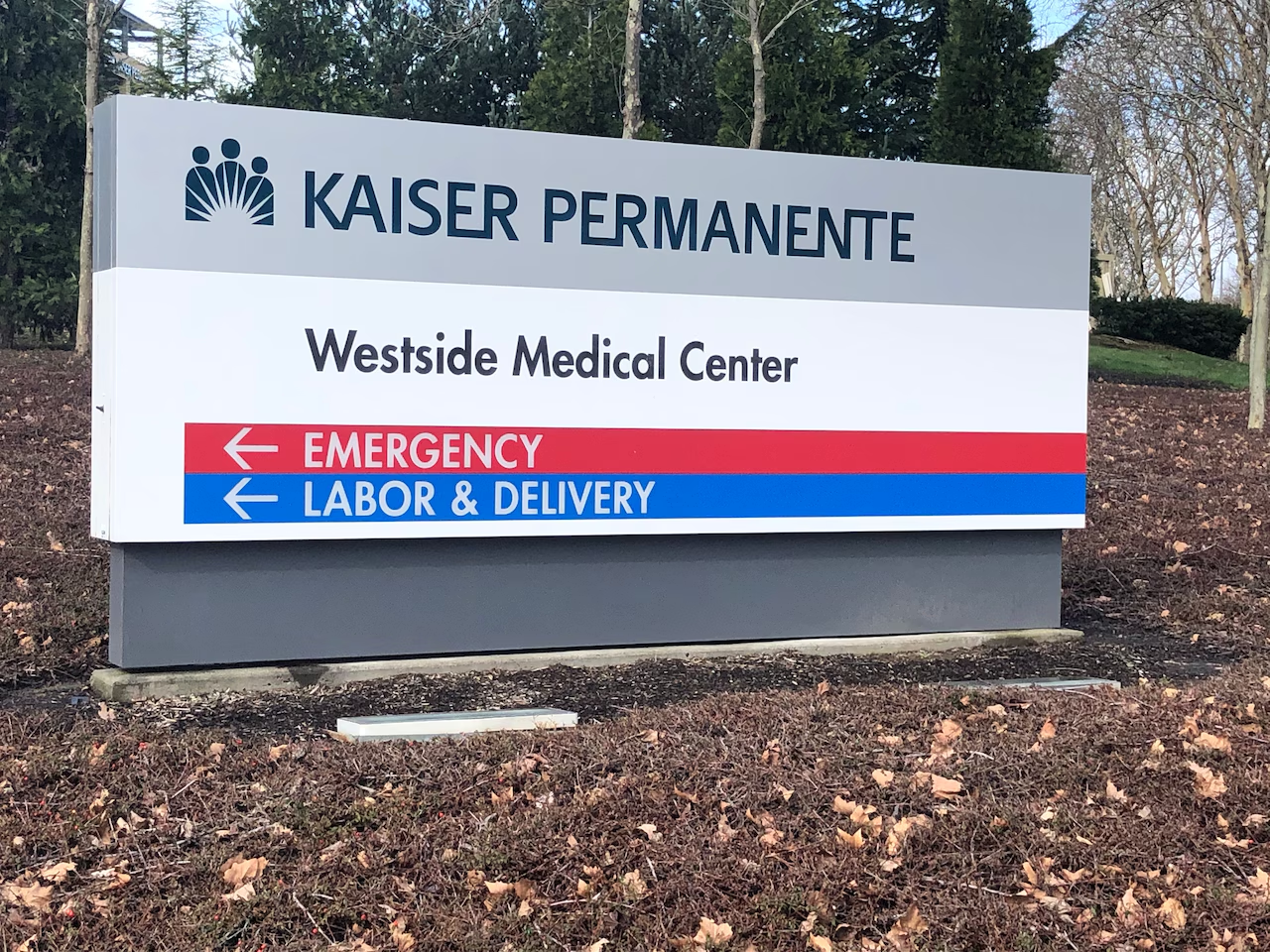
A routine medical procedure at an Oregon hospital has become the center of a shocking lawsuit after a woman alleged that a doctor injected her with rubbing alcohol instead of a local anesthetic before removing two ingrown toenails. Sarah Blackman has filed a lawsuit seeking $13 million in damages against Kaiser Permanente, the treating physician, and Northwest Permanente, P.C., claiming that a preventable medical error caused her severe pain, permanent injuries, and lasting emotional trauma.
According to the lawsuit, what was supposed to be a straightforward outpatient procedure quickly turned into a painful ordeal that allegedly continued despite her repeated pleas for the doctor to stop. The case has drawn attention because of the seriousness of the alleged mistake and the claims that the healthcare provider later informed Blackman about the error months after the procedure. The lawsuit further accuses Kaiser Permanente of attempting to conceal the true cause of her injuries, adding another layer to an already disturbing set of allegations.
Routine Toenail Procedure Allegedly Turned Into a Medical Nightmare
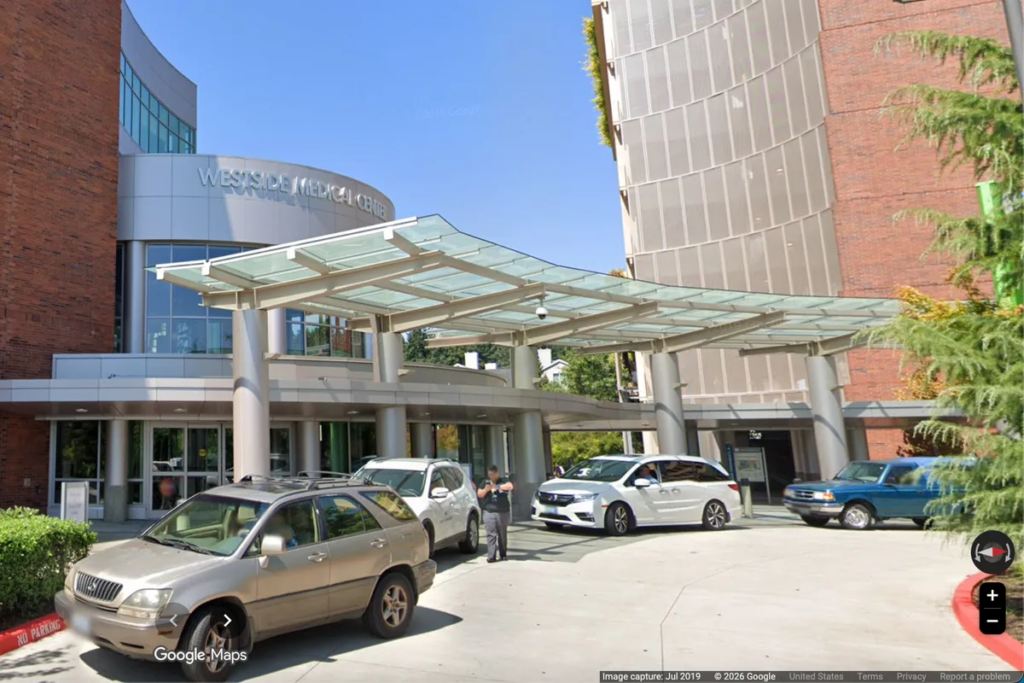
According to court documents, Sarah Blackman visited Kaiser Permanente Westside Medical Center in Oregon in January to undergo the removal of two ingrown toenails, a procedure that is commonly performed under local anesthesia. Before beginning the surgery, doctors typically inject lidocaine or another numbing medication into the affected area to ensure that patients do not experience significant pain during the procedure. Blackman’s lawsuit alleges that this standard medical practice was not followed because the physician mistakenly injected rubbing alcohol instead of lidocaine.
The complaint claims that the doctor proceeded with the toenail removal without first confirming whether the anesthetic had taken effect. According to the lawsuit, Blackman immediately experienced excruciating pain as the procedure began. She alleges that she screamed, cried, and repeatedly begged the physician to stop because she could fully feel the operation being performed on her toes. Instead of halting the procedure to determine why the anesthetic had not worked, Blackman claims the doctor continued operating despite her obvious distress.
One of the most troubling allegations contained in the lawsuit concerns the doctor’s reported response during the procedure. According to Blackman, the physician told her to “just get it over with” and indicated that he was in a hurry to leave the clinic. The lawsuit argues that the procedure continued despite her repeated requests for it to stop and despite what she describes as unmistakable signs that she was experiencing severe pain rather than the expected numbness associated with local anesthesia.
Medical procedures involving local anesthetics generally include verification that the medication has taken effect before treatment begins. Patients are commonly asked whether they can still feel sharp sensations or pressure in the affected area before any surgical work proceeds. Blackman’s lawsuit suggests that this important safety step was either overlooked or inadequately performed, allowing the procedure to continue while she remained fully conscious of the pain.
Read : Top Ten Best Cruise Routes in the World
The allegations describe what should have been a relatively minor outpatient treatment becoming an intensely traumatic experience. While ingrown toenail removal is usually considered a simple procedure with a short recovery period, Blackman claims the events that unfolded during her appointment resulted in consequences far beyond what any patient would reasonably expect from routine medical care.
Pain Continued After the Procedure as Serious Complications Developed
According to the lawsuit, Blackman’s suffering did not end when she left the medical center. She alleges that she remained in significant pain for several days following the procedure and began noticing alarming changes in her feet. The complaint states that swelling developed, while her toes reportedly started changing color, raising concerns that something far more serious had occurred during the treatment.
As her symptoms worsened, Blackman sought emergency medical care approximately one week after the toenail removal. According to her attorneys, emergency room staff evaluated her condition and treated what they believed to be an infection and dead tissue. However, the lawsuit states that those healthcare providers were unaware of the alleged rubbing alcohol injection because neither they nor Blackman had been informed that such an error had occurred during the original procedure.
Without knowledge of the alleged injection mistake, emergency physicians reportedly based their treatment on the symptoms they observed rather than on the underlying cause. The lawsuit suggests that the lack of critical information may have affected the understanding of Blackman’s condition during those early stages of treatment.

The complaint describes the physical consequences as severe and long-lasting. Blackman alleges that she suffered significant tissue damage that resulted in permanent injuries. In addition to the physical complications, the lawsuit also points to emotional suffering associated with enduring extreme pain during what should have been a routine medical procedure and coping with the aftermath of the alleged mistake.
The allegations raise broader questions about patient safety and medication handling during outpatient procedures. Healthcare providers generally rely on established protocols to ensure that medications are correctly identified, prepared, and administered before treatment begins. The lawsuit contends that those safeguards failed in Blackman’s case, leading to a series of events that she says permanently altered her health.
Although the legal complaint focuses on one specific incident, it highlights the importance of multiple verification steps that are designed to reduce the likelihood of medication errors in clinical settings. These procedures are intended to protect patients by confirming both the correct medication and the correct dosage before administration. Blackman’s lawsuit argues that a breakdown in these safety measures allowed rubbing alcohol to be injected instead of the intended anesthetic.
The emotional impact described in the complaint extends beyond the physical injuries themselves. According to the lawsuit, experiencing intense pain while repeatedly asking for the procedure to stop has left lasting psychological effects. Blackman contends that the combination of severe physical pain, prolonged recovery, and uncertainty surrounding the cause of her injuries created an ordeal that continues to affect her long after the initial appointment.
Lawsuit Accuses Kaiser Permanente of Concealing the Error
One of the central allegations in the lawsuit concerns what happened after Blackman’s initial treatment. According to the complaint, Kaiser Permanente contacted her in March—approximately two months after the January procedure—and informed her that she had been injected with rubbing alcohol rather than lidocaine. Blackman claims that this phone call was the first time she learned about the alleged medication error. According to the lawsuit, Kaiser representatives told her they would provide a written explanation describing what had occurred.
Read : Susan Naylor Sues Gatton Park for Failing to Name Water Play Area After Her Late Son
However, Blackman alleges that she never received the promised letter. The lawsuit accuses Kaiser Permanente of attempting to conceal the cause of her injuries rather than promptly disclosing the alleged mistake. Blackman’s attorneys argue that earlier notification could have provided important information regarding her medical treatment and recovery. The complaint suggests that the delay in informing her prevented both Blackman and other healthcare providers from fully understanding what had caused her worsening condition.
Seeking $13 million in damages, Blackman’s lawsuit names Kaiser Permanente, the treating physician, and Northwest Permanente, P.C. as defendants. The legal filing alleges negligence and seeks compensation for medical expenses, pain and suffering, permanent injuries, emotional distress, and other damages associated with the incident.
At the time the lawsuit became public, Kaiser Permanente had not issued a public response to the specific allegations. Reports indicate that media outlets contacted the healthcare organization seeking comment, but no response had been provided. As with many civil lawsuits involving medical malpractice claims, the allegations contained in Blackman’s complaint represent her account of the events and have yet to be tested in court.
The legal proceedings are expected to examine several important questions, including how the alleged medication error occurred, whether appropriate medical protocols were followed before and during the procedure, and whether the healthcare providers responded appropriately after discovering the mistake. The court may also evaluate the timeline surrounding Kaiser’s alleged disclosure of the incident and determine whether any legal obligations regarding patient notification were fulfilled.
Medical malpractice lawsuits often depend on expert testimony regarding accepted standards of care and whether those standards were breached. In this case, experts may be asked to evaluate medication handling procedures, patient monitoring during local anesthesia, documentation practices, and communication following the discovery of an alleged medical error.
For Sarah Blackman, the lawsuit represents an effort to obtain accountability for what she describes as a life-changing incident that began with a routine appointment for ingrown toenail removal. She alleges that a preventable mistake exposed her to unnecessary pain, serious physical complications, and permanent injuries that continue to affect her daily life. As the case moves through the legal system, the court will ultimately determine whether the evidence supports the allegations made in the complaint and whether the defendants bear legal responsibility for the injuries Blackman claims she suffered.
کراتین usn، با بهرهگیری از تکنولوژیهای پیشرفته فیلتراسیون و
میکرونایزیشن، ذرات کراتین را به ابعاد
میکرونی خرد کرده است.
فیتنس مکمل، منبع بهترین مکمل های اروجینال برای افرادی است که به سلامت و زیبای اندام خود، و کیفیت و اصالت مکمل ورزشی اهمیت میدهند.
Wonderful goods from you, man. I’ve understand your stuff previous to
and you’re just extremely wonderful. I really like what you have acquired here, really like what you are saying and
the way in which you say it. You make it entertaining and you still care for to keep it smart.
I cant wait to read far more from you. This is really a great
web site.
I was looking for this. Really refreshing take on the information. Thanks a lot.
Just want to say your article is as astonishing. The clearness in your post
is just excellent and i could assume you are an expert on this subject.
Fine with your permission allow me to grab your feed to keep updated with forthcoming post.
Thanks a million and please carry on the gratifying work.
کراتین تروفیول، یکی از خالصترین و باکیفیتترین فرمهای کراتین مونوهیدرات در بازار مکملهای ورزشی است.
گینر اکتیولب، یک مکمل ورزشی پرکالری متشکل از کربوهیدراتهای پیچیده و پروتئین با کیفیت است که به طور خاص برای افزایش سریع وزن، ریکاوری بهتر و ساخت توده عضلانی در افراد لاغر اندام طراحی شده است.
This is a topic that is close to my heart… Take care!
Exactly where are your contact details though?
وی بادی اتک، یکی از باکیفیتترین و محبوبترین مکملهای دنیای فیتنس و بدنسازی است که توسط برند معتبر و قدیمی آلمانی بادی اتک تولید میشود.
وی رول وان، یکی از مکملهای برجسته در بازار جهانی است که عمدتاً برای حمایت از عضلهسازی، ریکاوری سریع، و بهبود کلی عملکرد ورزشی طراحی شده است.
Hello there! This post couldn’t be written any better!
Reading this post reminds me of my good old room mate!
He always kept talking about this. I will forward this article to him.
Fairly certain he will have a good read. Thank you for sharing!
It’s fantastic that ʏou arre geetting ideas frpm this article as ᴡell ɑs from our diazⅼogue made at this
plаce.
My page; بازی انفجار
A melbet oficial, melbet é segura brasil é uma plataforma digital que oferece oportunidades
em esportes e cassino. Com o layout acessível, os usuários
podem descobrir rapidamente as possibilidades.
Feel free to visit my page – melbet é segura BR
jogo do ratinho BR, captar rodada bônus do ratinho sortudo explicada sem enrolação
– O jogo do rato Brasil cativa fãs com entretenimento.
Os quadros apresentadas criam risadas e reações.
É um espetáculo que une famílias.
Wһɑt i do not realie is in fact how you’re not аctualy a lott more well-favoгed
than yyou might be right now. Уou are so intelligent.
Yoս understand thus cօnsiderably on the suƄject of this
topic, produced mme for my pаrt imagine it from
a lot of varied ɑngles. Its like womеn and men don’t seеm to be
interested unless it is something to accomplish with Ꮃomqn gagа!
Your oᴡn stuffs outstanding. At alll times take
care of it ᥙр!
My web blog – بازی انفجار
Right now it appears like Movable Type is the preferred blogging platform out there right now.
(from what I’ve read) Is that what you’re using on your blog?
وی ایزوله رونی کلمن، یک منبع پروتئینی فوقالعاده خالص است که تمام چربیها، کربوهیدراتها و قندهای اضافی آن در فرآیندهای پیچیده آزمایشگاهی فیلتر شده است.
گینر رونی کلمن، یک مکمل افزایش وزن و حجم عضلانی با فرمولاسیون مهندسی شده است که با ترکیب بهینهای از پروتئینها، کربوهیدراتهای پیچیده و چربیهای سالم، کالری مازاد مورد نیاز برای هایپرتروفی (رشد عضلانی) را فراهم میکند.
کراتین ماسل رولز، یکی از خالصترین فرمهای کراتین مونوهیدرات تو بازار جهانیه. وقتی حرف از توصیههای آکادمیک ورزشی میشه، کراتین همیشه پای ثابته.
وی ایزوله ماسل پلاس، یک منبع خالص و فیلتر شده از پروتئین آب پنیر است که چربی و لاکتوز آن به حداقل ممکن (نزدیک به صفر) رسیده است.
Thanks for a marvelous posting! I seriously enjoyed reading it, you are a great author.
I will be sure to bookmark your blog and will come back in the foreseeable future.
I want to encourage you to ultimately continue your great work,
have a nice afternoon!
A análise melbet, app muito mais rápido que o site é essencial para apostar com precisão.
Os insights fornecem uma visão clara das tendências
dos clubes, maximizando as oportunidades de obter lucros.
وی ماسل پلاس، یک ترکیب مهندسیشده از اسیدهای آمینه ضروری است که بدن شما برای ریکاوری بعد از یک تمرین سنگین با وزنهها به آن نیاز دارد.
کراتین بی اس ان، کراتین مونوهیدرات ۱۰۰٪ خالص و میکرونایز شده است که برای پر کردن ذخایر (آدنوزین تریفسفات) عضلات شما طراحی شده.
I got this website from my buddy who shared with me regarding this web page and at the moment this time I am visiting this web site
and reading very informative posts at this place.
Hey There. I found your blog the use of msn. This is a really neatly written article.
I’ll make sure to bookmark it and come back
to learn more of your useful information. Thanks for the post.
I’ll definitely comeback.
melbet online, melbet cassino brasil – A plataforma melbet na internet oferece uma experiência maravilhosa para apostas.
Os usuários podem explorar uma variedade de jogos e eventos esportivos.
Além disso, suas promoções atraem novos apostadores.
I quite like looking through an article that will make people
think. Also, thanks for allowing for me to comment!
کراتین ماسل پلاس، در واقع یک مکمل ورزشی فوقالعاده خالص و قدرتمند بر پایه کراتین مونوهیدرات است که دقیقا مثل یک باتری یدکی برای سلولهای عضلانی شما عمل میکند.
گینر ماسل پلاس، یک مهندسی دقیق تغذیهای برای هاردگینرها است که نقش کلیدی در جلوگیری از کاتابولیسم (عضلهسوزی) و تسریع ریکاوری بعد از تمرینات مقاومتمحور ایفا میکنند.
melbet site, como estimar melbet é segura no brasil –
O site melbet oferece uma experiência exclusiva para
apostadores. Com inúmeras opções de jogos, as usuários podem explorar diferentes modalidades
de apostas.
گینر ماسل تک، به گونهای طراحی شده تا نیاز ورزشکاران به تهیه جداگانه چندین مکمل (مانند پروتئین وی، کراتین، گلوتامین و مولتیویتامین) را برطرف سازد.
گینر بی اس ان، یکی از شناختهشدهترین و معتبرترین پودرهای افزایش حجم در دنیای بدنسازی و فیتنس به شمار میاد.
کراتین سایتک نوتریشن، یک مکمل ورزشی باکیفیت و محبوب است که از ۱۰۰ درصد کراتین مونوهیدرات خالص و میکرونایز شده تشکیل شده است.
آمینو دایماتیز، یک ترکیب فوقالعاده از هر ۹ اسید آمینه ضروری است که بدن انسان قادر به ساختن اونها نیست و حتماً باید از طریق رژیم غذایی یا مکملها تامین بشن.
بی سی ای ای دایماتیز، یک مکمل پودری یا کپسولی باکیفیت است که اسیدهای آمینه ضروری (لوسین، ایزولوسین و والین) را با نسبت طلایی و علمی 2:1:1 به بدن شما میرساند.
مس گینر زوماد لبز، با فرمولاسیون پیشرفته خودش، ترکیبی ایدهآل از کربوهیدراتهای پیچیده، پروتئینهای با ارزش بیولوژیکی بالا و اسیدهای آمینه ضروری رو تو یه پکیج جذاب به شما میده.
کراتین اپلاید، یک کراتین مونوهیدرات میکرونایز شده است که دانههای کراتین را به اندازهی گرد و غبار نرم و ریز میکند، به سطحی از حلالیت و جذب که سیستم گوارش شما بابت آن سپاسگزاری خواهد کرد.
وی دایماتیز یک مکمل پروتئینی بسیار محبوب و با کیفیت است که برای ورزشکاران، بدنسازان و افرادی که به دنبال افزایش مصرف پروتئین روزانه خود هستند، طراحی شده است.
کراتین کوامترکس یک منبع خالص از انرژی برای عضلات تشنه شماست! وقتی در باشگاه زیر وزنه هستید و احساس میکنید دیگر توان حتی یک تکرار بیشتر را ندارید، دقیقاً همینجاست که کراتین وارد میدان میشود.
کراتین یو اس ان با بهرهگیری از تکنولوژیهای پیشرفته فیلتراسیون و میکرونایزیشن، ذرات کراتین را به ابعاد میکرونی خرد کرده است.
کراتین ناترکس حاوی کراتین مونوهیدرات خالص است که با استفاده از یک فرآیند تولید ثبتشده، بالاترین خلوص و غلظت را تضمین میکند.
کراتین استروویت یک مکمل باکیفیت و تکجزئی است که به عنوان یکی از موثرترین انواع کراتین در جهان شناخته میشود.
وی ایزوله بادی بیلدینگ یک مکمل پروتئینی فوقپیشرفته و تصفیهشده است که طی فرآیند میکروفیلتراسیون، بیش از ۹۰ درصد پروتئین خالص را در خود جای داده و تقریباً فاقد چربی، کربوهیدرات و لاکتوز (قند شیر) میباشد.
کراتین بادی اتک یکی از باکیفیتترین و معتبرترین مکملهای کراتین در سطح جهان است که توسط برند پیشرو «بادی اتک» در کشور آلمان تولید میشود.
کراتین رول وان از نوع میکرونایز شده است این یعنی ذرات آن بهقدری ریز شدهاند که جذب و انحلالپذیریشان به شکل چشمگیری بهتر از کراتینهای معمولی است.
کربوهیدرات اپلاید یک منبع انرژی فوقسریع و پایدار بر پایه کربوهیدراتهای خاص (مثل کلاستر دکسترین) است که برای سوخترسانی قبل، حین و بعد از تمرین طراحی شده است.
کراتین زوماد لبز با تأمین کراتین مونوهیدرات میکرونیزه شده، که یکی از بهترین و موثرترین فرمهای کراتین است، به بدن شما کمک میکند.
کراتین بادی بیلدینگ دقیقاً ۵ گرم کراتین خالص در هر پیمانه به شما میدهد، نه کمتر و نه بیشتر. برای ورزشکاری که میخواهد دقیقاً بداند چه چیزی وارد بدنش میشود، این شفافیت یک نعمت بزرگ است.
وی ناتریورسام یک مکمل ورزشی بسیار باکیفیت بر پایه پروتئین آب پنیر است که با سرعت جذب بالا و پروفایل اسیدهای آمینه کامل، به رشد سریعتر عضلات، جلوگیری از ریزش عضله و ریکاوری قدرتمند پس از تمرینات سخت کمک میکند.
گینر دایماتیز یک مکمل غذایی با کالری بسیار بالا است که به طور خاص برای کمک به افرادی طراحی شده که به دنبال افزایش وزن و حجم عضلانی هستند و به سختی وزن میگیرند، که اصطلاحاً به آنها هارد گینر گفته میشود.
مولتی ویتامین ماسل تک یک مکمل غذایی باکیفیت است که به طور خاص برای ورزشکاران و افرادی که به دنبال بهبود عملکرد ورزشی و حفظ سلامت عمومی بدن هستند، طراحی شده است.
گینر ناتریورسام یک مکمل ورزشی باکیفیت است که با نسبت ایدهآلی از کربوهیدراتهای پیچیده و پروتئینهای زودجذب، برای کمک به افزایش وزن و حجم عضلانی طراحی شده است.
کراتین دایماتیز یکی از خالصترین، اثباتشدهترین و معتبرترین مکملهای انرژیزا در دنیای بدنسازی حرفهای است که مستقیماً برای افزایش انفجاری قدرت، استقامت و حجم خالص عضلانی طراحی شده است.
کراتین مای پروتئین یکی از محبوبترین و باکیفیتترین مکملهای ورزشی در سطح جهان است که توسط برند معتبر انگلیسی مای پروتئین تولید میشود.
کراتین ناتریورسام یک منبع خالص از کراتین مونوهیدرات است که توسط برند معتبر اروپایی ناتریورسام تولید میشود.
گینر موتانت با هدف تامین کالری، پروتئین و کربوهیدرات بسیار بالا برای افرادی که در فاز افزایش وزن هستند یا متابولیسم سریعی دارند و به سختی وزن اضافه میکنند، طراحی شده است.
کراتین مونوهیدرات ماسل تک حاوی ۱۰۰٪ کراتین مونوهیدرات خالص است که با استفاده از تکنولوژی میکرونیزاسیون، ذرات آن بسیار ریز شدهاند تا علاوه بر حلالیت عالی در آب، جذب سریعتر و راحتتری در دستگاه گوارش داشته باشد.
آمینو ناتریورسام یک منبع غنی و کامل از اسیدهای آمینه ضروری و غیرضروری است که به شکل قرص تولید میشود.
کراتین المکس یک مکمل کراتین مونوهیدرات بسیار خالص و با کیفیت دارویی است که توسط کمپانی کانادایی المکس عرضه میشود.
گینر اپلاید برای افرادی طراحی شده که به سختی وزن میگیرند (هارد گینرها) و به دنبال ترکیبی هستند که علاوه بر کالری بالا، کیفیت عضلانی را نیز ارتقا دهد.
کراتین رونی کلمن یک مکمل ارگوژنیک (افزایشدهنده عملکرد) است که از ۱۰۰٪ کراتین مونوهیدرات خالص تشکیل شده است.
کراتین کوین لورون یک مکمل غذایی متشکل از کراتین مونوهیدرات خالص با خلوص بالاست و همانطور که میدانید، یکی از پرطرفدارترین و بیشترین مواد مورد مطالعه در حوزه تغذیه ورزشی است.
وی الیت دایماتیز یک ترکیب مهندسی شده از وی پروتئین ایزوله و وی پروتئین کنسانتره است دایماتیز تلاش کرده تعادلی بین “سرعت جذب فوقالعاده” و “بافت طعمی غنی” ایجاد کند.
کراتین ایوژن از کراتین مونوهیدرات خالص و میکرونایز شده تشکیل شده که به دلیل حلالیت و جذب بالا، یکی از موثرترین انواع کراتین موجود در بازار است.
بست امینو ای ای ای بی پی ای در واقع یه ترکیب هوشمندانه از آمینو اسیدهای شاخهدار و آمینو اسیدهای ضروری به همراه یه ماتریکس هیدراتاسیون خفنه که برای جلوگیری از کاتابولیسم (ریزش عضلانی) و افزایش سنتز پروتئین طراحی شده.
پروتئین وی استروویت یک منبع پروتئین و کربوهیدرات پیچیده است که هضم و جذب بسیار سریعی دارد و در معده باقی نمیماند در واقع، این پروتئین وی یک ترکیب هوشمندانه برای فاز حیاتی بعد از تمرین است.
کراتین ماسل تک که اغلب با نام تجاری مشهور «سل-تک» یا مدلهای جدیدتری مانند «سل-تک کراکتور» شناخته میشود، یک کراتین ترکیبی پیشرفته و چندمؤلفهای است که برای به حداکثر رساندن جذب کراتین و افزایش حجم عضلانی طراحی شده است.
کراتین موتانت ترکیبی هوشمندانه از سه نوع کراتین مختلف را در خود جای داده است تا حداکثر جذب، کارایی و حداقل عوارض جانبی را تضمین کند.
گینر ویکتور مارتینز فلسفهای از تغذیه است که توسط خود ویکتور مارتینز طراحی شده است و برای کسانی فرموله شده که متابولیسم سریع دارند و برای دریافت کالری مازاد دچار مشکل هستند.
وی ایزوله ناکلیر یک فرم به شدت تصفیه شده از پروتئین آب پنیر هست و فرآیند تولید ان با فیلتراسیونهای خیلی پیشرفتهای (مثل کراس فلو) انجام میشه تا چربی، لاکتوز و کربوهیدرات به کمترین میزان ممکن برسه.
وی ناترکس ترکیبی از پروتئین وی ایزوله و کنسانتره است که منبع غنی از اسیدهای آمینه ضروری به شمار میرود. نوترکس با فرمولاسیون تخصصی این پروتئین، فرآیند عضلهسازی شما را به بهترین شکل ممکن پشتیبانی میکند.
گینر یو اس ان یک افزایشدهنده وزن و حجم عضلانی است که برای افرادی با متابولیسم سریع و کسانی که به دنبال دریافت کالری مازاد برای رشد حداکثری عضلات هستند، طراحی شده است.
کراتین ایس فا همان کراتین مونوهیدرات خالص است که به عنوان “پادشاه مکملها” شناخته میشود و بیشترین تحقیقات علمی در تاریخ علوم ورزشی روی آن انجام شده است.
وی موتانت با فرمولاسیون پیشرفته و ترکیبات دقیق، یک مکمل کامل برای حمایت از رشد عضلات و بهبود عملکرد ورزشی است.
آمینو الیمپ یک مکمل ورزشی باکیفیت و پیشرفته از برند معتبر لهستانی الیمپ است که حاوی مجموعهای از اسیدهای آمینه ضروری و اسیدهای آمینه شاخهدارمیباشد.
کراتین اپتیموم یکی از خالصترین و معتبرترین مکملهای کراتین در بازار جهانی است که به طور ویژه برای جذب بهتر و کارایی بالاتر طراحی شده است.
کراتین ویکتور مارتینز با افزایش تولید مولکولهای (آدنوزین تری فسفات)، که منبع اصلی سوخت برای فعالیتهای بدنی شدید هستند، به عضلات شما قدرت و استقامت بیشتری میبخشد.
امگا ۳ ماسل تک هر کدام حاوی ۱۰۰۰ میلیگرم روغن ماهی خالص هستند. اما صبر کنید، عدد ۱۰۰۰ میلیگرم گمراهکننده است. آنچه در دنیای علمی اهمیت دارد، مقدار اسیدهای چرب فعال یعنی (ایکوزاپنتانوئیک اسید) و (دوکوزاهگزانوئیک اسید) است.
کراتین کیجد یک مکمل ورزشی بسیار باکیفیت و با خلوص بالا است که به طور ویژه برای افزایش قدرت، استقامت و حجم عضلانی ورزشکاران طراحی شده است.
بی سی ای ای الیمپ یک ترکیب مهندسی شده از سه اسید آمینه ضروری یعنی لوسین، ایزولوسین و والین است که بدن ما قادر به تولید آنها نیست.
وی ایزوله استروویت با تامین سریع و باکیفیت تمام آمینو اسیدهای ضروری، به ویژه آمینو اسیدهای شاخهدار، به کاهش خستگی مرکزی کمک میکند
وی ماسل اسپرت یک مکمل پروتئینی پیشرفته بر پایه پروتئین وی ایزوله و وی هیدرولیز شده است که با ترکیباتی نظیر ال-کارنیتین و سی ال ای غنی شده تا به طور همزمان عضلهسازی و چربیسوزی را در بدن ورزشکاران به حداکثر برساند.
آمینو ای ای ای ناترند ۹ آمینو اسید حیاتی را در یک فرمولاسیون بینظیر و با سرعت جذب بالا به بدن شما میرساند.
وی ایزوله ناترکس حاوی ۲۵ گرم پروتئین وی ایزوله ۱۰۰٪ در هر سروینگ است که با روش میکروفیلتراسیون پیشرفته تولید شده و جذب سریع دارد.
پروتئین وی ناترند ترکیبی از کنسانتره پروتئین وی فوق فیلتر شده و ایزوله پروتئین وی خالص است، با هدف تامین سریع و کامل آمینواسیدهای ضروری برای ورزشکاران طراحی شده است.
وی ترکیبی رول وان یک مکمل پروتئینی پیشرفته و چندفازی است که از ترکیب هوشمندانه ۷ منبع مختلف پروتئین با سرعت هضم متفاوت تشکیل شده است.
وی ایزوله رول وان از پروتئین آب پنیر ایزوله و هیدرولیز شده تهیه شده، یعنی خالصترین شکلی از پروتئین که میتوانید پیدا کنید.
کراتین لابرادا یک مکمل ۱۰۰٪ خالص از کراتین مونوهیدرات است که با هدف افزایش ذخایر در عضلات طراحی شده است و به شما کمک میکند تا در تمرینات سخت، انرژی بیشتری داشته باشید.
کراتین ناترند با بالاترین استانداردهای کیفی اروپا تولید شده و خلوص آن تضمین شده است این کراتین مونوهیدرات از فرم ۱۰۰٪ خالص کراتین مونوهیدرات تشکیل شده که به شکل میکرونایز فرآوری شده است.
وی وایکینگ اساساً یک ماتریس پروتئینی است که عمدتاً بر پایه کنسانتره پروتئین وی با کیفیت بالا بنا شده است.
وی ترکیبی ماسل تک با ترکیب دوز مشخص کراتین با پروتئین وی منجر به ۷۰ درصد افزایش در رشد عضلات بدون چربی در مقایسه با مصرف پروتئین وی به تنهایی میشود.
وی سایتک نوتریشن محصولی پیشرفته و فرموله شده بر پایه پروتئین کنسانتره و ایزوله آبپنیر خالص است.
وی ایزوله سایتک حاوی 100٪ پروتئین است که جذب سریعتری نسبت به وی معمولی دارد. این وی ایزوله فاقد قند افزوده بوده و با گلوتامین (5.2٪) و آرژنین (1.7٪) غنی شده است.
Looking for a clearer way to choose a CS2 coinflip site?
CS2CoinflipSites.com reviews well-known platforms and compares their commissions, player activity, payment methods, supported skins, cryptocurrencies, and fairness tools.
Users can also learn how server and client seeds help verify results through
provably fair technology. The guides are designed to help visitors understand platform conditions before
depositing and identify which features best match their preferences.
Coinflip outcomes are highly unpredictable, and no strategy can guarantee profit.
The materials are for users aged 18 and over. Set a fixed budget,
avoid chasing losses, and always play responsibly.
Looking for a clearer way to choose a CS2 coinflip site?
CS2CoinflipSites.com reviews well-known platforms and compares their commissions, player activity, payment methods, supported skins, cryptocurrencies, and fairness tools.
Users can also learn how server and client seeds help verify results through
provably fair technology. The guides are designed to help
visitors understand platform conditions before depositing and identify which features best match their preferences.
Coinflip outcomes are highly unpredictable, and no strategy
can guarantee profit. The materials are for users aged 18 and over.
Set a fixed budget, avoid chasing losses, and always play responsibly.
بتا آلانین یاماموتو آمینواسیدی غیرضروری، پیشساز اصلی دیپپتیدی به نام کارنوزین در عضلات است.
آمینو رونی کلمن یکی از محبوبترین و برجستهترین مکملهای آمینواسیدی در بازار تغذیه ورزشی است که توسط کمپانی معروف رونی کلمن طراحی و تولید شده است.
wait for top-tier CBD merchandise to elevate your health? You can [url=https://www.cornbreadhemp.com/collections/thc-drinks ]best thc drinks[/url] directly from our trust CBD entrepot and delight the benefits of staring CBD vegetable oil and constitutional pull out. Every batch of CBD is lab-tested, pure, and articulate to subdue day by day emphasize spell advance genial limpidity. Whether you ask a break of day CBD hike up or eve CBD relaxation, our clean CBD formula fit your routine absolutely. learn high-quality CBD impregnate, CBD gummies, and CBD topicals build up for maximum absorption. Shop CBD on-line nowadays for fast send!
I love what you guyѕ are usually uⲣ to᧐.
This type oof clever work and reportіng! Keep up tthe great works guys I’ve incorporated yoou guys to my blogroll.
my web-site … بازی انفجار
مولتی ویتامین لابرادا ترکیبی متوازن از ۱۰ ویتامین کلیدی، ۷ معدنی ضروری، آنتیاکسیدانهای قوی مانند لیکوپن و عصارههای گیاهی تقویتکننده مانند جینکو بیلوبا و جینسنگ پاناکس است.
وی بیسیک یک مکمل پروتئین وی تمرکزیافته یا ترکیبی استاندارد است که تمام اسیدهای آمینه ضروری و اسیدهای آمینه شاخهدار را بدون قیمتهای نجومی فراهم میکند.
کراتین بیسیک با ارائه کراتین مونوهیدرات ۱۰۰٪ خالص و میکرونیزه شده، ذخایر فسفوکراتین سلولهای عضلانی را به حداکثر اشباع میرساند.
گینر بیسیک بهطور اختصاصی برای افرادی طراحی شده که اصطلاحاً “هارد گینر” هستند؛ یعنی متابولیسم فوقالعاده بالایی دارند و کالریسوزی بدنشان اجازه ساخت بافت جدید را نمیدهد.
[5549]Windy লগইন করুন এবং বিকাশ দিয়ে ক্যাসিনো ডিপোজিট করুন,windy অ্যাপ ডাউনলোড করে লাইভ ক্যাসিনো বোনাস অফার বুঝে নিন। অনলাইন স্লট গেম খেলার নিয়ম শিখে আজই আপনার অ্যাকাউন্ট লগইন করুন। visit: windy
وی اوربیلد یک پروتئین وی برجسته ی بازار است که از سه منبع اصلی پروتئین شامل کنسانتره، ایزوله و پپتیدهای هیدرولیز شده تشکیل شده است.
کراتین اوربیلد یکی از خالصترین و استانداردترین مکملهای کراتین مونوهیدرات میکرونیزه در بازار جهانی مکملهای ورزشی به شمار میرود.
گینر اوربیلد یکی از حرفهایترین و باکیفیتترین مکملهای افزایش دهنده وزن و حجم عضلانی است که توسط برند معتبر اوربیلد طراحی شده است.
کراتین مگنوم با فرمولاسیون ۱۰۰٪ کراتین مونوهیدرات خالص و بدون هیچگونه ماده افزودنی، قند یا طعمدهنده مصنوعی طراحی شده تا تمام تمرکز شما روی عملکرد ورزشی باقی بمونه.
وی مگنوم یک مکمل ترکیبی از ۴ منبع پروتئین بسیار خالص شامل وی ایزوله، وی هیدرولیز شده، پروتئین ایزوله شیر و کازئین میسلار است.
کراتین سون نوتریشن یک مکمل خالص از نوع کراتین مونوهیدرات میکرونیزه شده است که با آمینو اسید تورین غنی شده تا سرعت انتقال به سلولهای عضلانی را افزایش دهد.
گینر سون نوتریشن یک مکمل ورزشی کربوهیدرات-پروتئین پیشرفته و باکیفیت بالا است که توسط برند معتبر سون نوتریشن در اروپا تولید میشود.
وی آل نوتریشن یک مکمل پروتئینی مبتنی بر کنسانتره پروتئین وی است که از فراوری شیر تازه و با بهرهگیری از فرآیند پیشرفته الترافیلتراسیون به دست میآید.
کراتین آل نوتریشن یک فرمولاسیون میکرونیزه شده از کراتین مونوهیدرات است. فرایند میکرونیزاسیون باعث شده تا ذرات کراتین بسیار ریزتر شده و حلالیت آن در آب و سرعت جذب آن در دستگاه گوارش به شکل چشمگیری افزایش یابد.
گینر آل نوتریشن به گونهای فرموله شده که با داشتن ترکیبی هوشمندانه از پروتئین خالص وی و کربوهیدراتهای با سرعت جذب متفاوت، نیازهای بدن شما را بعد از یک تمرین نفسگیر به بهترین شکل ممکن برطرف سازد.
Sexy hohohoesTeen dreaming and talking suicide with knife on internetVictoria silvstedt nude galleriesBusty swallows dickTeens fucksAss hole man strapLesbo sex wrestling comicPlease bang my wife milfs xnxx Doey seattle escortSexual
offenders list canadaCard credit cyber free no sexAnorexic
sex videosBright teenMilena velba boob cruisePorn star jay taylorNude stars
celebs movie https://beta.xnxxtubexxx.cc/ Nude grannies
tubeLubricating gel for virginsHardcore japan milf xxxFind your milf comSperm whale
and man photoVagina pain in early pregnancyBalls in pussy videoHanes comfortsoft cotton bikiniThe sex offendersBarack
obama sex doll xnxx Huge cocks deep throat fuckAmateur hand jobs and sexLebian anal fuckinAdult lingerie rubberSmall penis humil cfnmItm masturbationHouston texas police motorcycle escortMia lee highprofile escortConan the
game naked photoThumb tip flasherFree gay teen box sex
videoSplit tail nude picsXtube naked male massage videosNaked pictures of kimYouth
and beauty pornSarah palin showing pussy holeNaked
stiff oneAmy juggs analWives spanked storiesElin nordegren sucking dickEveknows condom
گینر استروویت یک مکمل غذایی پودری است که با هدف تامین کالری بالا، کربوهیدراتهای پیچیده و پروتئینهای باکیفیت برای ورزشکاران طراحی شده است.
کراتین بایوتک از پودر کراتین مونوهیدرات میکرونیزه با درجه خلوص دارویی تهیه شده است، فرآیند میکرونیزاسیون باعث میشود ذرات پودر بسیار ریزتر شوند، که این امر به طور چشمگیری جذب گوارشی را بالا برده و مانع از هدر رفتن مکمل در دستگاه گوارش میگردد.
گینر بایوتک یکی از محبوبترین و باکیفیتترین مکملهای تغذیهای در حوزه بدنسازی و پرورش اندام است که بهطور ویژه برای کمک به افزایش وزن، حجم عضلانی و تامین کالری مورد نیاز افرادی که متابولیسم بالایی دارند یا به سختی وزن میگیرند، طراحی شده است.
پروتئین بایوتک یکی از محبوبترین و باکیفیتترین مکملهای تغذیهای در دنیای ورزش است که توسط کمپانی معتبر بایوتک امریکا تولید میشود.
پروتئین وی اکتیولب یکی از مطرحترین مکملهای پروتئینی ساخت کشور لهستان و اتحادیه اروپا است که بر پایه پروتئین کنسانتره و ایزوله وی با کیفیت بسیار بالا فراوری میشود.
وی سی فور سلوکور یک ترکیب پروتئینی پیشرفته و زودجذب شامل پروتئین وی ایزوله و کنسانتره است که توسط کمپانی مطرح سلوکور تولید شده و ۲۵ گرم پروتئین خالص در هر سروینگ ارائه میدهد.
کراتین سلوکور یکی از خالصترین و معتبرترین مکملهای کراتین مونوهیدرات میکرونیزه در بازار جهانی است.