
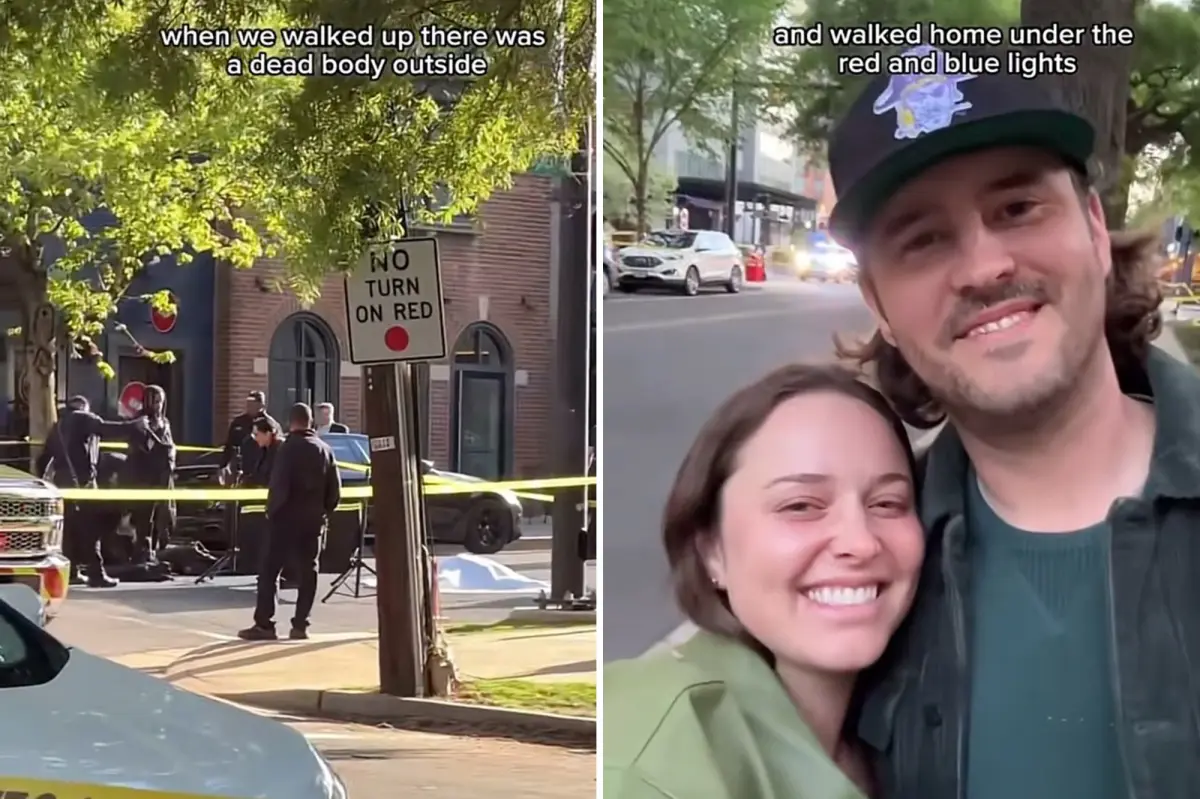
A social media controversy has erupted after influencer Sarah Stusek posted — and later deleted — a video that appeared to make light of a fatal accident scene encountered on her way to an anniversary dinner. The incident has drawn widespread criticism online, with many questioning the boundaries of content creation and the ethics of documenting real-life tragedies for engagement.
The backlash has been particularly intense given the circumstances surrounding the video, which included visible police activity and the reported presence of a deceased individual at the scene. The situation has reignited broader discussions about influencer responsibility, public sensitivity, and the consequences of blending personal moments with real-world emergencies.
The Video That Sparked Outrage
The controversy centers around a video originally shared by Sarah Stusek, a Washington, D.C.-based influencer known for lifestyle content and philanthropic efforts. In the now-deleted clip, Stusek documented what was intended to be a celebratory anniversary dinner with her husband, Eddie. However, the tone of the video quickly shifted into something that many viewers found deeply inappropriate.
At the beginning of the clip, Stusek acknowledged encountering a disturbing scene outside the restaurant. She remarked that she had not planned to film their evening but decided to do so after noticing what she described as a “dead body” outside the venue. The video reportedly included footage of a body lying in the street, with police officers actively investigating the situation nearby. Despite this, the couple proceeded with their dinner, capturing moments of their meal, interactions, and commentary throughout the evening.
One particular line from the video drew significant backlash: Stusek commented that they “enjoyed our evening under the red and blue strobe light,” referencing the flashing police lights present at the scene. The video concluded with the couple embracing and walking home, again referencing the police lights in a tone that many viewers interpreted as dismissive or insensitive.
Although the original post was removed, the video was reposted and circulated on platforms such as Reddit, where it quickly gained attention. Online users expressed shock not only at the decision to film in such a context but also at the perceived casual and humorous framing of a situation involving a recent death. Critics argued that the video trivialized a serious incident and failed to show basic respect for the victim and their family.
Read : Influencer Hernán Martínez Killed in Tragic Crash After Truck Collides With Tree
The timing and setting of the video further intensified reactions. According to official reports, the incident occurred near the intersection of North Saint Asaph and Montgomery streets, which corresponds to the location of the restaurant where the couple dined. Police responded to the scene following reports of a crash involving a pedestrian. Upon arrival, officers found a 62-year-old woman with life-threatening injuries, who was later pronounced dead at the scene.
Read : 20-Year-Old Woman Gets Addicted to Drinking Petrol: “It Cures the Depression”
The driver involved, a 46-year-old man operating a black Chevrolet Suburban, remained at the location and cooperated with authorities. The identity of the victim has not been publicly disclosed, adding another layer of sensitivity to the situation. For many observers, the juxtaposition of a fatal accident and a celebratory dinner video created a stark and troubling contrast that fueled the outrage.
Public Reaction and Ethical Concerns
The response to the video has been swift and overwhelmingly critical. Social media users, commentators, and online communities have raised concerns about the ethical implications of filming and sharing content in the immediate aftermath of a fatal incident. Many argued that the video crossed a line between documenting reality and exploiting tragedy for attention.
One of the central criticisms revolves around the perceived lack of empathy. Viewers pointed out that a person had just lost their life, yet the video appeared to treat the situation as a backdrop for entertainment. The inclusion of casual remarks and lighthearted commentary was seen as particularly inappropriate given the gravity of the circumstances. Critics emphasized that public figures, especially influencers with large audiences, have a responsibility to exercise judgment and sensitivity in such situations.
The backlash also reflects broader discomfort with the culture of constant content creation. In an environment where individuals are encouraged to document and share every aspect of their lives, the boundaries between private experience and public consumption can become blurred. This incident has prompted renewed debate about whether the pressure to produce engaging content is leading some creators to make questionable decisions.

Another key issue raised by critics is the normalization of filming in moments of crisis. The presence of cameras at accident scenes, emergencies, and other distressing events has become increasingly common, often driven by the desire to capture viral content. However, many argue that this trend undermines the dignity of those involved and shifts focus away from the seriousness of the situation.
Some responses have also highlighted the potential emotional impact on the victim’s family and loved ones. The circulation of such footage, particularly when accompanied by insensitive commentary, can compound the trauma experienced by those directly affected. Even though the victim’s identity has not been released, the visibility of the scene itself raises concerns about privacy and respect.
In addition to criticism, there has been discussion about accountability. While Stusek has not publicly commented on the incident, the deletion of the video suggests an acknowledgment of the backlash. However, many observers believe that removing the content does not fully address the issue, especially given its continued circulation online.
The controversy has also sparked conversations about the role of audiences in shaping influencer behavior. Some argue that consumer demand for constant updates and sensational content contributes to the pressures that lead to such incidents. Others maintain that responsibility ultimately lies with the creator, who must make ethical decisions regardless of external expectations.
A Complicated Public Image and Lasting Impact
The situation is particularly complex given Sarah Stusek’s prior public image. Before this controversy, she had gained recognition for her philanthropic efforts, including helping to pay off significant amounts of school lunch debt across the United States. Through her content and fundraising initiatives, she built a reputation as a socially conscious influencer committed to making a positive impact.
Read : 22-Year-Old Indian Medical Student Identified as Creator of AI ‘MAGA’ Influencer Emily Hart
As of late 2025, Stusek had reportedly contributed to clearing over $75,000 in overdue lunch balances, initially using her own funds before expanding the effort with support from her audience. This work earned her praise and helped establish a loyal following that viewed her as both relatable and altruistic. The current backlash, however, has complicated that narrative. For some supporters, the incident represents a stark departure from the values she previously promoted. The contrast between her charitable initiatives and the tone of the controversial video has led to questions about authenticity and consistency.

Public figures often face heightened scrutiny because their actions are amplified by their platforms. In this case, the same visibility that enabled Stusek’s philanthropic success has also intensified the criticism she is now facing. The incident serves as a reminder that a single piece of content can significantly influence public perception, regardless of past achievements.
The long-term impact on her career remains uncertain. Some influencers have managed to recover from similar controversies through public apologies, changes in behavior, or sustained efforts to rebuild trust. Others have struggled to regain credibility, particularly when the incident involves issues of sensitivity and respect.
Beyond the individual case, the controversy highlights ongoing challenges within the influencer industry. As social media continues to evolve, creators are navigating complex expectations around authenticity, engagement, and responsibility. Incidents like this underscore the need for clearer boundaries and greater awareness of the ethical implications of content creation.
The broader conversation extends to platforms themselves, which play a role in shaping what content is promoted and how it spreads. While users ultimately decide what to share, platform algorithms and community standards influence visibility and accountability. This raises questions about whether additional measures are needed to discourage the sharing of content that may be considered harmful or insensitive.
At its core, the backlash against Sarah Stusek’s video reflects a collective expectation that moments of real-world tragedy should be treated with seriousness and respect. While social media has transformed how people document their lives, it has also introduced new ethical dilemmas that continue to evolve. The incident serves as a case study in the potential consequences of failing to navigate those dilemmas carefully, particularly when the line between personal storytelling and public responsibility becomes blurred.
nohu90 là cổng game nổ hũ đổi thưởng chất lượng cao, cung cấp nhiều trò chơi hấp dẫn như slot, bắn cá và game bài online. Nền tảng hoạt động mượt mà, bảo mật tốt và hỗ trợ giao dịch nhanh chóng.