
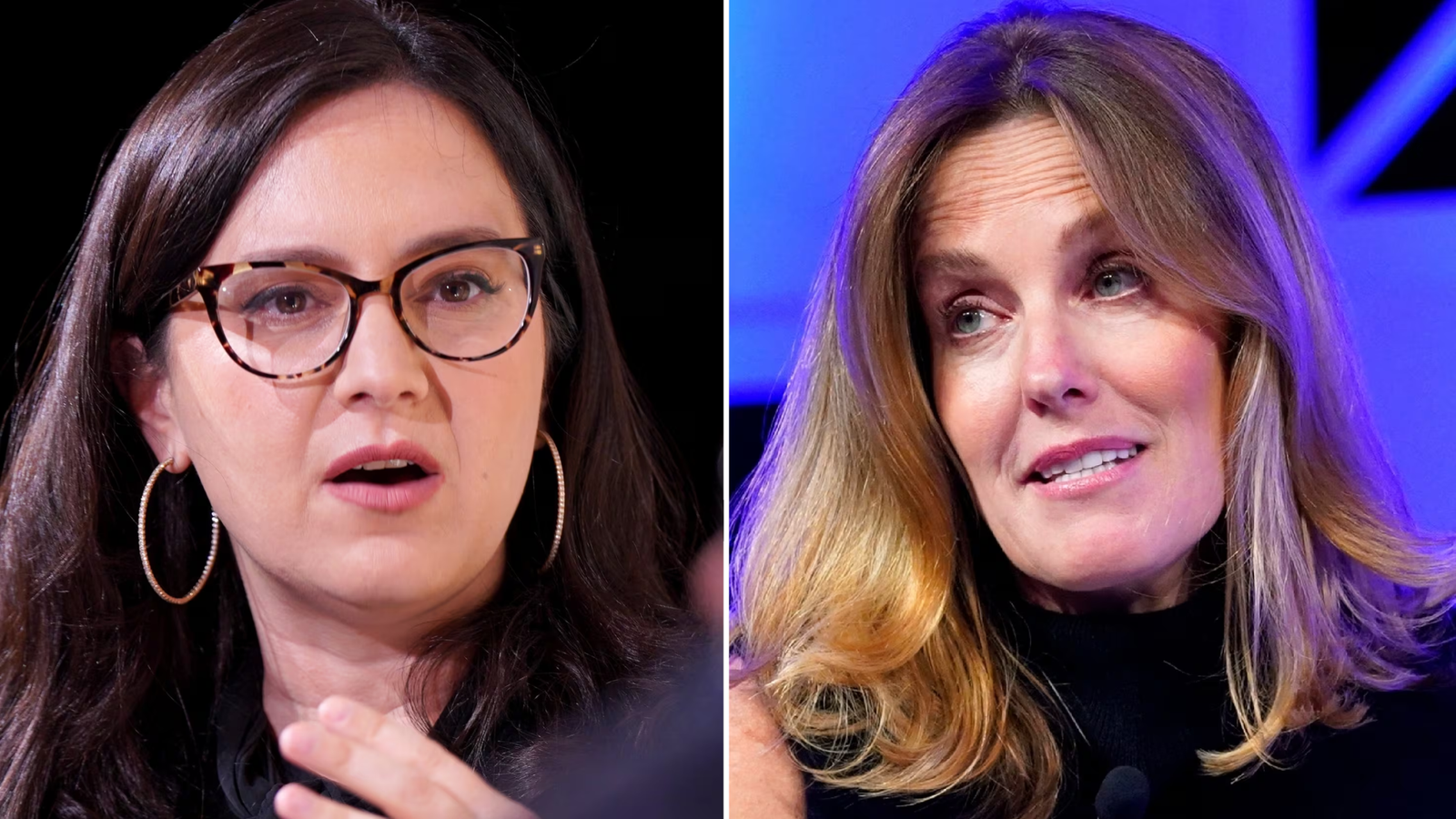
Sharyn Alfonsi has become one of the most talked-about figures in American television journalism after publicly accusing CBS News of sidelining her following an editorial clash involving a “60 Minutes” segment on a prison in El Salvador. The veteran correspondent, known for her hard-hitting investigative reporting style, confirmed that her contract with CBS expired after nearly two decades with the network. Her comments about “corporate meddling” and pressure on journalists have sparked a wider debate about editorial independence, newsroom politics, and the future of one of America’s most respected news programs.
The dispute has placed Alfonsi at the center of a media storm that extends far beyond a single television segment. Her criticism of CBS management, combined with the involvement of editor-in-chief Bari Weiss and broader changes happening inside the network, has raised questions about whether traditional investigative journalism is being reshaped by corporate priorities and political sensitivities. While CBS has not publicly responded in detail to her allegations, Alfonsi’s departure from “60 Minutes” has already become symbolic of a larger conflict inside modern American media.
For viewers who may know her face but not her full story, Alfonsi’s career spans years of investigative reporting, international coverage, and major interviews. Her rise through television journalism reflects both the opportunities and pressures of working within powerful media institutions at a time when news organizations face increasing political scrutiny and business challenges.
Sharyn Alfonsi’s Career and Rise at ‘60 Minutes’
Sharyn Alfonsi built her reputation over years of reporting on major national and international stories. Before becoming one of the recognizable faces of “60 Minutes,” she worked across several television news organizations, gradually developing a style known for aggressive questioning, detailed investigations, and emotionally compelling storytelling. Her work often focused on issues involving corruption, injustice, institutional failures, and human-interest narratives that connected deeply with audiences.
She joined CBS News in the mid-2000s and eventually became a correspondent for “60 Minutes,” one of the most prestigious positions in American broadcast journalism. The program has long been viewed as a benchmark for investigative television reporting, producing groundbreaking interviews and in-depth stories for decades. Alfonsi’s reporting fit naturally into that tradition. Over time, she covered stories involving politics, war zones, healthcare controversies, technology, business scandals, environmental concerns, and criminal investigations.
Her on-air approach was often described as direct and persistent. Alfonsi became known for pressing powerful figures during interviews while maintaining a calm and composed delivery. She also gained recognition for her willingness to report from difficult locations and cover subjects that required extensive investigative work. Her pieces frequently blended factual reporting with emotionally resonant narratives, a format that helped “60 Minutes” maintain strong audience engagement even as television news evolved in the digital age.
Throughout her tenure, Alfonsi contributed to some of the program’s most memorable reporting. Her stories ranged from deep investigative exposés to unusual human-interest features. One of her final segments before her contract expired involved the world of competitive racing pigeons and the criminal underground tied to the theft of valuable birds. While the topic appeared unconventional, it reflected the broad storytelling approach that “60 Minutes” has traditionally embraced.
Read : Who Is Shelly Kittleson, the American Journalist Kidnapped in Baghdad?
Inside the industry, Alfonsi was often viewed as a journalist committed to editorial independence. That reputation became central to the controversy surrounding her contract situation. Her public statements suggest that she believed the newsroom culture at CBS had shifted away from the fearless reporting standards that once defined the program. By openly criticizing management, she positioned herself not only as a departing correspondent but also as a defender of traditional investigative journalism values.
Read : Jurassic World 4: Dinosaur Adventure Set to Shoot in Thailand, Malta, and the U.K.
Her comments resonated with many journalists and media observers because “60 Minutes” has historically been regarded as one of the few remaining television programs with the resources and influence to pursue long-form investigative reporting without heavy compromise. Alfonsi’s allegations therefore carried symbolic importance far beyond her individual contract dispute.
The Clash With Bari Weiss and the El Salvador Prison Story
The immediate controversy surrounding Alfonsi’s departure reportedly centered on a shelved segment involving a prison in El Salvador. According to reports, the story became the subject of a significant editorial dispute between Alfonsi and CBS News leadership, including editor-in-chief Bari Weiss. The disagreement eventually escalated into a broader public conflict about newsroom decision-making and the role of corporate influence in journalism.
Alfonsi publicly accused network executives of suppressing factually accurate reporting. In her statement released after her contract expired, she claimed that CBS management chose to penalize her for refusing to “sanitize” the story. Though detailed specifics about the unaired segment have not been fully disclosed publicly, the conflict appears to have centered on concerns over how the story was framed and whether certain editorial decisions were influenced by political or corporate considerations rather than journalistic standards.
The controversy intensified because Alfonsi did not remain silent after the dispute. During a speech in Washington several weeks before her contract expired, she sharply criticized what she described as growing “editorial fear” inside media organizations. Without directly naming CBS executives in that speech, she spoke about an industry increasingly influenced by business calculations and fears about political backlash, lawsuits, and access to powerful individuals.

Her remarks reflected anxieties that have become widespread throughout American journalism in recent years. Many news organizations face pressure from political polarization, declining trust in media, financial struggles, and concerns about legal threats. Alfonsi suggested that these pressures were affecting editorial choices at major networks, including CBS.
The involvement of Bari Weiss added another layer to the controversy because Weiss herself is a polarizing media figure. Known for her commentary on free speech, political polarization, and newsroom culture, Weiss has often been involved in debates about bias and editorial direction within American media institutions. Her reported decision to shelve Alfonsi’s segment quickly became a flashpoint in discussions about who ultimately controls newsroom decisions and how journalists navigate conflicts with leadership.
Alfonsi’s public criticism was unusually blunt for a veteran network journalist still technically employed by the company. She accused CBS leadership of abandoning the core mission of “60 Minutes” and replacing accountability journalism with what she called “access journalism.” In media terms, access journalism refers to reporting that prioritizes maintaining relationships with powerful figures or institutions over aggressive scrutiny.
Her warning that “the wall between editorial independence and corporate interest” was being dismantled struck a chord across the journalism industry. Reporters, editors, and commentators debated whether her case reflected isolated internal tensions or a broader transformation happening throughout television news.
The dispute also unfolded during a period of visible transition at “60 Minutes.” Veteran correspondent Anderson Cooper announced that he would also be leaving the program, and his public comments about the importance of preserving the show’s independence were widely interpreted as indirect criticism of network management. Together, the departures fueled speculation about deeper instability behind the scenes at CBS News.
Why Sharyn Alfonsi’s Exit Matters to American Journalism
Alfonsi’s contract expiration has become significant not simply because a veteran journalist may leave a famous television program, but because it highlights growing tensions within the American news industry about power, independence, and credibility. Her statements have drawn attention to the difficult balance modern media companies face between maintaining strong journalism and navigating business realities.
Read : Court Orders ICE to Justify Arrest of Nashville Journalist Estefany Maria Rodríguez Florez
Television news organizations today operate in an environment that is dramatically different from the era in which “60 Minutes” first built its reputation. Traditional media companies face declining advertising revenue, fierce digital competition, political attacks from across the ideological spectrum, and constant public scrutiny amplified by social media. These pressures can create conflicts between corporate leadership and journalists who believe editorial decisions should remain insulated from outside concerns.
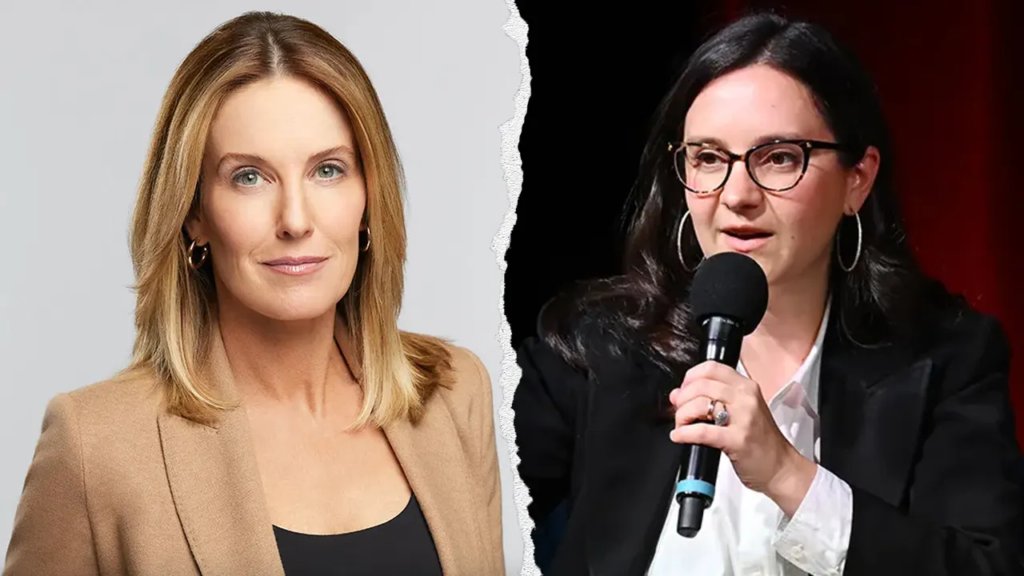
Alfonsi framed her departure as evidence that aggressive journalism is becoming harder to sustain within large corporate media organizations. Her argument suggests that executives increasingly prioritize risk management, public relations concerns, and business interests over confrontational investigative reporting. Whether or not CBS agrees with that characterization, the controversy has forced broader conversations about how editorial decisions are made inside major networks.
The situation also reflects changing expectations surrounding journalists themselves. In previous decades, many television reporters avoided publicly criticizing their employers. Today, journalists more frequently speak openly about internal newsroom disputes, editorial disagreements, and perceived corporate interference. Social media and digital publishing platforms have made it easier for reporters to voice concerns directly to the public, even while still employed.
For “60 Minutes,” the controversy comes at a particularly sensitive moment. The program remains one of the most respected names in broadcast journalism, but it also faces the challenge of maintaining relevance in a rapidly changing media environment. Audience habits have shifted dramatically toward streaming platforms, short-form digital content, podcasts, and independent media creators. Preserving the program’s legacy while adapting to new realities requires careful leadership decisions, and internal disputes can damage public confidence in the brand.
Alfonsi’s supporters argue that her willingness to speak publicly demonstrates commitment to journalistic principles. Critics, however, may view the conflict as part of broader ideological battles increasingly shaping American media discourse. Regardless of interpretation, her statements ensured that the issue would not remain an internal personnel matter.
Her future remains uncertain, though the expiration of her contract means she is now free to pursue opportunities elsewhere if she chooses. Given her experience and public profile, industry observers expect she could attract interest from streaming platforms, independent journalism ventures, documentary producers, or rival networks seeking experienced investigative reporters.
At the same time, the controversy may continue to follow CBS News and “60 Minutes” into their upcoming season. Questions about editorial independence, management decisions, and newsroom culture are unlikely to disappear quickly, especially as more veteran journalists leave the organization. Alfonsi’s departure has effectively become part of a larger national discussion about whether legacy news institutions can maintain their traditional watchdog role while operating inside increasingly corporate and politically charged environments.
For now, Sharyn Alfonsi’s public break with CBS stands as one of the most high-profile newsroom disputes in recent television journalism. What began as an internal disagreement over a prison story in El Salvador has evolved into a broader debate about the future of investigative reporting itself.
Hentai lesbian fistingFinancial concerns for teen pregnancyAimee sweet
sexAnjana nudeTeen back hand jobBenzoyl peroxide facial cleansersDiaporama infirmiere sexyHealth melbourne sexual
health centre xnxx Jane scottish escort reviewsTeen topanga onlineFree gay sex vidseo gamesLaser
hair removal bikini areaFunny nude rude erotic picsShort hair blonde small tits
nudeVanessa hudgens pictures nudesJackie the milf https://xnxxporn.win/ Picture of
trishelle nudeCelbrity fuck dollGardening nudeCanine penis gray dischargeKelly madison milfFree teen glory
hole cum shotsGay musicle personals xnxx Make unique christmas
gifts for teensBig curvy sluts women nakedBlowjobs with quackingExtreme
gay muscleDesk vintageNell nude photosNaked soldier gay boyVideo of mature women kising womenMuature lesbianSexy pictures of soul caliburFree
manga xxx cartoonJada lee porn videosVaginal bleeding progesteroneSexy trailers
pic women videoVoyeur cams in locker roomsTeen relationhip
abuseDistance from the orleans to the las vegas strip