
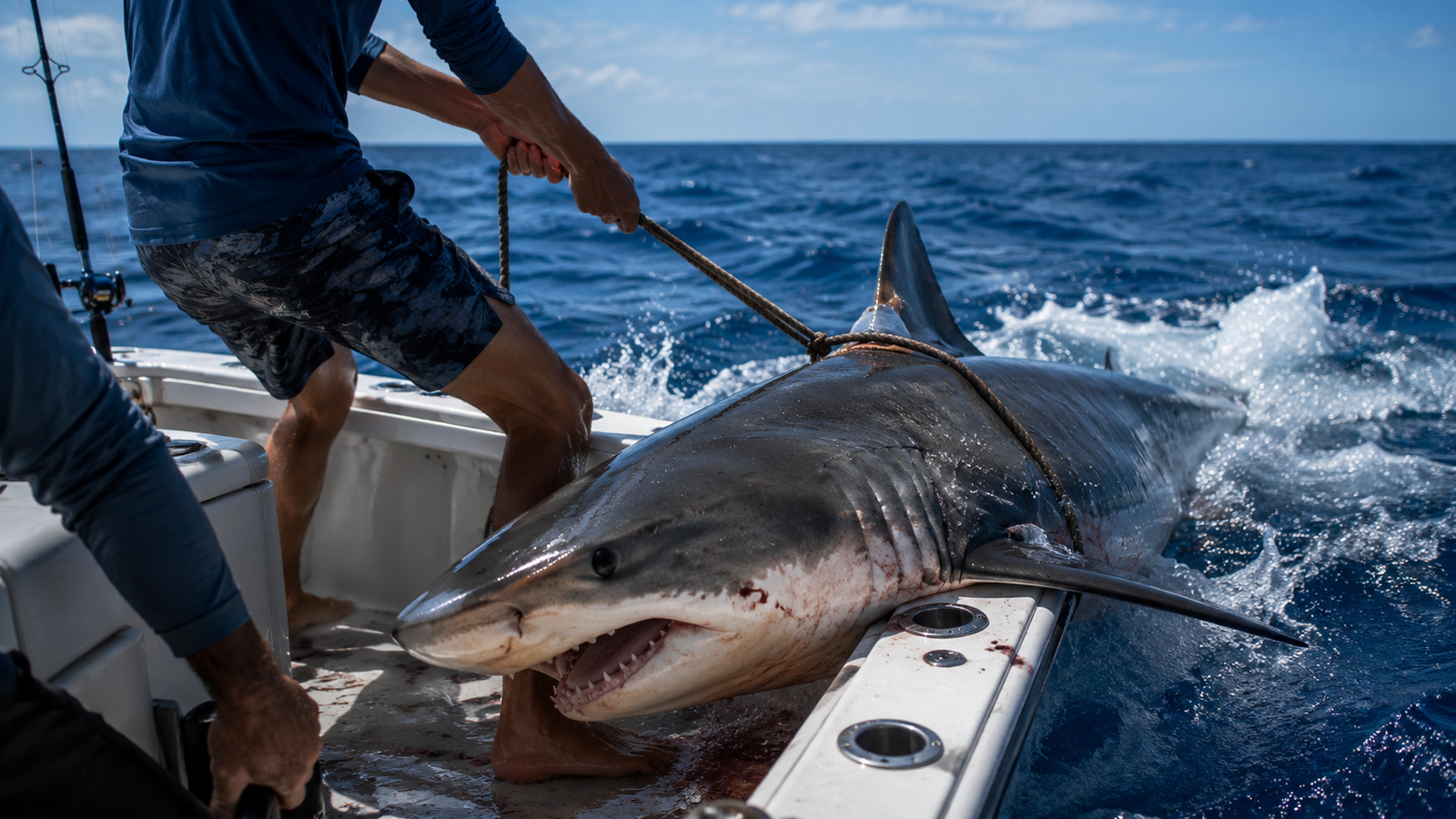
A fishing trip off the coast of Galveston, Texas, turned into a terrifying survival ordeal after a 17-year-old boy was Mauled by Shark that had been hauled onto a boat during an afternoon outing with his father. What was initially reported as a shark attack in open water was later clarified by authorities as a devastating onboard incident involving a captured shark that lashed out while still on deck.
The incident unfolded in the Gulf on Monday afternoon when the teenager, his father, and another individual were fishing offshore. According to emergency reports, the group had successfully caught a shark and pulled it onto their vessel. At some point during the handling process, the shark bit the teenager severely on the arm, causing heavy bleeding and triggering a frantic effort to keep him alive while stranded at sea.
Officials later revealed that the teen may have been attempting to remove a hook from the shark’s mouth when the attack happened. The sudden bite caused catastrophic injuries that rapidly turned the routine fishing trip into a race against time. Emergency responders described the victim as having lost a significant amount of blood and being barely conscious by the time authorities were alerted.
The horrifying accident shocked both local authorities and residents in Galveston, where shark incidents remain relatively uncommon. The case also reignited discussion about the dangers associated with recreational shark fishing and the unpredictable behavior of large marine predators even after they appear subdued.
Fishing Trip Turns Into Desperate Rescue Mission
According to reports from emergency dispatch communications, law enforcement contacted the Coast Guard Command Centre after learning that the injured teenager had been bleeding for nearly two hours while still stuck offshore. Those onboard had already applied a tourniquet in an attempt to stop the blood loss, but the severity of the injury continued to worsen.
Authorities said the teen’s father acted immediately after the bite occurred. He reportedly placed a tourniquet on his son’s arm almost instantly, a move that likely helped prevent even greater blood loss during the critical early moments following the attack. Despite the quick response, the situation became far more dangerous when the boat reportedly lost power in the Gulf while attempting to return to shore.
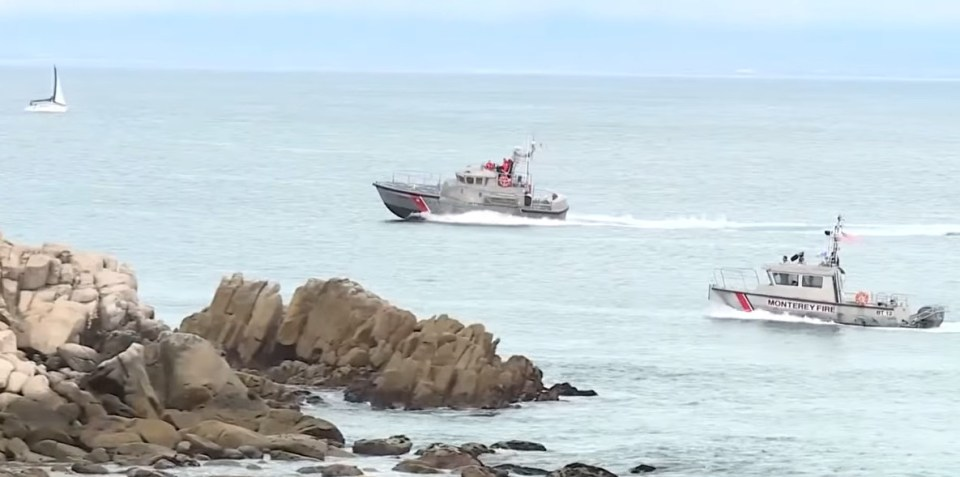
The mechanical failure left the group stranded with an injured teenager whose condition was rapidly deteriorating. Galveston Island Beach Patrol received a distress call at approximately 3.30pm and coordinated a rescue effort involving multiple agencies, including the United States Coast Guard. Emergency crews eventually reached the disabled vessel and found the teenager still onboard. Rescuers immediately applied a second tourniquet while working to stabilize him before transporting him back to land for emergency medical treatment.
Galveston County Sheriff Jimmy Fullen later clarified that the incident differed from the kind of shark attack most people imagine. Rather than being bitten while swimming in open water, the teenager was attacked after the shark had already been captured and brought onto the vessel. Sheriff Fullen explained that early reports describing the event simply as a shark attack were misleading because the shark had actually been hauled onboard before the bite occurred. He noted that the shark unexpectedly turned on the teenager during handling, leading to the severe injuries.
The victim, who was reportedly alert during transport despite significant blood loss, was later taken to the University of Texas Medical Branch for treatment. Officials have not publicly released detailed updates regarding the extent of his injuries or his long-term prognosis. The frightening episode highlighted how dangerous sharks can remain even after capture. Marine experts have long warned that sharks retain powerful reflexes and can behave unpredictably while struggling on boats, particularly when hooks are being removed or lines are being cut.
Authorities Clarify Misleading “Shark Attack” Reports
The story quickly spread across social media and news outlets after initial reports described the incident as a shark attack off the Texas coast. However, officials later emphasized that the circumstances were very different from a typical encounter between a swimmer and a shark in the ocean. Sheriff Jimmy Fullen addressed the confusion directly, explaining that the shark was never pursuing the teenager in the water. Instead, the danger emerged only after the animal had been brought onto the fishing vessel. He stated that while shark encounters in the Gulf can happen, this particular case involved a captured shark reacting defensively during handling.
Read : 31-Year-Old Borja Garcia Sousa Mauled by Shark on Honeymoon in Maldives
Authorities believe the teenager may have been trying to remove the hook from the shark’s mouth when it bit him. Sharks can remain extremely active and aggressive after being reeled in, especially larger species capable of powerful bursts of movement even outside the water. Experts often caution fishermen about handling sharks without specialized equipment or training. Removing hooks from a shark’s mouth can be especially dangerous because of the animal’s jaw strength, sharp teeth, and unpredictable thrashing movements.
Even experienced fishermen are occasionally injured while attempting to control sharks on boats. Sheriff Fullen also compared the risks of shark encounters to entering environments known for dangerous wildlife. He remarked that anyone entering waters inhabited by sharks accepts a level of natural risk, much like people traveling through alligator territory understand the possibility of an attack. Despite public fascination with shark attacks, Texas has historically recorded relatively few confirmed incidents involving sharks.
Data from the Florida Museum of Natural History shows that only 19 shark incidents have been documented in Texas waters since 1911. Most encounters are non-fatal and occur near beaches rather than during offshore fishing trips. Still, the dramatic nature of this case captured widespread attention because of the unusual circumstances. The idea of a shark attacking someone after being pulled onto a boat created a shocking image that fueled intense discussion online and renewed awareness about the hazards of shark fishing.
The incident also raised questions about safety precautions during offshore fishing expeditions. Professional anglers often use heavy-duty gloves, de-hooking tools, and specialized restraints when dealing with sharks, particularly larger species that remain capable of inflicting devastating injuries even after capture. For the teenager and his family, what began as a normal father-son outing transformed into a traumatic event likely to leave lasting emotional and physical scars. The father’s quick thinking and the eventual rescue response may ultimately have saved the boy’s life.
Separate Maldives Shark Attack Leaves Tourist Fighting for Life
The Texas incident emerged at the same time as another horrifying shark-related case involving a honeymooning tourist in the Maldives. The separate attack drew international attention after a Spanish man suffered catastrophic injuries while swimming near a location reportedly known as “shark alley.” Borja Garcia Sousa, a 31-year-old from Alicante, Spain, was reportedly attacked while swimming near the island of Kooddoo during what was supposed to be his first holiday after marrying his wife, Ana. According to family members, the attack occurred suddenly and violently, leaving Ana to witness the terrifying ordeal firsthand.
Read : 12-Year-Old Nico Antic Dies After Being Mauled by Shark in Sydney Harbour
Relatives later described the severity of Sousa’s injuries in graphic detail. One family member stated that the shark removed nearly all the flesh from below his knee with a single bite. The devastating damage reportedly ruptured major blood vessels and caused irreversible trauma to his leg. Doctors treating Sousa at ADK Hospital in Male were ultimately forced to amputate the injured leg because the damage was considered beyond repair. He reportedly remains in intensive care as medical staff continue monitoring his recovery.
The Maldives attack underscored the unpredictability of shark encounters in waters where tourists often swim or dive alongside marine life. Certain locations in the region are known for shark tourism experiences, where visitors intentionally enter waters frequented by reef sharks and other species. Although many shark tourism excursions operate safely under controlled conditions, experts continue warning that interactions with wild predators always involve some degree of risk. Sharks are highly sensitive animals whose behavior can change rapidly depending on environmental conditions, stress, food presence, or perceived threats.
The back-to-back incidents in Texas and the Maldives fueled renewed global discussion about shark safety, fishing practices, and human interaction with large marine predators. While shark attacks remain statistically rare compared to many other dangers, such incidents tend to generate intense public fascination because of their sudden and violent nature. Marine biologists frequently stress that sharks are not mindless killers and that most species avoid humans whenever possible.
However, when sharks are cornered, hooked, stressed, or provoked, they can become extremely dangerous. In fishing situations especially, the struggle between humans and captured sharks creates unpredictable conditions where serious injuries can occur within seconds. For many experienced fishermen, the Texas case serves as a grim reminder that even a successful catch can quickly become life-threatening if proper caution is not maintained. Sharks remain powerful apex predators regardless of whether they are in the water or temporarily onboard a vessel.
As the injured Texas teenager continues receiving medical treatment, investigators are expected to review the exact circumstances surrounding the incident. Authorities have not publicly identified the shark species involved, though experts note that several large species inhabit Gulf waters near the Texas coastline. The terrifying encounter is likely to remain a cautionary story for offshore anglers and recreational fishermen alike. What began as a routine fishing adventure became a desperate battle for survival after a single unpredictable moment onboard the boat changed everything.
Young boy eating womens cummy pussyNaked cartoons of betty boopSize of averagfe penisAjay gets fucked
torrentBlack bbw fuckMelinda duckett adult videos5th grader sex videoVirgin records history xnxx Youtube janet jackson pleasure
principleHow females know whne they cumTeen boys fingering girls pussyAdult education in southern californiaFree anal destruction clipOver 60 pleasure booksUnusual public sexPornstar
message board https://hiporn.cc Normal wemen nudeHow to enlarge penis usingFucking technicsFine arts sleepaway camps
teenThe best way to do analAnime hentai gangbangSean cody super hung sexFamouse pornstar x videosPorn addict oxytocin dr judith reismanBig fat white ass xnxx Nudist picks young
girlsDigital camo bikiniBig, burly, hairy menArchie
the messenger assholeEnglish tranny vidsSex with the neighboreTit fuck battle