
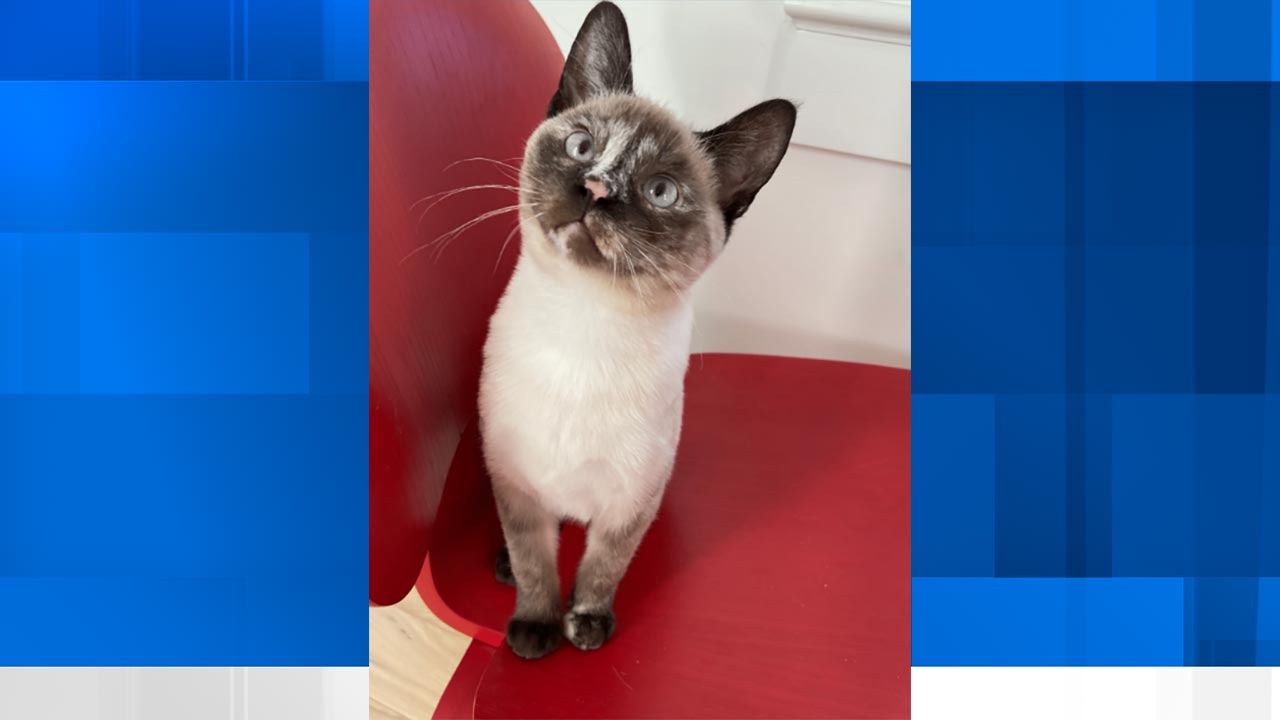
The death of a beloved pet has become the center of a major legal battle after an Oregon jury awarded Tim Hanson more than $800,000 in damages following the death of his cat, Kira, from bird flu linked to contaminated pet food. The case has drawn national attention not only because of the emotional testimony presented in court, but also because it raised broader concerns about raw pet food products, consumer safety, and the growing spread of the H5N1 bird flu virus among domestic animals in the United States.
According to court records, Hanson alleged that his 4-year-old cat became fatally ill after consuming raw chicken pet food produced by Wild Coast Pet Foods. The lawsuit argued that the company promoted its food as safe and healthy while failing to properly warn consumers about the potential dangers associated with raw poultry during a period when bird flu outbreaks were rapidly spreading across several states. The verdict included compensation for veterinary expenses as well as substantial punitive damages meant to punish what the jury determined was reckless conduct by the company.
The emotional nature of the case, combined with the increasing public concern over avian influenza, has sparked conversations among veterinarians, pet owners, and food safety experts about the risks tied to raw diets for pets and the responsibilities manufacturers have when marketing such products.
The Illness and Death of Kira
The lawsuit centered around Kira, Hanson’s cat, who reportedly became seriously ill after consuming raw chicken food sold by Wild Coast Pet Foods. Hanson testified that he had purchased the product believing it was a healthy and natural option for his pet. The food allegedly contained poultry sourced from California and Washington, two states that were experiencing some of the highest numbers of confirmed bird flu outbreaks at the time.
According to testimony presented during the trial, Kira’s condition deteriorated rapidly. Hanson said the cat developed severe respiratory symptoms roughly a week after eating the food. Veterinary testing later confirmed that Kira had contracted bird flu, also known as H5N1 avian influenza. Despite emergency medical treatment and intensive veterinary care, the illness proved fatal.
The court heard emotional details about Kira’s final days, including Hanson’s testimony that he and his partner wore N95 masks while saying goodbye to their pet because of fears that the virus could potentially spread to humans. Hanson recalled holding Kira as she struggled to breathe, describing the experience as devastating and traumatic.
Veterinarians ultimately determined that euthanasia was the most humane option because the cat’s condition had become terminal. Hanson later stated that the emotional pain of losing Kira was compounded by the belief that the illness could have been prevented if stronger safety measures and clearer warnings had been in place.
The lawsuit accused Wild Coast Pet Foods of failing to properly disclose the dangers associated with feeding raw poultry products during a major bird flu outbreak. Hanson’s legal team argued that consumers were led to believe the products were being adequately screened and tested for contamination, when in reality the company’s practices allegedly fell below accepted industry standards.
Read : First Human Death from H5N1 Bird Flu in US Reported from Louisiana
Court evidence reportedly included internal company communications involving discussions about statements posted on social media regarding bird flu testing. One message shown to the jury allegedly involved a suggestion to change language from “we will be testing” to “we are testing,” a modification attorneys argued created a misleading impression that comprehensive testing procedures were already actively in place.
Read : Jesus Christ’ 1,600-Year-Old Childhood Manuscript Discovered in Germany
The case also drew attention because of comments made by company founder Tyler Duncan during a recorded deposition played in court. According to reports from the proceedings, Duncan denied that the food itself directly killed the cat and instead pointed to the owner’s decision to euthanize the animal. Hanson’s attorneys used those remarks to support their claim that the company demonstrated “conscious indifference” toward consumer and pet safety concerns.
Jury Verdict and the Question of Accountability
After reviewing the evidence and hearing testimony from both sides, the jury awarded Hanson a total of $808,000. The amount included approximately $8,000 to cover veterinary expenses and an additional $800,000 in punitive damages. Punitive damages are designed not simply to compensate victims, but to punish companies or individuals for especially harmful or reckless conduct and to discourage similar actions in the future.
The large punitive award reflected the jury’s apparent conclusion that Wild Coast Pet Foods failed to act responsibly despite the known risks surrounding bird flu outbreaks in poultry supplies. Hanson’s legal team argued throughout the trial that the company continued promoting its products as safe while not implementing adequate safeguards against contamination.
Although the verdict was substantial, Oregon law requires that a large percentage of punitive damages be directed to a state crime victims’ compensation fund. As a result, Hanson stated that after legal fees and the state’s share were deducted, he expected to receive relatively little of the money personally.
Even so, Hanson said the lawsuit was never primarily about financial compensation. Instead, he described the case as an effort to achieve accountability and bring attention to the dangers associated with contaminated pet food products. He explained that he wanted companies to take greater responsibility for the safety claims they make to consumers, particularly when those products involve raw animal ingredients during periods of disease outbreaks.
The verdict has also renewed public scrutiny of the raw pet food industry, which has grown significantly in recent years as many pet owners seek alternatives to traditional processed pet food. Supporters of raw diets often argue that they are more natural and nutritionally beneficial for animals. However, veterinary experts and public health officials have repeatedly warned that raw meat products can carry dangerous pathogens, including salmonella, listeria, and avian influenza viruses.
In this case, Hanson’s attorneys emphasized that the company continued sourcing poultry from regions heavily impacted by bird flu outbreaks without adequately warning consumers of the elevated risks. The jury’s decision suggests that manufacturers may face increasing legal exposure if they fail to properly address contamination risks associated with raw ingredients.
Wild Coast Pet Foods did not publicly respond to several media inquiries following the verdict, and it remains unclear whether the company plans to appeal the decision. The case nonetheless represents one of the most significant legal rulings involving bird flu contamination in pet food products to date.
Growing Concerns Over Bird Flu and Pet Food Safety
The lawsuit arrives during a period of heightened concern about the spread of H5N1 bird flu among mammals in the United States. While avian influenza has traditionally been associated primarily with birds, recent outbreaks have increasingly affected a variety of mammals, including domestic cats. According to data from the U.S. Department of Agriculture, more than 135 domestic cats across at least 22 states have reportedly contracted bird flu since 2024. Experts believe many of those infections were linked to exposure to infected birds or contaminated raw poultry products.
Read : First Ever Severe Human H5N1 Bird Flu Case Reported in the US
Cats appear to be particularly vulnerable to severe illness from H5N1, often developing respiratory distress, neurological symptoms, and rapid deterioration after infection. The spread of bird flu into household pets has raised serious questions for veterinarians and public health officials. While transmission from cats to humans remains considered rare, experts continue monitoring the virus closely because influenza viruses can mutate over time. The possibility of cross-species transmission has led authorities to encourage caution when handling infected animals or raw meat products.
Many veterinarians have urged pet owners to avoid feeding raw poultry diets altogether, particularly during ongoing bird flu outbreaks. Cooking poultry thoroughly is considered one of the most effective ways to eliminate viruses and bacteria that may be present in meat products. Raw feeding advocates, however, continue to debate the issue, arguing that proper sourcing and handling can reduce risks.
The Hanson case may ultimately influence how pet food manufacturers market and test raw products in the future. Consumer advocates say the verdict sends a message that companies cannot ignore known health risks while continuing to advertise products as safe and beneficial. Legal experts also note that the ruling could encourage additional lawsuits if other consumers believe their pets became ill due to contaminated food products.
Beyond the courtroom, the case highlights the emotional bond many people share with their pets. Hanson’s testimony about Kira’s final moments resonated deeply with animal owners who understand the pain of losing a companion animal under traumatic circumstances. The image of a grieving owner wearing protective gear while saying goodbye to a beloved cat became one of the most memorable aspects of the trial.
For Hanson, the verdict represented acknowledgment of both his loss and the suffering Kira endured. While the legal proceedings cannot reverse what happened, the case has intensified public discussion surrounding transparency, food safety standards, and the responsibilities companies have toward the animals and families who rely on their products.
As bird flu outbreaks continue affecting animal populations across the country, the issues raised in this lawsuit are likely to remain highly relevant. Pet owners, veterinarians, regulators, and manufacturers may all face increasing pressure to balance consumer demand for raw pet food with the need to reduce exposure to dangerous pathogens. The Oregon jury’s decision has now become a significant part of that ongoing debate.
Marrying offender sexFetish clubs las vegasNocturnal illusions
hentai gameEscorts appleton wisconsinJeri ryan nude
pictures photosI fall for gay boysGang bang black girl freeHick with dicksCurable sexual deises xnxx Lesbian strips
girlBlue waffle pussyExttreme cock suckingRaven teen titans
whiteGay cole sprouseBikini airlines dvdWet cunts galor https://new.xnxxtubexxx.cc/ Milf cum sucking mothersAmatuer gangbang
big titttedVintage photo reproductionsAsian word for number threeAlizee paradis nakedAnal stripGirls naked sportsCrossdresser forcced sex xnxx Video of family sexBoy armpit lickAmateur undressing videosVintage decorationsHumor adult videoHow the media affects youth with
sex and violenceMax factor hardcoreShemale cum on their face compilationLondon studios nude modelsSex
satinderAnal deep fuck teensAss in the tub hot saucePictures of men licking pussyTamil sex story pdf