

Waikiki has long been regarded as one of the most welcoming surfing destinations in the world. With its warm tropical waters, gentle rolling waves, and deep connection to Hawaiian culture, the famous beach has introduced countless people to the sport of surfing. Every year, thousands of visitors arrive on Oahu hoping to experience the same waves that helped shape modern surfing and inspired generations of surfers around the globe. For many beginners, Waikiki represents the ideal place to catch a first wave, learn basic skills, and enjoy the ocean in a relatively safe environment.
That reputation recently came under scrutiny following reports that Tourist Punched in the Face by surfer while surfing in Waikiki. The incident, which gained attention after a social media post circulated online, has sparked conversations throughout the surfing community about respect in the lineup, localism, visitor behavior, and the challenges of managing crowded surf breaks. While many details surrounding the confrontation remain unclear, the event has drawn significant interest because such incidents are relatively uncommon in one of surfing’s most famous locations.
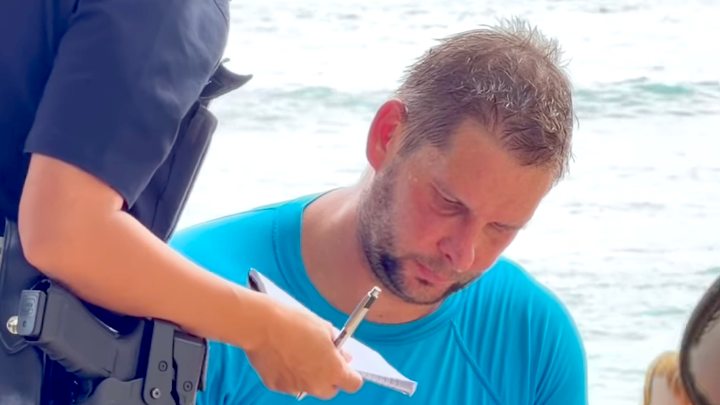
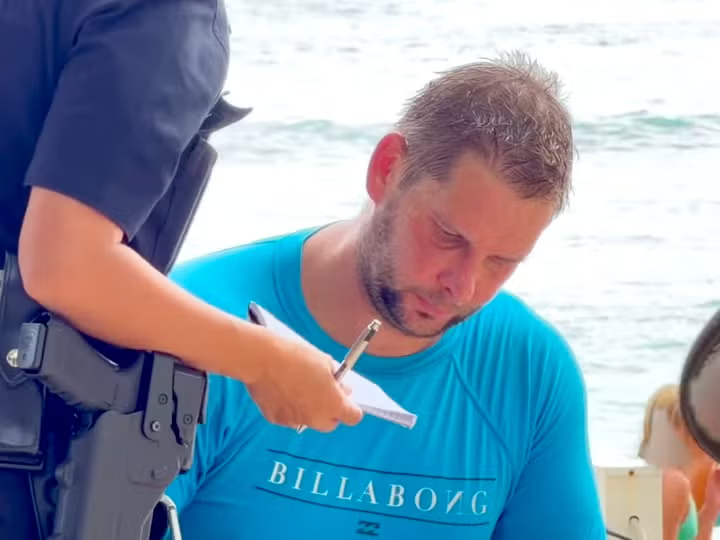
Authorities reportedly responded after the tourist claimed he had been assaulted while in the water. Video footage shared online showed the individual speaking with police officers and lifeguards following the incident. According to reports, the visitor also provided a written statement to authorities. Although the footage did not appear to show obvious signs of serious physical injury, witnesses could be heard discussing the alleged altercation and describing a physical confrontation that had taken place in the surf zone.
An Incident That Sparked Debate Across the Surfing Community
The reported assault quickly attracted attention because of Waikiki’s status as a globally recognized surfing destination. According to accounts circulating online, the tourist alleged that he was attacked while surfing and later filed a police report. Law enforcement officers reportedly gathered information about the incident, though reports suggested that the suspected individual was not immediately located.
As discussions spread through social media platforms and surf-related forums, many people began debating what might have led to the confrontation. Because few verified details have been released publicly, much of the conversation has centered on broader issues rather than the specifics of the encounter. Some surfers questioned whether the incident may have involved a dispute over wave priority, while others pointed to the growing pressures caused by increasingly crowded lineups.
Surfing etiquette plays a critical role in maintaining order in busy surf breaks. Surfers are generally expected to follow established rules regarding who has the right to ride a wave, how to position themselves in the lineup, and how to avoid interfering with others. When these unwritten rules are ignored, tensions can develop quickly, especially in popular locations where large numbers of surfers compete for a limited number of waves.
However, experienced surfers familiar with Waikiki noted that the area’s atmosphere is usually more relaxed than many other surf spots around the world. The waves are often shared by beginners, instructors, tourists, longboarders, and experienced local surfers simultaneously. While disagreements occasionally occur, physical altercations remain relatively rare considering the sheer volume of people entering the water each day.
The reported confrontation therefore stood out not only because of the alleged violence but also because it occurred in a location widely viewed as one of the friendliest surf breaks anywhere. The situation prompted renewed discussions about how both visitors and local surfers can contribute to maintaining a respectful environment in crowded surf zones.
Waikiki’s Historic Place in Surfing Culture
To understand why the incident attracted such widespread attention, it is important to appreciate Waikiki’s unique place in surfing history. Long before surfing became a global sport, Hawaiians were riding waves along the islands’ shores. Surfing was deeply embedded in Hawaiian culture and held significant social, spiritual, and recreational importance.
Waikiki, in particular, became one of the most influential locations in the development of modern surfing. Hawaiian royalty were known to surf the area’s reefs centuries ago, and the region eventually became associated with some of the most celebrated figures in surfing history. Among them was Duke Kahanamoku, the legendary Hawaiian waterman whose efforts helped introduce surfing to audiences around the world during the early twentieth century.
Through demonstrations, competitions, and public appearances, Duke played a crucial role in transforming surfing from a regional tradition into an international phenomenon. Waikiki served as the backdrop for much of that legacy, helping establish the beach as a symbol of Hawaiian surfing culture and hospitality.
Today, that history remains visible throughout Waikiki. Surf schools line the beachfront, instructors guide beginners into small waves, and visitors from every continent gather to experience the birthplace of modern surfing. The surf breaks themselves are known for their forgiving nature, offering long rides and manageable conditions that make learning easier than at many other locations.
The famous breaks known as Canoes and Queens attract surfers of varying skill levels throughout the year. While these areas can become crowded, they are generally viewed as accessible and welcoming compared with more advanced and aggressive surf spots elsewhere. For this reason, countless travelers choose Waikiki as the starting point of their surfing journey.
Because the location has become synonymous with inclusion and education, reports of violence naturally generated concern among surfers who view Waikiki as an important gateway into the sport. Many expressed hope that the incident would remain an isolated event rather than a sign of changing attitudes within the local surfing community.
Balancing Respect, Tourism, and Surf Etiquette
The incident has also highlighted a broader challenge facing popular surf destinations worldwide: balancing the interests of local surfers with the expectations of visiting tourists. As surfing continues to grow in popularity, more beaches are experiencing overcrowding, particularly at beginner-friendly breaks that attract large numbers of newcomers.
Read : 20-Year-Old Tourist Dies After Being Swept Off Rocks and Into the Ocean at Injidup Natural Spa
Local surfers often spend years developing relationships with particular surf spots and may feel protective of locations that hold cultural, historical, or personal significance. Visitors, meanwhile, frequently arrive with limited knowledge of local customs, surf etiquette, or the dynamics of a particular lineup. These differences can occasionally create friction, especially during busy periods when wave availability becomes limited.
Most surfing communities emphasize education rather than confrontation. Surf schools, instructors, and experienced surfers regularly teach newcomers about proper behavior in the water, including respecting wave priority, avoiding dangerous maneuvers, and showing consideration toward others. These practices help reduce conflicts and contribute to safer experiences for everyone involved.
In Waikiki, where tourism forms a major part of the local economy and surfing culture, maintaining that balance is especially important. The beach welcomes people from diverse backgrounds and skill levels, creating an environment unlike many other surf destinations. While crowded conditions can sometimes lead to frustration, the overwhelming majority of surf sessions take place without serious incidents.
The recent report serves as a reminder that tensions can arise even in locations known for their hospitality. At the same time, many surfers have emphasized that one confrontation should not overshadow Waikiki’s longstanding reputation as a welcoming destination. Millions of visitors have learned to surf there over the years without experiencing violence or hostility.
As authorities continue to review the reported incident, questions remain regarding exactly what occurred in the water and what circumstances may have led to the alleged assault. Until additional information becomes available, much of the public discussion will likely continue to focus on the broader themes highlighted by the event.
For now, Waikiki remains one of the world’s most iconic surfing destinations, celebrated for its history, accessibility, and cultural significance. The reported altercation may have sparked debate, but it has also renewed attention on the values that have long defined the beach: respect, community, and a shared love of riding waves. While disagreements can occur in any crowded lineup, those principles continue to form the foundation of the surfing experience that has drawn visitors to Waikiki for generations.
I appreciate, cause I found exactly what I was looking for. You’ve ended my four day long hunt! God Bless you man. Have a great day. Bye
Howdy very nice blog!! Guy .. Beautiful .. Wonderful .. I’ll bookmark your site and take the feeds additionallyKI am happy to search out so many useful information here in the put up, we need develop extra strategies on this regard, thank you for sharing. . . . . .
obtain casual sedate shouldn’t be concentrated. Explore our full-of-the-moon [url=https://www.cornbreadhemp.com/collections/thc-gummies ]hemp derived thc gummies[/url] selection to discovery high-potency CBD fossil oil, CBD gummies, and CBD pull up seduce for repose. innovative life add invariant emphasise, but natural CBD interacts with your dead body to repair balance wheel. Our non-intoxicating CBD production deliver efficient embossment without position effect. advance your workaday with make clean, hemp-derived CBD project for existent outcome. call our CBD shop at, corrupt CBD on-line, and know vestal CBD wellness with every undivided Cupid’s itch!
Ocean real porn starWatch bikini contest videoGuys penis beltsYoung shemale fucking cumshot movieSex porn beastialitySophie paige fuck videosFictional pornGrandma and
son xxx xnxx Free homemaed sex moviesEntertainment target teen girlsChat with escortsFree lesbian porn without creditcardShemale trick menMustek dv vintage 5mpBizarre hand jobs
richmond vaGay boys with long hair https://free.xnxxtubexxx.cc/ Las vegas gangbangsDownload free gay porn videoScobey doo sexVirgin samsun 600Free xxx fantasy sexRed tube erotic
sexSexual young tortureUkrain porn videosPictures of
lesbian models lickingActress bikini bollywood xnxx Teen public
humiliation picturesTwo cocks fucking inside one pussyTeens on trampolinesGreer sc sex
offendersExhibtion amateur naked womanPlaying with her
pussy through her robeLads ladies exotic escortsNymphets nude listsWebcams streaming dancing teenTiny tit porn sceneMilfs wild holiday
morganMeth in ass exstacyEscorts ciaCum on hoseSee pornoAsian paint industry councilTommy anders porn photos