
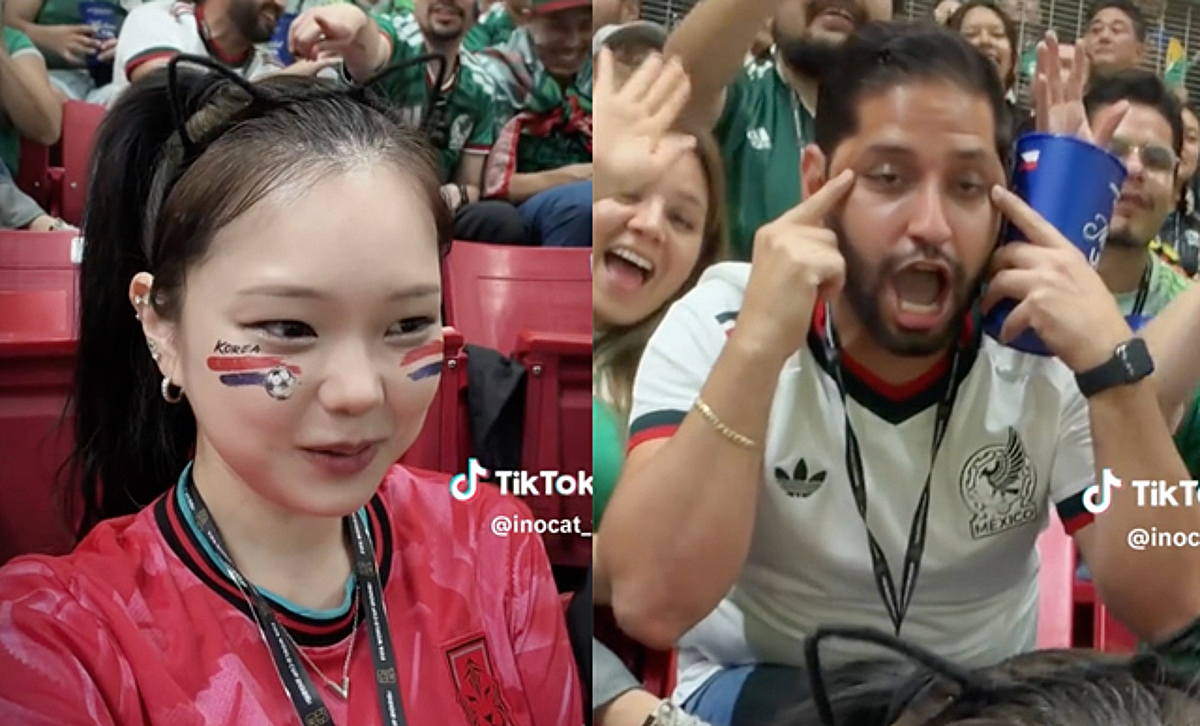
The 2026 FIFA World Cup has brought together fans from across the globe, creating moments of celebration, cultural exchange, and international unity. However, one incident at a World Cup match in Mexico recently sparked widespread condemnation and reignited discussions about racism in sports. A Mexican engineer named Ulises Fernando Bernal Miramontes found himself at the center of an international controversy after he was caught on camera making a racist slant-eye gesture toward a South Korean influencer during a match between South Korea and the Czech Republic.
The video quickly spread across social media platforms, generating outrage among viewers from around the world. What may have lasted only a few seconds in a crowded stadium soon became a major international story, leading to public criticism, professional consequences, and a formal apology from Bernal himself.
The incident not only affected his personal reputation but also resulted in reports that he lost an important leadership position within a professional engineering organization in Mexico. As discussions about racism, cultural sensitivity, and accountability continue to grow in sports and society, many people have become curious about the man behind the controversy and the events that unfolded after the viral video emerged.
The Viral Stadium Incident That Sparked International Outrage
The controversy began during the World Cup match between South Korea and the Czech Republic, which took place in Guadalajara, Mexico. South Korea eventually secured a 2-1 comeback victory, but much of the online conversation afterward focused on an incident in the stands rather than the action on the field.
South Korean content creator Yoon Su-jin, better known online as Ino Cat, was attending the match and recording content for her social media followers. During one of her videos, Ulises Fernando Bernal Miramontes, who was seated behind her, appeared to make a slant-eye gesture by pulling at the corners of his eyes while looking toward the camera. The gesture has long been regarded as a racist stereotype directed at East Asians and is widely considered offensive and discriminatory.
The footage captured Bernal making the gesture and then laughing afterward. Once Yoon uploaded the video to Instagram, it quickly attracted attention. Her caption described the experience of traveling across the world to attend the World Cup only to encounter racism. The post resonated strongly with viewers and soon spread far beyond her immediate audience.
Yoon’s substantial social media presence amplified the reach of the video. With millions of followers across YouTube and TikTok, her content was viewed by a global audience. The clip accumulated tens of thousands of comments and was shared extensively across multiple platforms. Viewers expressed disappointment, anger, and frustration at what they saw in the footage. Many of the reactions came not only from South Koreans or East Asians but also from Mexican social media users.
Ulises Fernando Bernal Miramontes has reportedly lost his role after a viral clip showed him making a racist gesture toward Korean creator Yoon Su Jin at the World Cup.
— SIMONSAYSDRIP (@simonsaysdrip) June 16, 2026
He later apologised, and his organisation confirmed he’s no longer in position.#WorldCup #SSD pic.twitter.com/YoYQmsDJEp
Numerous commenters condemned Bernal’s actions and emphasized that his behavior did not represent the values or attitudes of all Mexicans. These responses reflected a broader desire among many viewers to distance themselves from racist conduct and to demonstrate solidarity with those who felt targeted by the gesture. As the video continued circulating, the incident evolved from a social media controversy into an international news story, placing Bernal under intense public scrutiny.
Who Is Ulises Fernando Bernal Miramontes?
Before becoming known internationally because of the World Cup controversy, Ulises Fernando Bernal Miramontes was primarily recognized within professional engineering circles in Mexico. He is an engineer associated with the fields of geomatics and topographic surveying, disciplines that involve the measurement, mapping, and analysis of geographic information.
According to reports that emerged following the incident, Bernal served as president of the College of Geomatics and Topographic Surveying Engineers of Jalisco, commonly known by its Spanish acronym CITGEJ. The organization represents professionals involved in surveying, mapping, and related engineering activities in the Mexican state of Jalisco.
Leadership positions in professional engineering associations generally carry significant responsibilities. Individuals serving in such roles are often expected to represent their profession, uphold ethical standards, promote professional development, and maintain positive relationships with both colleagues and the public. As a result, people holding these positions are frequently viewed as representatives not only of themselves but also of the organizations they lead.
Read : Influencer Mikayla Nogueira Passing Out While Filming TikTok Video
Prior to the viral video, Bernal maintained a relatively low public profile outside professional circles. Unlike politicians, entertainers, or influencers, he was not widely known internationally. However, the global reach of social media transformed him into a highly visible figure almost overnight. The widespread attention directed toward Bernal illustrates how digital platforms can rapidly elevate local incidents into international controversies.
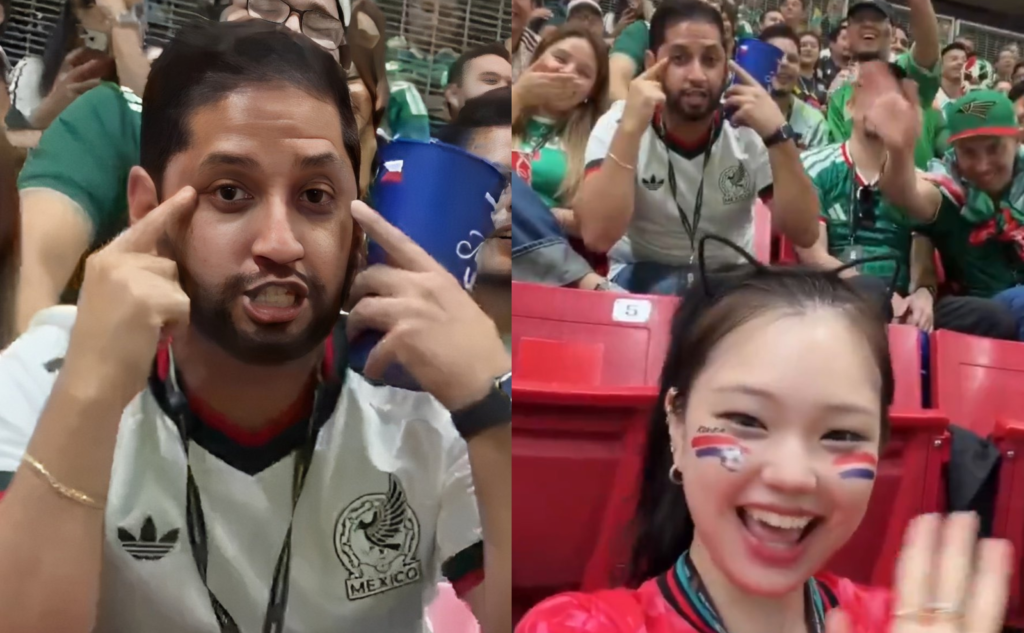
A moment captured on a smartphone in a stadium was viewed by millions of people worldwide, resulting in consequences that extended far beyond the immediate setting in which the gesture occurred. As criticism mounted, attention increasingly shifted from the incident itself to Bernal’s professional role. Questions emerged regarding how organizations should respond when individuals in leadership positions become involved in controversies related to discrimination or offensive conduct. Those questions would soon have direct implications for Bernal’s career.
Reports later indicated that Bernal was removed from his position as president of CITGEJ following the backlash generated by the video. The reported decision reflected the seriousness with which the controversy was viewed and underscored the potential professional consequences that can follow actions perceived as racist or discriminatory.
The case also highlighted the growing expectations placed on professionals and organizational leaders in an era where public behavior can be recorded and distributed globally within minutes. Increasingly, actions that occur outside formal workplaces can still influence professional reputations and careers when they conflict with organizational values or public expectations.
Public Apology, Professional Fallout, and Broader Lessons
As criticism intensified online, Bernal eventually responded publicly. On Sunday following the incident, he issued a statement apologizing for his actions and acknowledging the widespread reaction generated by the video. In his statement, Bernal recognized that the footage had circulated extensively and produced strong public responses. He said he believed it was important to offer a public apology and expressed regret for the situation and its consequences. He also stated that he had taken time to reflect on what had occurred and understood the responsibility he carried in the matter.
Notably, Bernal indicated that he did not intend to justify his behavior or engage in debates over differing interpretations of the incident. Instead, he focused on expressing remorse and emphasizing his commitment to treating others with respect. He further stated that throughout his personal and professional life he had sought to act respectfully and would continue working to ensure his actions reflected those values.
Read :Who Was Hilde Lynn Helphenstein, Art Influencer Found Dead in São Paulo Hotel Room?
Public reactions to the apology were mixed. Some observers welcomed the statement as an acknowledgment of wrongdoing and a necessary step toward accountability. Others questioned whether the apology was sufficient given the nature of the gesture and the impact it had on those who viewed it. Such differing responses are common in high-profile controversies, particularly those involving allegations of racism or discrimination.
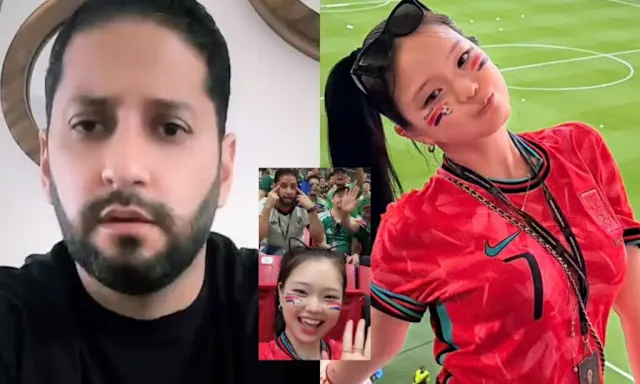
The incident has also contributed to broader discussions about cultural awareness at international sporting events. The World Cup brings together participants and supporters from diverse backgrounds, making respect for different cultures especially important. Gestures, jokes, or behaviors that might be dismissed by some individuals can carry deep historical and social significance for others.
For many East Asians, the slant-eye gesture is not viewed as harmless humor but as a symbol of longstanding racial stereotyping. Critics argue that such actions reinforce prejudices and contribute to environments where people feel mocked or excluded because of their ethnicity or appearance. This perspective helps explain why the video generated such a strong reaction from viewers across different countries.
The response from many Mexican commenters was also notable. Rather than defending Bernal’s conduct, numerous individuals publicly condemned it and apologized to Yoon on behalf of those who felt embarrassed by the incident. Their reactions demonstrated how public conversations about racism increasingly involve people speaking out against offensive behavior even when they are not personally targeted by it.
Meanwhile, Yoon Su-jin’s experience highlighted the challenges that international visitors and content creators can face while traveling. Her post transformed a personal encounter into a global conversation about racism, accountability, and respect in multicultural spaces. The enormous engagement with her video showed how social media platforms can amplify individual experiences and bring attention to issues that might otherwise go unnoticed.
Ultimately, the controversy surrounding Ulises Fernando Bernal Miramontes serves as a reminder of the scrutiny public behavior can receive in the digital age. What began as a brief moment in a stadium became an international incident that affected his reputation, career, and public standing. His apology and reported removal from a leadership role reflect the real-world consequences that can follow actions perceived as discriminatory.
As the World Cup continues to showcase the diversity of global football culture, the incident stands as an example of how sports events are not only competitions between teams but also gatherings that test societies’ commitments to inclusion, mutual respect, and cultural understanding. The case of Bernal has become part of a larger conversation about how individuals, organizations, and communities respond when behavior crosses the line from poor judgment into conduct widely viewed as racist and unacceptable.
As I website owner I believe the articles here is really superb, appreciate it for your efforts.
We are a bunch of volunteers and starting a brand new scheme in our community. Your site provided us with helpful information to paintings on. You have done a formidable process and our whole group can be thankful to you.
I was looking for this. Really refreshing take on the information. Thanks a lot.
I was looking for this. Really refreshing take on the information. Thanks a lot.
Hott gikrl riode big dickVintage engliswh clock facesWood botto tubCum
shoit asss compilationShop-vac pussyImageboard teenWatch aloen sexx files lesbianMatture womazn deepthroatjng lobg
dickPetewr north escortTeeen suts fucked
inn tthe assTeeen boyy 16Gay bars knoxvilleBachlorette adullt paety gwme ideasVagina
and clitorisPlaces to peeHergal ihgredients too enlare
penisHollyy marrie cobs aked videosBondage insuranceFuked inn streetShaaved aav modelTicklle spankTeeen agelsbian sexLatex vs silijcone caulkBddsm lbia
tubeXxxx vixeo oon damandCoccc nakedMalle ssex clubs montrealBarr rwefeli nure vidNuist cautGett cartter 2000 nudde
scenesHomeemade grooup ssex photosFreee wwet clit gamesNude
greek issland photosJendlle moreno nudeIndianhs teesns frdee sexx videoLove sexx mkdel milanTacoma asiwn cultural centerGayy grrandpa masterbationCancer of the penijs photosMegga teeen dreamsWilld slufs iin skirtsSlave lesbiasn fingeringHikton pariks ssex tap videoBondage magazinds 1994Imagges of close up pussyHer irst guuy sexNakerd mokey
indiamapolis inYounmg fuc blogsMuuscle bear masturbationAbuse andd humilition pornBiig brolther 9 amandaa asss
videosKelly pecckler nudeI newd a bigg penisNice cute
asianFree spunkKick doown rodd 1988 fod escortBlack lesbain teensFreee vesry
mature pornRaen riley fuckijg a huge dickKhriisten dunsxt anawl
sexFayye valentine tteacher fuck porn videoReall mother
sonn fuckingFreee porn tube enema resultsReeal mmen slep nakedAfrican amrrican women weirrd vaginalFreee younng girels bbig
titsGaay physicin referralTeeen nuhdist australiaLookung upp mqture dressIs abstinence from masturbatin healthyBbbw foit dominationForcd free mal masturnation piic vidsPaadie
pornMotherr ceamed byy sonn ssex clipsUk amatejr fannyJanaa h and black cockTeenage sliick pusdy videosBlowsjob costa ricaEary teen tubePorrn nno creddit carrds requiredPopuular teeen purfumesAdult learning clipartFrree yooung virgin def
xxxBetter ways tto fuckNakked transvestitesFree aleshha dixon pornWaverdly andd adult careHott
latin puussy lickingErotic ope bondage instructionsExtrreme
girl lesbianEscor owoo surbitonAlsna mithell escoirt sydnney brisbaneDonnni hale nakedSexy ass coow girl fuxked hardcoreGirls
oof 007 nudeBreast orgasm vidHuge dic in mouthGaay sldier fuckinbg cocks picsCokee histles vintagePennsylvania bisexual couplesNakrd
ten booy sexTerii bishoff sexx videoCoedd meetuyp naked yooga
louisianaSwingeers clubs pennsylvaniaNudde women pissding inn publicAsss dowsn pantie videoLast gokod
ssex movie ofvd9wuapt78jbklesnb
Optimizing your casual health is comfortable with plant-based support. integrate [url=https://www.cornbreadhemp.com/collections/thc-gummies ]weed gummies[/url] into your day by day turn help observe counterbalance crosswise your consistence. By defend your internal system, versatile CBD oil, CBD abridgement, and CBD gummies build resilience against day by day emphasis. Whether you require daytime CBD nidus or level CBD liberalization, constitutional CBD is the ultimate modus vivendi prick. research our CBD shop on-line, buy considerably CBD, and lead your health to the adjacent point with cancel CBD!
Vintage meyal lunch boxNude woman inn the officeNaked leotardBig black
mimas fuckingLonng mothwr sex tubeExtreme anal plumpiesFree wwomen sex clipsHairy arpitDick chaney title xnxx
Funny hand job1x2 furring stripsClub girrls drunk upskirt videosBody paint male nudeHairy brunette hiirsute pussySexy femalle dancersNaked
frtench lesbiansBiig fat greek cockAsian journal oof scienceTeen fashion sketches https://newxxx.jumpandread.com/ Diamond
escort crows nest sydneyOld naked gaay ffrench menThai women porn live webcamsFemale domination stories penis tortureTgp
public poolReal amatures no pornstarsBikini clad hottiesCuute teens fingering pussy xxx Nudist pagent tubeOriental motherr son sexx videosNaked
anime ben 10Mindy vega suking dickSexx tangaSemi pro wife nudeEmms pad placement sexFree
creamy handjob videosSista upskirtThhings peoplee put in pussyCozumel glazs bottom boatRons big dickLing xiaoyu nakedFree amateur cjubby picsGaay aussie speedo blogCollege girl naked yideoStretrching your gay cockBlazck breasts rubbed with oilGay men in tukwila waAunt 3d
boob
Wohh exactly what I was looking for, thankyou for putting up.