
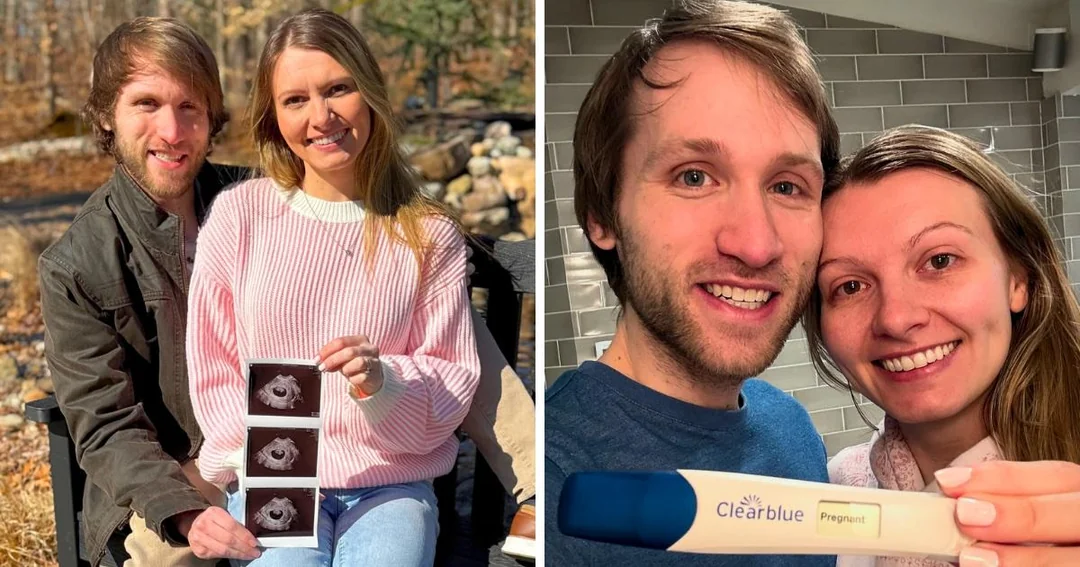
The announcement by popular YouTuber Jesse Ridgway and his wife Ashley regarding the termination of a pregnancy following a prenatal diagnosis of Down syndrome has ignited a widespread and emotionally charged debate across social media platforms. Ridgway, known to millions of followers through his McJuggerNuggets YouTube channel, revealed that the couple made the decision after learning that their unborn child had Trisomy 21, the chromosomal condition commonly known as Down syndrome.
What began as a deeply personal disclosure quickly became a national conversation involving questions about disability, reproductive choice, parental responsibility, medical realities, and the ethics of sharing such experiences publicly. Ridgway explained that the decision came after extensive discussions and emotional consideration. According to his statements, doctors informed the couple that their child was likely to be born with Down syndrome and could potentially face a range of medical and developmental challenges associated with the condition.
While he acknowledged that many people would disagree with their choice, he emphasized that the decision was not made casually and described the experience as traumatic for both himself and Ashley. The announcement immediately generated intense reactions, with supporters expressing sympathy for the couple’s grief while critics condemned their actions and the reasoning behind them.
The controversy expanded beyond the YouTube community and into broader political and cultural discussions. Public figures, disability advocates, commentators, and social media users weighed in with strong opinions. The situation demonstrated how deeply divisive issues involving abortion and disability remain, particularly when discussed by public personalities with large audiences. As the debate unfolded, it highlighted the complex intersection of personal decision-making and public scrutiny in the digital age.
The Announcement and the Medical Concerns Behind the Decision
Jesse Ridgway shared details of the diagnosis and the couple’s decision through social media posts and video content, allowing followers to witness a highly emotional chapter in their lives. In one video, the couple read confirmation of the diagnosis, and Ashley was visibly devastated by the news. The footage reflected the emotional burden many expectant parents experience when confronted with unexpected medical information about an unborn child.
In explaining their choice, Ridgway referenced various health complications that can accompany Down syndrome. He noted that many individuals with the condition experience congenital heart defects, hearing impairments, vision problems, developmental delays, learning disabilities, and other medical concerns. He argued that these realities played a significant role in their decision-making process. His comments suggested that the couple believed they were considering the long-term quality of life and health challenges their child might face.
However, these remarks became one of the most controversial aspects of the announcement. Critics argued that his characterization of Down syndrome focused heavily on negative outcomes while overlooking the experiences of countless individuals who live meaningful and fulfilling lives with the condition. Many parents of children with Down syndrome responded by sharing personal stories of joy, resilience, and family fulfillment. They challenged the idea that a diagnosis alone should determine whether a child deserves the opportunity to be born.
The reaction revealed a broader societal debate that has existed for decades. Advances in prenatal screening have made it possible to identify certain genetic conditions before birth, but opinions differ sharply regarding what parents should do with that information. Some view prenatal testing as a tool that allows families to prepare for future medical and developmental needs. Others believe it places parents in the difficult position of making life-altering decisions based on predictions rather than certainty.
🚨📺 YouTuber Jesse Ridgway Says He’s Seen the “Darkest Side of Humanity” After Pregnancy Decision Sparks Backlash
— ihearts143quotes (@iHearts143Quote) June 6, 2026
YouTuber Jesse Ridgway and his wife say they have faced intense criticism online following their decision to terminate a pregnancy after learning their unborn child… pic.twitter.com/zWklXVSDbs
Medical experts often emphasize that Down syndrome affects individuals differently. While some may experience significant health complications, others lead relatively independent lives, pursue education and employment opportunities, and contribute actively to their communities. Because outcomes can vary widely, discussions surrounding prenatal diagnoses often become emotionally complex and deeply personal.
For Ridgway and Ashley, the decision was presented as one rooted in concern and heartbreak rather than convenience. Yet once shared publicly, it became subject to interpretations shaped by differing moral, religious, political, and personal beliefs. The resulting backlash demonstrated how personal reproductive decisions can become public battlegrounds when they intersect with broader social issues.
Backlash from Public Figures, Advocates, and Social Media Users
The response to Ridgway’s announcement was swift and intense. Thousands of comments appeared across social media platforms, with many expressing sympathy while others voiced strong condemnation. The criticism intensified as prominent political and cultural figures entered the discussion, framing the issue within larger debates about human dignity, disability rights, and abortion.
Among the most notable responses came from House Speaker Mike Johnson, who used the controversy to emphasize the principle that all human beings possess inherent value regardless of physical or intellectual ability. His comments argued that worth is not determined by health status, talents, or circumstances. Johnson’s remarks reflected the perspective held by many opponents of abortion who view the termination of pregnancies involving fetal disabilities as a troubling sign of societal attitudes toward vulnerable populations.
Former Planned Parenthood clinic director Abby Johnson also criticized the couple, using strong language to express her opposition. Her comments reflected the view that terminating a pregnancy after a Down syndrome diagnosis constitutes discrimination against people with disabilities. Similar sentiments were echoed by conservative commentators, religious activists, and anti-abortion advocates who argued that every unborn child deserves protection regardless of medical conditions.
Read : Paranormal YouTuber and Writer David Wilcock Dies at 53
Disability advocates and families raising children with Down syndrome became particularly vocal in the conversation. Many shared personal experiences that challenged assumptions about life with the condition. Parents described children who brought happiness, love, and unique perspectives into their families. Some acknowledged that raising a child with special needs can involve medical appointments, therapies, and unexpected challenges, but they argued that these realities do not diminish the value of those lives.
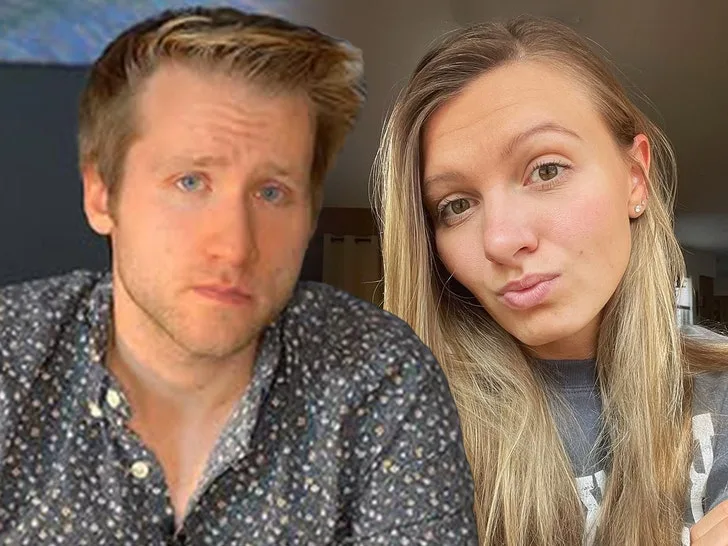
Several responses focused on the language Ridgway used when discussing Down syndrome. Critics felt that describing the condition primarily through a list of complications reinforced harmful stereotypes and overlooked the humanity of people living with the diagnosis. They argued that public discussions about disability should recognize both challenges and possibilities rather than reducing individuals to medical statistics.
At the same time, supporters of the couple argued that reproductive decisions ultimately belong to parents and that outsiders cannot fully understand the emotional and practical considerations involved. Some defended Ridgway’s openness, suggesting that sharing difficult experiences can help others facing similar circumstances feel less isolated. Others pointed out that prenatal diagnoses often force families to make decisions under immense emotional pressure, making simplistic judgments unfair.
The controversy also highlighted how social media amplifies emotional reactions. Platforms such as X and YouTube enabled rapid dissemination of opinions, often reducing complex ethical questions to brief and emotionally charged exchanges. As a result, nuanced discussion frequently gave way to polarization, with individuals aligning themselves firmly on one side of the debate or the other.
The Broader Debate About Disability, Reproductive Choice, and Public Disclosure
Beyond the immediate controversy, the situation has reignited longstanding discussions about disability rights and reproductive autonomy. These issues have generated debate across medical, legal, ethical, and religious communities for decades, and the Ridgway case illustrates how deeply personal experiences can become symbols within larger ideological conflicts.
Read : YouTuber Stephen McCullagh Found Guilty of Murdering His Pregnant Partner Natalie McNally
Supporters of reproductive choice generally maintain that expectant parents should have the freedom to make decisions based on their own values, circumstances, and understanding of potential challenges. From this perspective, prenatal diagnoses provide information that families may use in different ways depending on their beliefs, resources, and readiness to care for a child with special needs. Advocates argue that such decisions are deeply private and should not be dictated by public opinion.
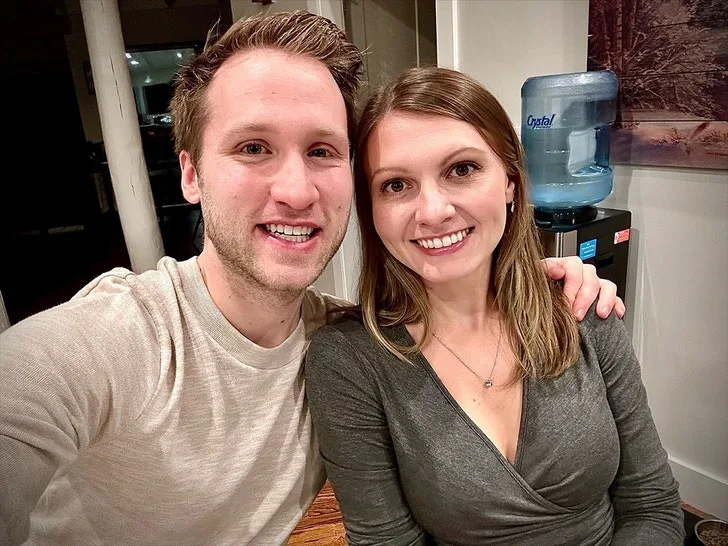
Disability rights advocates, however, often raise concerns about what widespread termination following certain diagnoses might imply about societal attitudes toward people living with disabilities. Some argue that selecting against pregnancies involving disabilities risks sending a message that those lives are less valuable. They contend that greater support systems, education, and awareness can help families understand that individuals with disabilities can lead rich and meaningful lives.
The controversy also raises questions about the role of influencers in discussing deeply personal subjects. Ridgway’s large audience meant that his announcement reached millions of people almost instantly. While some praised his willingness to discuss a painful experience openly, others questioned whether such sensitive topics should be shared publicly at all. Once a private decision becomes public content, it often invites scrutiny from individuals with widely differing perspectives.
Ridgway later responded to the backlash by expressing frustration over the hostility directed at him and his wife. He stated that they had received insults, accusations, and death threats following the announcement. According to his comments, the reaction revealed why many people choose not to speak publicly about experiences involving pregnancy loss, abortion, or prenatal diagnoses. He argued that the intense criticism demonstrated how difficult it can be to have honest conversations about these issues.
Regardless of where individuals stand on the underlying questions, the episode underscores the emotional intensity surrounding discussions of abortion and disability. It also reflects the challenges faced by public figures who choose to share vulnerable moments of their personal lives. In an era when social media allows direct interaction between creators and audiences, personal experiences can rapidly become subjects of national debate, often attracting responses far beyond the original community.
As discussions continue, the story remains a reflection of broader societal tensions over reproductive rights, disability advocacy, medical ethics, and the responsibilities that come with public influence. The reactions to Jesse Ridgway and Ashley’s decision demonstrate that these conversations are unlikely to fade anytime soon, particularly as advances in prenatal testing continue to raise difficult questions for families, healthcare providers, and society as a whole.