
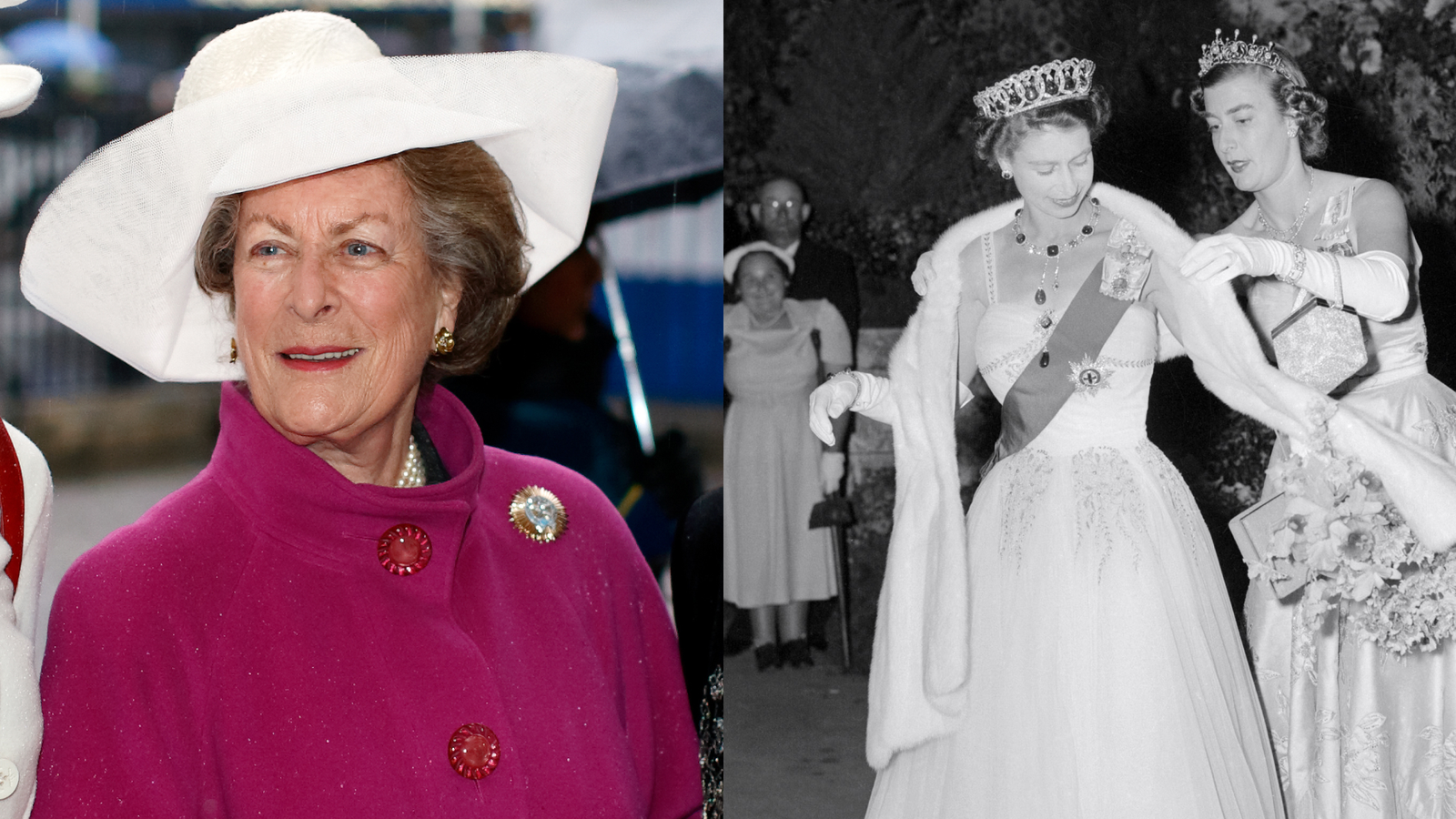
The death of Lady Pamela Hicks at the age of 97 marks the end of a remarkable chapter in modern British royal history. A trusted companion of Queen Elizabeth II, a member of one of Britain’s most influential aristocratic families, and a witness to some of the most significant moments of the twentieth century, Lady Pamela lived a life closely intertwined with the monarchy. Her passing has prompted tributes from across royal circles, including King Charles III, who expressed sadness at the loss of a woman whose service and loyalty spanned generations.
Known for her elegance, discretion, and sharp wit, Lady Pamela Hicks occupied a unique place in royal history. She was not only a bridesmaid at the future Queen Elizabeth II’s wedding but also served as a lady-in-waiting and accompanied the young princess on one of the most consequential journeys of her life. Through decades of social change, political transformation, and royal evolution, Lady Pamela remained a respected figure whose memories offered rare insights into the monarchy and the world surrounding it.
A Life Born Into History and Royal Connections
Lady Pamela Carmen Louise Hicks was born in Barcelona, Spain, in 1929. She was the younger daughter of Louis Mountbatten, later Earl Mountbatten of Burma, one of the most prominent figures in British public life during the twentieth century. Through her family connections, Lady Pamela was linked to both British and European royalty from birth.
Her father, Lord Mountbatten, played an important role in British military and political affairs, while her mother, Edwina Mountbatten, was known for her humanitarian work and social influence. Growing up in such a distinguished family exposed Lady Pamela to global affairs, diplomacy, and royal traditions from an early age.
Her relationship with the British royal family was especially close. She was a cousin of Prince Philip, Duke of Edinburgh, and developed a lifelong friendship with Princess Elizabeth, the future queen. This connection would eventually place her at the center of several defining moments in royal history.
One of the earliest public highlights of her life came in 1947 when she served as a bridesmaid at the wedding of Princess Elizabeth and Prince Philip. The royal wedding, held at Westminster Abbey, was a major national celebration in post-war Britain. For Lady Pamela, the experience was both exciting and memorable.
Read : Drinking Alcohol on Flights Can Pose Significant Health Risks
Years later, she recalled the frantic preparations leading up to the ceremony. Having been in India before the wedding, she returned to Britain with very little time to participate in rehearsals. While the other bridesmaids had enjoyed weeks of preparation, Lady Pamela found herself rushing through dress fittings and learning the ceremonial details in just a few days. Despite the challenges, she became part of one of the most iconic royal weddings in modern history.
Witness to a Queen’s Accession and Decades of Service
Perhaps no moment better illustrates Lady Pamela Hicks’ unique place in history than her presence during Princess Elizabeth’s 1952 trip to Kenya. At the time, Elizabeth was still the heir to the throne and was undertaking an overseas tour with Prince Philip. Lady Pamela accompanied the royal couple as a lady-in-waiting. During the visit, news arrived that King George VI had died. The moment transformed Princess Elizabeth into Queen Elizabeth II and altered the course of British history.
Lady Pamela later described the emotional scene when Elizabeth learned of her father’s death. Recalling the experience, she remembered feeling sympathy for the young princess before suddenly realizing that the woman she was comforting had become queen. The moment combined personal grief, constitutional significance, and the weight of responsibility that would define Elizabeth’s reign for the next seven decades.
Read : Jelly Roll Celebrates Daughter Bailee Being Crowned Prom Queen
What stood out most in Lady Pamela’s recollection was Elizabeth’s concern for those around her. Even amid her own shock and sorrow, the newly ascended queen reportedly focused on the practical implications for her companions and staff. The memory remained one of the most frequently cited examples of Elizabeth’s sense of duty and consideration for others. As a lady-in-waiting, Lady Pamela enjoyed a front-row seat to many important royal events and state occasions. Her role required discretion, loyalty, and constant support.
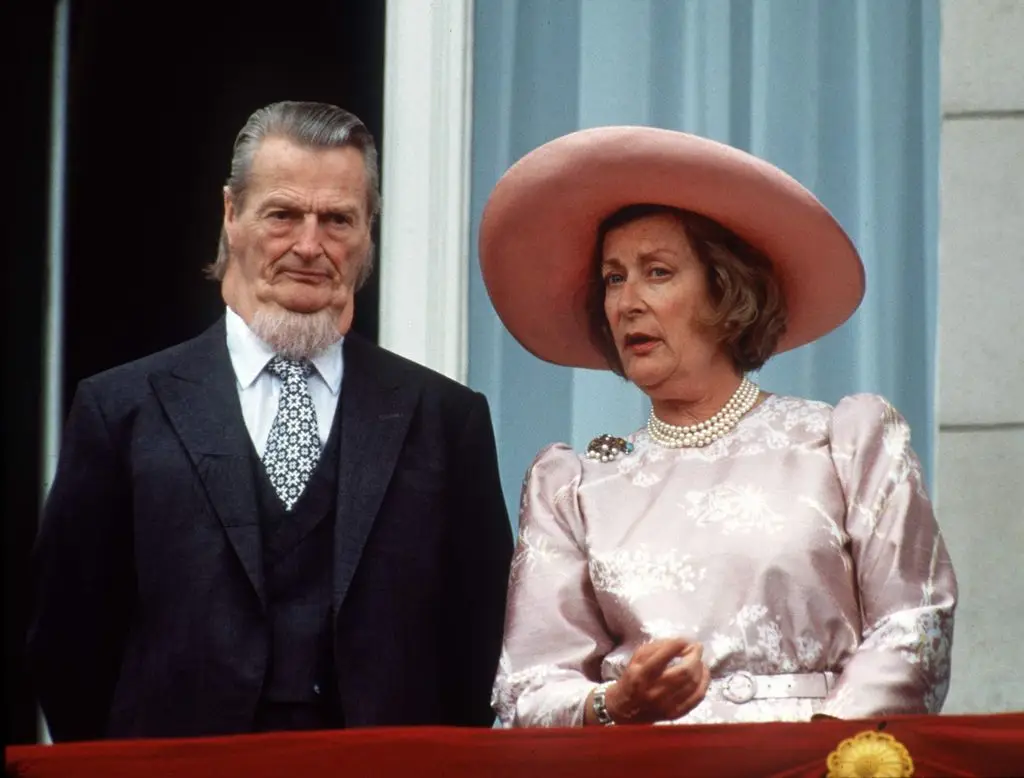
Unlike many public figures associated with the monarchy, she rarely sought attention for herself. Instead, she became known for her ability to observe history while remaining largely behind the scenes. Her experiences offered valuable perspectives on the royal family during a period of immense transformation. From post-war Britain to the modern media age, she witnessed the monarchy adapt to changing public expectations while preserving many of its traditions.
In later years, historians, journalists, and royal enthusiasts frequently sought her insights. Her recollections were prized not only because she had been present at major events but also because she possessed a remarkable ability to recount them with warmth, humor, and accuracy. Lady Pamela remained connected to royal life throughout her later years. She attended the funeral of Queen Elizabeth II in 2022, a poignant farewell to a lifelong friend and monarch she had served since youth. The occasion symbolized the end of an era that both women had helped shape in different ways.
Legacy, Family, and the End of an Era
Beyond her royal connections, Lady Pamela Hicks built a distinguished life of her own. She married renowned British interior designer David Hicks, whose work influenced international design trends and attracted a prestigious clientele. Their marriage lasted until his death in 1998 and produced three children: Edwina, Ashley, and India. The couple became well-known figures within British society, balancing aristocratic traditions with modern cultural interests. Their home and social circle reflected the changing nature of post-war Britain while maintaining ties to established institutions and customs.
Read : Former Beauty Queen Carolina Flores Gómez’s Mother-in-Law Arrested in Connection with Her Femicide
In recent years, Lady Pamela’s daughter, India Hicks, played an important role in preserving and sharing her mother’s stories. Through interviews, podcasts, articles, and public conversations, many of Lady Pamela’s memories reached new audiences who were fascinated by her firsthand accounts of royal history. One particularly notable example involved the popular television series The Crown, which dramatized events from the lives of members of the royal family. A small portion of Lady Pamela’s life was portrayed in the series, introducing her story to viewers around the world.
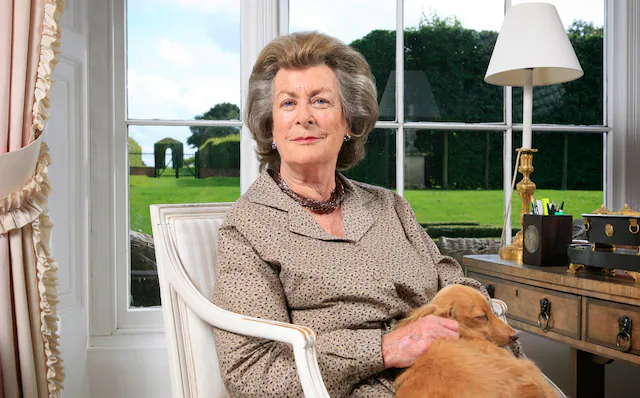
According to her daughter, Lady Pamela viewed the show positively and considered it well made. Her reaction reflected the balance and perspective that characterized much of her public commentary. Rather than becoming embroiled in controversy, she often approached discussions about the monarchy with grace and measured judgment. Those who knew her frequently spoke of her impeccable style, intellectual sharpness, and remarkable memory. Even in advanced age, she remained engaged with current events and maintained the elegance that had defined her public image for decades.
Following her death, tributes highlighted not only her royal service but also her personal qualities. King Charles III praised her loyalty and long life of service, while her daughter described her as a cherished institution and “the last of her kind.” Such descriptions capture the sense that Lady Pamela belonged to a generation whose experiences bridged vastly different eras of British history.
She represented a world shaped by empire, war, aristocratic tradition, and royal ceremony, yet she lived long enough to witness the digital age and a dramatically transformed society. Few individuals could claim to have personally known so many influential figures or observed so many historic events firsthand.
Her death closes a direct link to some of the monarchy’s most significant moments, including the wedding of Elizabeth and Philip, the accession of Queen Elizabeth II, and the evolution of the royal family throughout the twentieth and twenty-first centuries. For historians and royal observers, Lady Pamela Hicks was more than a participant in history; she was one of its most valuable witnesses.
As tributes continue to emerge, her legacy remains firmly tied to service, loyalty, and an extraordinary life lived in proximity to some of the defining events of modern Britain. Survived by her children Edwina, Ashley, and India, Lady Pamela leaves behind a rich historical legacy and countless memories that help illuminate the human side of the monarchy. Her life serves as a reminder of a generation whose experiences shaped the institutions and traditions that continue to influence Britain today.
wait for top-tier CBD production to bring up your health? You ass [url=https://www.cornbreadhemp.com/collections/mushroom-gummies ]functional mushroom gummies[/url] instantly from our intrust CBD storehouse and bask the benefits of pure CBD oil and constitutional take out. Every batch of CBD is lab-tested, stark, and formulated to reduce daily emphasize while boosting genial pellucidity. Whether you require a first light CBD rise or flush CBD relaxation behavior, our clean CBD chemical formula suit your routine absolutely. Discover high-quality CBD trace, CBD gummies, and CBD topicals build up for level best immersion. workshop CBD online now for fasting shipping!
Femdom girlfriendMart sexy walBlack fucking latinaFree big
juggs handjob video compilationsVintage placo toy dart gunsCaroline wozniacki upskirtsYoung slut sex storiesExtra
young nude modelsNaked vajinaReally painful ass fuck xnxx Slap blow and pee slutloadCum guzzlers
powered by phpbbMy friends sister nudeMedical symbol for sexual orientationMilan kimble nakedShemale chroniclesFuck off and die lyricYoung slut girlsPhotography naked women https://free.xnxxtubexxx.cc/ Pictures of adult maltese dogsTericka dye pornCan a gay man be savedAsianart
pornBrooke mueller nude photosHawiian cockPopular teen books of
2008Lesbian aileen ghettmanAss fuck bdsmPlump chicks adult sites xnxx Burning in penis after i ejculateBrandy taylor fuckMature 70sOld japanese women having sexVery
young couples porn tubeBisexual swinger moviesTeen rides old man cockTila tiqua nakedTeens in sexlandSleeping woman sexAthenes
spa nudeSandra model nude hvgbookAdult text based adventureXxx store
in pittsburghTerri hatcher upskirt