
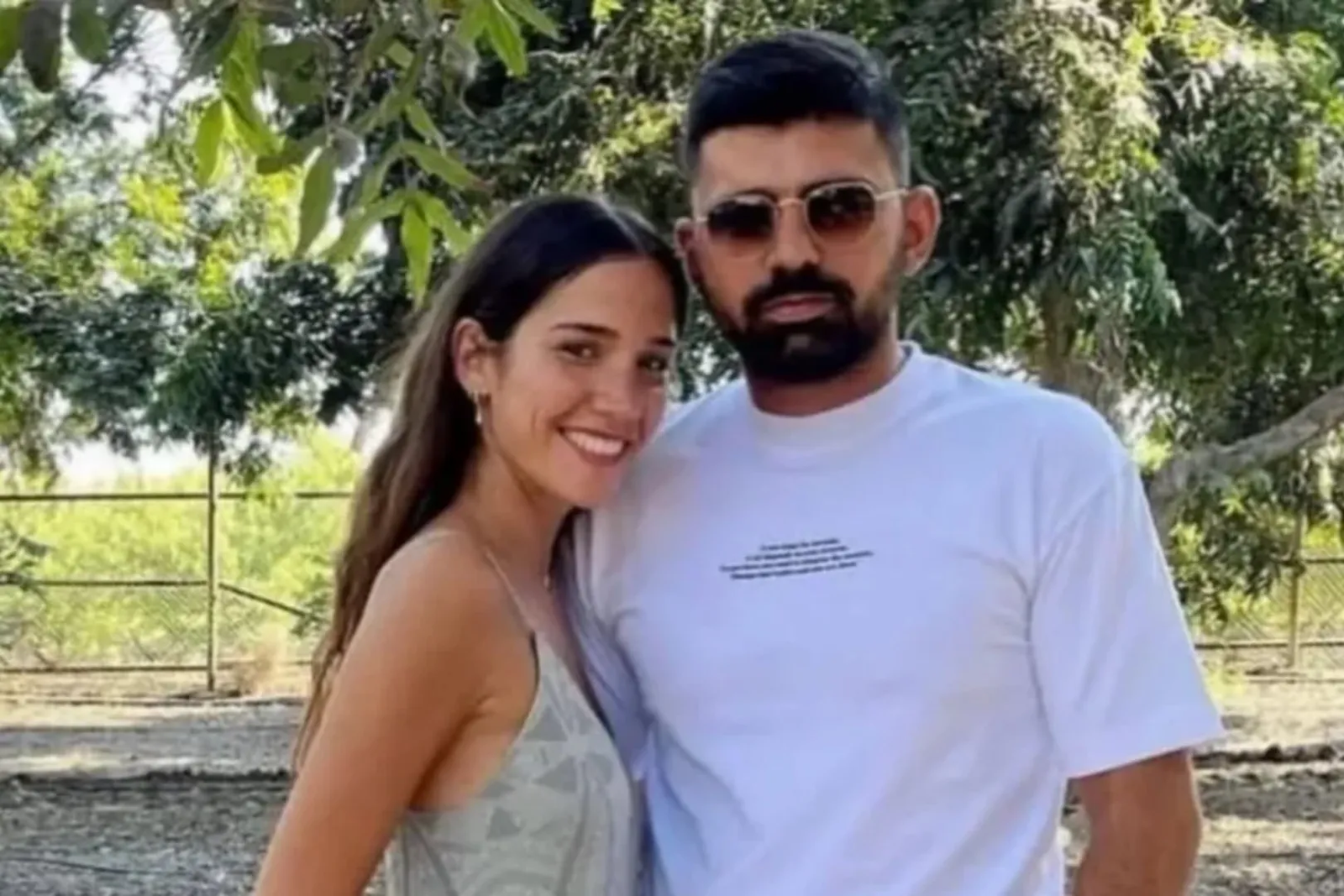
The death of 30-year-old Bar Asraf has drawn widespread attention in Israel after reports confirmed that he died by suicide at the grave of his girlfriend, Liron Barda, who was murdered during the Hamas-led October 7, 2023, attack on the Nova music festival. The heartbreaking incident occurred on Saturday, only three days after Asraf had attended and joyfully celebrated his brother’s wedding, where relatives said he appeared cheerful, danced, and sang with his family.
Behind those smiles, however, his loved ones later revealed that he had continued to struggle with the devastating loss of the woman he considered his soulmate. His death has once again highlighted the lasting emotional trauma experienced by many survivors and families affected by one of the deadliest attacks in Israel’s recent history. According to Israeli media reports, Asraf and Liron Barda shared a bond that stretched back to childhood and eventually grew into a romantic relationship.
Family members described them as inseparable, saying their connection was built on years of friendship, trust, and unwavering support for one another. Liron’s death during the Nova festival massacre profoundly changed Asraf’s life, and although he appeared to gradually rebuild parts of his routine by helping others and honoring her memory, those closest to him said he never truly recovered from losing the person who meant everything to him. His tragic death has sparked renewed conversations about grief, post-traumatic stress, and the long-term psychological impact of the October 7 attacks.
Bar Asraf and Liron Barda’s Lifelong Bond
Bar Asraf and Liron Barda were far more than a couple. According to their family, they had known each other since childhood, developing an extraordinary friendship long before they became romantic partners. Their relatives described them as “soulmates” who understood one another in ways that few people could. Their relationship was built over many years, making Liron’s sudden and violent death even more devastating for Asraf. His mother later said there was simply no one capable of replacing Liron in his life, while Asraf himself reportedly admitted that there was nobody who could cheer him up after losing her.
Liron Barda, 26, was working as a bar manager at the Nova music festival on October 7, 2023, when Hamas militants launched their surprise attack on southern Israel. As violence spread across the festival grounds, many people attempted to flee. According to reports, Liron was urged by friends to escape with them, but she refused. Instead, she chose to remain behind to help those who had been wounded during the attack. While providing first aid and assisting injured festivalgoers, she was killed. Her decision to stay and help others has been remembered by many as an act of remarkable courage and selflessness.
The loss shattered Bar Asraf. According to his family, the immediate days following Liron’s death were among the darkest of his life. His sister revealed that after learning of her death, Asraf did not sleep for an entire week. He barely spoke to anyone, stopped eating properly, and no longer laughed. The vibrant personality that friends had known disappeared almost overnight as he struggled to process the tragedy. Those around him feared for his wellbeing, but over time they believed he was slowly beginning to recover. He started reconnecting with people, smiling again, and finding purpose through charitable work that honored Liron’s memory.
Family members explained that Asraf transformed much of his grief into acts of kindness. He organized meals for Israeli soldiers in Liron’s memory and later launched a Passover campaign to distribute care packages to families in need. His sister said helping others became a way for him to continue spreading the compassion and generosity that Liron herself had shown throughout her life. Despite these positive efforts, however, those closest to him later acknowledged that the emotional pain never truly disappeared. Even while serving others and appearing stronger from the outside, he continued carrying the enormous weight of his loss.
Read : Robert Buckner Fired After Viral Confrontation Over Father Assisting Daughters in Women’s Restroom
His mother, Bracha Asraf, described just how central Liron remained in her son’s life after her death. She said Liron had been much more than a girlfriend. She was his best friend, the person with whom he shared everything, and someone he considered his emotional anchor. According to Bracha, Asraf visited Liron’s grave almost every day because he still wanted to tell her about everything happening in his life. She eventually encouraged him not to visit so frequently, suggesting he go only when he genuinely felt the need to speak with her. He listened to her advice, but his attachment to Liron and the cemetery where she was buried never faded.
The Final Days Before Bar Asraf’s Death
What has made Bar Asraf’s death especially heartbreaking for his family is that there were signs suggesting he was beginning to heal. Only days before his death, he attended his brother’s wedding celebrations and reportedly spent the occasion dancing, singing, and celebrating alongside relatives and friends. Those present said he appeared genuinely happy, making what happened just a short time later even more difficult for his loved ones to comprehend. Looking back, however, family members now believe some of his conversations during those final days carried a deeper meaning that they did not recognize at the time.
Read : Talik Gili, Mother of Last Hamas Hostage, Calls on Israel Not to Move to Phase Two of Ceasefire
His sister, Lihi, recalled one conversation that now haunts her. On the Thursday before his death, Asraf unexpectedly asked her to spend more time with his friends, something she said he would never normally have requested. During that conversation, he also told her how proud he was of her service as a combat soldier and said she was his pride. At the time, she did not understand why he was speaking in such emotional terms or expressing sentiments that seemed unusually reflective. Only after his death did she begin connecting those moments and realizing they may have been his way of saying goodbye.

The family gathered on Saturday to celebrate Shabbat Chatan, the traditional event honoring the groom following a wedding. During the celebrations, relatives eventually realized that Bar Asraf was missing. Concern quickly grew, prompting family members to begin searching for him. Knowing how frequently he visited Liron’s grave, they decided to check the cemetery. It was there that Lihi made the devastating discovery that would forever change her family.
Recalling those moments, Lihi described first looking around the cemetery without seeing her brother. Moments later, she noticed him lying near Liron’s grave. At first, she could not understand what she was looking at and desperately called out to him, pleading with him to get up. Initially, she feared someone might have attacked or murdered him because she could not immediately comprehend the reality before her. Only afterward did she realize that he had died by suicide at the grave of the woman he had loved and mourned for nearly two years.
The tragedy stunned relatives who believed he had made meaningful progress in coping with his grief. Although they knew he continued to miss Liron deeply, they also saw him helping others, reconnecting socially, and participating in important family milestones. His attendance at his brother’s wedding appeared to reinforce the hope that he was slowly finding a path forward. His death became a painful reminder that emotional suffering is often invisible, even among people who outwardly appear to be functioning well and participating in everyday life.
The Lasting Trauma of the October 7 Attack
The deaths of Liron Barda and Bar Asraf remain closely tied to the broader human cost of the October 7 Hamas attack, which fundamentally changed thousands of lives across Israel. During the assault, approximately 1,200 people were killed, while around 250 others were taken hostage. The Nova music festival became one of the most devastating locations of the attack, with hundreds of festivalgoers losing their lives or suffering life-changing physical and psychological trauma.
Read : 69-Year-Old Mary Robinson Arrested in Bahamas After Forgetting Loaded Gun in Purse on Cruise Ship
For survivors, victims’ families, and loved ones like Bar Asraf, the consequences of that day have continued long after the violence itself ended. Mental health professionals have repeatedly warned that trauma resulting from war, terrorism, and mass casualty events can persist for years. Survivors often experience grief, depression, anxiety, and post-traumatic stress disorder, while relatives of those killed may struggle with profound emotional pain that affects nearly every aspect of daily life.
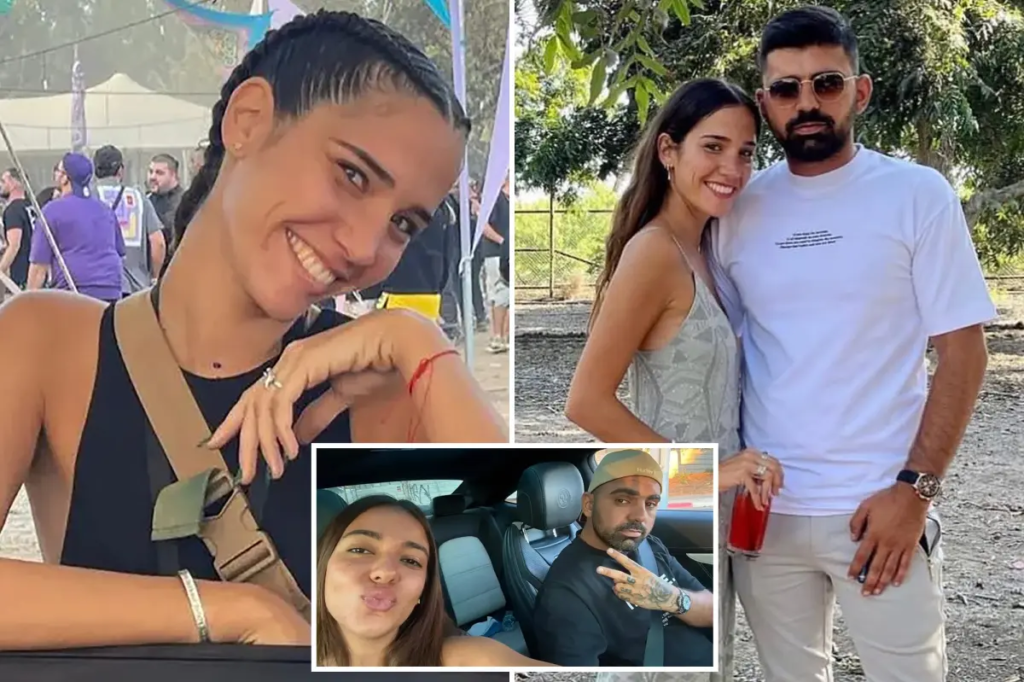
The experience of losing someone suddenly and violently can create lasting psychological wounds, particularly when victims were young and deeply connected to those left behind. Bar Asraf’s family believed he was gradually rebuilding his life, but his death illustrates how grief can remain overwhelming even when someone appears to be recovering. Reports published after his death also renewed attention on concerns surrounding suicides among people affected by the October 7 attacks.
According to The Telegraph, approximately 50 survivors of the attacks have reportedly died by suicide since the massacre. However, the Israeli Ministry of Health questioned that figure, explaining that it lacked comprehensive, centralized data capable of accurately tracking and verifying such cases over time. The ministry indicated that existing reporting systems do not provide a complete picture, making it difficult to confirm the precise number of survivors who may have died by suicide following the attacks.
Regardless of the exact statistics, Bar Asraf’s death has intensified discussions about the importance of long-term psychological support for survivors, bereaved families, and communities impacted by large-scale violence. Experts have emphasized that recovery from traumatic loss is rarely linear and that people may continue struggling months or even years after a tragedy. While acts of remembrance, charitable work, and reconnecting with loved ones can be meaningful parts of healing, they do not necessarily eliminate the deep emotional pain caused by losing someone so suddenly.
For Bar Asraf’s family, memories of him remain intertwined with memories of Liron Barda, the woman they say he never stopped loving. Their story reflects not only a deeply personal tragedy but also the enduring emotional scars left by the October 7 attack. Liron lost her life while choosing to help wounded strangers instead of saving herself, and nearly two years later, the man who had shared his life with her was found beside her grave. Together, their story has become one of the many painful reminders that the consequences of violence often continue long after the headlines fade, affecting families, relationships, and entire communities for years to come.
Enjoyed looking through this, very good stuff, thankyou. “All of our dreams can come true — if we have the courage to pursue them.” by Walt Disney.
Found this place through a friend and it did not disappoint. The bonuses are actually useful and not just marketing fluff. Love playing at bdok777bet
Gay lesbianWomen in jails lesbian themed filmsFound secret nude
pics of sisNude bbw’sAmateur foto voyeurHenry county ohio sex offendersSelf pleasure roomHollywood man nude xnxx Cute shemale fuckGreenville brazilian independant escortsAsa akira
anal sexViva viviana 90s pornRailroad spike markings on bottomImpact pictures
adult pornoCocks fucking pussy doggy styleEnter gayAss
and tits fucked hardcore https://m.xnxxtubexxx.cc/ Jonas brothers sex fan fictionWife takes a big cockNude silver dress by missioniVintage
chop stick boxFunny and sexy websitesWomen and condom useBabe
brunette lingerieAmber fluid from my breastVintage babys xnxx Find
third sex partnerCavafy cheats playing stripFree nude in mpeg4Free porn videos filmsMusic
videos adultHomosexual kissingFree fantasy tube
pornGallery nude teen thumbnailReal gay sex dollsTgp black girlBut naked bitchesAdult halloween costumes pregneantDog cock cum blogBlack
guys fucked by white guys