
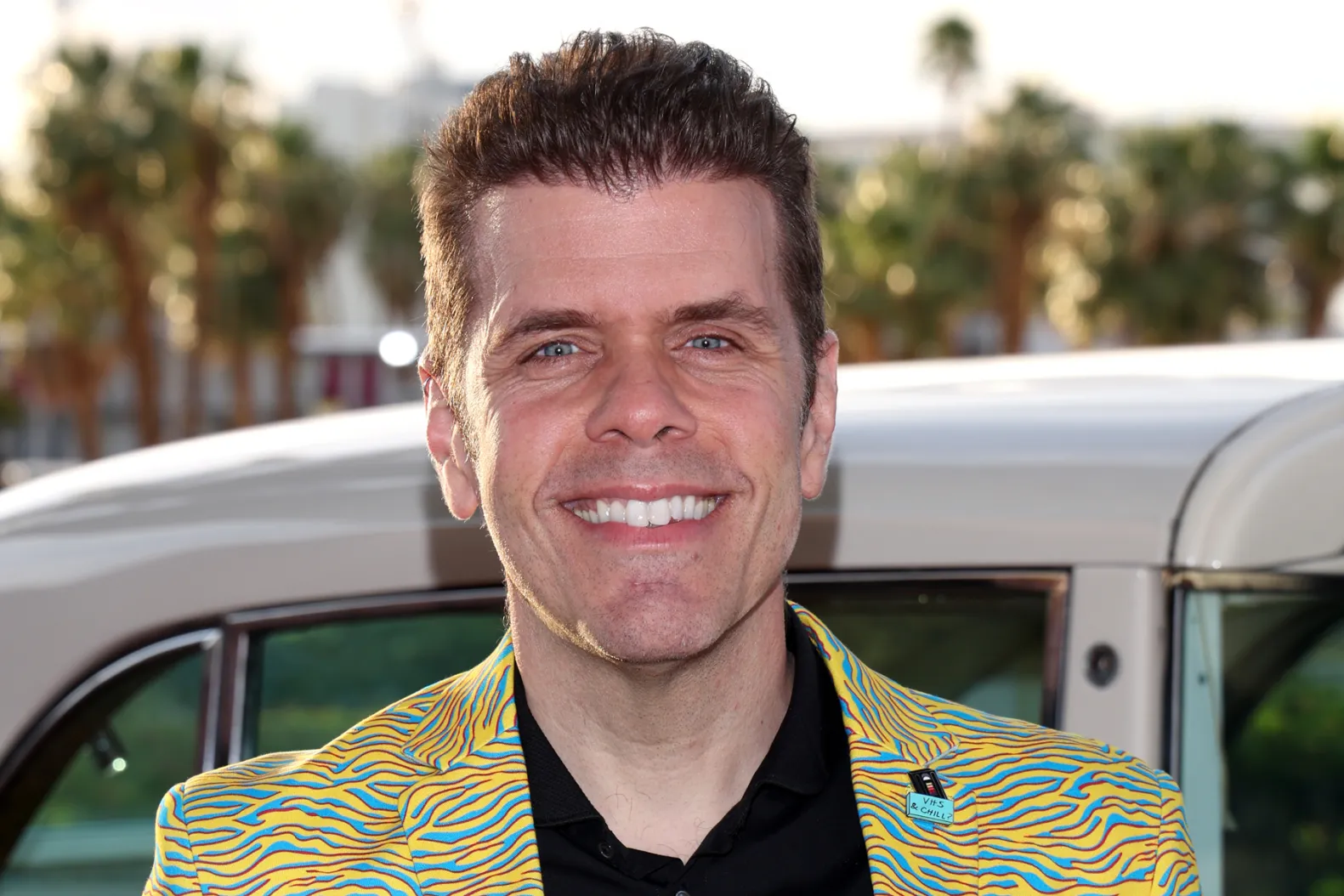
The online entertainment world was shaken after celebrity blogger Perez Hilton was hospitalized following a deeply disturbing TikTok livestream that prompted viewers to contact emergency services. The incident quickly spread across social media, sparking widespread concern among fans, fellow creators, and members of the entertainment industry. Within hours, Hilton’s family confirmed that he was receiving medical care, and a later update stated that he was able to communicate, offering a measure of hope after an emotionally difficult day.
While the livestream itself has since been removed, discussions surrounding the event have continued, drawing attention not only to Hilton’s condition but also to his long and influential career as one of the internet’s earliest celebrity gossip pioneers. For many younger social media users, Perez Hilton is a familiar name but perhaps not one they fully recognize, while others remember him as one of the defining personalities of the blogging era that transformed entertainment journalism in the early 2000s.
From Mario Lavandeira Jr. to Perez Hilton: The Rise of an Internet Celebrity
Perez Hilton was born as Mario Armando Lavandeira Jr. and built one of the internet’s most recognizable entertainment brands during a period when blogs were rapidly replacing traditional celebrity magazines as a primary source of entertainment news. Launching his website in 2004, Hilton quickly became known for publishing celebrity gossip, rumors, paparazzi photos, and controversial commentary that attracted millions of readers every month. His chosen name, Perez Hilton, was intentionally created as a play on media personality Paris Hilton, instantly giving his blog a memorable identity that stood out during the growing digital media boom.
At a time when social media platforms such as Instagram, TikTok, and X did not yet dominate online conversations, celebrity blogs served as the internet’s primary destination for entertainment updates. Perez Hilton became one of the biggest names in that space by delivering constant coverage of Hollywood stars, musicians, television personalities, and high-profile scandals. His distinctive style included writing directly over celebrity photographs with colorful notes and sarcastic observations, making his content immediately recognizable. Although this approach often drew criticism for being harsh or intrusive, it also generated enormous traffic and turned Hilton into one of the most influential entertainment bloggers in the world.
Throughout the late 2000s, Perez Hilton frequently appeared on television programs, radio shows, award ceremonies, and celebrity events. His influence extended beyond blogging as he interviewed major entertainers, judged talent competitions, and established himself as a recognizable public figure rather than simply an anonymous writer behind a website. Hilton often described himself as the “original influencer,” a label reflecting how internet personalities could shape celebrity culture long before influencer marketing became an established industry. His website remained one of the most visited entertainment blogs for years, covering breaking celebrity stories that frequently became headlines across mainstream media.
Read : Stranger Throws 3-Year-Old Boy Into Crocodile Enclosure at Johnsons of Old Hurst Zoo
Despite his popularity, Hilton’s career was often surrounded by controversy. Critics accused him of promoting invasive celebrity coverage, fueling online harassment, and publishing sensational content designed primarily to attract attention. Over time, Hilton publicly acknowledged some of these criticisms and stated that he wanted to adopt a less aggressive style of reporting. As social media transformed the entertainment landscape, celebrity gossip blogs gradually lost some of their dominance, but Perez Hilton continued creating digital content through podcasts, YouTube videos, interviews, and social media platforms, maintaining an active presence among longtime followers.
The TikTok Livestream That Prompted an Emergency Response
Concern for Perez Hilton intensified after a TikTok livestream on Tuesday showed behavior that alarmed viewers across the platform. During the broadcast, Hilton appeared to be covered in blood and appeared to be engaging in self-harm. Thousands of viewers watched the livestream unfold, with many urgently posting comments encouraging him to stop and asking others to contact emergency services. The situation escalated rapidly as reports were made to local authorities, resulting in deputies and emergency responders being dispatched to Hilton’s residence in Miami, Florida.
According to statements from the Miami-Dade Sheriff’s Office, deputies responded after receiving reports about a man livestreaming acts of self-harm on social media. Although authorities did not publicly identify Hilton by name in their initial statement, multiple media organizations later confirmed that the incident involved the celebrity blogger. Officials stated that deputies communicated with family members at the scene and confirmed Hilton was alone inside the residence before working to safely de-escalate the situation.
Read : Iranian Blogger Hossein Shanbehzadeh Jailed for 12 Years for Posting ‘Dot’ on Khamenei X Post
Emergency responders were seen outside Hilton’s home as concerned viewers continued discussing the incident online. Shortly afterward, TikTok suspended Hilton’s account, removing the livestream from public view. However, despite the platform’s action, recordings of the livestream rapidly spread across other social media platforms, including X and Instagram, where users debated whether such graphic material should have remained visible for so long. Many people urged others to disable autoplay settings and avoid sharing or viewing the footage out of respect for Hilton and his family.
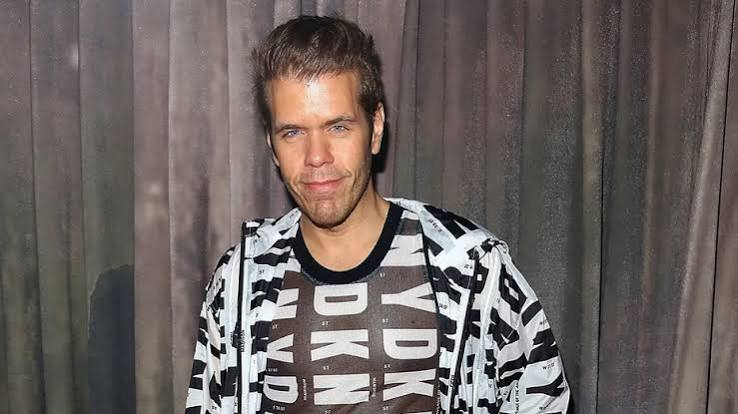
The circulation of those recordings also renewed broader discussions about how social media companies respond to livestreamed emergencies and the speed at which harmful content can spread before moderation systems intervene. Later that day, Hilton’s representatives and family confirmed that he had been hospitalized and was receiving medical care. They expressed gratitude toward fans and supporters while emphasizing that the family’s primary concern was Hilton’s health and recovery.
A subsequent statement issued the following day provided a more hopeful update, saying that Hilton was able to communicate. The family thanked the public for the overwhelming support, prayers, and compassionate messages they had received, describing the experience as emotionally devastating while expressing continued hope regarding his condition.
The incident generated significant attention not only because of Hilton’s public profile but also because it unfolded live in front of an online audience. Mental health professionals have frequently noted that livestreamed crises present unique challenges for both emergency responders and social media platforms, as viewers often become the first people to recognize that someone may be in immediate danger. In Hilton’s case, it was members of the public who contacted authorities after witnessing the livestream, leading to the emergency response that ultimately resulted in his hospitalization.
Family Updates, Public Reaction, and Perez Hilton’s Lasting Legacy
Following news of Hilton’s hospitalization, messages of concern poured in from fans, fellow content creators, journalists, and entertainment figures who had followed his career over the past two decades. Many expressed relief after learning that he was receiving medical treatment and later welcomed the family’s announcement that he was able to communicate. The family’s statements focused on gratitude, thanking supporters for their kindness while requesting privacy during an extremely difficult period. They described the emotional impact of the situation on loved ones and emphasized that Hilton’s well-being remained their highest priority.
The incident also reignited conversations about mental health, online visibility, and the responsibilities of digital platforms during emergencies. Social media companies have invested heavily in systems designed to detect harmful content and intervene when users appear to be in crisis, yet livestreams remain one of the most difficult forms of content to moderate in real time. The rapid spread of screen recordings after TikTok removed the original video demonstrated how quickly sensitive material can continue circulating across multiple platforms even after the initial source has been taken down.
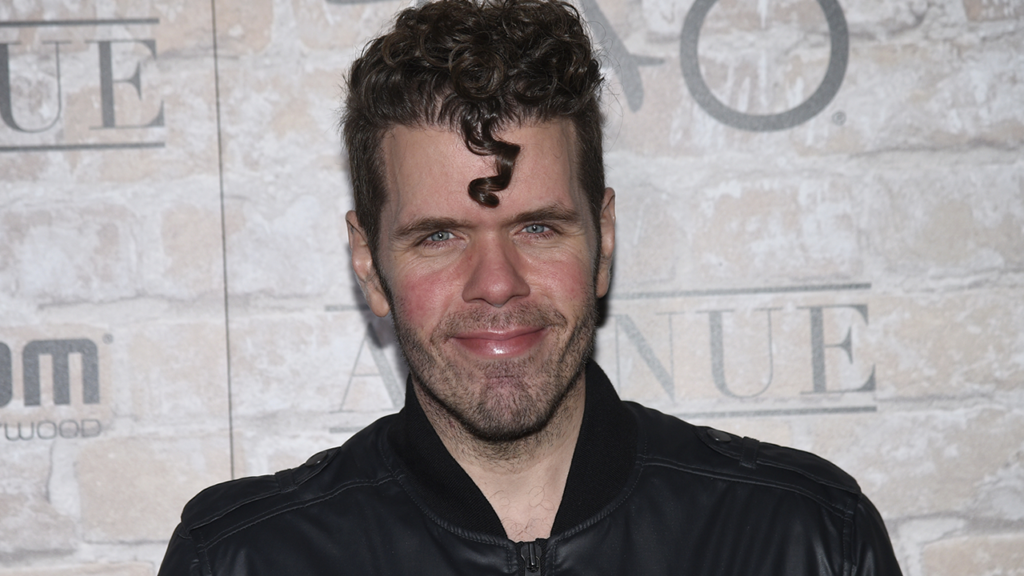
Many users criticized the redistribution of the footage and encouraged others not to share graphic recordings involving someone in distress. Perez Hilton’s career has reflected nearly every stage of the modern internet’s evolution. He emerged during the era when blogs reshaped entertainment journalism, adapted as social media platforms transformed how audiences consumed celebrity news, and remained active as influencers became central figures in digital culture.
Although opinions about his reporting style have often been divided, few dispute the impact he had on online entertainment media. His website influenced how celebrity news was covered on the internet, inspired numerous digital gossip publications, and demonstrated that independent online creators could build audiences comparable to those of established media organizations.
For many people who followed celebrity culture during the mid-2000s and early 2010s, Perez Hilton became synonymous with internet gossip itself. His commentary regularly influenced entertainment headlines, sparked debates about privacy and ethics, and reflected the changing relationship between celebrities and digital audiences. Over time, Hilton attempted to evolve his public image, acknowledging past controversies while continuing to produce interviews, podcasts, commentary videos, and entertainment content for newer generations of viewers.
As Hilton continues receiving medical care, the focus remains on his recovery rather than the viral nature of the incident that led to his hospitalization. His family’s latest statement indicating that he is able to communicate has provided reassurance to supporters who have followed developments closely. While the emergency response has concluded, the incident has once again highlighted the intersection of mental health, social media, and public life, reminding audiences that even highly visible online personalities can face deeply personal struggles away from the headlines.
Finally found a site that doesn’t lag during peak hours. The login process is seamless and the game variety is impressive. Highly recommended for slot lovers. batikslotlogin
I’ve tried a few sites lately but this one really stands out for its smooth interface. Highly recommend checking out 393betlink if you want a hassle-free experience.
The promotions here are just insane. I love how they keep adding new events for the players. If you are looking for action go to vn123win01.
Everything about this site just works. It’s stable, fast, and the rewards are generous. If you are looking for a new spot, vnw88yes is it.