
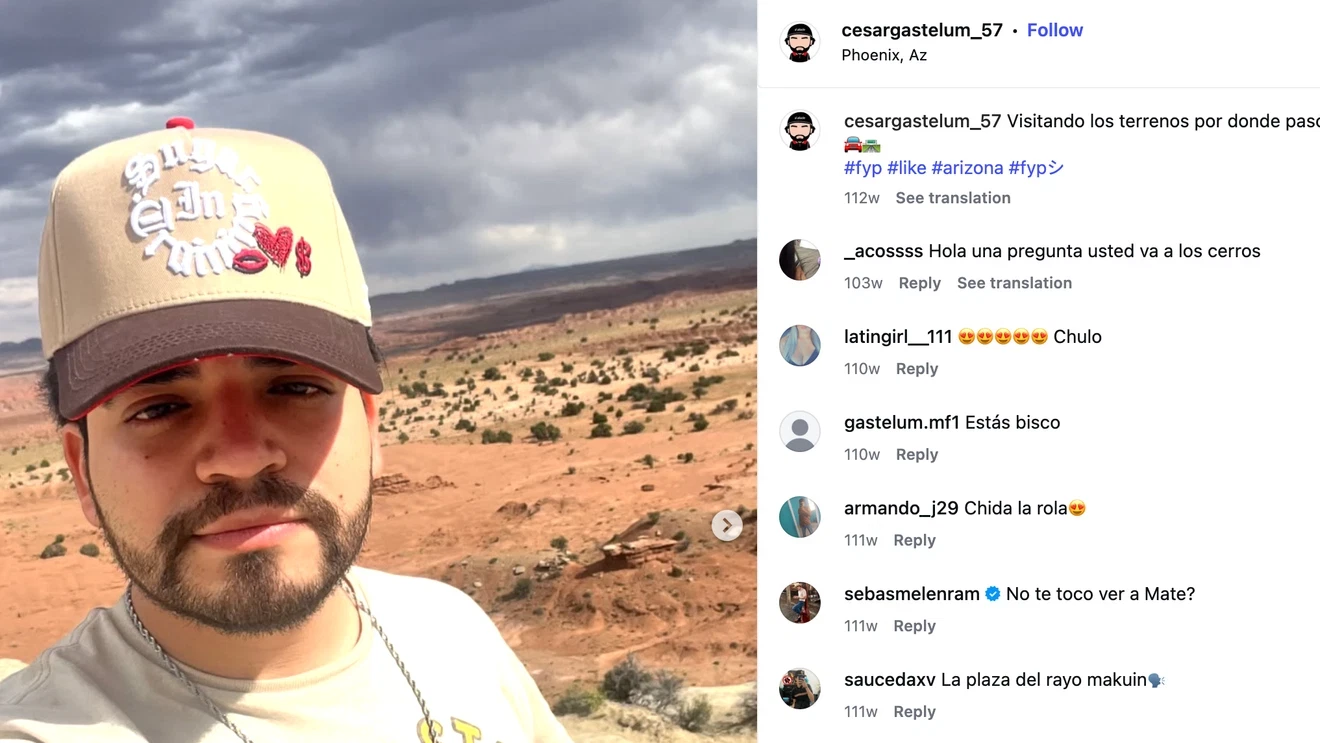
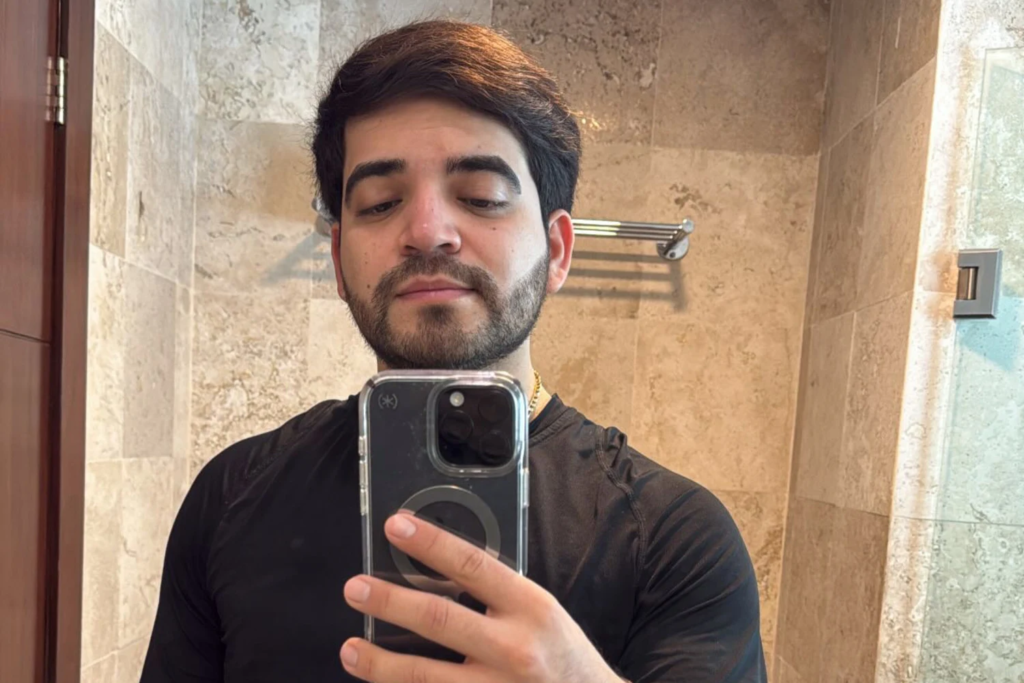
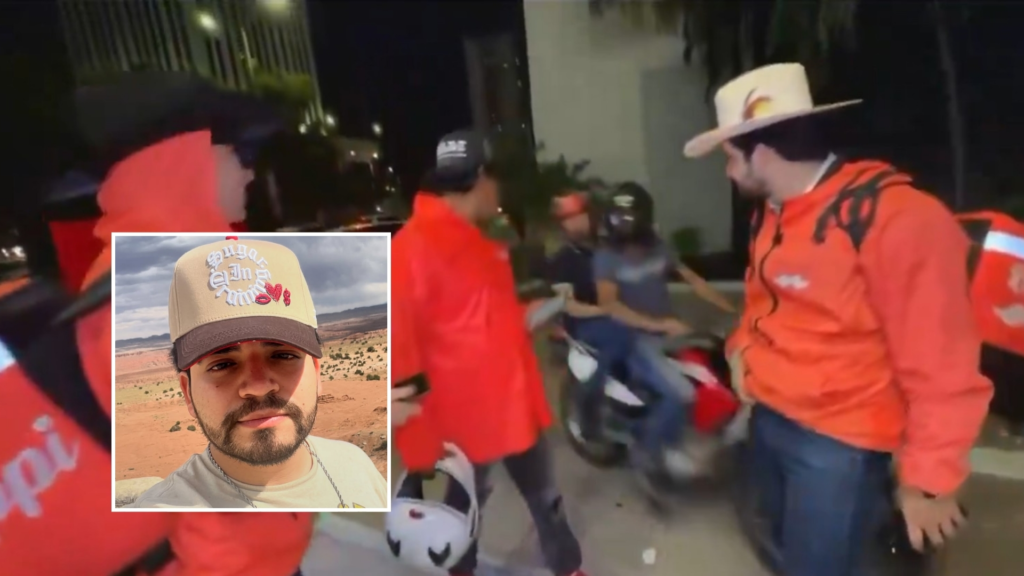
The fatal shooting of Mexican TikTok influencer César Gastélum has once again drawn international attention to the dangers surrounding social media personalities in regions affected by organized crime. Gastélum, who had built a following of more than 600,000 people on TikTok, was killed while livestreaming outside a KFC restaurant in Culiacán, the capital of Mexico’s Sinaloa state.
The shocking attack unfolded in broad daylight and was captured on the livestream before authorities quickly launched a major investigation. Officials are now examining whether Gastélum’s online activity played any role in the killing, while the case has renewed concerns about escalating violence in Sinaloa and the growing number of influencers who have been targeted in Mexico over recent years.
Who Was César Gastélum and What Happened During the Livestream?
César Gastélum was a well-known Mexican content creator whose videos attracted more than 600,000 followers on TikTok. Although he was primarily recognized for his online presence, his sudden death has placed his name at the center of a national criminal investigation. On Tuesday, Gastélum was livestreaming outside a KFC restaurant in Culiacán when two individuals riding a motorcycle approached him. According to footage viewed by Reuters, both suspects were wearing helmets, making their identities difficult to determine.
Moments after approaching the influencer, the attackers opened fire, killing Gastélum at the scene. The livestream reportedly captured the moments surrounding the attack, shocking viewers who were watching in real time. Emergency responders and law enforcement officers quickly arrived at the location, while security forces launched a significant operation throughout the area in an effort to locate those responsible.
A security official from the state of Sinaloa confirmed Gastélum’s death and stated that authorities immediately began coordinating efforts to investigate the homicide. The crime scene was secured while investigators collected physical evidence and reviewed nearby surveillance footage that could help identify the attackers and trace their movements before and after the shooting.
The brazen nature of the killing has raised serious concerns because it occurred in a public place and during a live broadcast viewed by hundreds or possibly thousands of people. The attack demonstrated the increasingly bold tactics employed by criminal groups operating in parts of Mexico where violence linked to organized crime remains widespread.
The incident also sparked widespread reactions across social media platforms, where many followers expressed disbelief that someone they had been watching moments earlier had become the victim of such a violent crime. Tributes soon began appearing online as fans mourned the influencer while awaiting official information about what had happened.
Mexico’s Federal Security Cabinet confirmed the following day that investigators are examining whether Gastélum’s social media activity may have been connected to the murder. According to federal authorities, investigators are reviewing “various posts” published by Gastélum, some of which allegedly referenced a faction of a criminal organization. Officials have not publicly disclosed which specific posts are under review, nor have they concluded that the content directly motivated the attack.
Authorities emphasized that the investigation remains active and that multiple lines of inquiry are being pursued simultaneously. Federal investigators are working alongside the Sinaloa Prosecutor’s Office to analyze surveillance camera footage, forensic evidence, witness statements, and other information collected from the crime scene.
“César Gastelum”
— ¿por qué es tendencia? (@estendenciaensv) August 5, 2026
Porque asesinaron al creador de contenido en Culiacán, México afuera de un KFC, mientras estaba en vivo en su canal de Kick. pic.twitter.com/eZVb3YdYkn
Mexican President Claudia Sheinbaum also addressed the killing during her morning press conference on Wednesday. She stressed that investigators must not only identify those who carried out the shooting but also determine whether there was someone who ordered the assassination. According to Sheinbaum, authorities intend to uncover both the direct perpetrators and any possible mastermind behind the crime while determining the motive that led to Gastélum’s death.
Her comments underscored the seriousness with which federal authorities are treating the investigation, particularly given the public nature of the attack and the growing international attention surrounding violence against online personalities in Mexico.
Violence in Sinaloa and the Cartel Conflict Behind the Region’s Instability
To understand the context surrounding César Gastélum’s killing, it is important to examine the security situation in Sinaloa, one of Mexico’s most violence-affected states. Culiacán has long been considered one of the principal strongholds of the Sinaloa Cartel, one of the country’s most powerful criminal organizations. Over the past two years, however, the region has experienced intensified violence due to an internal conflict between rival factions competing for control of the cartel’s operations.
According to a report by the International Crisis Group, the rivalry between Los Mayos and Los Chapitos has escalated significantly since September 2024. Both groups have fought for territorial control across Culiacán, Mazatlán, and several other municipalities throughout Sinaloa, leading to a surge in deadly confrontations and increasing insecurity for local residents.
The two factions derive their names from two of the cartel’s most influential figures. Los Mayos are aligned with Ismael “Mayo” Zambada, while Los Chapitos support the sons of Joaquín “El Chapo” Guzmán. Both Zambada and Guzmán became central figures in the Sinaloa Cartel over several decades before eventually facing criminal prosecution in the United States on drug trafficking charges. Their respective supporters have since become rivals in an ongoing struggle for leadership and territorial dominance.
The International Crisis Group reports that the conflict has become increasingly sophisticated and destructive. Both factions have reportedly deployed assault weapons, armored vehicles, and even drones during confrontations. These tactics have significantly increased violence while disrupting everyday life throughout many communities in Sinaloa. Residents have frequently experienced road blockades, armed clashes, and periods during which businesses and schools have temporarily closed because of security concerns.
Criminal groups have also been accused of using intimidation and violent attacks to weaken rival organizations and maintain influence over strategic areas. Although investigators have not officially linked Gastélum’s murder to any particular cartel, federal authorities confirmed they are reviewing whether references made in some of his social media posts to a criminal faction could be relevant to the investigation. Officials have not disclosed additional details regarding those posts or whether they indicate any direct relationship between the influencer and organized crime.
The ongoing investigation therefore remains focused on establishing motive through evidence rather than speculation. Authorities continue reviewing digital records alongside forensic findings in an effort to reconstruct the events leading up to the shooting and identify everyone involved. The security situation in Sinaloa has made investigations particularly challenging in recent years, as criminal organizations often operate with sophisticated networks capable of concealing evidence and intimidating witnesses. Consequently, high-profile crimes frequently require cooperation between local prosecutors, federal investigators, intelligence agencies, and military personnel.
A Growing Pattern of Violence Against Influencers in Mexico
César Gastélum’s death has inevitably drawn comparisons with another widely publicized killing that occurred in May 2025. Beauty influencer Valeria Márquez was also shot and killed while livestreaming on TikTok at the beauty salon where she worked in Zapopan, Jalisco. Like Gastélum’s case, Márquez’s murder unfolded during a live broadcast, horrifying viewers and attracting widespread international media coverage.
Mexican authorities later announced significant developments in the Márquez investigation. At the end of July, officials confirmed the arrest of Ramón Ángel Álvarez Ayala, also known as “R1,” whom Security Secretary Omar García Harfuch identified as the leader of Los Rs, a criminal cell associated with the Jalisco New Generation Cartel (CJNG).
Authorities accused Álvarez Ayala of ordering Márquez’s murder and also linked him to the assassination of Uruapan Mayor Carlos Manzo in November 2025. During a public briefing, García Harfuch explained that Francisco, Álvarez Ayala’s son, had allegedly maintained a romantic relationship with Márquez and had reportedly threatened her on multiple occasions before her death.
According to García Harfuch, investigators believe Francisco requested that his father arrange the killing. While Álvarez Ayala has been arrested, Francisco remains at large, and authorities continue searching for him. Although there is currently no evidence connecting Gastélum’s murder to the same criminal organization or suspects involved in Márquez’s case, the similarities between the two incidents have intensified concerns regarding the safety of influencers who maintain large online audiences in Mexico.
There is currently no official government database documenting how many influencers have been killed nationwide. However, local media outlets estimate that between eight and twelve influencers have been killed in Sinaloa alone during the past two years. Meanwhile, the Armed Conflict Location & Event Data Project (ACLED) has recorded at least 16 killings of influencers across Mexico since 2018, with the majority occurring in Sinaloa.
These figures suggest that content creators have increasingly found themselves exposed to the broader violence affecting parts of the country, whether because of their visibility, personal relationships, business activities, or alleged interactions with criminal organizations. However, each case has involved different circumstances, and authorities continue to stress that investigations must rely on evidence rather than assumptions. As investigators continue examining César Gastélum’s final livestream, surveillance footage, and online activity, many questions remain unanswered.
Officials have yet to identify the attackers publicly or determine the exact motive behind the shooting. What is clear, however, is that Gastélum’s death has become another tragic example of the deadly violence that continues to affect Sinaloa and another reminder of the serious risks faced by public figures operating in regions where organized crime remains deeply entrenched. The investigation remains ongoing as authorities work to identify those responsible, determine whether the attack was ordered, and establish the circumstances that ultimately led to the fatal shooting outside the KFC restaurant in Culiacán.
For lifestyle ad variants, MiniMax video studio workflow supports vertical 9:16 and landscape 16:9 framing in one studio. That helps when fitting open, product beat, and close in one generation.
It’s really a great and helpful piece of information. I am glad that you shared this useful info with us. Please keep us up to date like this. Thank you for sharing.
Hi , I do believe this is an excellent blog. I stumbled upon it on Yahoo , i will come back once again. Money and freedom is the best way to change, may you be rich and help other people.
[791]7p77 Official Login – বিকাশ পেমেন্ট ও সেরা ক্যাসিনো বোনাস,7p77 অফিসিয়াল প্ল্যাটফর্মে আজই যুক্ত হয়ে সেরা স্লট গেমের নিয়ম জানুন এবং অ্যাপ ডাউনলোড করে বিকাশ দিয়ে সহজে গেম খেলুন। এখনই জয়েন করুন। visit: 7p77
Great selection of games and the VIP perks are actually worth it. I feel like a valued player here. Make sure to check out vnokvip68.
[5776]99ok Login Link | Trusted Online Slot Malaysia,99ok offers a seamless login link and easy download APK for mobile users. Enjoy a trusted online slot experience with casino deposit via Touch n Go. Join now. visit: 99ok
Good info. Lucky me I reach on your website by accident, I bookmarked it.