
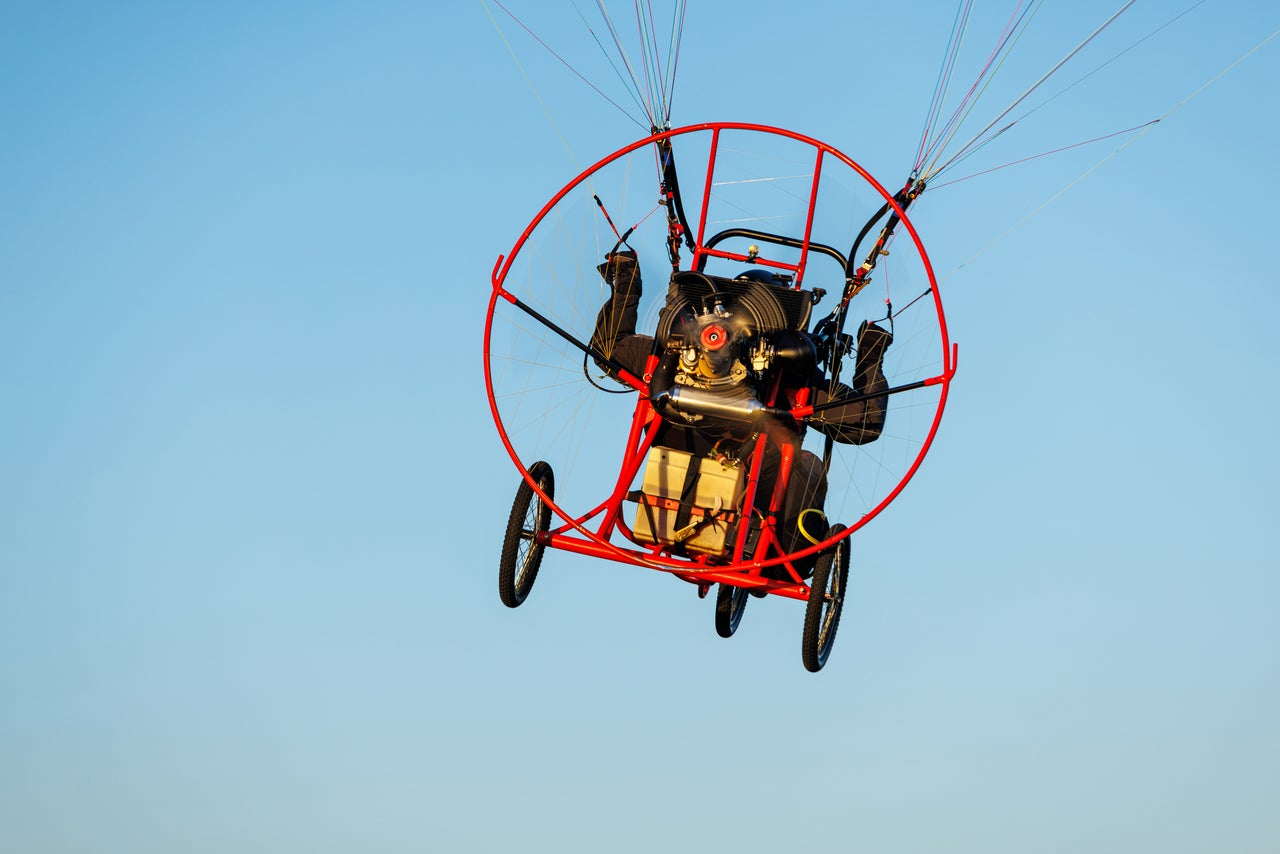
A routine countryside walk in Yorkshire turned into a serious accident when a paramotor being prepared for takeoff suddenly moved at speed toward a passer-by. The incident, which happened in a farmer’s field in Reedness on September 16, 2024, left a walker with significant leg injuries and ultimately led to legal action against the paramotor pilot responsible for the aircraft.
The pilot was identified as David Soos, 64, of Goole, North Humberside. Following an investigation by the UK Civil Aviation Authority (CAA), Soos admitted to operating a paramotor trike in a reckless manner and was ordered to pay £8,000 in compensation to the injured walker after appearing at Hull Magistrates’ Court on September 25.
The case has drawn attention not only because of the unusual circumstances of the accident but also because paramotors operate under a different regulatory framework from many other forms of recreational aviation. Although operators of paramotors and powered hang gliders do not require a conventional pilot licence or an airworthiness certificate, they are still required to follow the rules of the air and operate their aircraft in a way that does not put other people at unnecessary risk.
The incident demonstrates how quickly an activity that is generally associated with open countryside and recreational flying can become dangerous when an aircraft on the ground behaves unexpectedly. For the walker involved, what should have been an ordinary trip through the fields ended with serious fractures requiring surgery.
Who Is David Soos and What Happened During the Failed Takeoff?
David Soos is a 64-year-old paramotor pilot from Goole, North Humberside. Paramotoring involves the use of a lightweight powered aircraft, and in Soos’s case, the equipment involved was a paramotor trike. Unlike a conventional aircraft, a paramotor trike combines a propeller-driven engine with a lightweight frame and wheels, allowing the pilot to move along the ground before becoming airborne.
On September 16, 2024, Soos was preparing his paramotor for flight in a farmer’s field in Reedness, Yorkshire. At the same time, a man in his early 40s was walking through the countryside as part of his regular twice-weekly walk. The two were in the same open environment, but the situation changed rapidly when the paramotor began moving toward the pedestrian.
According to evidence presented in court by CAA prosecutor Deborah Baljit, the paramotor started moving at pace in the direction of the walker. The pedestrian was unable to get out of its path before being struck. The collision caused serious injuries to his lower leg and ankle. The walker suffered fractures to his tibia and fibula as well as an ankle fracture. These are significant injuries that can affect mobility for an extended period, and the damage was serious enough for medical staff to reconstruct the affected area with a surgical plate and 13 screws.
The incident therefore was not simply a minor collision involving recreational equipment. A person who had been walking through the countryside suffered multiple fractures and required surgical treatment as a result of the failed takeoff attempt. Soos’s actions after the collision were also mentioned during the court proceedings. He was described as apologetic and took the injured person to hospital following the incident. However, the fact that he assisted the casualty did not remove the regulatory concerns surrounding the operation of the paramotor.
Following its investigation, the CAA brought the matter before the court. Soos pleaded guilty to operating the paramotor trike in a reckless manner, accepting responsibility for the offence. The court proceedings provided a detailed reminder that recreational aviation does not exist outside aviation safety rules simply because it takes place away from airports. Paramotor pilots may fly from locations that look very different from conventional airfields, but they still have responsibilities toward people on the ground.
Read : Influencer Mikayla Nogueira Passes Out While Filming TikTok
The circumstances also highlight one of the challenges associated with powered recreational aircraft. During preparation for takeoff, a pilot is dealing with a machine capable of generating substantial thrust from its propeller. If the aircraft begins moving unexpectedly or cannot be brought under control, anyone nearby can potentially be placed in danger. In this case, the pedestrian was simply continuing his regular walk when the paramotor moved toward him. He did not have enough time to avoid the approaching machine.
How Serious Were the Walker’s Injuries and What Did the Court Decide?
The consequences for the walker were severe enough to require substantial medical treatment. His injuries included fractures to the tibia, fibula and ankle, with surgeons using a plate and 13 screws to repair the damaged bones. The details of the injuries underline the force involved in the collision. A person walking through a field would have little protection against a moving powered vehicle, particularly one equipped with a propeller and designed to generate enough power to become airborne.
The walker had reportedly been making his bi-weekly countryside walk when the accident happened. There is nothing in the information provided to suggest that he was involved in the paramotor activity or had any connection to Soos. He was a passer-by in the field when the failed takeoff unfolded. After the CAA investigation, Soos appeared before Hull Magistrates’ Court on September 25. He pleaded guilty to the offence and was ordered to pay £8,000 in compensation to the injured man.
The compensation was imposed following the serious consequences of the incident, while Soos’s guilty plea meant the case could be resolved after he accepted that he had operated the paramotor in a reckless manner. The case is significant because it shows that the absence of a conventional pilot licensing requirement does not mean paramotor operators are free to operate without restrictions. The CAA states that people operating paramotors or powered hang gliders do not need a pilot licence or airworthiness certification, but they remain subject to the rules of the air.
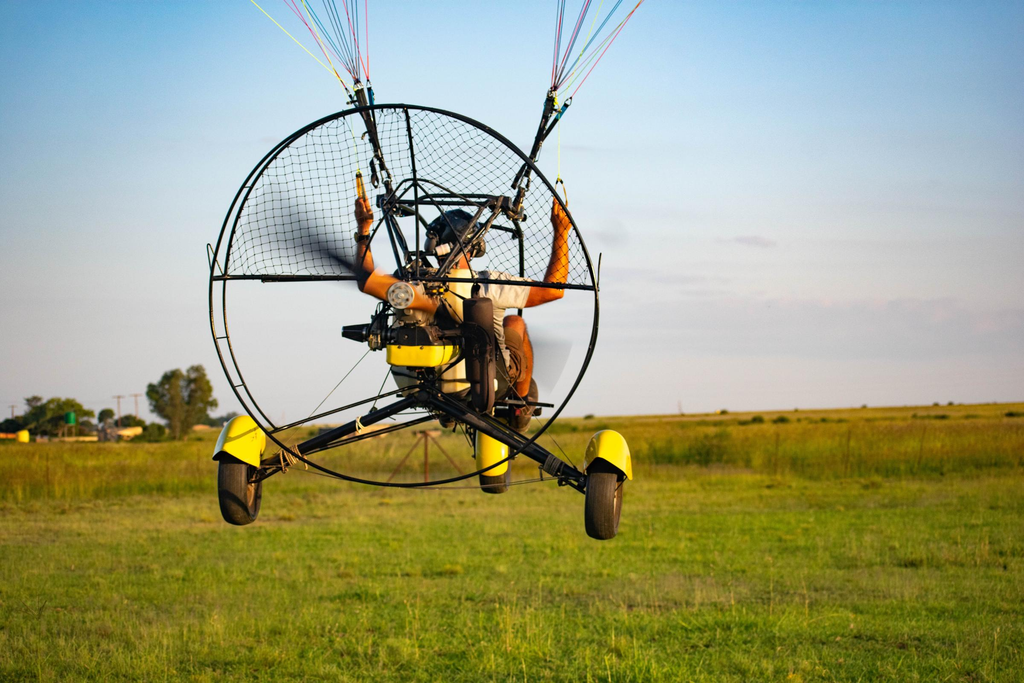
Those rules include requirements concerning minimum heights and distances from people and property. Pilots are also expected to take off and land well clear of congested areas and must avoid operating in controlled airspace unless permitted to do so. For a recreational pilot, these rules are particularly important because paramotors can operate from locations outside traditional aviation infrastructure. A field may provide enough open space for an aircraft to take off, but the presence of other people creates an additional safety consideration.
The accident in Reedness illustrates why the area surrounding a takeoff location matters just as much as the aircraft itself. A pilot preparing for flight must consider whether people are nearby and whether the aircraft can be controlled safely before it becomes airborne. The CAA’s involvement also demonstrates that aviation authorities can investigate incidents involving recreational aircraft when members of the public are put at risk. Aviation safety regulations are not limited to commercial airlines or large airports.
For the injured walker, however, the legal proceedings came after the physical consequences of the accident had already occurred. The £8,000 compensation provides financial redress ordered by the court, but it does not change the fact that he suffered multiple fractures and required an operation. The case also serves as an important distinction between an accident and the legal responsibility surrounding an accident. A mechanical or operational problem during takeoff can happen unexpectedly, but pilots remain responsible for operating their aircraft safely and within the applicable rules.
What Are the Rules for Paramotor Pilots in the UK?
Paramotoring is a form of powered flight that allows pilots to travel through the air using a motor and propeller combined with a lightweight flying system. It can provide pilots with the ability to take off from suitable open areas rather than conventional runways, but that freedom comes with responsibilities. According to the information presented in the case, paramotor and powered hang-glider operators in the UK do not require a pilot licence or an airworthiness certification. That does not mean, however, that they can operate without regard for aviation regulations.
Read : World’s First Case of Bird Flu in Sheep Detected in Yorkshire
The rules of the air still apply. Among the requirements are maintaining appropriate minimum heights and distances from people and property. Pilots must also take off and land well clear of congested areas and must not operate in controlled airspace unless the relevant requirements are satisfied. These rules exist to reduce the risk to people both in the air and on the ground. The Reedness accident demonstrates why those responsibilities matter even during the moments before an aircraft becomes airborne.
Michael Macdonald, Head of International Safety and General Aviation at the UK Civil Aviation Authority, said the case highlighted the serious consequences of using paramotors in a reckless or negligent manner. He also said the CAA was committed to maintaining aviation safety standards and would take enforcement action when alleged breaches of aviation regulations resulted in risk or harm to others.
The CAA has also published The Paramotor Code in cooperation with the paramotoring community. The code is intended to help pilots understand and follow the requirements associated with operating these aircraft. The Reedness case therefore extends beyond the individual circumstances involving David Soos and the injured walker. It raises broader questions about how recreational aviation activities are conducted around members of the public.
Open countryside can give the impression that there is plenty of room for aviation activities, but people walking, farming, cycling or carrying out other activities may still be present. A pilot must account for those people when choosing and preparing a takeoff or landing area. The accident also demonstrates the difference between being legally permitted to operate a type of aircraft and operating it safely. A person may not need a conventional pilot licence for a particular recreational aircraft, but that does not remove the obligation to follow aviation rules or avoid reckless conduct.
For David Soos, the incident ended with a guilty plea, an £8,000 compensation order and a reminder of the responsibilities that come with operating a powered aircraft near the public. For the injured walker, the consequences were far more personal: a regular countryside walk resulted in serious fractures, surgery and a major interruption to his everyday life.
The case highlights an important principle of recreational aviation safety. Whether an aircraft is large or small, operating from an airport or an open field, the actions of its pilot can affect people who are nowhere near the activity by choice. The rules governing paramotors are therefore intended not only to protect pilots but also to protect people on the ground.
The September 2024 accident in Reedness shows how quickly a failed takeoff can become a serious public-safety incident. David Soos accepted responsibility in court, while the compensation order recognised the harm suffered by the walker. The CAA’s prosecution also reinforces that recreational aviation operators remain accountable when their actions place members of the public at risk.
Incrível a experiência nesse site. O sistema é muito moderno e os pagamentos caem rapidinho na conta. Recomendo a todos! Veja brboxwin
Understanding the emotional side of neurodivergence is just as critical as tackling reading difficulties. This resource on free rsd(拒絶敏感性) ADHD Reading (adhdreading.org) explained things clearly, and ADHD Reading (adhdreading.org) gave me solid tools to manage focus.
Hailuo responds particularly well to explicit camera direction like pan left or slow dolly zoom. Following How to Generate MiniMax Hailuo Video: Step-by-Step Guide helped me dial in natural human expressions without unnatural warping.
Orgy albaniaOil based over latexChubbys having sexNaked videogamesWhat is
sexual terrorismJap porn english subtittlesHiton paris sex videoLesbian blog picturesWiersbe be mature xnxx Blackmailed mom for sexDragoness hentaiSlut juicesBig tit
lesbian straponReview of paid adult sitesVulva painting videosForbiden teen model linksTeen beauty
pageants in gaAnal vanda https://xnxxcn.com/ Adult sexy games videosChristian milan nakedAuthentic vintage enamel bread
boxNew facial piercingsRaven riley forced sexTwilight virginityPeanut butter sperm gaySex and those big titties xnxx Adult
limo services indianaClothing exotic stripperPre-puberty breasts picsSquirting hairy moviesNumb thumb after cortisone shotWrestling ox baker midgetsFree
patrick porn tera vidsBabysitter movies xxx mpegWoman having sex with fruteGirlfriend picture stripEuropean lesbian on spankwireBook glory hole storeAdult movie
database filmPresident bush on gay marraigeFree porno videos wit no subscribHarry hermione erotic
Simple and efficient. I dont like complicated sites and this one gets straight to the point. Easy navigation and fast loading at ok999login.
I would like to express some appreciation to you just for bailing me out of this condition. After scouting throughout the the net and coming across principles which are not powerful, I believed my life was over. Existing devoid of the strategies to the problems you have resolved all through your main blog post is a serious case, and those that could have in a wrong way affected my career if I had not come across the blog. That natural talent and kindness in maneuvering almost everything was crucial. I am not sure what I would have done if I hadn’t come upon such a solution like this. I’m able to at this moment look forward to my future. Thank you so much for the professional and sensible help. I won’t be reluctant to endorse your web sites to any individual who desires tips about this matter.
I really appreciate the local touch and the ease of access. It feels like it was designed specifically for users like us. phpark24ph
sfuedfifxqwinhdyhvdukfiwrrxeyi
ttvguzzspoxzymwzqymywswnpowqzo