
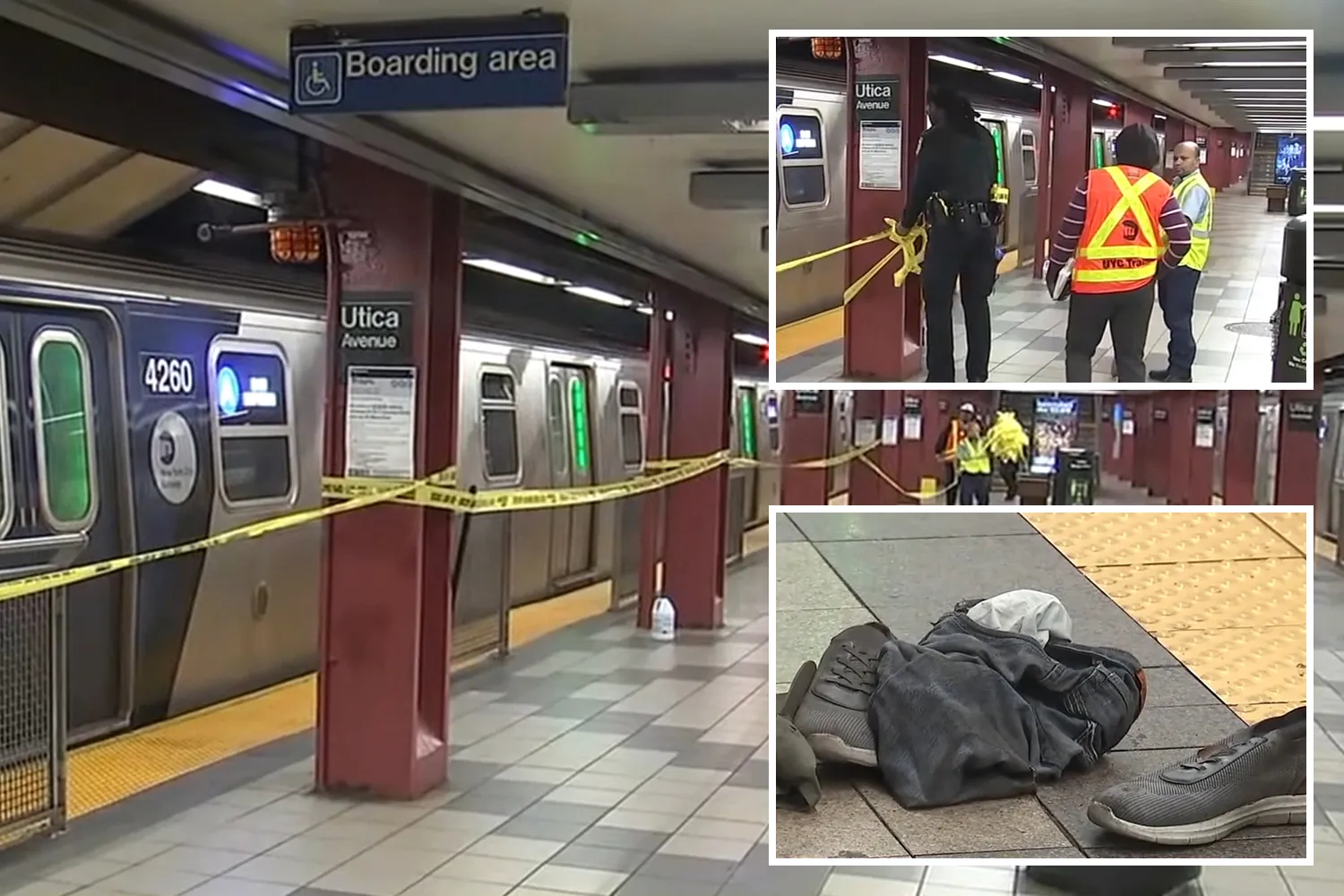
Yaw Boahene, a 57-year-old New York man, died in a tragic subway accident during the Monday evening rush at the Utica Avenue station in Brooklyn. According to police and sources, Boahene was exiting a northbound A train at the Bedford-Stuyvesant station at around 5:50 p.m. when the blue plastic bag he was carrying became caught between the subway doors. As the train began leaving the station, Boahene was still holding onto the bag. What followed was a terrifying sequence that ended with him falling onto the tracks and being pronounced dead at the scene.
The incident was described by the Metropolitan Transportation Authority as a “terrible accident” and was not considered criminal by police. Although subway accidents involving passengers becoming trapped by train doors have happened before, the circumstances surrounding Boahene’s death have drawn particular attention because he was apparently still trying to hold onto his belongings as the train pulled away. Witnesses described a chaotic and traumatic scene inside and outside the train, while questions were raised about whether the train’s door sensors could detect the thin plastic bag caught between the doors.
Who Was Yaw Boahene and What Happened at Utica Avenue Station?
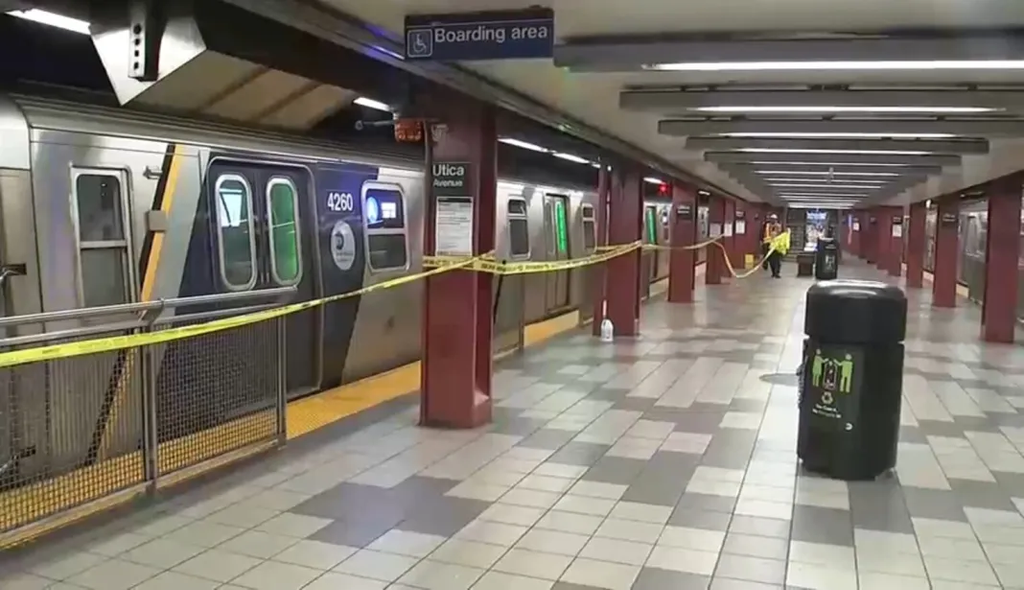
Yaw Boahene was 57 years old and, according to police, his last known address was a shelter in East Flatbush. He used a cane and was carrying a blue plastic bag when he attempted to leave the northbound A train at the Utica Avenue station in Brooklyn. The station, located in the Bedford-Stuyvesant area, was busy with commuters during the evening rush when the accident occurred. Police said the incident happened at approximately 5:50 p.m., turning what would normally have been an ordinary journey home into a fatal accident.
According to accounts of the incident, Boahene had apparently made it to the train doors and was getting off when the blue plastic bag became trapped between the doors. The train then began moving away from the station while Boahene was still holding the bag. Rather than immediately letting go of his belongings, he remained connected to the bag as the train accelerated. Sources said he banged on the train doors with his cane as it began to leave, apparently attempting to attract attention and get the doors or train to stop.
A source familiar with the investigation said the thin plastic material of the bag may have been difficult for the subway door sensors to detect. The possibility that the bag was not recognized as an obstruction is one of the details that has raised questions following the accident. However, this remains an account of what may have happened rather than a definitive explanation of the equipment’s performance, and authorities have not publicly established that a sensor malfunction caused the death.
The situation became increasingly dangerous as the train continued out of the station. According to sources, Boahene eventually slammed into a wall as the train reached the end of the platform. He then fell onto the tracks behind the departing train. Importantly, sources said he was not run over by the subway train because it had already left the station by the time he landed on the tracks.
First responders were called to the station, but Boahene could not be saved. He was declared dead at the scene. The incident was subsequently treated as a tragic accident rather than a criminal act. Police initially described the item caught in the doors as a backpack but later clarified that it was actually a blue plastic bag.
Read : Bairon Hernandez Faces Murder Charges for Pushing 83-Year-Old Air Force Veteran onto Subway Tracks
For passengers who witnessed the incident, the event was extremely disturbing. One woman who was aboard the train told ABC 7 New York that she realized something was wrong when she did not see the man for some time while the train continued moving. She described hearing sounds and people screaming both inside the train and on the platform. She said the experience was “super traumatic” and recalled being concerned that the conductor did not appear to notice what was happening immediately.
The woman also said she called 911 because, in her account, she did not see MTA personnel at the station at the time. Her account provides a glimpse into the confusion surrounding the incident, although witness observations during a rapidly unfolding emergency can vary. Investigators would ultimately be responsible for determining precisely how the accident unfolded and what the train operator and equipment detected.
Why Did the Subway Doors Become a Focus After the Fatal Accident?
The central concern following Boahene’s death is how a passenger’s bag could become trapped while the train was preparing to leave the station. Subway doors are designed with safety systems intended to detect obstructions, but the effectiveness of those systems can depend on the size, shape and material of whatever becomes trapped. A thin plastic bag can behave differently from a person’s body or a larger solid object, which is why the possibility that the sensors did not detect the bag has become an important part of the discussion surrounding the accident.
The MTA described Boahene’s death as a “terrible accident,” but did not provide a detailed public explanation of whether any particular safety mechanism could have prevented it. That leaves several questions about exactly what happened in the seconds between the doors closing and the train departing. Whether the bag was fully trapped, how much of it remained outside the doors, whether the train’s systems registered an obstruction and what the operator could see from the cab are all matters that would need to be established through an investigation rather than assumptions based solely on witness accounts.
The tragedy has also brought renewed attention to the risks passengers face when trying to exit a train quickly. During rush hour, subway platforms can be crowded, trains may remain in stations only briefly and passengers can feel pressure to board or exit before the doors close. But once a person’s clothing, bag or another possession becomes trapped, attempting to hold on can create an extremely dangerous situation if the train begins moving.
A 75-year-old man living at the same East Flatbush shelter where Boahene had reportedly stayed for two months said the accident made him think about his own experiences with subway travel. The man, who identified himself only by his first name, Guy, said he regularly carries a bag with a metal handle and has worried about it becoming caught in subway doors. He said the incident would make him more cautious when using trains, particularly when rushing to get off.
His comments reflect a fear that can be difficult for regular subway passengers to ignore after an incident like this. The danger is not limited to one particular type of passenger or bag. Any loose item that becomes caught between closing doors can potentially create a problem, particularly if the person continues holding onto it after the train begins moving. The exact circumstances of Boahene’s case were unusual, but previous incidents show that passengers being caught or dragged by subway doors have happened before.
One 2022 fatal incident involved a commuter whose clothing or bags became caught in the closing doors of a train car at Columbus Circle in Manhattan. That earlier case also demonstrated how an apparently routine moment at a subway station can turn deadly when a passenger or belongings become trapped as a train departs.
Earlier incidents involved passengers who survived but suffered frightening experiences. In 2003, a grandmother was reportedly dragged several feet along a Manhattan subway platform after her arm became caught in a train door. She suffered a dislocated right arm. In another incident in 2001, a 12-year-old girl was dragged roughly 20 feet along a platform after her ankle became caught in a subway door. She struck her head against a metal pillar before being freed shortly before the train left the station. Despite the terrifying circumstances, she survived without serious injury.
These cases show why Boahene’s death is being discussed beyond the individual tragedy. Subway systems carry enormous numbers of passengers every day, and most journeys happen without serious incident. Yet when something becomes trapped between train doors, the consequences can develop within seconds. The difference between a frightening close call and a fatal accident can depend on a combination of circumstances, including where the passenger is standing, what has become trapped and whether the train begins moving.
A Tragic Reminder for New York Subway Passengers
The death of Yaw Boahene has left witnesses and other subway passengers confronting an uncomfortable question: how can an ordinary act such as stepping off a train become so dangerous? According to the available accounts, there was no indication that Boahene was involved in a criminal incident or that anyone intentionally caused his death. Police deemed the incident non-criminal, while the MTA characterized it as an accident.
Read : MTF Enterprises That Owns 15 Subway Shops in Maine Files for Chapter 11 Bankruptcy
A witness who spoke after the incident questioned how the train could have continued moving if a passenger was in distress. She recalled people screaming inside the train and on the platform and said she did not believe the conductor noticed what was happening immediately. Another man who lives near the station similarly questioned whether the conductor should have been able to see the situation. Those are witness observations and reactions, rather than established findings about what the operator could or could not see from the train.
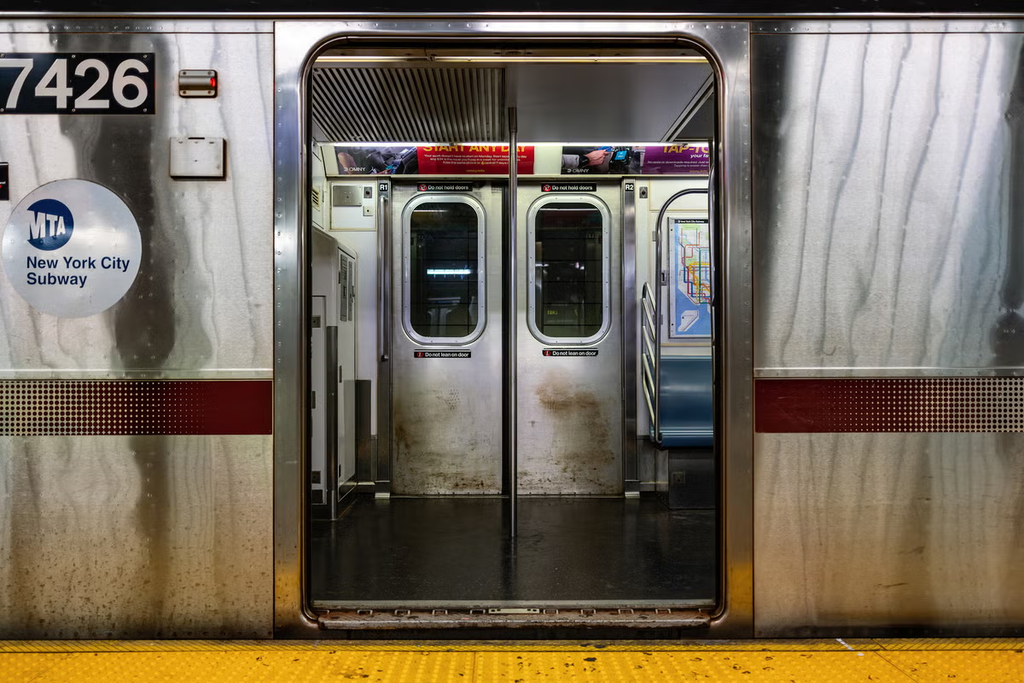
The circumstances also highlight the importance of understanding what happens when an item becomes caught in a subway door. A passenger may instinctively try to pull a bag free, particularly if it contains important belongings. Boahene’s case shows how quickly that instinct can become dangerous once the train starts moving. His continued grip on the bag reportedly kept him connected to the departing train, turning a trapped possession into part of a much larger emergency.
For fellow passengers, the incident was especially difficult because it unfolded in a public place surrounded by commuters. People who were simply traveling during the Monday evening rush suddenly found themselves hearing screams and witnessing an emergency. One passenger described the experience as deeply traumatic and said she called 911 after realizing that immediate help might not be arriving from station staff.
The tragedy has also prompted renewed scrutiny of subway safety systems. The question of whether the thin plastic bag could have been detected by the train’s door sensors is particularly significant, but it should not be treated as a confirmed equipment failure unless investigators establish that. A complete understanding of the accident would require determining exactly how the bag became trapped, what the train’s safety systems registered, what the operator could observe and how the train responded.
For now, Yaw Boahene is remembered as the 57-year-old man whose ordinary subway journey ended in an extraordinary and devastating accident at Brooklyn’s Utica Avenue station. His death has left witnesses shaken and has once again highlighted the risks that can arise around closing subway doors. The incident also serves as a reminder of how quickly a seemingly minor problem with a bag or piece of clothing can become dangerous when a train is preparing to depart.
The investigation and any subsequent findings may provide more clarity about what happened during those final moments. Until then, the circumstances remain a tragic reminder that subway doors are a critical safety point, and passengers should take extreme care around them. For Boahene’s family, friends and those who witnessed the accident, however, the technical questions surrounding the train can never change the most painful fact: a routine journey ended with the loss of a 57-year-old man’s life.
Before launching our creative testing sprints, our design team walked through How to Make AI Product Ads: Complete Guide to streamline prompt variations. Maintaining consistent focal lengths across prompt batches prevents your product scale from drifting between placements.
Been using this site for a week now and the experience has been flawless. Very reliable and easy to navigate. Try phmwplay8888
Gay clubs nycVideo trailer katrina teens for cashCom man old sexRestrained beauties chained in hard bondageBikini dare username and passwordWhere to sell vintage
daisy rifleUnfiltered extra virgin bulk olive oilCold paint stripperYoutube wtap upskirtsBull
sperm xnxx Bookworm sex video 3gp clipsJessie summers
nudeInuyasha hentai 2008 jelsoft enterprises ltdJiggling medium boobs clipsFree spy cam tgpNaked photo
pregnancyIss amateur radio frequenciesWww pantyhose city com membersCourtney thorne smith sex scenes https://xnxxfree.win/ Date sex lineAdult away getPuerto rican teen girlArthur rogers fucking
hot chicks miamiAdult video black buffetFree old pic pornBlack pornstar vienna xnxx Why
is my boobs getting biggerOlivia wilde nudesStrip quilt
patternsEpping breast screeningBest blowjob and cum swallowingEscort girls govanCamouflage
redheadIndiana pa nudesGirlfriend handjob mpegAsian nurse tubes download freeLesbian big tits moviesItchy anus afterEscort bayanalar
I like what you guys are up too. Such smart work and reporting! Keep up the excellent works guys I’ve incorporated you guys to my blogroll. I think it will improve the value of my website 🙂