
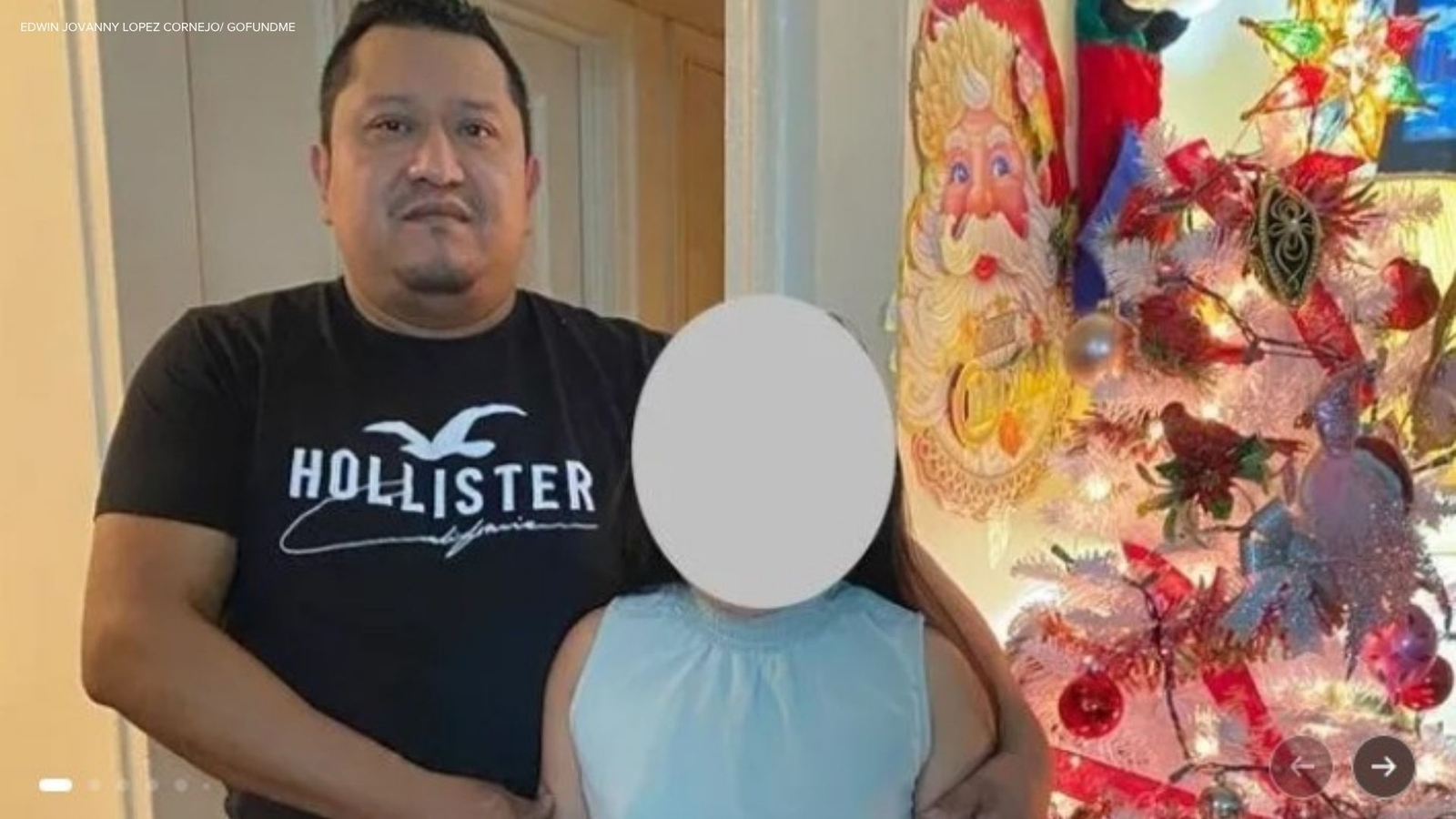
The death of Edwin Lopez-Cornejo while in the custody of U.S. Immigration and Customs Enforcement (ICE) has once again drawn national attention to conditions inside immigration detention centers across the United States. Lopez-Cornejo, a 41-year-old immigrant from El Salvador, died on August 1 after suffering what officials described as a “medical emergency” while being held at Delaney Hall detention facility in Newark, New Jersey.
His death was publicly announced by the Department of Homeland Security (DHS) on Monday, making him the 22nd person to die in ICE custody this year according to agency data. While federal authorities have provided only limited details regarding the circumstances surrounding his medical emergency, his death has sparked renewed criticism from local officials, immigrant rights advocates, and the family he left behind. The incident has also intensified ongoing scrutiny of Delaney Hall, a facility that has already been the subject of protests and allegations involving detainee treatment, food quality, and medical care.
Edwin Lopez-Cornejo’s Life, Arrest, and Time in ICE Custody
Edwin Lopez-Cornejo was originally from El Salvador and first entered the United States in 2006. For nearly two decades, he built his life in the country while living in New Jersey. According to his family, Lopez-Cornejo had been steadily employed since 2022 and was working legally under a valid work permit. His mother, Maria Cornejo, later told the New Jersey Monitor that when ICE officers arrested her son in Plainfield, New Jersey, on June 18, he attempted to show them documentation proving he had authorization to work. Despite presenting his work permit, he was taken into custody by immigration agents and transferred to Delaney Hall detention facility, where he awaited deportation proceedings.
Less than two months after arriving at the detention center, Lopez-Cornejo experienced what ICE has only described as an unspecified medical emergency. Officials said he was transported to University Hospital in Newark, New Jersey, where doctors later pronounced him dead on August 1. The agency has not publicly disclosed the exact medical condition or events that led to the emergency, leaving many unanswered questions surrounding the circumstances of his death.
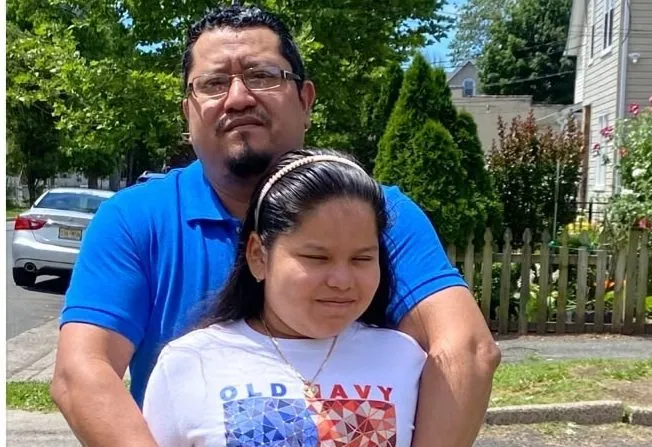
His family says they remained in regular contact with him throughout his detention. Maria Cornejo explained that she spoke with her son every day by phone but was never able to visit him because she is not a U.S. citizen herself. That inability to see her son during the final weeks of his life has added to the family’s grief, particularly after learning of his sudden death.
The emotional impact has been especially severe for Lopez-Cornejo’s young daughter. Maria Cornejo said her granddaughter had been unable to see her father during the six weeks he spent in detention. When relatives informed the child that her father had died, the family said she screamed in shock and has struggled to sleep or eat ever since. Maria Cornejo also described her own heartbreak, saying she never imagined her son would die inside an immigration detention center and that the loss had left her devastated.
Read : Fire Breaks Out in 1000 year-old World-Famous Gothic Cathedral of Rouen in France: Watch
Lopez-Cornejo’s death has become another example of the growing number of fatalities occurring within ICE detention facilities across the country this year. According to DHS data, he is the 22nd detainee to die while in ICE custody in 2026, raising continued concerns among advocacy groups that have questioned detention standards, access to healthcare, and the treatment of immigrants awaiting immigration proceedings.
Delaney Hall Faces Renewed Scrutiny Following Another Detainee Death
The death of Edwin Lopez-Cornejo has further intensified attention on Delaney Hall, an immigration detention facility that has already faced months of criticism over conditions inside the center. Even before this latest tragedy, the facility had become the focus of national headlines because of repeated allegations made by detainees and advocacy organizations.
In recent months, individuals detained at Delaney Hall have raised complaints involving physical abuse by guards, spoiled food, and broader concerns about living conditions within the facility. Those allegations eventually led to organized protests from inside the detention center itself. In late May, approximately 300 detainees launched a hunger strike and labor strike, refusing meals and work assignments in an effort to demand improvements to detention conditions.
The protests did not end there. Several weeks after the initial strike began, women housed in a separate section of Delaney Hall organized their own hunger strike. Their demands extended beyond improvements to food and living conditions. The women also called on ICE to release detainees who they believed were particularly vulnerable, including mothers, women under the age of 21, and those with significant medical conditions.
Read : 15 Elephants Die Mysteriously in Amboseli Ecosystem as Authorities Probe Potential Toxin
These demonstrations reflected growing frustration among detainees who argued that the facility was failing to provide adequate care and humane treatment. Advocacy groups supporting the detainees echoed those concerns, arguing that immigration detention centers should provide appropriate medical services and ensure the safety and dignity of everyone held inside.
Following Lopez-Cornejo’s death, those existing concerns have become even more prominent. Because ICE has not released detailed information regarding the medical emergency that preceded his death, questions remain about what medical care he received, how quickly staff responded to the emergency, and whether additional safeguards could have prevented the outcome.
While federal authorities have confirmed only that Lopez-Cornejo experienced a medical emergency before being transported to University Hospital, many advocates continue to call for greater transparency regarding detainee deaths. They argue that complete investigations and public reporting are necessary whenever someone dies while under government custody.
The latest fatality also comes amid broader national conversations surrounding immigration detention policies and the responsibilities of federal agencies operating detention facilities. Each death inside an ICE detention center often prompts renewed debate about healthcare standards, oversight mechanisms, and whether existing policies adequately protect detainees with medical needs.
Family Grief, Political Reaction, and Calls for Greater Accountability
As Edwin Lopez-Cornejo’s family continues mourning his loss, public officials have also responded by demanding greater accountability regarding conditions at Delaney Hall. Among the most vocal critics following the announcement was Newark Mayor Ras J. Baraka, who renewed his longstanding call for the facility to be shut down.
In a statement released after ICE confirmed Lopez-Cornejo’s death, Baraka argued that the latest fatality reflected ongoing failures involving oversight, transparency, and accountability at the detention center. According to the mayor, both ICE and the GEO Group, which operates Delaney Hall, have repeatedly demonstrated what he described as a disregard for transparency, public oversight, and laws intended to protect the health, safety, and dignity of individuals held in their custody.
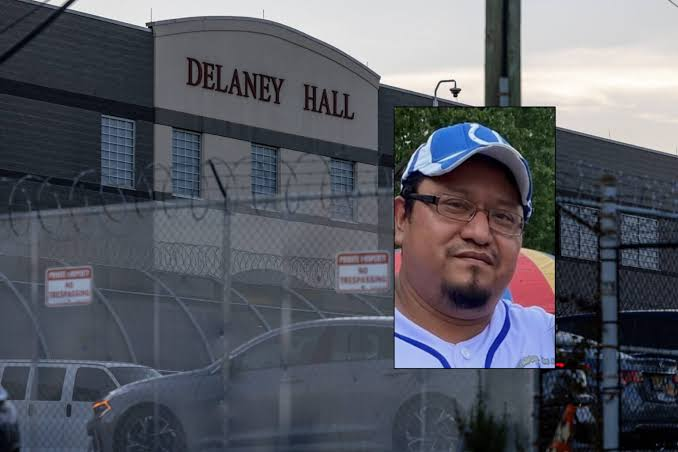
Baraka stated that when meaningful accountability is absent, tragedies become increasingly common. He argued that local residents, elected officials, and detainees themselves have repeatedly raised concerns about the facility without seeing sufficient changes implemented. Following Lopez-Cornejo’s death, the mayor again urged authorities to permanently close Delaney Hall and called on government officials to provide answers regarding the circumstances surrounding the latest death.
The incident has also renewed broader criticism of immigration detention practices across the United States. Advocacy organizations have pointed to the rising number of deaths reported in ICE custody this year as evidence that reforms are needed to improve healthcare access, strengthen oversight, and increase transparency whenever serious medical incidents occur inside detention centers.
Meanwhile, Lopez-Cornejo’s family continues to focus on the personal tragedy behind the headlines. For them, the story is not simply about another statistic within a federal detention system but about the sudden loss of a son, a father, and a family member whose life ended while awaiting immigration proceedings. His mother’s account of speaking with him every day before his death and never having the opportunity to see him in person has resonated with many who have followed the case.
Questions surrounding exactly what happened during Lopez-Cornejo’s medical emergency remain unanswered publicly. Whether additional information will emerge through official investigations or future reports remains to be seen. Until then, his death has become another focal point in the ongoing debate over immigration detention, detainee welfare, and government accountability.
For many observers, the circumstances surrounding Edwin Lopez-Cornejo’s death extend beyond a single incident. They have become part of a larger conversation about how immigration detention facilities operate, how detainees receive medical care, and what level of oversight should exist to ensure their safety. As investigations continue and public officials push for greater transparency, the death of the 41-year-old Salvadoran immigrant is likely to remain at the center of discussions surrounding ICE detention policies and the future of Delaney Hall in New Jersey.
A lawful owner sorting the 27 pieces can place the air wedge from the air wedge vehicle kit beside the long-reach tools.
Do you have a spam issue on this site; I also am a blogger, and I was wondering your situation; many of us have developed some nice procedures and we are looking to exchange solutions with other folks, why not shoot me an email if interested.
Super friendly vibe and very easy to navigate. I had a small issue with my deposit but support fixed it in minutes. lisboa77 is legit and trustworthy.