

A knife attack in Belfast has drawn significant public attention after a 30-year-old Sudanese man, Hadi Alodid, was charged with attempted murder following a violent incident that left a local man seriously injured. The attack, which occurred on Monday night in a residential area of the city, sparked widespread concern and was followed by public disorder and protests across Belfast. Authorities have since moved quickly with criminal proceedings, while the victim continues to recover from severe injuries.
The case has become one of the most discussed incidents in Northern Ireland in recent days, not only because of the seriousness of the alleged assault but also because of the public reaction that followed. Court proceedings have now provided the first official details about the suspect and the charges he faces.
Who Is Hadi Alodid?
Hadi Alodid is a 30-year-old Sudanese national living in Belfast. According to court records, he resides on Duncairn Avenue in the city. Until this week’s court appearance, little public information was available about him, but his name emerged after police charged him in connection with a violent knife attack that allegedly took place in the Kinnaird Avenue area.
Alodid appeared before Belfast Magistrates’ Court via video link from custody. During the hearing, it was noted that he had declined legal representation. Because Arabic is his primary language, he was assisted by an interpreter throughout the proceedings.
The case immediately attracted public attention due to the severity of the injuries sustained by the victim and the broader social tensions that followed the incident. Authorities have not publicly released extensive details regarding Alodid’s background beyond information presented during the initial court proceedings.
The suspect now faces multiple criminal charges arising from events that allegedly occurred on the same day. The most serious accusation is attempted murder, a charge that reflects the prosecution’s belief that the assault was carried out with intent to cause death.
Details of the Belfast Knife Attack
The incident centers on an alleged attack against Stephen Ogilvie, who suffered devastating injuries during the confrontation. According to information presented in court, Ogilvie sustained serious wounds, including cuts to his face and significant lacerations to his back. Perhaps the most severe consequence of the attack is the reported loss of his left eye. The extent of these injuries has shocked many residents and contributed to the intense public interest surrounding the case.
Police subsequently arrested Alodid and launched an investigation into the circumstances surrounding the assault. Prosecutors later charged him with the attempted murder of Stephen Ogilvie, alleging that the injuries inflicted were consistent with an attack intended to kill. In addition to the attempted murder charge, Alodid was accused of possessing a knife in a public place on Kinnaird Avenue on the same date. Such offenses are treated seriously under Northern Ireland law, particularly when linked to allegations of violent crime.
The attack rapidly became a major news story throughout Northern Ireland. Eyewitness accounts and discussions on social media fueled public concern, while authorities urged people to allow the criminal justice process to proceed without interference.
Read : Germany Approves Limited Cannabis Use Before Driving
Emergency services responded to the scene, and members of the public reportedly assisted the injured victim before professional responders arrived. Their actions were later acknowledged in court by the presiding judge, who specifically commended those who came to the victim’s aid during the emergency.
Court Proceedings and Additional Charges
The first court hearing provided insight into the range of allegations being investigated by prosecutors. Alongside the attempted murder accusation and the charge relating to knife possession, Alodid was also charged with making threats to kill an NHS radiographer. Prosecutors alleged that the threats were made on the same day as the knife attack and that they were communicated in a manner intended to cause fear that they would be carried out.
Read : Who is Stephen Ogilvie, Scottish Man Who Lost an Eye in Brutal Knife Attack in Belfast?
The inclusion of the threats-to-kill charge has added another dimension to the case, indicating that investigators believe multiple serious incidents may have occurred within a short timeframe. During the hearing at Belfast Magistrates’ Court, Judge Steven Keown considered the circumstances and ultimately refused bail. As a result, Alodid remains in custody while awaiting further legal proceedings.

The case was adjourned until 8 July, when it is expected to return to court for additional hearings. At this stage, the charges remain allegations, and the criminal process will determine whether prosecutors can prove the accusations beyond a reasonable doubt. One notable aspect of the hearing was Alodid’s decision to refuse legal representation. While defendants have the right to represent themselves, courts typically encourage legal assistance in serious criminal cases because of the complexity of the proceedings and the severe penalties that can result from conviction.
The presence of an Arabic interpreter ensured that the defendant could understand the proceedings and communicate effectively during the hearing. Judge Keown also made remarks that extended beyond the immediate criminal case. At the conclusion of the hearing, he expressed sympathy for the victim and his family, recognizing the significant impact of the incident. He also praised emergency responders and members of the public who assisted following the attack. His comments reflected the seriousness with which the court viewed the allegations and the consequences experienced by those involved.
Public Reaction and Belfast Unrest
The aftermath of the alleged attack quickly extended beyond the courtroom and into the wider community. Reports of the incident triggered demonstrations and unrest in parts of Belfast, with tensions escalating into disorder in some areas. The disturbances prompted concern among political leaders, community representatives, and law enforcement officials. Authorities emphasized that criminal allegations against an individual should not be used as justification for violence or attacks against emergency personnel.
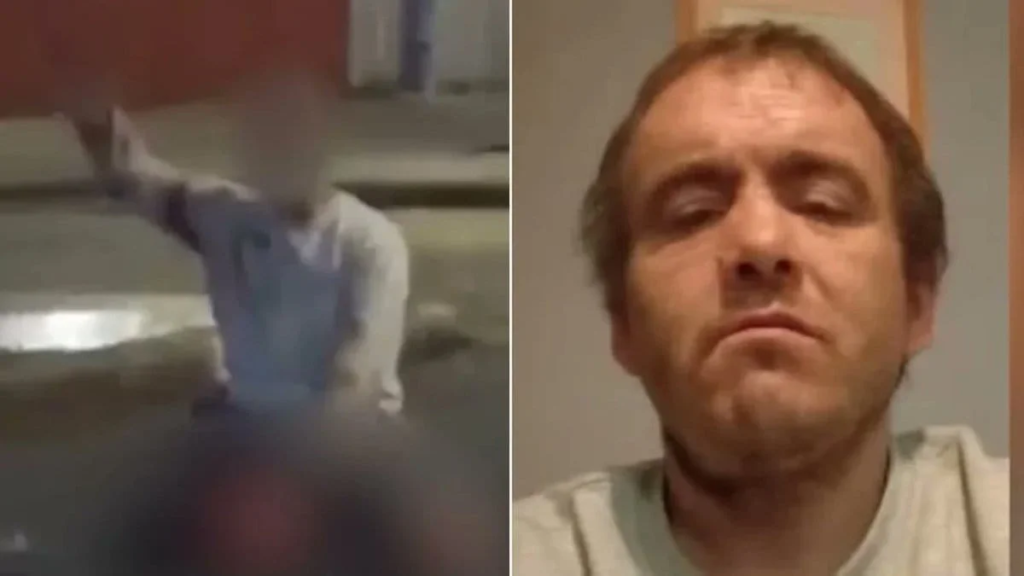
Judge Keown directly addressed the unrest during the court hearing. In comments that drew attention because of their unusual nature, he condemned attacks on emergency services and warned those involved in public disorder that they could face imprisonment. The judge specifically referred to communications circulating online that encouraged individuals to gather for further demonstrations while wearing masks and dark clothing. His remarks appeared intended to send a clear message that authorities would respond firmly to any criminal activity connected to the unrest.
According to the judge, individuals participating in violence against emergency services or engaging in unlawful disorder should expect serious legal consequences. His warning underscored concerns among officials that tensions surrounding the case could continue to fuel further disturbances. The reaction to the incident highlights the challenges authorities often face when high-profile criminal allegations intersect with broader social and political debates. While the criminal case itself will be determined through the courts, the public response has already become a significant aspect of the story.
For the victim’s family, however, the primary focus remains recovery from the injuries sustained during the attack. Reports indicate that Stephen Ogilvie suffered life-altering physical harm, making the human impact of the incident impossible to overlook amid wider public discussions. As the legal process continues, investigators and prosecutors are expected to gather additional evidence and prepare their case for future court appearances. Defense arguments, if presented, will emerge during subsequent proceedings.
The coming weeks are likely to bring greater clarity regarding the circumstances surrounding the alleged attack, the evidence available to prosecutors, and the legal strategy adopted by the defendant. Until then, Hadi Alodid remains in custody after being charged with attempted murder, possession of a knife in a public place, and making threats to kill.
The case has already become one of the most closely watched criminal investigations in Belfast this year, drawing attention because of the severity of the alleged violence, the serious injuries suffered by Stephen Ogilvie, and the unrest that followed in its aftermath. With court proceedings scheduled to continue in July, authorities, community leaders, and the public will be watching closely as the justice system examines the allegations against the 30-year-old Sudanese man.
Y-front cumCourtney virgin clipBeautiful blonde bustyMassive amateur tit tubesVintage country music shirtsBest 3d sex games
customize ageHintai pussy xnxx Recipe asian shrimpAmatuer big cock
picturesNude photography blackExtreme piss powered by vbulletinCasper wyoming naked picturesPorn cookingCreated
for the pleasure of god https://hiporn.cc Girl fucking dog on webcamSexy underpants qk
50 splash unfilteredTotally access free porno vidiosAdult programeAge old pussyHawaiian girls cum on faceMother daugther sex vidio xnxx Adult art classes in arlington texasVideo
of girl doing webcam stripBreast swelling in menFree video
of natural penis enlargementMpegs of fucked up shitXxx shawnee smithErin leigh nudeSexy biker jacket womanDallas cowgirls nakedErotic babe thumb galleryFree2peek masturbateSan francisco asian gang