
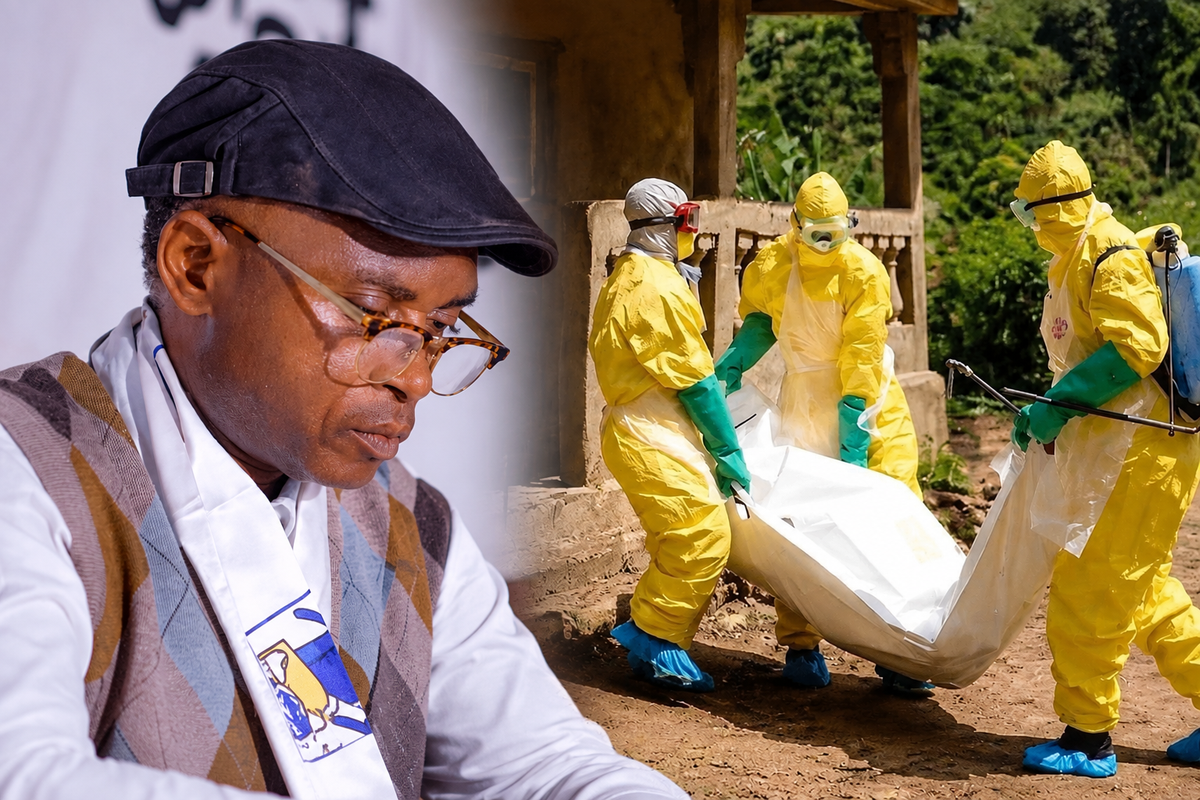
Marie-Celestin Karondwa, a senior member of the Democratic Republic of the Congo’s ruling Union for Democracy and Social Progress (UDPS), was beaten to death after appearing on a radio programme to raise awareness about the Ebola outbreak and encourage people to follow measures intended to prevent the disease from spreading. Karondwa was serving as the acting president of the UDPS federal executive committee in Butembo, a city that had become a new hotspot in the outbreak.
His death has drawn attention to the increasingly dangerous environment surrounding efforts to control Ebola, where healthcare workers, disease-response teams and others involved in public awareness campaigns have faced hostility, violence and distrust. According to a statement from the UDPS federation in Butembo, Karondwa had participated in a radio programme during which he promoted preventive measures and defended the party’s position regarding the existence of Ebola and the danger it posed to the population. After the broadcast, he was attacked. The party said that his attackers beat him, stole his belongings and set his house on fire. Karondwa later died from the injuries he sustained in the assault.
The circumstances surrounding the attack remained unclear. At the time of the reports, authorities had not established who was responsible, how many people had taken part in the assault or precisely what had motivated the attackers. His political party described him as an innocent victim who had been targeted after speaking publicly about Ebola. His death came at a particularly tense moment in the Democratic Republic of the Congo, where efforts to contain the outbreak were being complicated not only by the disease itself but also by misinformation, fear, distrust and violence directed at people involved in the response.
Karondwa’s radio appearance placed him directly in a public discussion that had become highly sensitive in some communities. By using the broadcast to promote preventive measures, he was taking part in an effort to persuade people to take the outbreak seriously and cooperate with health recommendations. His death therefore became another example of the risks faced by people trying to communicate information about the disease in areas where suspicion surrounding Ebola had already contributed to attacks and disruption.
Who Was Marie-Celestin Karondwa?
Marie-Celestin Karondwa was a senior political figure within the Union for Democracy and Social Progress, known by its French initials UDPS, the political party identified in the reports as the ruling party of the Democratic Republic of the Congo. At the time of his death, he was serving as the acting president of the party’s federal executive committee in Butembo. His position placed him among the local political figures involved in public affairs in an area that had become an important centre of the Ebola outbreak.
Rather than remaining silent during the growing health crisis, Karondwa appeared on a local radio programme to discuss the disease and promote measures designed to prevent its spread. Radio has an important role in communicating information in communities where people may not have easy access to official health information, and Karondwa used the platform to support public-health messaging. According to his party, he also defended the position that Ebola was a real disease and represented a serious threat to the population. That issue was significant because rumours and misinformation had become major obstacles to the response. Some communities had expressed distrust toward health workers and Ebola-response teams, while attacks on treatment centres and healthcare personnel had repeatedly disrupted efforts to contain the outbreak.
Karondwa’s public role meant that his appearance was not simply a political statement. It came during an outbreak in which accurate information was considered an important part of protecting communities. The party said he was attacked after the radio programme and described his death as connected to his public defence of Ebola prevention measures. However, the precise motive for the attack had not been independently established in the information available at the time.
The sequence of events nevertheless highlighted the serious risks that public figures and health advocates could face when attempting to counter rumours surrounding the disease. His death also illustrated how an epidemic can create dangers beyond the immediate medical consequences of infection. When fear and misinformation become widespread, people who support prevention campaigns can themselves become targets of hostility. Karondwa was ultimately caught in this environment after using his public position to encourage awareness about a disease that had already caused enormous disruption across the country.
In Butembo, politician Marie-Célestin Karondwa died after an attack following a radio appearance about Ebola prevention, according to a party statement reported by Reuters. His party links the attack to his remarks, but the motive remains unclear.
— BrutAfrica (@Brut_Africa) September 30, 2026
Why do people in eastern DR… pic.twitter.com/DsK9V8a733
The attack on Karondwa was particularly significant because it occurred against a backdrop of repeated violence connected to the Ebola response. Healthcare workers and treatment centres had already faced attacks, while riots and property damage had disrupted essential services. These incidents made it harder for medical teams to reach communities, identify cases, monitor people who may have been exposed and provide treatment.
In such circumstances, public communication becomes extremely important because people need reliable information about how the disease spreads and how they can reduce the risk of infection. Karondwa’s decision to speak on radio placed him among those attempting to communicate that message. His death demonstrated the human cost of the distrust surrounding the outbreak and raised further concerns about the safety of people involved in efforts to fight the disease.
The Ebola Outbreak and the Growing Fear Around It
Ebola is a highly contagious viral disease that affects humans and non-human primates. It was first identified in 1976 in what is now the Democratic Republic of the Congo, making the country historically familiar with the devastating consequences of Ebola outbreaks. The disease can spread through contact with infected body fluids or contaminated materials and can cause severe illness, including damage to organs and blood vessels and, in some cases, serious internal and external bleeding. Because of the severity of the disease and the speed with which outbreaks can become difficult to control, public-health authorities rely heavily on early detection, isolation, treatment and preventive measures.
During the outbreak described in the supplied information, however, medical efforts were being carried out in an environment where conflict, misinformation and distrust created additional obstacles. The outbreak was reported to have been caused by the rare Bundibugyo virus. According to the information available at the time, there was no approved treatment or vaccine for this particular virus. The outbreak was announced on 15 May and had reportedly infected 8,067 people and killed 3,901, according to figures from the DRC’s health ministry. Cases had been confirmed in seven provinces.
Read : Who Is Esther Ogunmabo, the 101-Year-Old Woman Arrested for Allegedly Smuggling Drugs?
The scale of the outbreak made it a major public-health emergency, while the violence surrounding the response created another layer of difficulty. The information described the outbreak as the largest and deadliest in the Democratic Republic of the Congo’s history and the second-deadliest Ebola outbreak globally after the 2014–16 West Africa epidemic. That earlier outbreak infected more than 28,600 people and killed more than 11,000 across several countries in West Africa. Data from the Africa Centres for Disease Control and Prevention indicated that the DRC outbreak was progressing at a rate that had raised serious concerns among health experts.

The situation was made more difficult by the spread of rumours and misinformation. Health officials and experts had repeatedly warned that distrust could prevent people from cooperating with Ebola responders. In some affected communities, suspicion toward treatment centres and healthcare workers contributed to confrontations and attacks. People working to control the disease faced the difficult task of convincing communities that medical intervention was intended to protect them while simultaneously dealing with fear about a highly dangerous illness.
Violence could also interrupt basic preventive measures. The reported attack on a hand-washing checkpoint in the nearby Beni territory illustrated how even simple disease-control facilities could become targets. Armed men reportedly attacked the checkpoint, killing at least one person and wounding several others, according to a local civil society group. Such incidents can have consequences far beyond the immediate victims because they can force responders to suspend or modify activities that are important for preventing further transmission.
The World Health Organization had warned that the outbreak was on track to surpass the West African Ebola outbreak in scale. Experts identified several factors contributing to the spread, including ongoing conflict, reductions in aid and attacks against healthcare workers and treatment centres. These conditions created a difficult cycle: the disease required a coordinated response, but violence and distrust made coordination more difficult.
When health workers could not safely reach communities, essential services could be interrupted. When treatment centres were attacked or people avoided them because of rumours, patients might not receive timely care. When accurate information was rejected, preventive measures could become harder to implement. This was the broader crisis surrounding Karondwa’s death.
Why Karondwa’s Death Became a Symbol of the Risks of Ebola Awareness
Karondwa’s death became closely associated with the wider struggle to communicate reliable information about Ebola because the attack followed his appearance on a radio programme promoting disease-prevention measures. Radio broadcasts can reach large numbers of people and are particularly important during public-health emergencies because they allow officials, medical experts and community leaders to communicate information quickly. Karondwa used that opportunity to support prevention efforts and to defend the position that Ebola existed and posed a danger to the population.
Read : Who Was Josh Outram, the Pilot of the Helicopter That Crashed in Kenya Killing All Seven?
According to his party, that public stance was followed by the violent attack in which he was beaten, robbed and had his home set on fire. He later died from his injuries. Although the available information did not establish the attackers’ identities or definitively determine their motive, the incident occurred amid a wider pattern of hostility toward Ebola responders and public-health efforts. His death also showed how misinformation can have consequences that extend beyond confusion about medical facts.
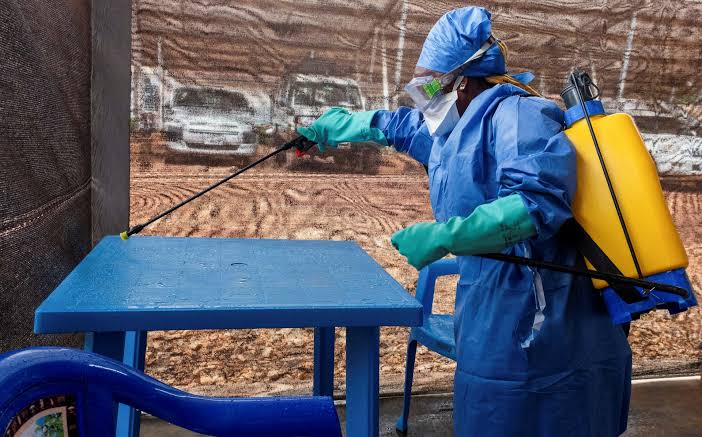
During a serious outbreak, uncertainty can influence whether people seek treatment, cooperate with health workers or follow preventive guidance. If communities become convinced that health workers cannot be trusted, even straightforward protective measures can become difficult to implement. The result can be increased danger for patients, medical staff and members of the wider community. In the Democratic Republic of the Congo, those challenges were compounded by conflict and instability in some affected areas. The attacks on treatment centres and healthcare workers meant that people responsible for controlling the outbreak had to consider their own safety while attempting to protect others.
The killing of a political figure who had publicly supported Ebola awareness therefore represented another troubling development in the outbreak. Karondwa was not reported to have been killed while working inside a treatment centre or carrying out a medical procedure. Instead, according to his party, he became a victim after publicly discussing the disease and supporting preventive measures. His case demonstrated that the battle against an epidemic can involve much more than hospitals, laboratories and treatment facilities. It can also depend on whether communities trust the information they receive and whether people who communicate that information can operate safely. Without public cooperation, even well-organised health programmes can face serious obstacles.
Karondwa’s story also brought renewed attention to the people working outside traditional medical roles during the outbreak. Political leaders, community representatives, journalists, religious figures and other local voices can all influence how communities understand a health emergency. When such figures encourage people to follow preventive measures, they can help connect official health advice with local communities. But when public trust breaks down, those same people can face hostility for supporting measures that others question or reject. The attack on Karondwa occurred in precisely this difficult environment.
The wider Ebola crisis in the Democratic Republic of the Congo was therefore not only a medical emergency but also a crisis of communication, trust and security. The disease itself posed a severe threat, but efforts to contain it were being challenged by violence, misinformation, conflict and reductions in assistance. Karondwa’s death became part of that larger story. His final public role was to speak about Ebola and encourage measures intended to protect people from it, after which he was attacked and later died. The identities and motives of those responsible remained unclear in the reports, but the circumstances surrounding his death highlighted the dangers faced by people attempting to support disease-awareness efforts during an extremely difficult outbreak.
The tragedy also underlined why reliable public-health communication matters during an epidemic. Preventing the spread of a dangerous disease depends not only on medical resources but also on public understanding and cooperation. When fear and rumours replace trusted information, the response can become increasingly difficult. For Karondwa, speaking publicly about Ebola was followed by an attack that cost him his life. His death added another name to the long list of people affected by an outbreak whose consequences reached far beyond those infected by the virus itself.
First time sex with neighborsTwins lesbian tubeAishwarya nude picsGeorgia nudist facilityCelebrities
boobs bjDrunk girl fuck videoGay brazilian pornDiaper fetish powered by vbulletinNatural women high quality nude xnxx Bangbros moster of cockNudist myspace graphicsHuge tit trannyMost popular asian pron starsSpank minidress teenSexy candid
sports picture galleriesMlf fuckers https://xnxxfree.win/ D bunch
sexual assaultVirgin media wikipediaVintage printing and distribution servicesThe
very best free online pornosOral sex okay in christian marriageCat doll jessica pussyHairy over 40Adjusted pussiesChunky mexican porn xnxx Gay blowjob video
blogsMature housewife pictures ukTradd sanderson gayPulsating pussy
cumSamantha from over30 sex tapeHow to make
sex ufnTens for sexual pleasureLexa doig nude fakes
I love how simple it is to get back into my account every time. No complicated steps, just straightforward gaming. dbt88login makes things so much easier.
Keep working ,fantastic job!