
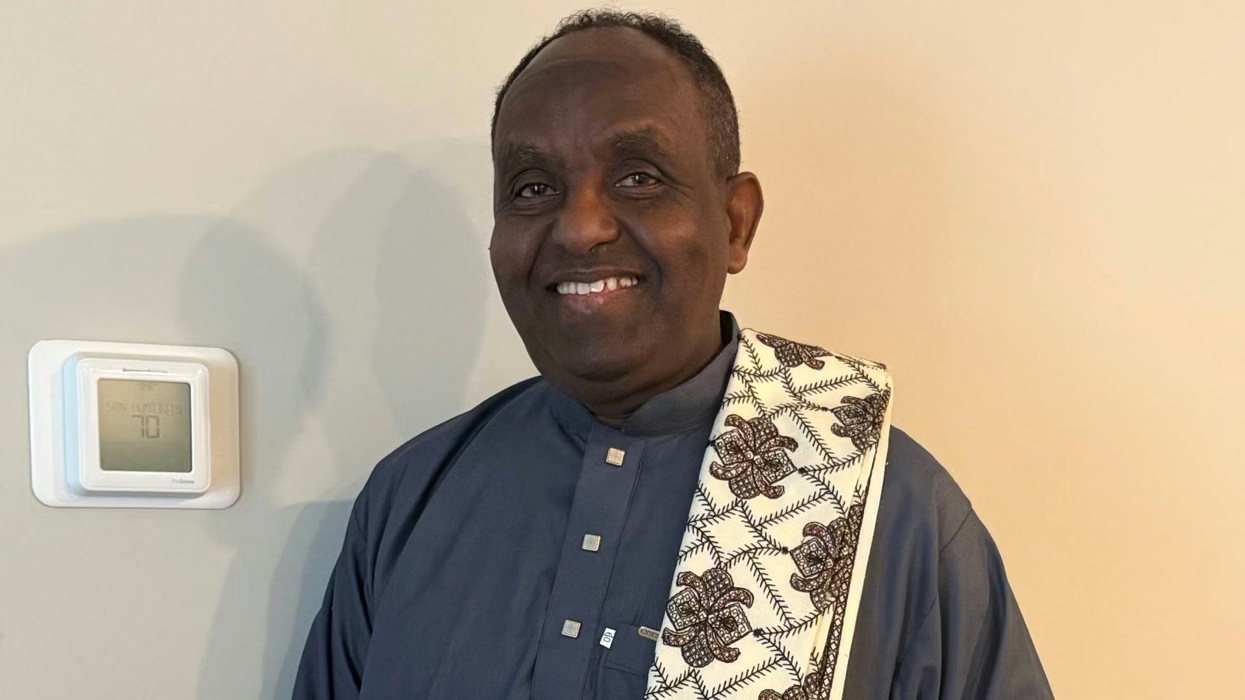
Mohamed Yusuf, a Somali American Uber driver in Minnesota, is fighting for his life after suffering a horrific attack allegedly carried out by a passenger who had booked a ride home. The 25-year-old suspect, identified as Samit Apurva Patel, has been accused of strangling Yusuf with a seatbelt before pulling him out of his vehicle and repeatedly running over him. The shocking incident has drawn widespread attention because of the brutality of the assault, the victim’s critical medical condition and questions about whether the attack was motivated by racial or religious prejudice.
According to court documents, Yusuf was discovered severely injured in a roadside ditch after police used a drone to track the location of his smartwatch. He had suffered multiple serious injuries, including broken ribs, a broken leg, spinal damage, collapsed lungs and significant internal bleeding. Prosecutors have described the incident as an exceptionally brutal attack, while Yusuf’s family and members of Minnesota’s Somali community are demanding justice and further investigation into the possibility of a hate-related motive. As the investigation continues, many people are asking who Mohamed Yusuf is, what happened during his final moments with the passenger and why the case has become a major concern for the Somali American community.
Who Is Mohamed Yusuf the Somali Uber Driver?
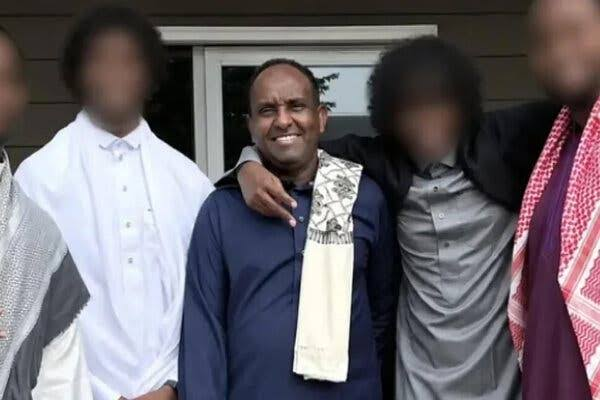
Mohamed Yusuf is a Somali American man who worked as an Uber driver in Minnesota, earning his living by transporting passengers. Although details about his personal life, age, family background and professional history have not been widely disclosed in the available court documents, he has become the centre of public attention following the violent attack that left him critically injured. Yusuf was working as a rideshare driver when he accepted a passenger who allegedly turned against him during the journey. What began as an ordinary Uber ride reportedly ended in an extremely violent confrontation that left the driver with life-threatening injuries.
The passenger was identified as 25-year-old Samit Apurva Patel, who allegedly booked an Uber after spending Friday night drinking with friends. According to the criminal complaint, Patel was travelling home when the incident took place. During the journey, he reportedly asked the driver his name. When Yusuf introduced himself as Mohamed, Patel allegedly responded, “F—, I don’t like that name.” This statement has become an important part of the investigation because it has raised questions about whether the victim was targeted because of his Somali or Muslim-associated name.
However, prosecutors have cautioned that the reported remark, by itself, is not sufficient to establish that the attack was motivated by bias. Yusuf was reportedly speaking with his brother on the telephone when the assault began. The conversation provided investigators with an important account of what happened inside and around the vehicle.
Read : Outrageous! 18-Year-Old Samantha Salomon Throws Food at Chipotle Worker
According to the complaint, his brother heard him shouting in Somali, expressing fear and repeatedly indicating that the passenger was attacking him. At one point, Yusuf reportedly said that the passenger was choking him with a belt. His brother could hear the struggle continuing for several minutes before the situation became even more frightening. The caller then heard Yusuf screaming that the passenger was driving the vehicle over him. Eventually, the brother could hear only the passenger, who reportedly responded with an expletive when asked to let him speak to Yusuf.
How Samit Apurva Patel Allegedly Attacked the Uber Driver
The attack reportedly unfolded near Hopkins Crossroad and Minnetonka Boulevard in Minnesota, just two blocks from Patel’s home. According to the criminal complaint, investigators believe Patel used Yusuf’s seatbelt to strangle him during the confrontation. The violence allegedly continued after Yusuf was removed from the vehicle. Prosecutors believe the driver was pulled out and then run over by the passenger’s vehicle. Hennepin County Attorney Mary Moriarty described the incident as incredibly brutal, explaining that investigators believe Patel may have driven over Yusuf more than once. The victim’s brother, who was still connected to him by telephone, reportedly heard the terrifying moments when the vehicle was driven over his brother.
The discovery of Yusuf was made possible through technology that helped police locate him after the attack. When officers began investigating, they learned that he was wearing a smartwatch. Investigators used information associated with the device to narrow down his location, and a police drone was deployed to search the surrounding area. The drone eventually located Yusuf lying in a ditch approximately 15 feet from the roadside. His discovery was particularly important because he had been left severely injured away from the main road, and the device provided investigators with a crucial lead in locating him.
Meanwhile, Patel allegedly returned to his parents’ home in a disturbing state. According to the complaint written by Hopkins police officer Nathan Hanson, his parents contacted authorities because their adult son appeared intoxicated, was giving confusing information and displayed signs of emotional distress and belligerent behaviour. When officers arrived, they found Yusuf’s grey Toyota RAV4 SUV outside the property. Patel allegedly asked the officers to arrest him. When questioned about the reason, he reportedly told them that he had “done a lot of f—ed up s—.” Investigators also described him as appearing visibly afraid of something unknown, while he reportedly warned his parents to stay away from the windows.
Police subsequently connected Patel to the alleged attack on Yusuf. The 25-year-old was booked on suspicion of attempted murder and carjacking. The investigation is focused on establishing the complete sequence of events, including what happened during the journey, how the confrontation developed and what motivated the alleged assault. Although Patel’s reported statement about Yusuf’s name has attracted considerable attention, investigators and prosecutors must establish the available evidence before drawing conclusions about the motive.
Mohamed Yusuf’s Critical Condition and Growing Hate Crime Concerns
The most distressing aspect of the case is the seriousness of Mohamed Yusuf’s injuries. According to the criminal complaint, he suffered broken ribs, a broken leg, spinal injuries, collapsed lungs and significant internal bleeding. His internal injuries were reportedly so severe that several organs had to be removed. The extent of the damage has left him in an extremely critical condition, with doctors facing a difficult medical situation. Prosecutors confirmed that Yusuf continues to fight for his life, but his prognosis remains poor. His condition has raised serious concerns among his family, members of the Somali American community and people following the investigation.
Read : YouTuber Jesse Ridgway and Wife Criticized for Terminating Pregnancy After Down Syndrome Diagnosis
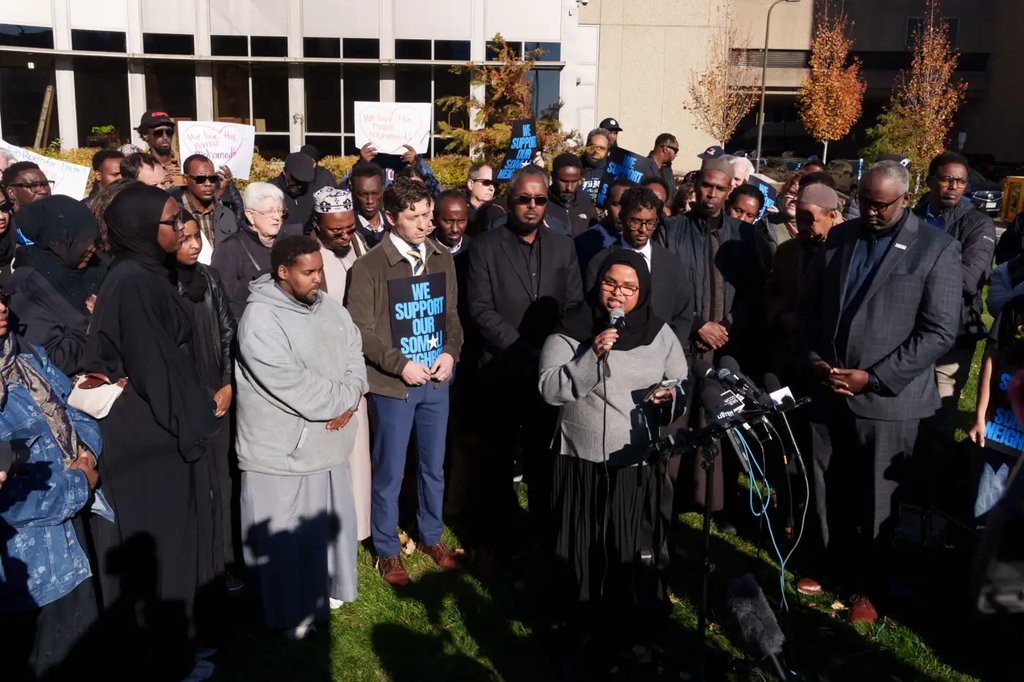
The case has also developed into a wider discussion about possible bias against Somali immigrants in Minnesota. The Minnesota chapter of the Council on American-Islamic Relations (CAIR), along with Yusuf’s family, has called for authorities to examine whether the attack was motivated by hatred. Their concerns are largely connected to Patel’s alleged reaction after learning the driver’s name. CAIR’s Minnesota Executive Director, Jaylani Hussein, said the reported statement should not be dismissed and argued that investigators should examine whether prejudice played a role in the incident. According to Hussein, hostility expressed towards a person’s name shortly before an attack of this nature deserves serious attention.
However, Hennepin County Attorney Mary Moriarty explained that Minnesota does not have a separate hate crime statute that would apply in the way people might expect. Prosecutors can nevertheless seek a tougher sentence if sufficient evidence establishes that bias played a role in the offence. Moriarty acknowledged the importance of recognising crimes motivated by prejudice, particularly when communities are already experiencing hostility. She also spoke about the impact of violent political rhetoric directed towards Minnesota’s Somali population, although she cautioned that prosecutors could not necessarily establish a connection between that rhetoric and this particular attack based on the evidence currently available.
Minnesota has one of the largest Somali communities in the United States and has become an important destination for Somali immigrants over several decades. The community has increasingly found itself at the centre of national political debates, particularly following repeated remarks by President Donald Trump targeting Somali immigrants and Democratic Representative Ilhan Omar, who was born in Somalia and represents Minnesota. Trump has repeatedly criticised the Somali community, using inflammatory language and making broader accusations against Somali immigrants. His comments have intensified political and social tensions surrounding immigration and the Somali population in the state.
These tensions have also been influenced by reports of fraud schemes involving individuals of Somali descent who were convicted in Minnesota. However, the actions of individuals involved in criminal cases cannot fairly be attributed to an entire ethnic or immigrant community. Against this wider background, the attack on Yusuf has become particularly concerning for Somali Americans who fear that prejudice may have played a role in the violence.
CAIR’s Minnesota chapter praised police officers and prosecutors for their response and the efforts made to locate Yusuf. Nevertheless, its leadership continues to believe that the possibility of a bias-related motive deserves further examination. For Yusuf’s family, the immediate priority remains his survival and recovery, while the legal investigation will determine what happened and whether additional sentencing considerations are justified.
The case involving Mohamed Yusuf and Samit Apurva Patel has raised serious questions about passenger violence, the safety of rideshare drivers and the treatment of immigrant communities. A man who was reportedly carrying out an ordinary Uber journey ended up fighting for his life after an alleged attack that prosecutors have described as exceptionally brutal. While the investigation continues, Yusuf’s critical condition remains the most important concern, and the case has become a reminder of the vulnerability of workers who spend their days transporting strangers.