
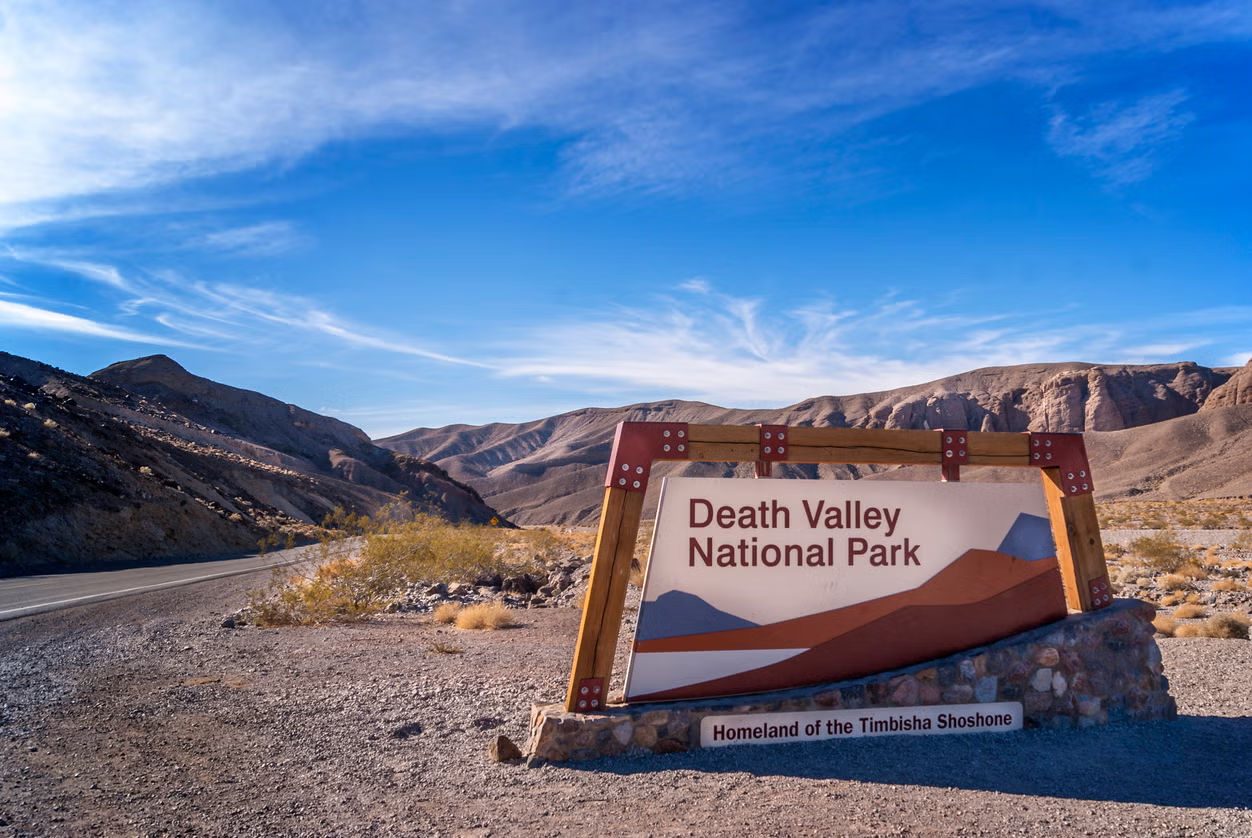
A French tourist, Pierre Michel Formosa, 68, died in California’s Death Valley National Park after the vehicle he and another traveler were driving became stuck in mud during a period of extreme heat. The two men had been traveling along West Side Road when their vehicle became immobilized near Queen of Sheba Mine Road on August 17. With no other vehicles nearby and emergency assistance potentially hours away, they made the difficult decision to leave the vehicle and walk across the salt flats in search of help. The temperature had climbed to about 116 degrees Fahrenheit, or 46 degrees Celsius, turning the isolated landscape into an extremely dangerous environment. Although Formosa’s travel companion eventually reached a passing motorist and was taken to park officials, Formosa was unable to continue walking and was later found dead by rescuers.
Pierre Michel Formosa’s Final Journey Through Death Valley
Pierre Michel Formosa was a 68-year-old French tourist visiting Death Valley National Park with a fellow traveler, also from France. The pair were traveling through one of the most remote and environmentally extreme parts of California when their journey took a tragic turn. On August 17, the two men were driving along West Side Road, a route that passes through the vast desert landscape of Death Valley. Their vehicle became stuck in mud near Queen of Sheba Mine Road, leaving them unable to continue their journey by car.
The incident occurred in an area where there were few, if any, other vehicles nearby, and where visitors cannot depend on reliable mobile phone service or quick emergency assistance. The combination of their remote location, the disabled vehicle and the extraordinary heat created a rapidly deteriorating situation. Instead of remaining with the vehicle, the two men decided to set out on foot toward Badwater Road in an attempt to find assistance. They crossed the salt flats, an enormous and exposed landscape where there is little natural shade or shelter.
According to information released by authorities, they managed to walk approximately 1.3 miles before Formosa could no longer continue. His companion continued toward Badwater Road, hoping to reach help and alert authorities to Formosa’s condition. Eventually, a passing driver encountered the surviving traveler and helped him reach the Furnace Creek Visitor Center, where he reported the emergency to park officials shortly after 2 p.m. By that point, Formosa had been left alone in the harsh desert environment, and rescuers faced the difficult task of locating him across the vast and exposed terrain.
The National Park Service immediately began a search-and-rescue operation after receiving the report. National Park Service rangers and an Inyo County deputy joined the response, while a California Highway Patrol helicopter assisted from the air. Search teams eventually located Formosa later that afternoon, approximately 1.5 miles from Badwater Road. Despite the rescue effort, he was pronounced dead at the scene.
Read : Influencer Mikayla Nogueira Passes Out While Filming TikTok
The official cause and manner of death will be determined by the Inyo County coroner. Authorities have not indicated that a final determination had been made at the time of the reported incident, meaning that the circumstances surrounding his death remain subject to the coroner’s investigation. His death nevertheless highlights the extraordinary risks that can arise when visitors become stranded in Death Valley during periods of extreme heat.
How Extreme Heat Turned a Vehicle Breakdown Into a Life-Threatening Emergency
Death Valley is famous for its extraordinary temperatures, vast desert scenery and remote roads, but those same characteristics can make even a seemingly manageable travel problem extremely dangerous. On the day of Formosa’s death, temperatures reached approximately 116 degrees Fahrenheit, equivalent to 46 degrees Celsius. At such temperatures, walking even a relatively short distance through exposed terrain can place enormous stress on the human body. The danger becomes even greater when travelers are carrying limited water, have no access to shade and are several miles from roads or populated areas.
In Death Valley, distances that might appear manageable on a map can become extremely difficult to cover on foot because of the intense heat and lack of shelter. The area where Formosa and his companion became stranded also presented another significant challenge: isolation. Death Valley National Park encompasses a huge area of desert terrain, and cell phone coverage can be sparse or completely unavailable in many locations.
Emergency responders may therefore need considerable time to reach visitors who are experiencing trouble. A disabled vehicle can quickly become a serious emergency when travelers are far from populated areas and temperatures are dangerously high. In this case, the men attempted to reach Badwater Road on foot, but Formosa became unable to continue after walking roughly 1.3 miles. His companion continued until he encountered a passing driver, ultimately allowing the authorities to be alerted.
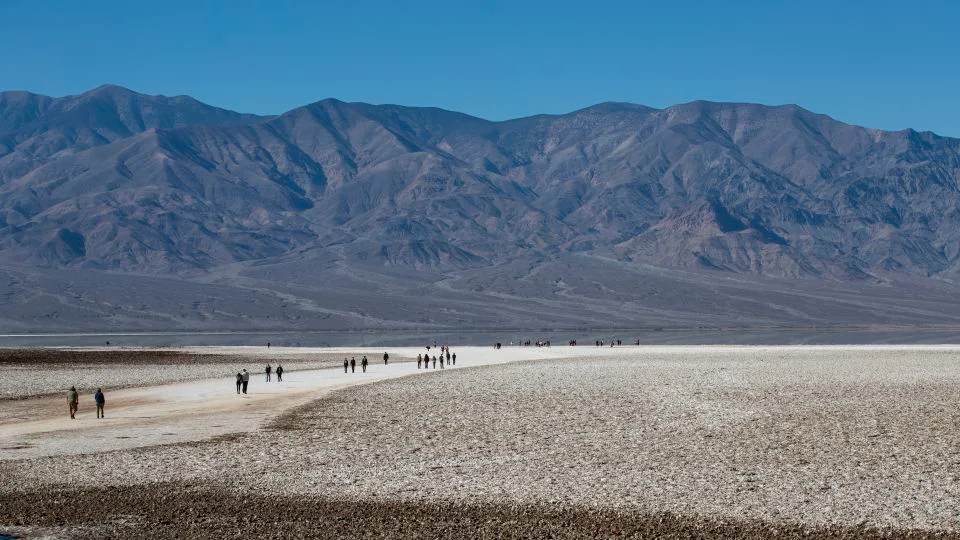
The circumstances are particularly significant because park officials generally advise visitors to remain with a disabled vehicle rather than attempting to walk long distances for assistance, especially in extreme heat. A vehicle can provide shade and some protection from the elements, while its presence also gives search teams a much larger and easier-to-identify target than a person walking across an enormous desert landscape. When a vehicle becomes disabled in a remote area, leaving it can increase the difficulty of locating a stranded traveler.
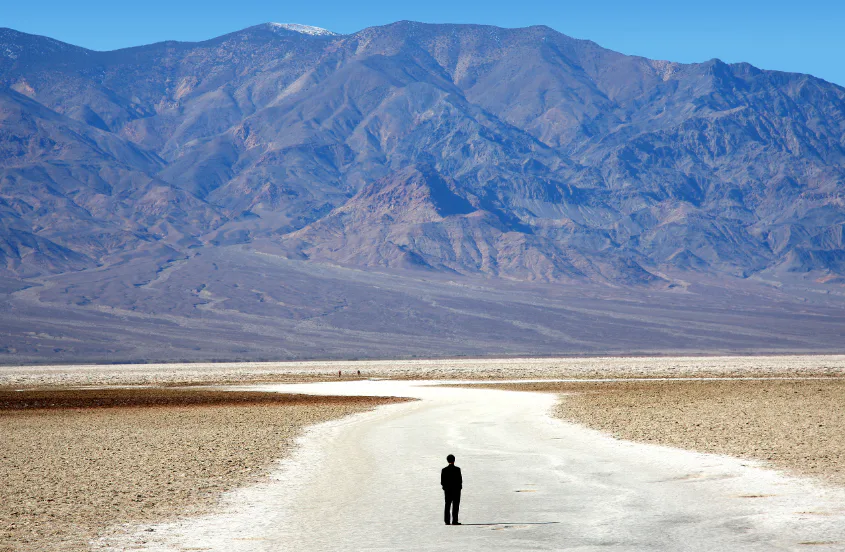
The situation can become even more dangerous when temperatures are extreme and the person is unfamiliar with the distances involved. Formosa’s death demonstrates how quickly a vehicle problem can evolve into a life-threatening emergency in a remote desert environment. Death Valley’s terrain can also make judging distance particularly difficult. Open salt flats and desert landscapes can create the impression that a destination is closer than it actually is.
Unlike urban or populated areas, there may be no buildings, shade structures, businesses or nearby residents to provide assistance along the way. A traveler who begins walking toward a road may therefore have no realistic opportunity to stop and recover once heat exhaustion or another medical emergency begins. The two men’s decision to seek help on foot ultimately resulted in one of them reaching safety, but Formosa was unable to complete the journey. The tragedy underscores the importance of treating extreme desert heat as an immediate hazard rather than simply an uncomfortable travel condition.
What Visitors Should Know Before Traveling Into Death Valley
The death of Pierre Michel Formosa has renewed attention on the precautions visitors should take when traveling through Death Valley National Park, particularly during periods of extreme heat. Park officials advise travelers to plan their routes carefully before entering remote areas and to check current road and weather conditions. This is especially important for visitors traveling on backcountry roads, where conditions can change unexpectedly and where some routes require vehicles with high clearance or four-wheel drive. A vehicle that is appropriate for one road or set of conditions may not be suitable after weather or surface conditions change. In Formosa’s case, the vehicle became stuck in mud, leaving the travelers stranded in an area where help was not immediately available.
Carrying sufficient water is another critical precaution. Death Valley National Park recommends that visitors carry at least one gallon of water per person per day, along with additional water and supplies for potential vehicle emergencies. Travelers should also tell someone outside the park where they plan to go and when they expect to return. This information can become extremely valuable if a person fails to return as expected and needs to be located. Because cell phone service can be unavailable in remote sections of the park, officials also encourage visitors to consider carrying a satellite communicator or emergency beacon capable of sending a distress signal from areas without conventional cellular coverage.
Perhaps most importantly, visitors are advised to stay with their vehicles if they become disabled, particularly when traveling through remote desert areas. A vehicle is much easier for search-and-rescue teams to locate than an individual on foot, and it can provide some protection from direct sunlight. During extreme heat, park officials also encourage visitors to stay on paved roads and avoid hiking at lower elevations. These recommendations are especially important during the hottest periods of the year, when temperatures can become dangerous within a short period of time.
Formosa’s death serves as a tragic reminder of the challenges faced by visitors who travel into remote desert environments without immediate access to assistance. He and his companion were confronted with a combination of circumstances that made their situation increasingly dangerous: a vehicle stuck in mud, an isolated location, a lack of nearby traffic, extreme temperatures and a difficult journey on foot across exposed terrain.
His companion ultimately survived after reaching a passing driver and reporting the emergency to park authorities, but the rescue operation could not reach Formosa in time. Death Valley National Park Superintendent Mike Reynolds expressed condolences to Formosa’s family and friends and described the incident as a heartbreaking reminder of how quickly conditions in the park can become dangerous. The case also illustrates why preparation, adequate water, communication equipment and remaining with a disabled vehicle can be critical when traveling through one of the most extreme landscapes in the United States.
This note on Claude official text watermark is useful: official Claude marks add no hidden characters.