
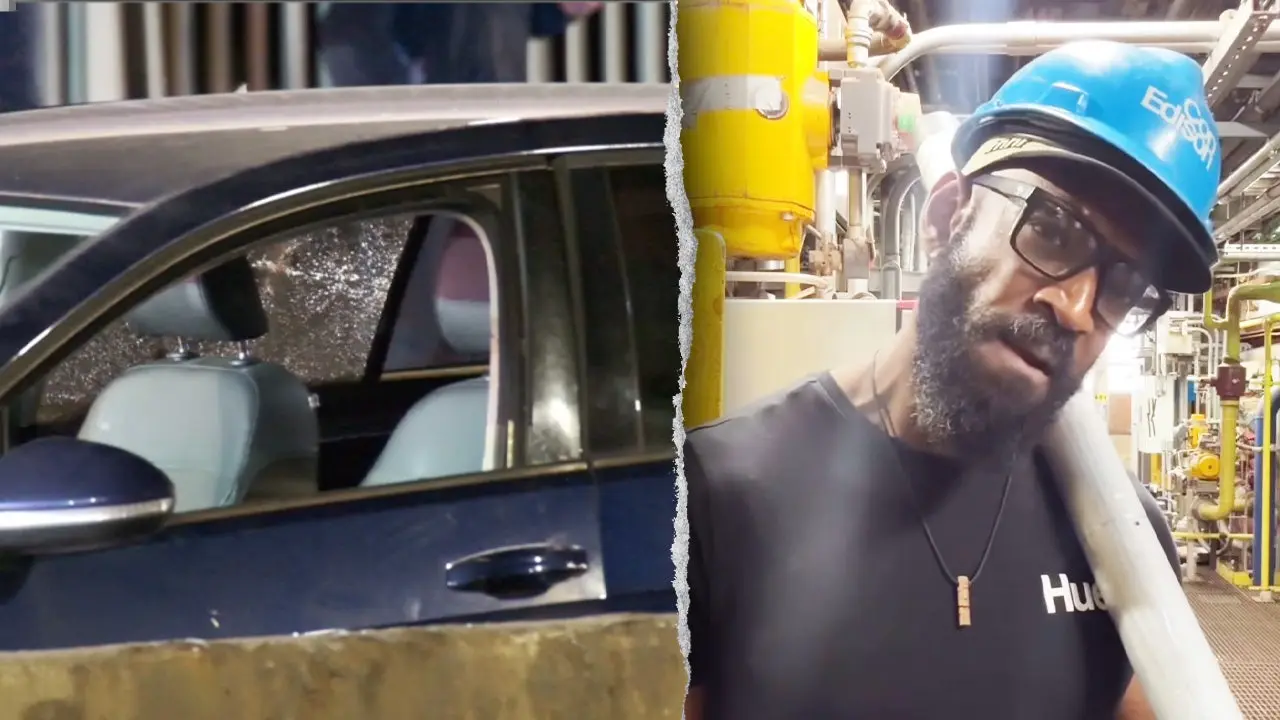
Victor Romero, a 62-year-old retired New York Police Department detective, has been arrested in connection with the fatal shooting of Koran Irvine, a 46-year-old father of two, during rush-hour traffic on the George Washington Bridge. The incident, which occurred on Tuesday evening, October 20, has drawn attention because the suspect was once praised as a hero after being wounded while attempting to stop an armed robbery.
According to police, Romero allegedly shot Irvine during a road rage confrontation on the New Jersey-bound upper level of the bridge at approximately 7:15 p.m. He was charged with murder and was awaiting arraignment on Wednesday night, October 21. Investigators are examining the circumstances surrounding the shooting, including surveillance footage, the suspect’s vehicle and evidence gathered during the investigation. The case has raised troubling questions about how an ordinary traffic confrontation could end in the death of a family man and how a former police officer with a history of courage under dangerous circumstances came to be accused of such a serious crime.
Victor Romero’s Background and His Earlier Life as a Police Officer
Victor Romero previously served with the NYPD and worked out of Brooklyn North Narcotics during his career. He retired in late July 2001, approximately a year after an incident in June 2000 in which he was shot while off duty during an armed robbery at his family’s dry-cleaning business, King’s Laundromat, on Kings Highway in East Flatbush, Brooklyn. At the time, Romero’s actions attracted considerable attention from fellow officers because he attempted to protect people threatened by armed criminals, despite putting himself in danger.
According to reports from the period, several armed robbers entered the business and threatened those present, demanding money and warning that they would shoot people if their demands were not met. Romero initially indicated that he would cooperate and pleaded with the men not to hurt anyone. However, when one of the robbers allegedly pressed a weapon against a frightened customer’s cheek, Romero opened fire with his service weapon. The confrontation developed into a gun battle in which Romero and two suspects were wounded.
One police officer at the scene reportedly described Romero as fortunate to have survived, noting that the bullet could easily have caused a fatal injury. His actions were praised because he had intervened in a dangerous situation that could potentially have resulted in several deaths. That episode became a significant part of his public history as a police officer, making the allegations against him in the George Washington Bridge shooting particularly striking.
Read : Outrageous! 18-Year-Old Samantha Salomon Throws Food at Chipotle Worker
More than two decades after the robbery, Romero is now facing a murder charge arising from an incident in which investigators allege that he was the person who fired the fatal shot. The earlier incident does not establish what happened on the bridge, and the current allegations must be evaluated on their own evidence. Police have not publicly established a complete account of what led to the confrontation, leaving investigators to reconstruct the events that preceded the shooting.
What Happened During the Fatal George Washington Bridge Shooting?
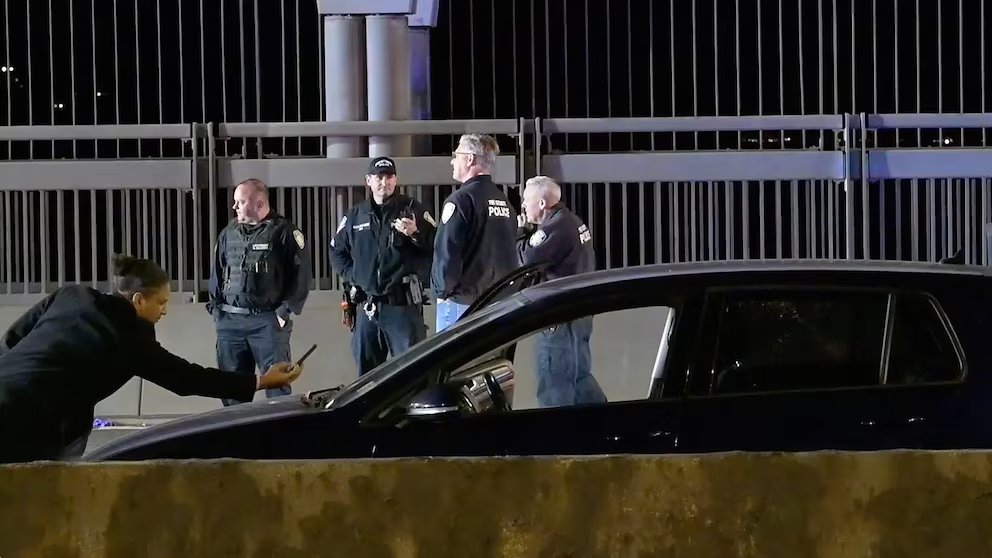
The shooting occurred at approximately 7:15 p.m. Tuesday on the upper level of the George Washington Bridge, where traffic was moving toward New Jersey during the evening rush hour. According to information attributed to investigators, Romero allegedly approached Irvine’s vehicle in his own car before the shooting took place. Surveillance footage reviewed during the investigation reportedly shows Irvine’s vehicle suddenly jerking as another car pulled alongside its rear passenger side.
Read : Who Was Ian Patterson, the Air Force Tech Sgt Killed in Rappelling Fall at UTSA?
Investigators believe that movement may have captured the moment the shot was fired. The footage reportedly shows Irvine’s vehicle subsequently moving toward the median and coming to a stop, while the other vehicle drove away. Authorities have been examining the available footage to determine the sequence of events and establish precisely what happened between the two motorists. Investigators preliminarily believe that a single shot was fired.
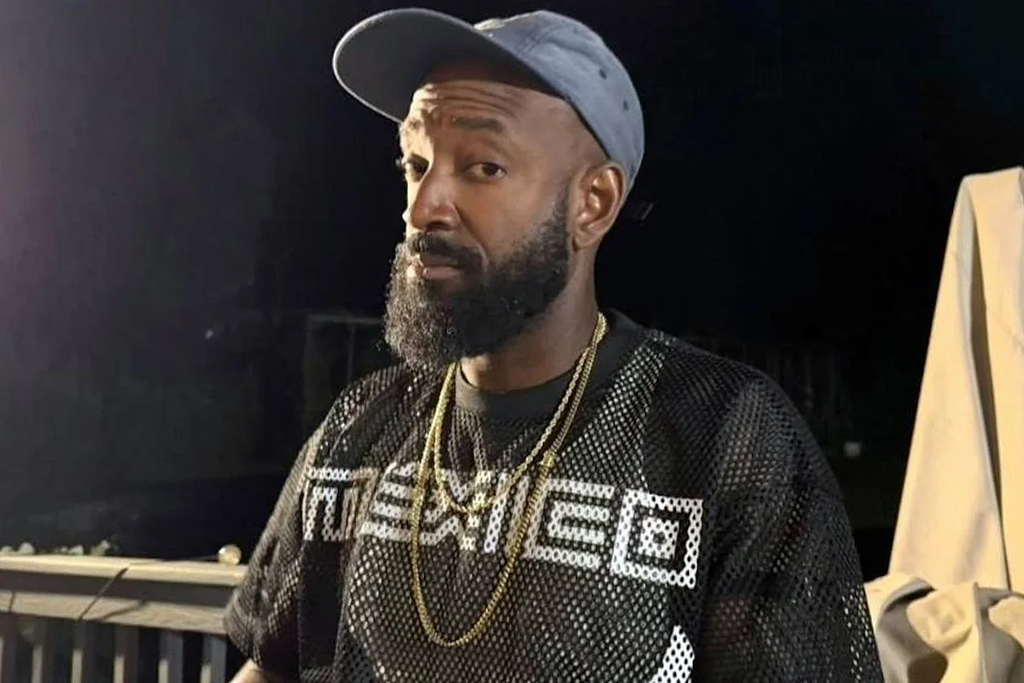
According to reports describing the initial findings, the bullet passed through the rear window, grazed a headrest and struck Irvine in the right shoulder before exiting through the left side of his neck. Irvine was taken to Englewood Hospital, where he was pronounced dead. The fatal encounter transformed a busy commuter route into the scene of a homicide investigation, leaving Irvine’s family and loved ones facing an unexpected loss. Romero was arrested on Wednesday and charged with murder. Sources familiar with the investigation said he allegedly admitted to investigators that he was the shooter and handed over the gun to police.
His residence in Haverstraw, New York, was reportedly secured while investigators awaited a search warrant, and his vehicle was taken into NYPD custody. These steps formed part of the investigation as authorities worked to collect evidence and determine the circumstances that led to the fatal confrontation. Although the initial information points to an alleged road rage incident, the precise nature of the dispute, what was said or done before the shooting, and the events that immediately preceded it remain important questions for investigators. A murder charge represents a formal accusation, not a finding of guilt, and the evidence will need to be considered through the legal process.
Who Was Koran Irvine, the Father of Two Killed in the Incident?
While the investigation has focused on Romero and the circumstances of the shooting, the death of Koran Irvine has also brought attention to the family left behind. Irvine, a 46-year-old resident of Valley Cottage in Rockland County, New York, was a father to a son and a daughter. Relatives described him as a devoted family man whose life revolved around the people he loved. His cousin said the family was struggling to comprehend the sudden loss, emphasizing that Irvine had consistently put his family first and stayed away from trouble.
The relative also described Irvine as someone who loved the New York Jets, a passion that formed an important part of his personal life. His interests and relationships were part of what made him memorable to those who knew him, but relatives stressed that his defining quality was his commitment to his family. They remembered him as a jokester who enjoyed making others laugh and helping people feel comfortable. According to his cousin, Irvine brought energy and warmth to social gatherings, paid attention to the needs of others and made people feel welcome.
His death therefore represents not only the loss of a 46-year-old man but also a devastating change for his wife, children and extended family. The circumstances described by investigators have made the case especially distressing: a confrontation on a crowded bridge allegedly escalated into gunfire, and a father who had been living his life with his family was suddenly gone. As the investigation continues, his relatives must deal with the grief of losing someone they described as attentive, generous and deeply devoted to those closest to him.
The contrast between the two men has also become a central part of public interest in the case. Romero had previously been praised for intervening during an armed robbery, while Irvine was remembered by his relatives for his kindness, humour and dedication to his loved ones. Neither man’s past alone can establish exactly what happened on the bridge, but the allegations have placed their lives at the centre of a tragic criminal investigation. Authorities must now establish the full sequence of events, assess the available evidence and present their findings through the legal system. For Irvine’s family, however, the immediate reality is the loss of a husband, father and relative whose presence, according to those who knew him, brought happiness to the people around him.
Thanks for sharing limiting excess sodium with useful context for readers.
Thanks for explaining how this article covers how individual experiences can vary in clear language.