
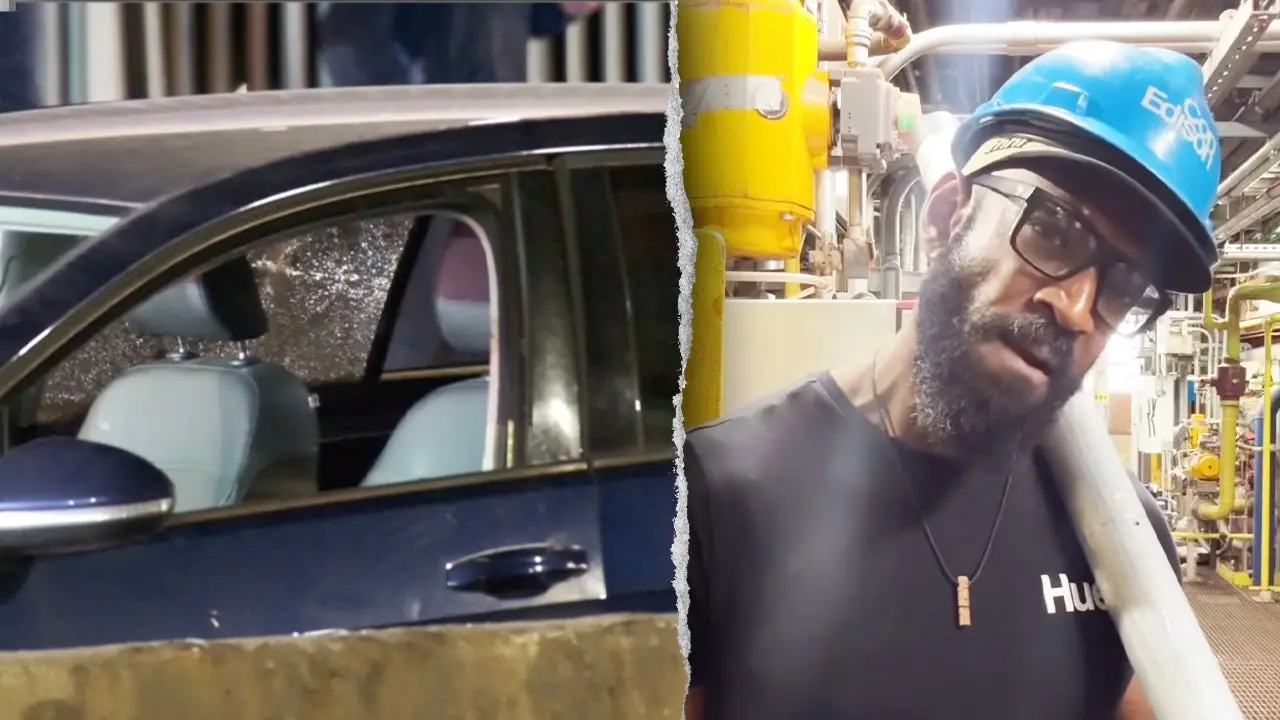
Koran Irvine, a 46-year-old resident of Valley Cottage, New York, lost his life in a fatal shooting on the George Washington Bridge during the evening rush hour. Irvine worked for Con Edison, a major utility company serving New York, and his death has brought renewed attention to the devastating consequences of road rage. What began as an incident on one of the busiest bridges connecting New York and New Jersey ended in a homicide investigation and the arrest of a retired New York City police detective.
Authorities identified the suspect as Victor Romero, 62, who was arrested on Wednesday and charged with murder in connection with Irvine’s death. The shooting took place on the New Jersey-bound side of the bridge’s upper level, creating major traffic disruptions and leaving commuters facing hours of delays. While investigators work to establish the circumstances surrounding the fatal encounter, Irvine is being remembered through the loss felt by his family, friends, and colleagues at Con Edison.
Who Was Koran Irvine?
Koran Irvine was a 46-year-old man from Valley Cottage, a community in Rockland County, New York. He worked for Con Edison, the utility company that acknowledged his death in a public statement expressing condolences to his loved ones and coworkers. Although extensive personal details about Irvine have not been made public in the available information, his identity as a working professional has become central to the story of a life cut short in an incident that disrupted an ordinary evening on the road.
His death illustrates how a confrontation between motorists can have consequences that extend far beyond the people directly involved, affecting families, workplaces, and entire communities. Con Edison described the shooting as a “senseless act of violence” and extended its deepest condolences to Irvine’s family, friends, colleagues, and everyone who knew and loved him. The company’s statement reflected the loss experienced by those who knew him personally and professionally. However, the information released so far does not provide a detailed account of his personal life, family background, or career history, and those details should not be assumed.
What is confirmed is that Irvine was a Con Edison employee whose life ended after he was found wounded and unconscious inside a vehicle on the George Washington Bridge on Tuesday evening. The circumstances of Irvine’s death have drawn attention because of the location and the nature of the alleged crime. The George Washington Bridge carries enormous volumes of traffic between Manhattan and Fort Lee, New Jersey, and congestion is a familiar part of the daily commute. Drivers must navigate busy entrances, merging lanes, and changing traffic conditions, particularly during rush hour.
Read : Bizarre! Thief Steals Entire Metal Roof from Vacant Home in Reynolds
Although frustration on crowded roads is common, the fatal shooting demonstrates the potentially devastating consequences when a disagreement escalates into violence. For Irvine’s family and colleagues, the incident represents a sudden and profound loss, while the wider public is left questioning how a routine journey could end in such tragic circumstances.
What Happened in the George Washington Bridge Shooting?
The fatal incident occurred on Tuesday evening, when Irvine was found just after 7 p.m. in the driver’s seat of a vehicle on the New Jersey-bound side of the George Washington Bridge’s upper level. According to the reported details, he was wounded and unconscious when he was discovered. Emergency responders took him to a hospital, where he was pronounced dead. Authorities subsequently investigated the shooting as a homicide, leading to the arrest of Victor Romero on Wednesday. Romero, 62, was charged with murder in connection with Irvine’s death. Investigators have described the incident as a road rage killing, although the full sequence of events leading to the shooting has not been established in the information available.
Read : Who Was Ian Patterson, the Air Force Tech Sgt Killed in Rappelling Fall at UTSA?
The shooting occurred during the evening rush hour, when thousands of commuters were travelling between New York City and New Jersey. The bridge is a major transportation route linking Manhattan with Fort Lee, and any serious incident on its lanes can quickly affect traffic throughout the surrounding area. Following the shooting, the affected lanes remained closed while authorities responded to the scene and carried out investigative work. The closures caused significant congestion, with motorists experiencing delays for hours. The Port Authority of New York and New Jersey, which operates the bridge, reported that the closed lanes reopened approximately five hours after the shooting.
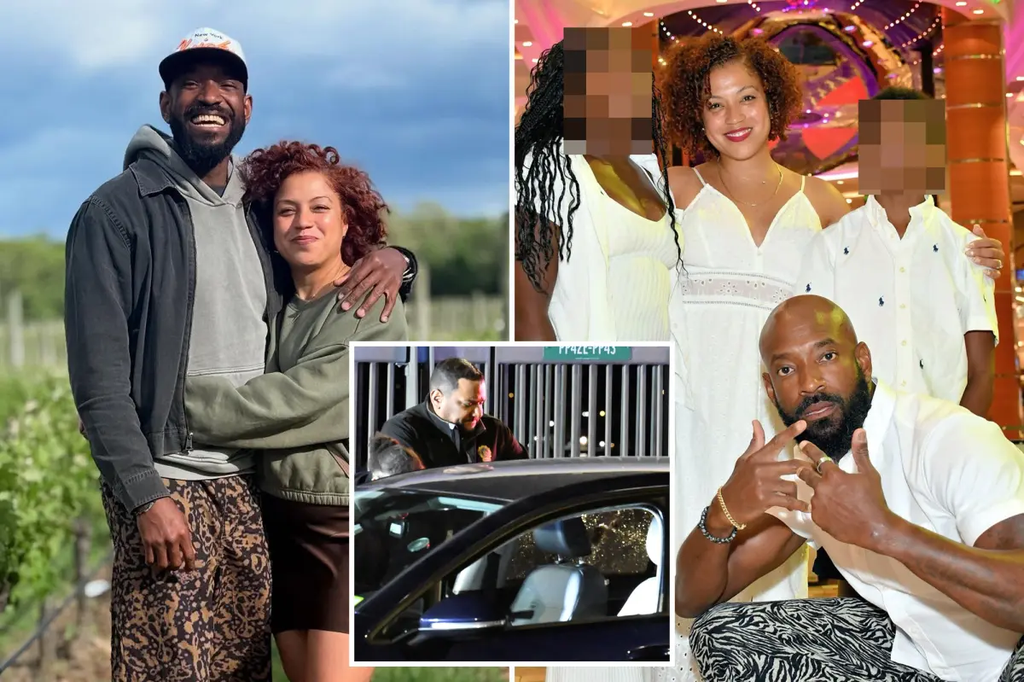
The location presented a particular challenge for investigators because the George Washington Bridge is one of the most heavily travelled crossings in the region. Its entrances and roadways are equipped with numerous cameras, which may provide valuable evidence when authorities investigate incidents occurring on or near the bridge. The availability of surveillance footage can help investigators reconstruct vehicle movements, establish timelines, and identify potential witnesses. However, the existence of cameras does not automatically establish what happened during a particular confrontation, and the precise evidence supporting the murder charge was not detailed in the supplied reports.
The case has been described as a road rage incident, but important questions remain about the events immediately preceding the shooting. The available information does not fully explain what triggered the alleged confrontation, whether the drivers had argued before the shooting, or how the encounter unfolded. Those details are important because they distinguish confirmed facts from assumptions about the circumstances of Irvine’s death. The arrest and murder charge mark significant developments in the investigation, but the allegations must still be considered within the legal process.
The shooting also demonstrates the wider consequences of serious incidents on major transport routes. Beyond the immediate danger to the people involved, a violent incident on a busy bridge can leave commuters stranded, disrupt journeys, and require extensive emergency and investigative operations. In this case, the lane closures continued for several hours, affecting people travelling in both directions through the surrounding transportation network. Yet the most serious consequence was the death of Irvine, whose life was lost amid an incident that authorities are investigating as a fatal act of road rage.
Who Is Victor Romero, the Retired NYPD Detective Charged With Murder?
Victor Romero, the 62-year-old man arrested in connection with Irvine’s death, is a retired New York City Police Department detective who previously received attention for his involvement in an off-duty shooting. Romero, who lived in Haverstraw, New York, retired from the NYPD in 2001. His arrest in the bridge shooting has drawn additional attention because of his law enforcement background and an earlier incident in which he was wounded while attempting to stop a robbery at his family’s Brooklyn laundromat.
The earlier incident occurred in June 2000, when Romero was working as a drug detective in Brooklyn. According to news accounts from that time, he had been with the NYPD for approximately six years when men attempted to rob the family business. Romero was off duty during the confrontation and was wounded in his hand and chest. He used his service weapon during the encounter, shooting one of the men in the stomach, arm, and leg, and another in the legs, according to reports published at the time. The incident brought attention to Romero as a police officer who had been injured while responding to a threat against his family’s business.
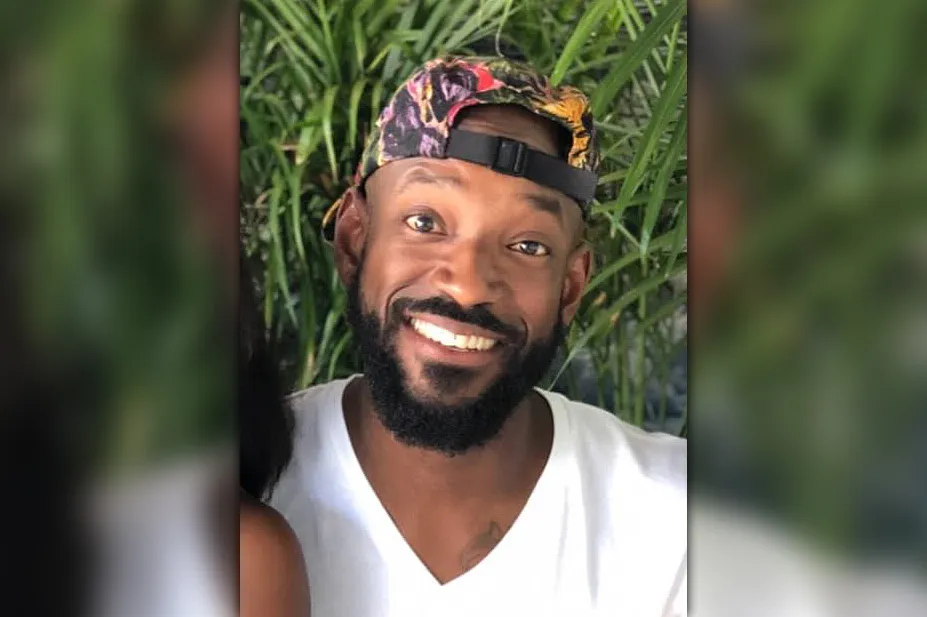
Romero retired from the police department the following year. More than two decades later, he was arrested following the fatal shooting of Irvine on the George Washington Bridge. The contrast between his earlier experience as an officer involved in stopping an alleged robbery and his current position as a murder defendant has become a striking element of the case. Nevertheless, the earlier incident and his former occupation do not determine the facts of the current allegations, which must be assessed on the evidence relating to Irvine’s death.
Following Romero’s arrest on Wednesday, he faced a murder charge. The available reports indicated that a telephone number associated with him in public records went unanswered, and information about a lawyer who could comment on his behalf was not immediately available. No response from Romero or a legal representative was included in the supplied information. As the case proceeds, investigators and the courts will need to establish the circumstances of the shooting and evaluate the evidence relevant to the charge.
For now, Irvine’s death remains the central fact of a case that has shocked commuters and drawn attention because of the suspect’s background. The George Washington Bridge is a vital transportation link used by millions of travellers, but its busy lanes can also become places where tensions develop between motorists. The fatal shooting serves as a reminder that disagreements on the road can have consequences far beyond a delayed journey or an angry exchange. A 46-year-old Con Edison worker lost his life, his colleagues were left mourning his death, and a retired police detective now faces a murder charge.
As the investigation continues, the questions surrounding the confrontation may become clearer. Until then, the confirmed details remain stark: Koran Irvine was found wounded in his vehicle on the New Jersey-bound side of the bridge, was taken to a hospital and pronounced dead, and Victor Romero was arrested the following day and charged in connection with the killing. The case highlights the lasting human cost of road rage and the importance of allowing investigators and the legal process to establish exactly what happened that evening.
This post makes it easier to understand the points raised about everyday energy levels while keeping expectations realistic.
I appreciate the information about comparing supplement products in an easy-to-follow way.
It’s useful to learn about how this article covers evaluating online product reviews while keeping expectations realistic.
Useful context for understanding this overview of comparing supplement products that is practical and straightforward.
Good read on sleep and general wellbeing in clear language.
Good read on looking for transparent product information without overcomplicating the subject.
Good read on the value of regular physical activity with useful context for readers.
This is a helpful reminder about the points raised about mental clarity with useful context for readers.
Good read on understanding what research can and cannot show while keeping expectations realistic.
The explanation of how this article covers checking ingredient lists that is practical and straightforward.
A clear overview of the information about what to check before ordering a supplement and encourages careful consideration.
Thanks for explaining how this article covers reading product claims critically in an easy-to-follow way.
I appreciate the information about reading product claims critically and encourages careful consideration.
This is a helpful reminder about the points raised about reading product claims critically in an easy-to-follow way.
I enjoyed the calm and conversational style you used to discuss these ideas. This is definitely a page I will keep in my bookmarks.
The points about this overview of reading digestive health claims critically for people doing their own research.
This is a helpful reminder about the points raised about when to seek professional advice about tingling or numbness and encourages careful consideration.
Thanks for sharing understanding topical product labels in an easy-to-follow way.
Thanks for sharing asking informed questions before buying and gives readers a good starting point.
I appreciate the clear presentation. The details can be useful when comparing products and their labels. Clear information helps readers ask better questions.
I like the practical approach in this article. It is a good idea to make an informed decision rather than relying on advertising alone. A balanced explanation like this is useful.
I like the practical approach in this article. I would look for reliable evidence before relying on any supplement claims. Thanks for keeping the discussion understandable.
Good information about evaluating online product reviews with useful context for readers.
This post makes it easier to understand the points raised about checking possible supplement and medication interactions in clear language.