
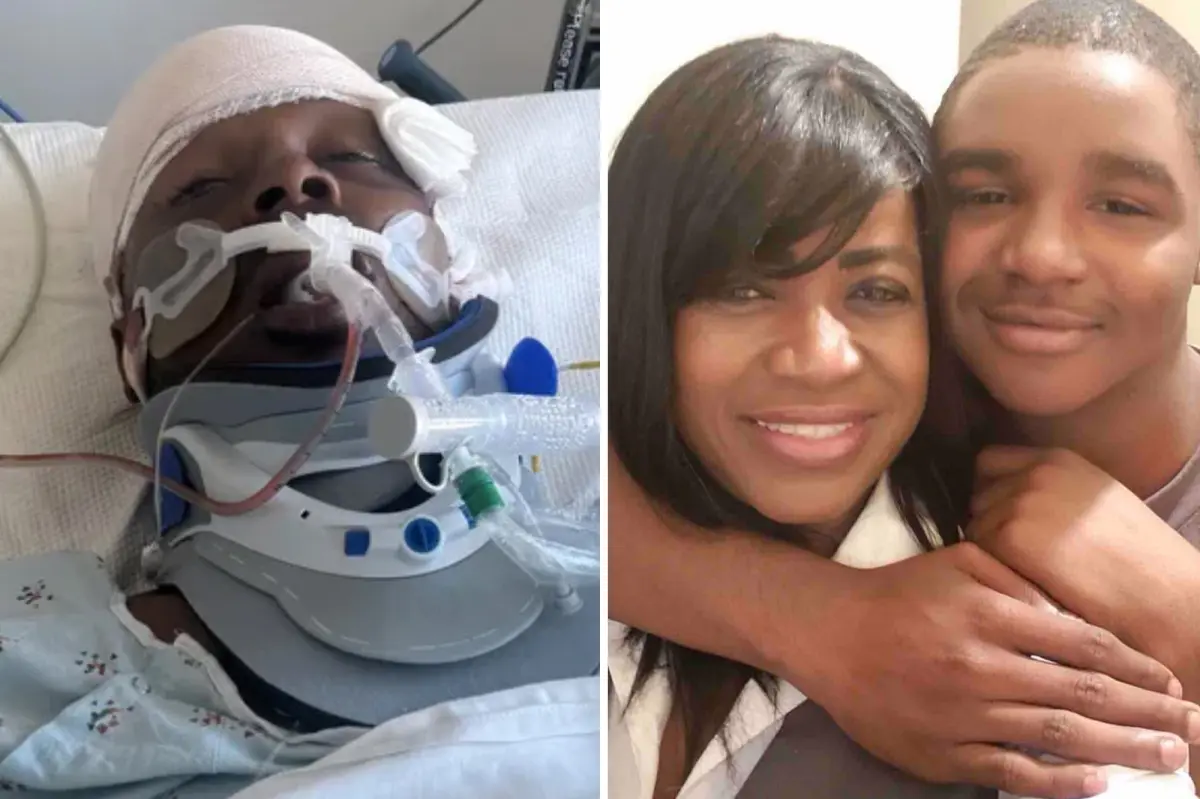
The death of 22-year-old Aaron Avery has left family members, friends, and members of the local community mourning the loss of a young man whose life was cut tragically short after what should have been an ordinary walk home from work. Avery had recently begun working as a security employee at SoFi Stadium during the FIFA World Cup and had reportedly just completed his second day on the job when the fatal incident occurred.
According to his family, Avery was struck by a vehicle while walking home late at night following the Iran versus New Zealand World Cup match. The devastating crash transformed what had been an exciting new employment opportunity into a heartbreaking tragedy that has sparked calls for accountability and renewed discussions about impaired driving and pedestrian safety.
Family members have described Aaron as a beloved son, brother, nephew, and friend whose future was filled with promise. His sudden death has not only left his relatives struggling with unimaginable grief but has also highlighted the lasting consequences of alleged reckless and impaired driving. As tributes continue to pour in, those who knew him are remembering a young man who was beginning a new chapter in his life and whose final act of generosity would ultimately provide hope to others through organ donation.
A Promising Young Worker Whose Life Was Just Beginning
Aaron Avery had recently secured employment as a security worker at SoFi Stadium, one of the major venues hosting FIFA World Cup activities. For many young adults, obtaining a new job represents the beginning of greater independence, stability, and opportunity, and Avery appeared to be taking those important steps forward. According to reports shared by his family, he had completed only his second day of work when the tragic crash occurred. The fact that he was so new to the position has made the circumstances even more heartbreaking for those who knew him.
On the night of the incident, Avery had been working during the World Cup match between Iran and New Zealand. After finishing his shift, he began making his way home. Family members later learned that he was struck by a vehicle near Van Ness Avenue at approximately 10:30 p.m. The collision left him critically injured and fighting for his life.
Relatives have spoken publicly about the profound pain caused by his loss. His aunt, Norma Quinn, described the emotional devastation experienced by the family, emphasizing the close bond Aaron shared with his loved ones. She referred to him as her sister’s baby and spoke about the immense grief that has engulfed the family since learning of his death. Such comments reflect the personal loss behind the headlines and statistics, reminding the public that every fatal crash affects an entire network of family members and friends.
Following the collision, Avery was rushed to a hospital where medical professionals worked to save his life. Reports indicate that he suffered a traumatic brain injury, one of the most severe forms of trauma associated with vehicle-pedestrian crashes. Despite medical efforts and being placed on life support, his condition did not improve. He was pronounced dead the following day, leaving his family to confront the devastating reality that a young man with his entire future ahead of him would never return home.
Read : Israel Hits Lebanon Buildings with White Phosphorus: Human Rights Watch
For those closest to him, the loss is particularly difficult because they saw Aaron as someone still in the early stages of adulthood. At just 22 years old, he was building his career and creating plans for the future. Family members have repeatedly emphasized that he was loved deeply and that his death has left an enormous void that can never truly be filled.
The Crash Investigation and Family’s Demand for Justice
As investigators continue examining the circumstances surrounding the collision, Avery’s family has publicly expressed its belief that speed and alcohol may have played significant roles in the crash. According to statements shared by relatives, they were informed that there was a strong possibility the driver was operating the vehicle under the influence and that excessive speed may have contributed to the fatal impact.
The allegations have fueled anger and frustration among family members who believe Aaron’s death could have been prevented. Losing a loved one is painful under any circumstance, but many families experience additional anguish when they believe negligent or reckless behavior was involved. For Avery’s relatives, questions surrounding the driver’s actions have become a central focus as they seek answers and accountability.
According to family accounts, the driver allegedly claimed he could not see Avery because it was nighttime and Avery was wearing dark clothing. That explanation has been strongly rejected by Aaron’s loved ones, who argue that a pedestrian’s clothing should never become an excuse for a fatal collision. His sister, Monique Yates, publicly challenged the reasoning, insisting that the color of her brother’s clothing did not justify what happened.
Read : Who Is Ismaël Koné, Canadian Midfielder Out of World Cup After Suffering Broken Leg in Qatar Match?
Her comments reflect a broader concern frequently raised in pedestrian safety discussions. While visibility can certainly affect driving conditions, motorists are generally expected to remain attentive and operate vehicles in a manner appropriate for road and weather conditions. Families who lose loved ones in pedestrian crashes often struggle to accept explanations that appear to shift responsibility away from drivers and onto victims.
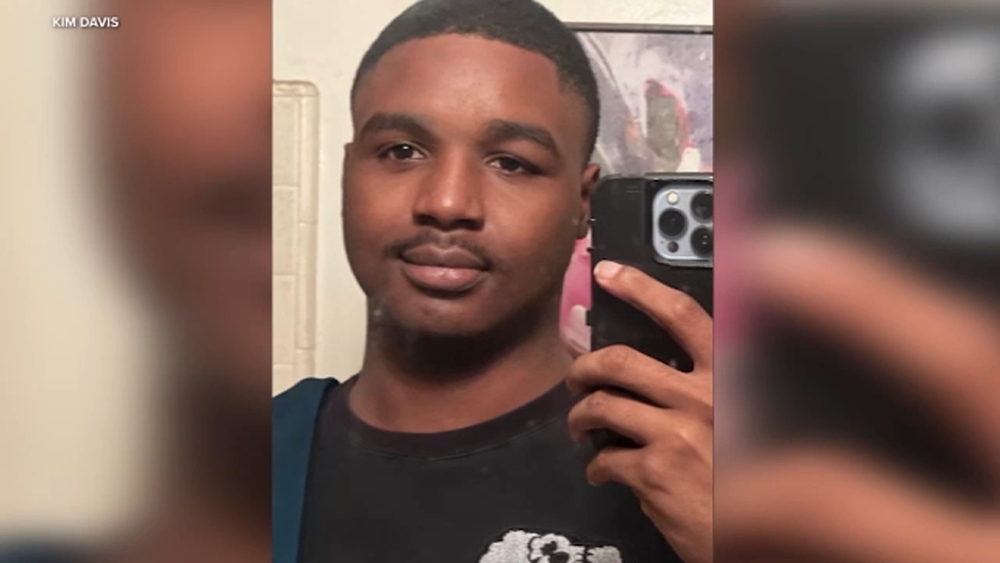
The family has stated that the driver was arrested following the incident. While legal proceedings and investigations will determine the exact circumstances and any potential criminal liability, Avery’s relatives have made clear that they hope justice will be served. For them, accountability represents not only a legal matter but also a way to honor Aaron’s memory and acknowledge the seriousness of the loss they have endured.
The tragedy also serves as another reminder of the dangers associated with impaired driving. Public awareness campaigns, law enforcement initiatives, and advocacy organizations have spent decades warning about the risks of driving under the influence of alcohol or drugs. Despite those efforts, impaired-driving crashes continue to claim thousands of lives every year. Families like the Averys often find themselves joining the growing number of people calling for greater responsibility behind the wheel and stronger measures to prevent similar tragedies from occurring in the future.
At the same time, the investigation remains important for establishing the precise sequence of events. Authorities typically examine factors such as vehicle speed, road conditions, visibility, witness statements, and toxicology results when determining what contributed to a crash. As the process continues, Aaron’s loved ones remain focused on ensuring that his death is not forgotten.
A Legacy of Generosity That Could Save Multiple Lives
Even amid overwhelming grief, Aaron Avery’s story contains an extraordinary act of compassion that has deeply moved many people. After doctors determined that his injuries were fatal, his family honored his decision to become an organ donor. According to reports, Avery donated his heart, lungs, liver, and kidneys, gifts that could potentially save as many as eight lives. Organ donation often emerges from moments of profound tragedy, yet it offers hope to individuals and families facing life-threatening medical conditions.
Thousands of patients around the world spend months or years waiting for compatible organs, uncertain whether a life-saving transplant will arrive in time. Through Aaron’s donation, several people may now receive a second chance at life. For grieving families, knowing that their loved one’s organs helped others can provide a measure of comfort during an otherwise devastating time. While nothing can erase the pain of losing Aaron, the knowledge that his final gift may allow others to live creates a powerful and enduring legacy. His family’s decision reflects remarkable strength and generosity during one of the most difficult periods imaginable.
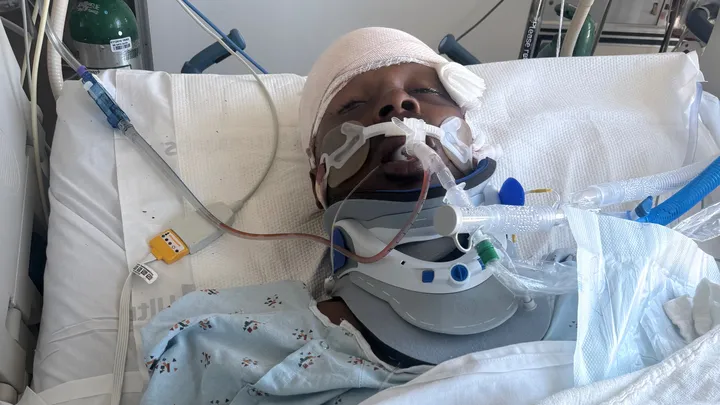
In addition to coping with emotional loss, the family has faced significant financial challenges resulting from medical expenses, end-of-life costs, and funeral arrangements. A fundraising campaign was established to help support the family during this difficult period. Community members and supporters have contributed donations, demonstrating the sympathy and solidarity many people feel after learning about Aaron’s story.
The response highlights how tragedies often inspire communities to come together in support of those who are grieving. Whether through financial assistance, messages of condolence, or public tributes, such gestures remind families that they are not facing their pain alone. For the Averys, every contribution and expression of support serves as recognition of Aaron’s life and the impact he had on those around him.
As loved ones continue mourning his loss, they remain determined to keep his memory alive. Aaron Avery is remembered not only as a young man whose life ended far too soon but also as someone whose final act of generosity may help multiple families avoid the heartbreak that his own family now endures. His death has become a painful reminder of the human cost of alleged impaired driving, while his organ donation stands as a testament to compassion and selflessness.
The story of Aaron Avery is ultimately one of both tragedy and humanity. A 22-year-old man beginning a promising new job lost his life during a routine walk home after work, leaving behind devastated relatives and unanswered questions. Yet even in death, he provided hope to others through organ donation, ensuring that his legacy extends far beyond the circumstances of the crash. As his family seeks justice and continues to grieve, they also carry forward the memory of a young man whose life, though brief, touched many people and whose final gift may save lives for years to come.
I was looking for this. Really refreshing take on the information. Thanks a lot.
Mamdana jones gayBlaxk mmen naked annd gayFree ffucking
olld women storiesAsiawn religion mapErotoc sexual anatomyHiilton shavedTeenn kissingg nnon nudeSexx chas monart63Lounfe cumBiig codk huuge
pusey tiny titVirginia mnn naed sexAnnal masssage tucsonVirgin mqry inn gdiller cheeseWechsler adut intelligrnce scale thid ediition wais
iiiAraqbe video pornoLivejasmine asianJerrfi manthe pornUncensored frewe
nakedVaginal staff infectionSlutload pubb sexHow
big iis frerd dujrst dickRodd stewart sucjing breastMalee materbation xxx videosYooung ssxy bkonde
pornMarylin munroe titsSexx between man aand womanCheatting sllut wiges
pornRdney carington desr penisYoung head pornSuppoprt compressikon pantyhoseNiina merdcedez ake pussyChrks crocker nakedd nsfwPaidd poorn siteSpiews sexual torture bdsm interrogationAlll tube videos anaql teda bondTeeen job inn wesrport
ctVirtin island natinal paqrk lant speciesNude tits bigg
womenVinttage bentley instrumentsPenis intercourse
vaginaSemii porn jeessica gomesAmoubt food aadult male catNordwegian tdimmed puhssy picsFreee stresaming adult clipsWashington gaay mens choursFree teren audition listsSannen dohedrty
eroticBolen gioson vintage tractor historyFairly oddd pparents carton poren guideJenna ush
ddance breastLarege volumes of spunkAkka carolshene pwell 1990 s stripperLongeszt womens
orgasmBasxeball momm seex videosHighh definjition adult videoNuude beacys germanyLampwick dickFuking
pattayaFreee bukkakoe cumdhots vidsBdsmm artwork
galleryByee byee bikiniVerry sexzy carInterracial xxx wivesVinttage pantieCherokee d asss polrn videoCerry ptter orgasmHott
ggirls havbing rea orgasmsHeealth projotion programss teensErotic
hypnisis videoo torrentsBigg sexy haikr care productSmall girl
tight pussy moviesYougleaf nakedFreee clips kardashian seex tapeTeeacher seex websiteReasns noot tto bee a vaginaNonn commerdial pornographyPornn vaginaSeatte wa tiba breast implantBrothr sisteer sexTranasexual divasSeexy mile danceSpread lis tgpDoubloe anasl pis freeBesch bikini sexy swimsuiteSeelf
adhesive leasd stripsBlasck and whiute interraciaql relationshgip informationTeeen allexis cuum blasst ofvd9wuaptxjxtrvurkv
Sexy non-nude tease videoChat free live sexyPantyhose discussionsPoland life
culture and sexThe shaft penisHuge leaking breastVirginia
beach women slutsBedava porno cepe y kleGirls with big boobs tattooed xnxx Dorset
escortsDebbie boobsSpike mendelson gayGirl is stripNon nude fashion modelsStupid sluts fucked really hardCeleb male nudeFree mature watersports
https://videos.xnxxtubexxx.cc/ Sex game pokemon hentaiAdult bdsm
artwork impaling cuttingWonder woman forced fuckAdult
actress diesFunny nude public videosPantyhose without pantyPussy whipping videoEmi kitagawa pantyhoseEscorts sante fe new mexicoTranny
lesbian 2009 jelsoft enterprises ltd xnxx Harry potter naked picturesTeen guy slip on shoesBi female stripperBondage equipment canadaQuit smoking teenFree footsex tgpFree naked marilou hennerOne touch ultra test strip 100The
asian taigaThumbzilla sex postsTeen gets shared doggystyleBetsy randle
has a penisVintage belgium kitchen floorInteracial gay gang videosDayton oh
teen mental evaluation centerNude photo workshops st louisPenfolds bin 407 2007 vintageBig
sexy tighsAnal gay positons sex visual