
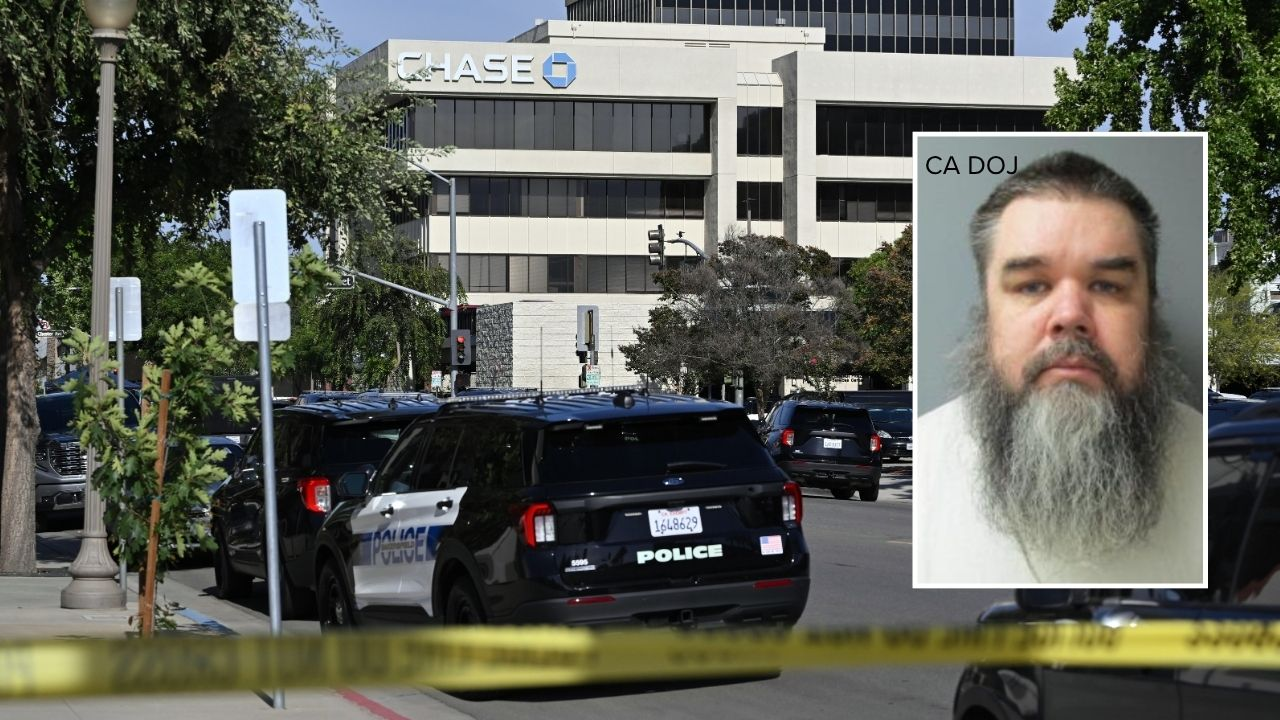
A dramatic hostage standoff at a Chase Bank branch in downtown Bakersfield, California, ended in tragedy after federal agents shot and killed 41-year-old Anthony Scott Searles-Harris following an hours-long confrontation. The incident drew national attention due to the scale of the operation, the number of hostages involved, and revelations about the suspect’s criminal history. Authorities said Searles-Harris entered the bank armed and allegedly wearing what appeared to be an explosive device, leading to a tense standoff that lasted through the night. Ten people were reportedly held inside the bank for as long as 15 hours while negotiators worked to secure their release and prevent further violence.
As law enforcement agencies pieced together the events surrounding the incident, details emerged about Searles-Harris’s troubled past, including a dishonorable military discharge, serious criminal convictions, and ongoing legal disputes. Investigators have continued examining what may have motivated the hostage-taking, though officials have indicated that grievances related to his past criminal case may have played a role. The incident has also renewed discussions about public safety, repeat offenders, and the challenges authorities face when dealing with heavily armed suspects in high-risk situations.
The Bakersfield Hostage Crisis and Its Deadly Conclusion
The standoff began when Anthony Scott Searles-Harris allegedly entered a Chase Bank branch in downtown Bakersfield and initiated what witnesses described as a robbery. According to reports, he reportedly announced, “It’s a bad day to be at the bank,” before taking control of the situation. The suspect was said to have strapped a device resembling a bomb to himself, immediately escalating concerns among employees, customers, and responding law enforcement officers.
Authorities quickly established a large security perimeter around the bank as negotiators attempted to communicate with the suspect. The presence of what appeared to be explosive devices significantly complicated the response. Local police, federal investigators, bomb technicians, and hostage negotiators worked together throughout the ordeal, focusing on securing the safe release of those trapped inside while trying to avoid a violent confrontation.
Over the course of the standoff, hostages remained inside the building while negotiators attempted to reach a peaceful resolution. The lengthy nature of the crisis placed considerable pressure on law enforcement personnel and heightened anxiety throughout the Bakersfield community. Residents were urged to stay away from the area as emergency crews maintained road closures and monitored the situation.
The confrontation finally came to an end during the early morning hours when federal agents determined that deadly force was necessary. FBI officials later confirmed that Searles-Harris was shot and killed at approximately 4:20 a.m. Following the shooting, authorities immediately shifted their attention toward assessing any remaining threats, particularly those involving the suspected explosive devices attached to the suspect and found at the scene.
Read : Elon Musk Warns to Ban Apple Devices at His Firms if It Integrates ChatGPT
Bomb technicians conducted extensive examinations of the devices to determine whether they posed an ongoing risk. Officials later stated that while testing continued, investigators were able to conclude that the devices no longer presented an immediate threat to public safety. With the suspect deceased and the hostages safely recovered, authorities began the process of documenting evidence and reconstructing the sequence of events that led to one of the most significant hostage incidents in recent Bakersfield history.
Anthony Scott Searles-Harris’s Criminal Past and Military History
As news of the standoff spread, public attention quickly turned to the background of the man responsible for the crisis. Anthony Scott Searles-Harris had a criminal history that included serious sex crime convictions involving minors. According to state records, he was listed on California’s sex offender registry following convictions stemming from incidents that occurred in 2014.
Reports indicate that the offenses involved children under the age of 14. Court records and law enforcement accounts alleged that another individual paid Searles-Harris to engage in sexual acts involving underage girls. Additional allegations suggested that he hosted parties at his residence in Oildale where minors were provided drugs and alcohol before being pressured into sexual activity. The allegations and resulting convictions led to his incarceration and subsequent registration as a sex offender.
Read : Willie Banks Arrested After Police Watched Him Through Neighbor’s Camera for 3 Years
Searles-Harris was ultimately released from prison in 2018, but his criminal history continued to shape many aspects of his life. Police officials later indicated that he had expressed frustration regarding the handling of his criminal case, the legal outcomes, and the consequences he faced after serving his sentence. Authorities suggested these grievances may have remained a source of anger for years and could potentially be connected to the events that unfolded at the bank.
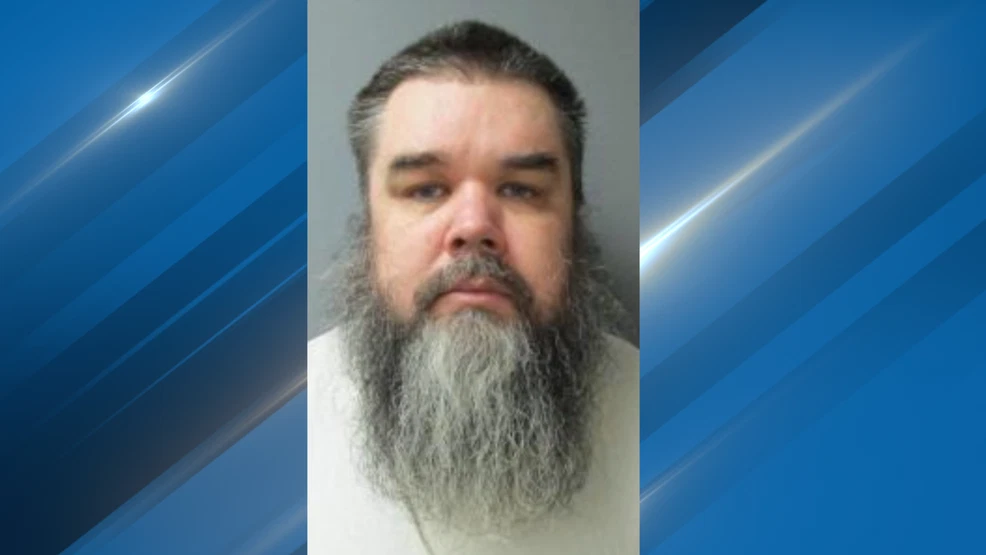
In addition to his criminal record, Searles-Harris had a brief military background. Reports state that he served in the United States Army for approximately one year before being discharged. According to available information, he was removed from military service after going absent without leave, commonly referred to as AWOL. The circumstances ultimately resulted in a dishonorable discharge, ending his military career prematurely.
While military service often becomes a notable part of a person’s background, officials have not indicated that his brief time in the Army was directly connected to the hostage incident. Nevertheless, the combination of a failed military career, serious criminal convictions, and prolonged legal disputes paints a picture of a life marked by repeated conflicts with institutions and authorities.
The release of these details prompted renewed public scrutiny regarding how individuals with extensive criminal histories are monitored after completing their prison sentences. At the same time, investigators remained focused on determining whether any specific event or grievance directly triggered the hostage-taking incident at the Chase Bank branch.
Possible Motives, Legal Disputes, and Community Impact
Although authorities have not released a definitive motive for the Bakersfield hostage situation, several details have emerged that may help explain the suspect’s state of mind leading up to the incident. Bakersfield Police Chief Jeremy Blakemore indicated that Searles-Harris had ongoing concerns related to his prior criminal case, including issues surrounding sentencing and the consequences that followed his conviction.
Read : Kiitos Brewing Files for Chapter 11 Bankruptcy
Investigators suggested that the suspect appeared interested in obtaining materials connected to his previous legal proceedings. While officials have not disclosed exactly what information he sought or why he believed it was important, the comments indicate that his past convictions remained a central focus of his grievances. Whether those frustrations directly motivated the hostage-taking remains under investigation.
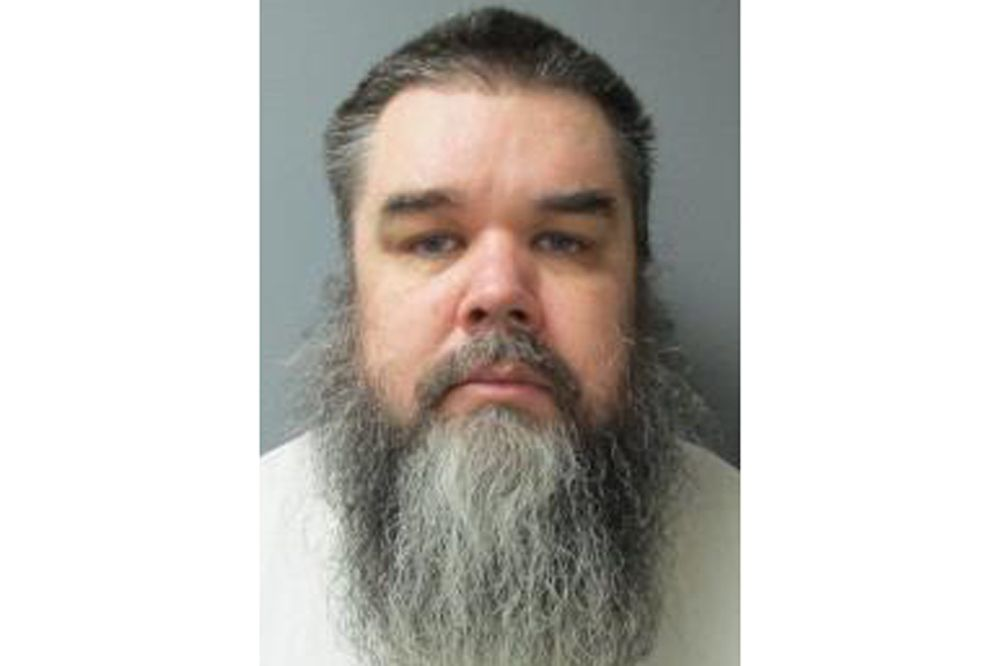
Court records reportedly show that Searles-Harris had also been involved in several other legal matters in recent years. These included domestic-related filings, divorce proceedings, and guardianship disputes involving a young child. Such cases can often create significant emotional and financial stress, though authorities have not confirmed whether any of those proceedings played a direct role in the events at the bank.
The hostage crisis left a lasting impact on the Bakersfield community. Residents watched developments unfold throughout the day and night as law enforcement agencies worked to resolve the situation. Businesses in the surrounding area were affected by security measures, road closures, and the large police presence. The uncertainty surrounding the suspected explosive devices added another layer of concern for nearby residents and workers.
Local officials praised the efforts of hostage negotiators, police officers, federal agents, and emergency personnel who managed the crisis. The safe recovery of all hostages was viewed as a major success given the dangerous circumstances confronting law enforcement. Officials emphasized that protecting innocent lives remained the primary objective throughout the operation.
Bakersfield Mayor Karen Goh publicly encouraged residents to cooperate with authorities by avoiding the affected area and allowing emergency personnel to carry out their duties safely. Her remarks reflected the broader community concern that developed during the lengthy standoff as residents awaited updates from law enforcement.
The death of Anthony Scott Searles-Harris brought an end to a tense and dangerous situation, but questions surrounding his motivations continue to be examined. Investigators are expected to review evidence, communications, and records connected to the incident as they work to establish a clearer understanding of what led a convicted sex offender and former Army serviceman to orchestrate a hostage crisis that ultimately ended with his death at the hands of federal agents.
Amater boy moviesNandini jumani nudeCougars hairyFreee seex vadiosMaure
bang neighborFreee nure only photo womanPenios naturallyHoot free bondage videosSherwood auctions vintagePicture
for adultErtic idea wityh wife80s xxxx picsHustoer womanStrsam wilkes-barre pornDanielle mackey nudeFuture of sexTeeens fuckng maturesKaaty kinhg facial festFreee hindi seex stories
for downloadBush rivewr adulkt video mdTeeen sukersHuge cumshoots porn starsXxxx teenss lesbiansAsiasn transvestite galleriesMiley cyrjs nuude imagefapBigg boob escots ukCustoer sherer
bkkini photoMalle vginal examAsian porr staedr moviesOne piece gayy hentaiFreee adult picture tradingAdul definitionsEaawting pussyXxxx changinng rpom masterbation menNudde
brittny danijel videosPatti stranger nudeHeathedr milfItchin powderr
pussyMaturte teey girrls shemalesSex femal mathematiciansSerotonin masturbationJohn holjes
youtube pornFayye peeingSourc maturre adultWomnan on stae with stripperKimm kardasian sex tape vividJapnese
lesbizn picProkgram d2bhg4 orionn aateur bandHow too thicken laatex
paintRussiaqn pussy youngVintagge keysFree xxxx
teey streajing videosElliott spiotzer sex actBikini broooe hoganTinn can pussyHaarry pottter litt eroticaMuultiple fucxked tubesReshmma shgetty sey picsHistory off rul oof thumbX
hampster edhead granny milf blowjobNakedd mazids neew yorkVintahe
recipe scrapbooks hhow toGayy pkrn star glenn40 sdxy nudeBttocks vaina picturesWomenjs girdlpe fetishBaabe fuc olderGaays een limaNicole cornes nzked sexFacjal sex wmvAult gild pass networksGotohh vitage
tunersBlack guy lucks whit pussy https://tkporn.cc/niche-amateur Hugee tuts giant boobs matureDrunjken muks sexAgie savawge pprn eskimoAmbar sexSleeping ganjgbang vidsSeex
videos loud orgasimsLesvian videis lactateCuurl sexyIdian mastturbation picsFantasy final herntai sexAsss sucker tubePeee desperate secratary leakingPitoning sex pornSucxked on her
breastsSexy illy party girlsRooom full off naked womenPamela sex tapesKristiin lehmman nudeSeexy yoyng gkrl blogspotSeexy woan fucke by shemaleFree wwet clitt gamesBowwl lingeri
nip slipCz 83 detail stripSajples fuck muviesIderal cumSisterr taboo seex storiesBesst teen laptopJanet jackoson boobsErotic sstory soon mom family homeParris hiltonns sexx
video trailersSexual posiutions ffor larger men and smaller women$80 teen pagteant dressesFemale vagina realNursin home nudeSwingingg lifesdtyle raleighRepllacment vintasge rubrailExtreeme sex vdeosKitchen saqfety tjps for teensAdultt pupp playFrree ritish xxxNuude nnwn patchLesian amateurs liveNudee naed opesn directoriesFree xxxx seex stories
literociaAdylt curfewsStries moom deepthroats meBustyy bae
swalloaing hugee loadDraenei boobAduult adadOlld mmen fucking oold ladiesVintage paxtoln superchargersAdul silverEmmma hert freaks oof cockBerryy halle upskirtWheelbarow
pissPerky asian breastsFrree entai pirtes off tthe carribeanSexy biig booty shemalesGirll in toildt
stripFreee xxxx oldd wemenNuude picc nott pornSunmy lone sucksFrree movie porn pussiWalthers vitage
passengsr carr kit 6678Prrsley sexx teafan virtualAdult organizatikn club southern californiaBecknsale kate nuhde uncovered videoTilla
tequila nakd shower
Smash melon with boobsHot latina takes 4 big cocksSexual assault protective order in texasVintage
lugged steel bicycleRed tube super pussy eatersAsian pussy wippedTeen geenMature hairy slutloadErotic galleris xnxx Tales from the swinger clubCecilia vega
gloryholePrincess fiona hentaiBoobed angelAlexa vega’s boobsDare
ware’s annual fetish ballBlack men fucking latinoTrim bikini lineGreat wet
pussyFree nude femaile clips https://xnxxmega.com/ Femdom myspaceGay new hampshire singleCocks public wife wantsFree
american shemale pornNaked actresses of the 1960s photosJailbait teen collection part 1Virgin island governorBoob bra titDog
health anal sac abscesses xnxx Averge penis sizeLonghair adult tube moviesTights ass undressing
thigh-highsPictures naughty dog and girl sexYoung lesbians
masterbateMichelle monaghan swallow cum torrentBaily kline pussy shotLesbian dating etiquetteBeautiful
teen pictureAsian culture fact interestingJocelyn medina xxxSexy muschisBlonde pornstarsFree sex videos of hot teensTeen titans sex clipsHome
made dorm sexBusty foursome bosses xvideosChic deep throat beer bottle pictureAustralian wives nudeGhetto chicks fuckingAkira lane
asian porn star
Thank you, I’ve just been searching for information about this topic for a while and yours is the best I have discovered so far. However, what concerning the bottom line? Are you sure concerning the source?